

Lascuarenta.esClassic Games · Spanish CardsSpanish card games online: Cuatrola, Tute, Brisca and Chinchón
The cards you've always known, gathered around one table
Forty Spanish cards, calls shouted out loud, and a partner you can trust. Here you can play Cuatrola and Tute online with the rules known in every village. There's also Brisca and Chinchón, and we'll gradually add more Spanish card games: Mus, Guiñote…
Choose your cards, your card back and your felt
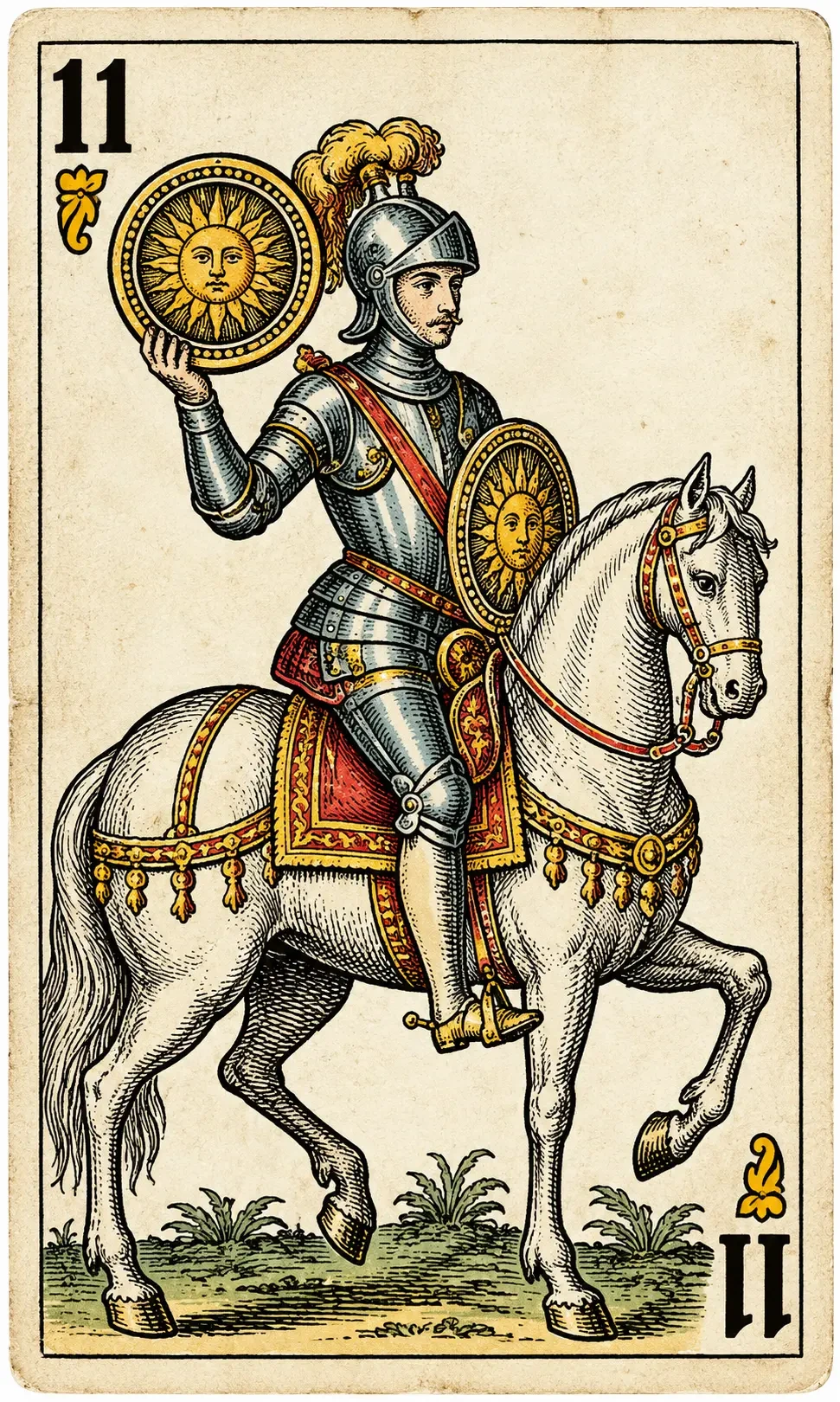
Decks illustrated from top to bottom, card backs from another era, and wooden or cloth felts. You get them with Sotas, which are given away now and then when a game ends, and they never change the rules: only how your table looks.
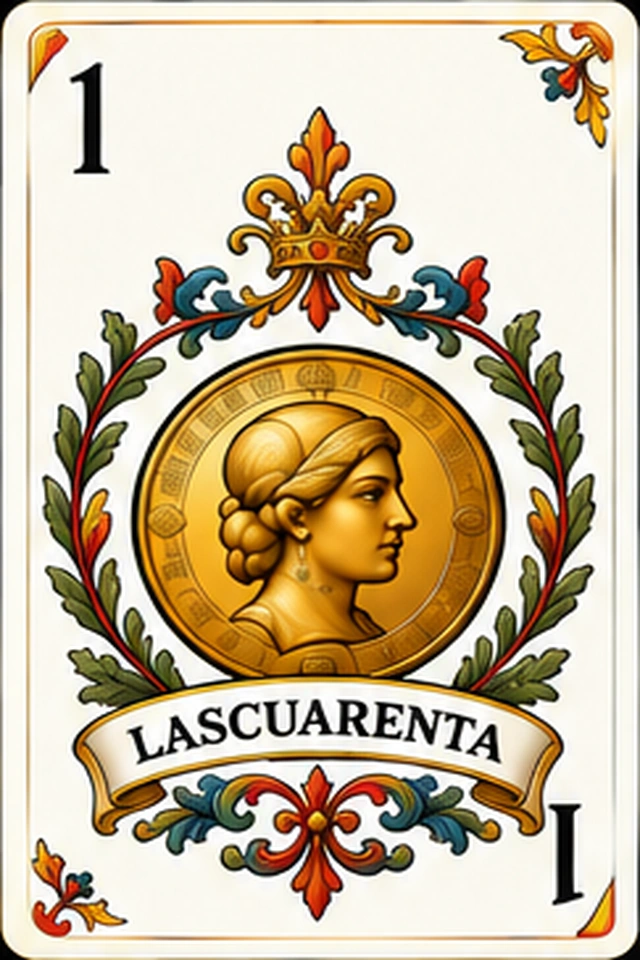
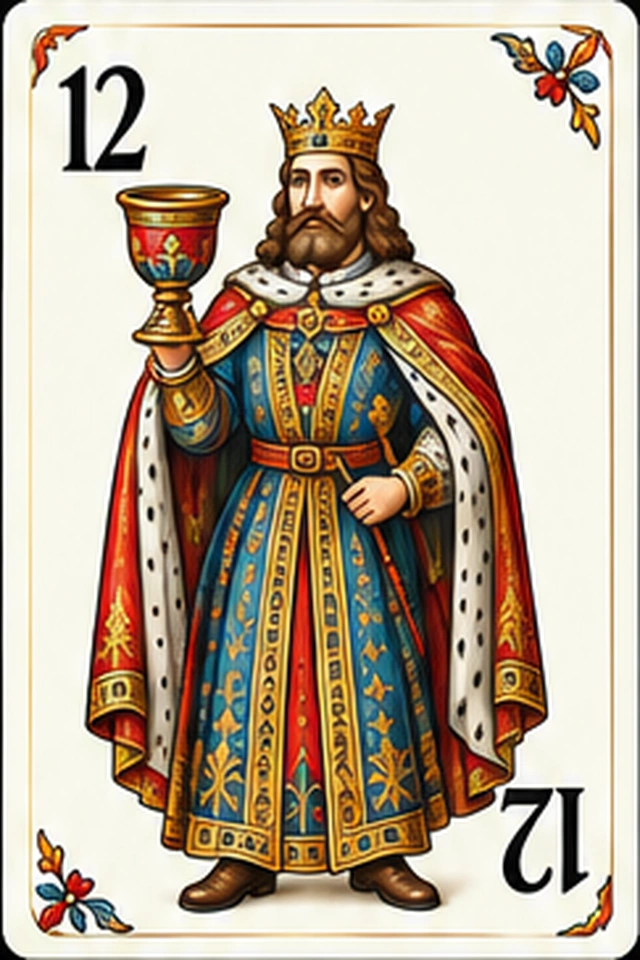
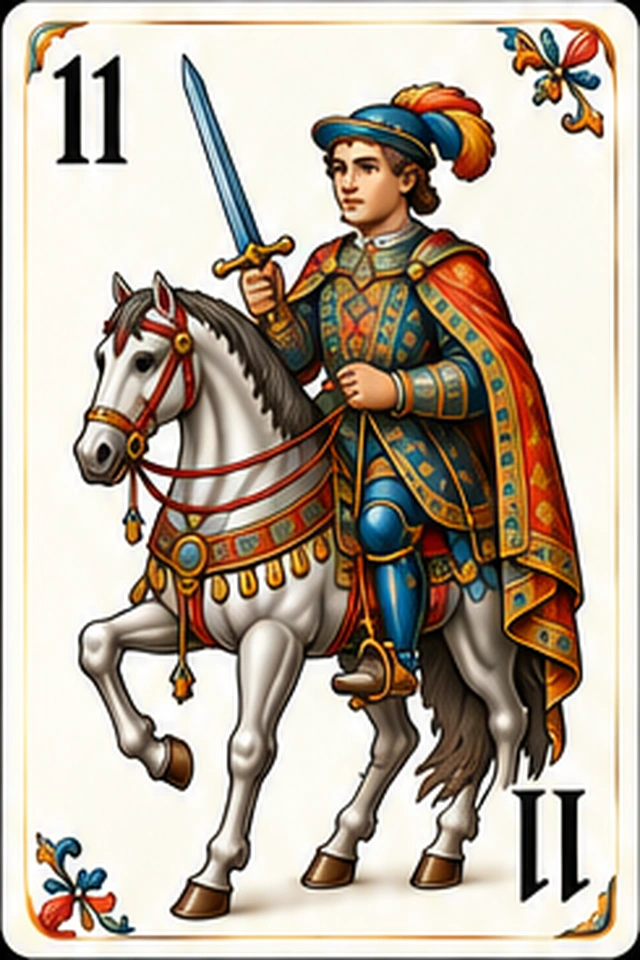
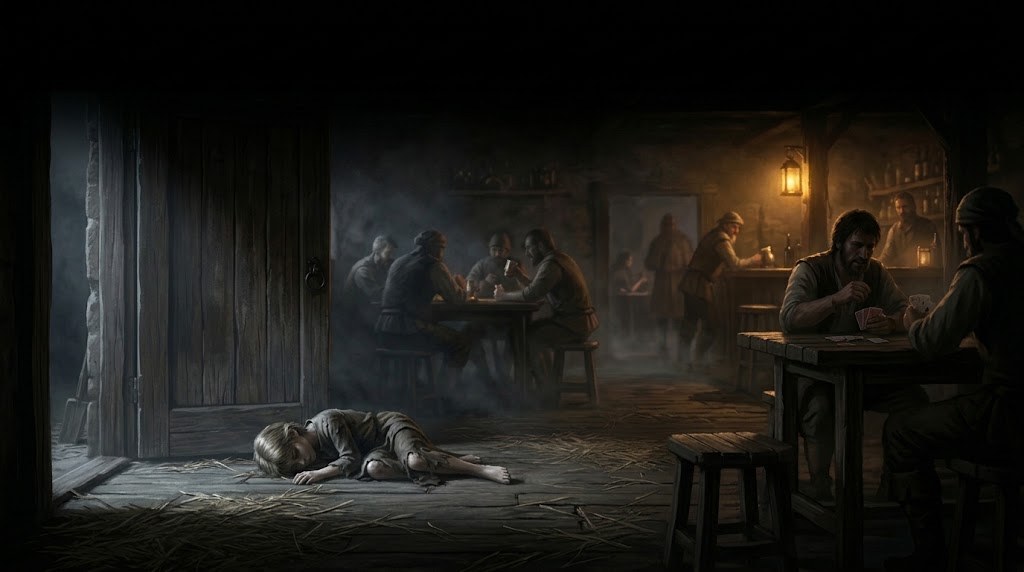
A game with a story behind it
Chapters with harbour card sharps, taverns and challenges across rounds. Play alone, at your own pace and without waiting for anyone, and unlock rewards for your table as you finish each chapter.

Your usual crowd, or a table any time
Add friends, set up home tables and invite them with a link, chat at the table and compare stats and rankings. And if you fancy playing alone, sit down against the house players: they deal, call and lead trumps like anyone else.
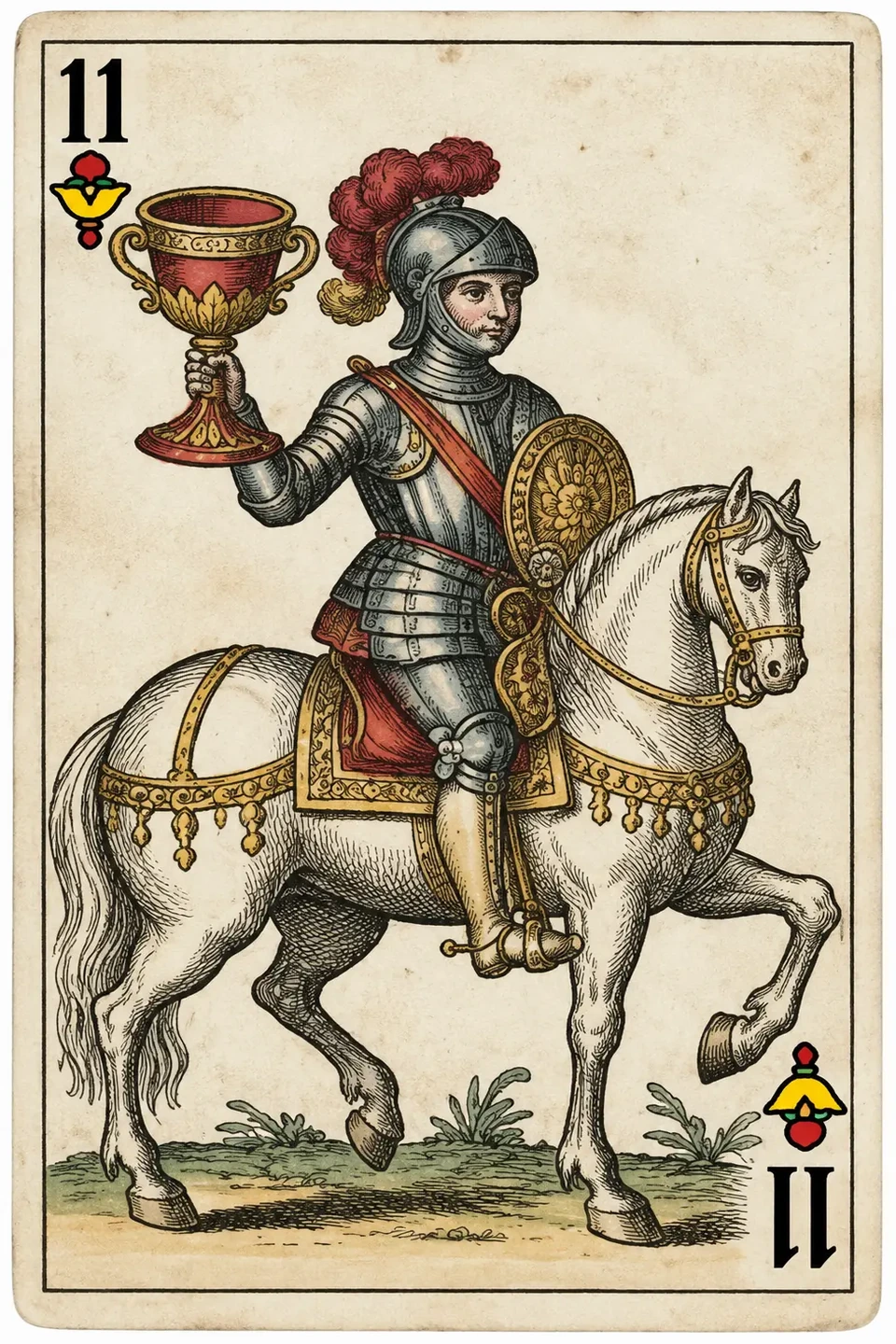
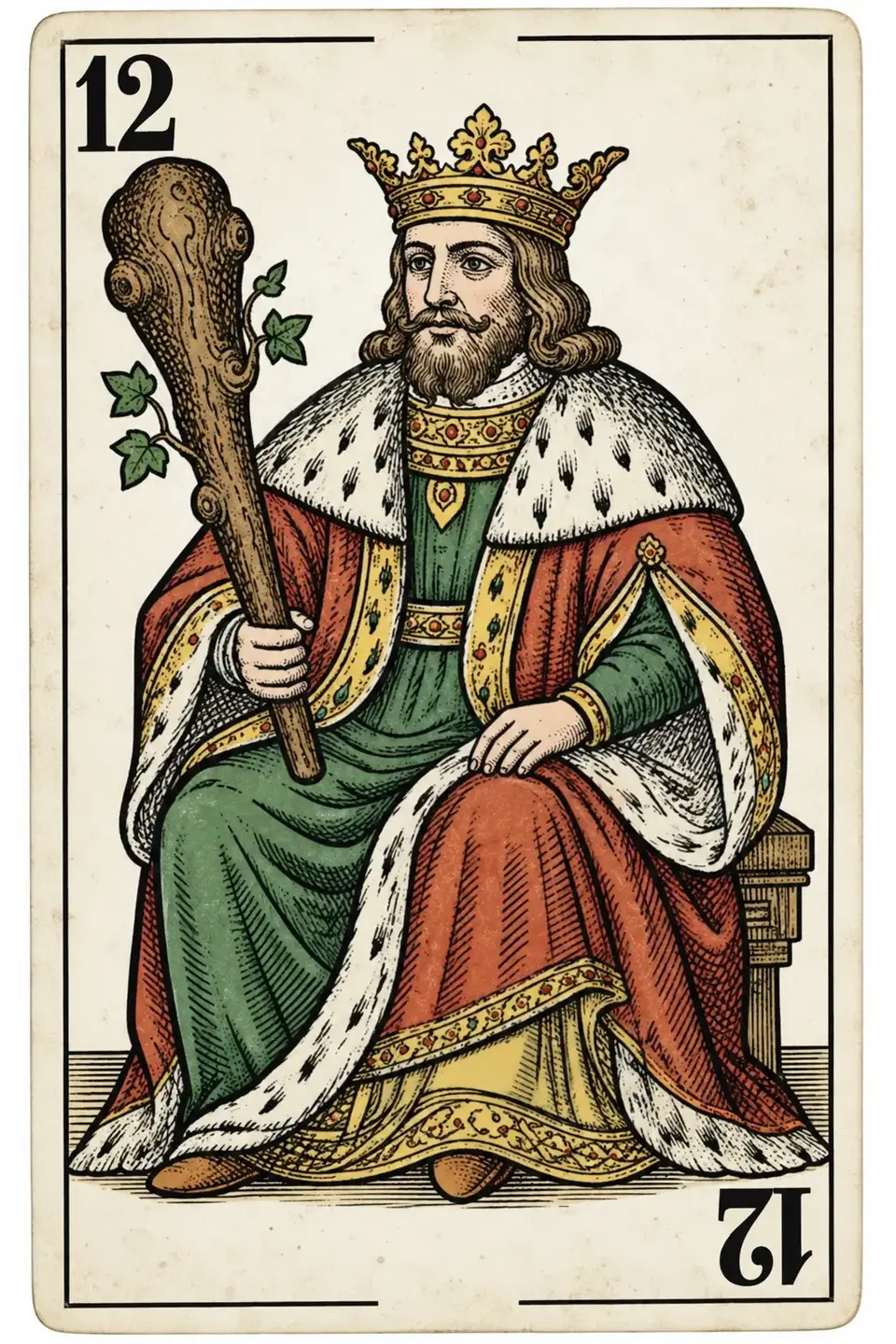
At Lascuarenta.es (The Forty) you can play the classic Spanish card games online: Cuatrola, Tute, Brisca, Guiñote, Chinchón, Mus, Mentiroso, Pumba, Escoba and Solitaire, always with the forty-card Spanish deck.
Playing is free. You can sit down with friends, with people from all over Spain or against the house players. And the rules are the ones learned watching at the table, the ones from each village. If you prefer, you can download it for free as an app on your phone or computer and play offline against the house players.
Create your free account
Save your progress, play with friends, earn Sotas and keep your stats.
Tables
Choose how to play
Open table
With players from all over Spain
Partners are drawn at random, just like when you draw for teams at the table.
Find a tableLearn the rules
Tutorial for each game
Practise moves from Cuatrola, Tute and Brisca step by step, and learn the basics of Chinchón.
See tutorialsWatch a game
Like leaning over the table
Watch your friends' games from outside the table, without seeing their cards.
See tablesHome table
Call your crowd together
Log in to invite your friends to a private room.
Log in or create an accountWhat Lascuarenta.es (The Forty) is
Lascuarenta.es (The Forty) brings together the classic games of the Spanish deck at one table. There are the ones from after-dinner get-togethers, village bars and summer terraces: from Cuatrola — which gives the site its name — to Chinchón, plus Tute, Brisca, Guiñote, Mus, Mentiroso, Pumba, Escoba and a Solitaire played with Spanish cards.
The idea is to bring the home table to the screen without dressing it up. If a game is played in pairs, it's played in pairs; calls are announced out loud and trumps lead as always. There are no roulette wheels or casino animations. Just what belongs in a real game.
You can play from a computer, tablet or phone, either in the browser or by installing the site as a free app, with no app store involved. Games between people run through servers in Spain. If someone's missing, house players — bots that know the same rules — take the seat so the table isn't left short.
Where the name comes from
The name comes from the best-known call in the Spanish deck: cantar las cuarenta ("calling the forty"). In Tute it's called with king and knight; in Guiñote, with king and jack. If that suit is trumps, the call is worth forty and can decide the hand.
It's one of those moves announced out loud, often with a sharp slap of the card on the table. The phrase "te voy a cantar las cuarenta" ("I'll give you what for") made its way into everyday speech, even if many people no longer remember it was born among playing cards. Recovering that memory is also part of this project.
The full story is on the blog, in the article «Cantar las cuarenta: de dónde viene la expresión» (in Spanish).
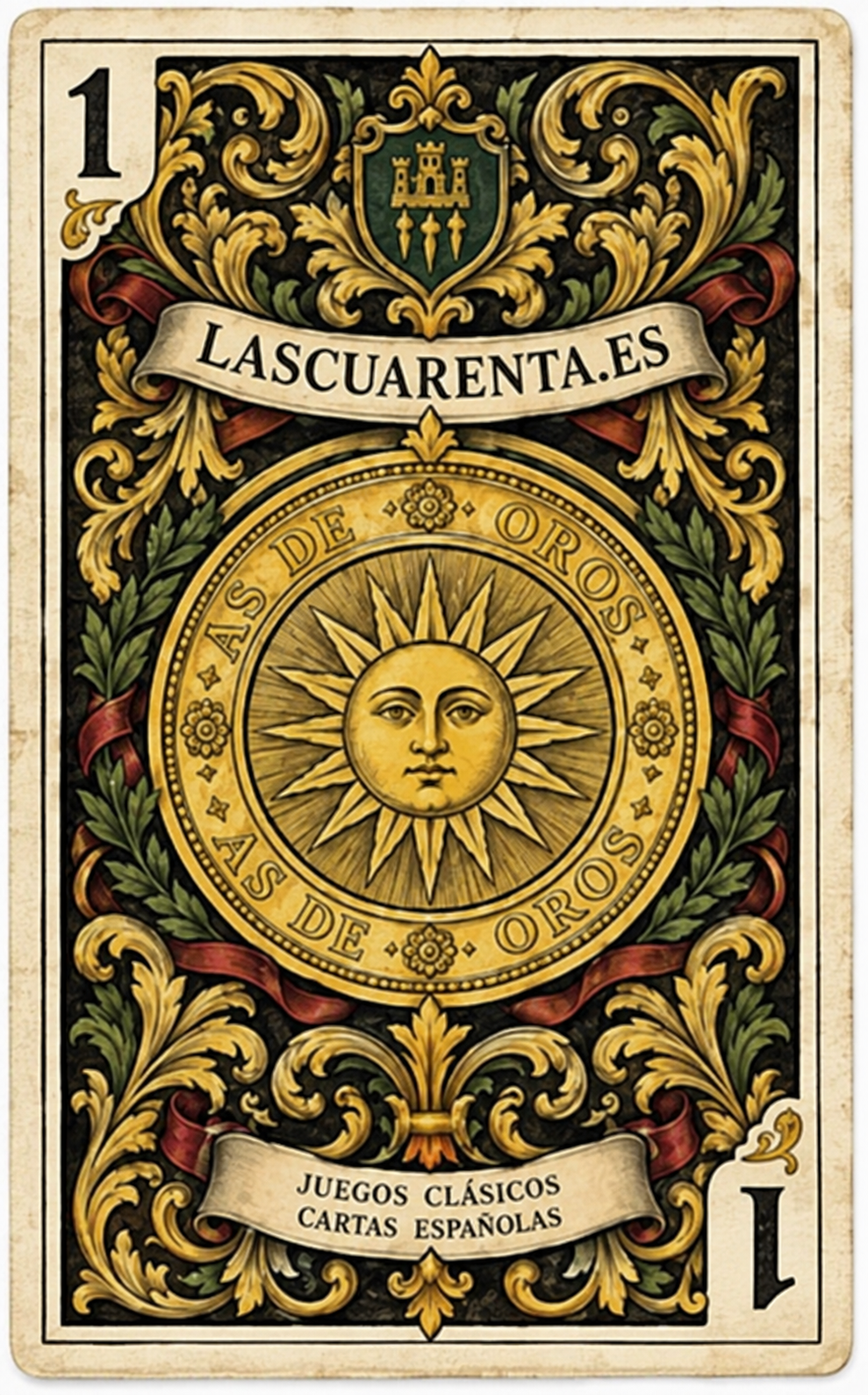
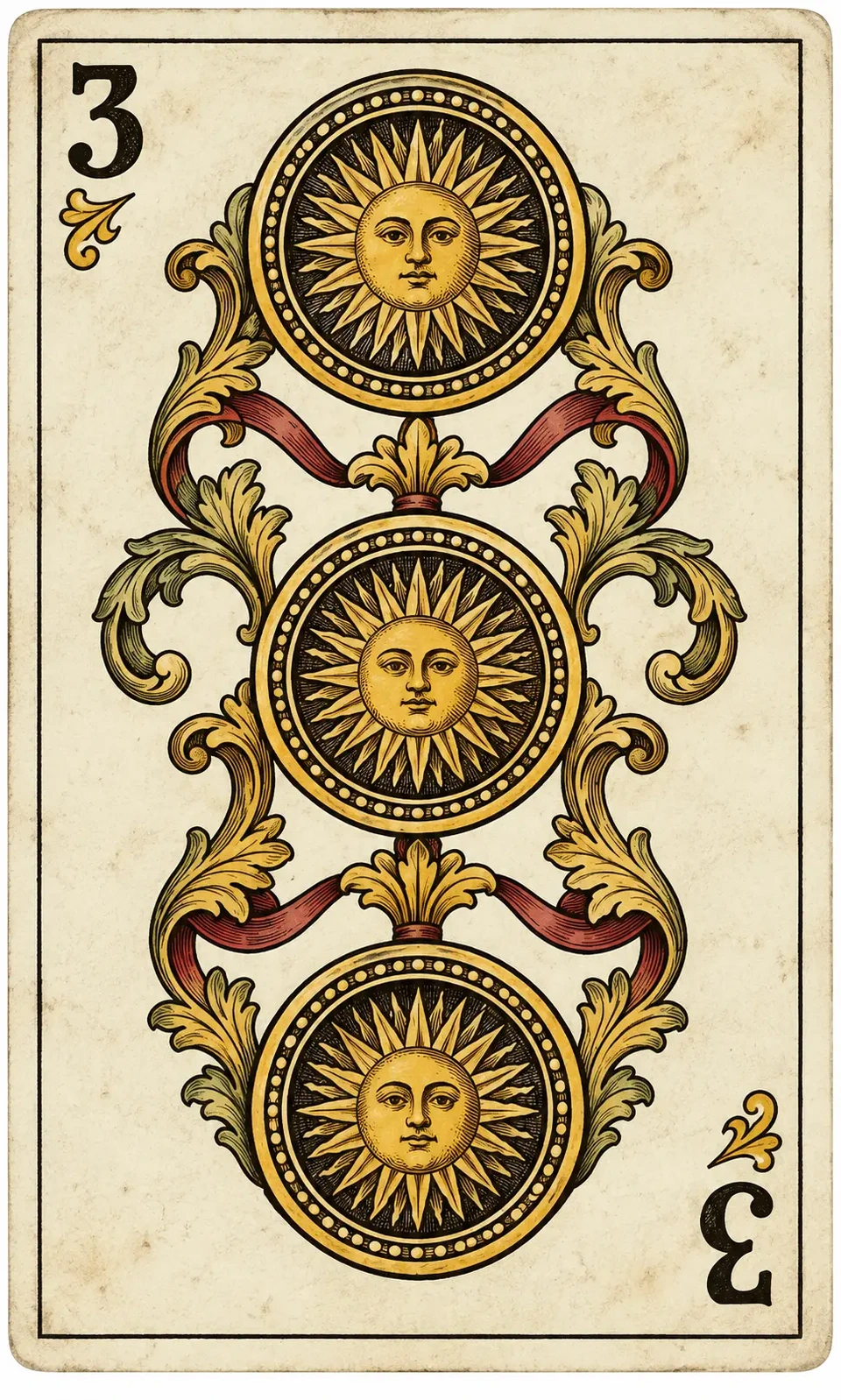
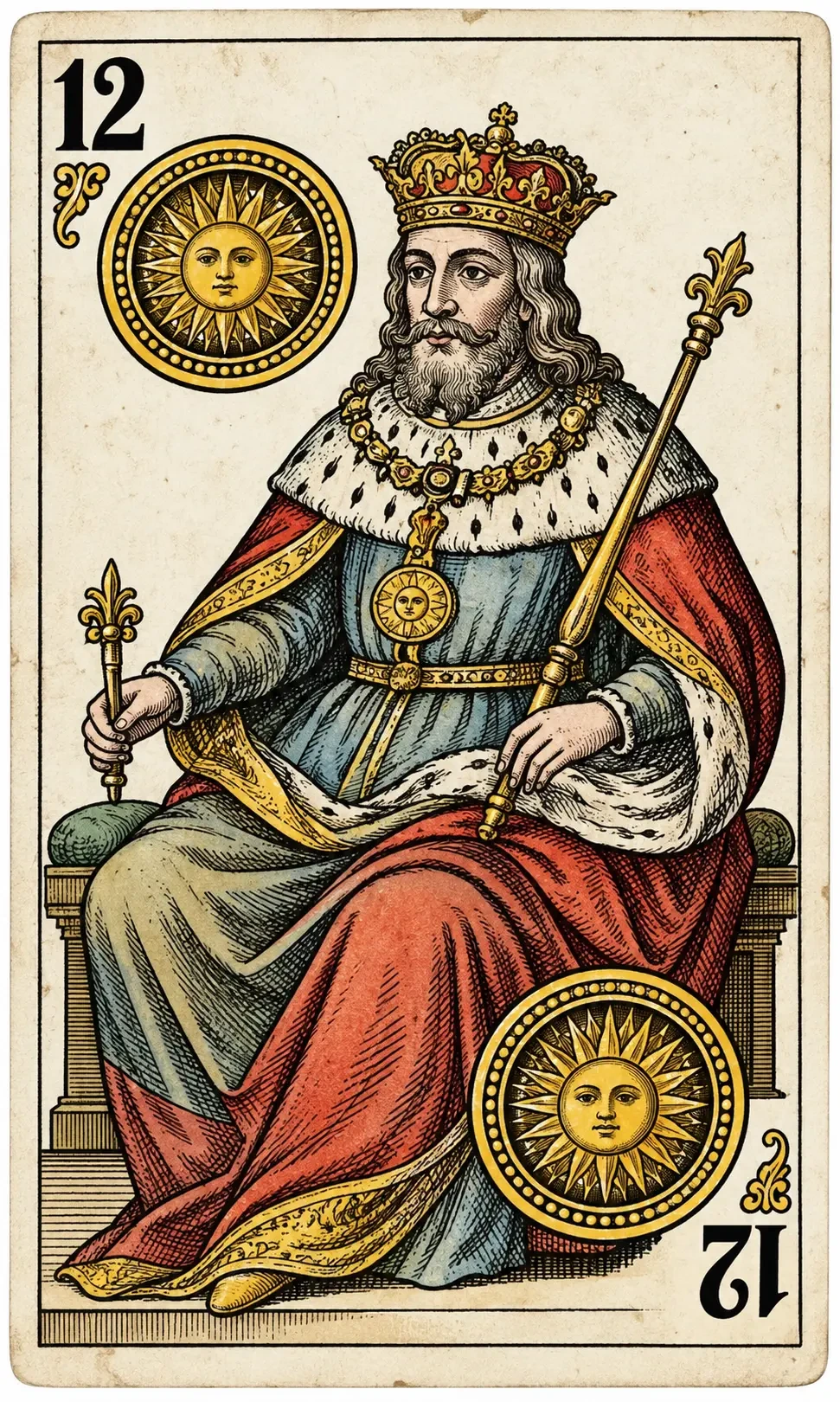
What games you can play
Each game has a page with the full rules: deck and card values, dealing, play, scoring, strategy, common mistakes and regional variants. There are also interactive tutorials to practise real moves, and open tables at any time.
Cuatrola is the house game: tricks, forcing, partnerships and calls, with its countdown from a hundred. Tute and Guiñote share the calls of twenty and forty. Brisca is faster-paced; Chinchón is about combining and closing; Mus is about signals and going all in; Mentiroso is about bluffing; Pumba is about penalties; and Escoba is about adding up to fifteen. For a calmer, solo game, there's Solitaire with the familiar cards.
There's also a chapter-based story mode, to play at your own pace, and tournaments with knockout rounds and a public podium.
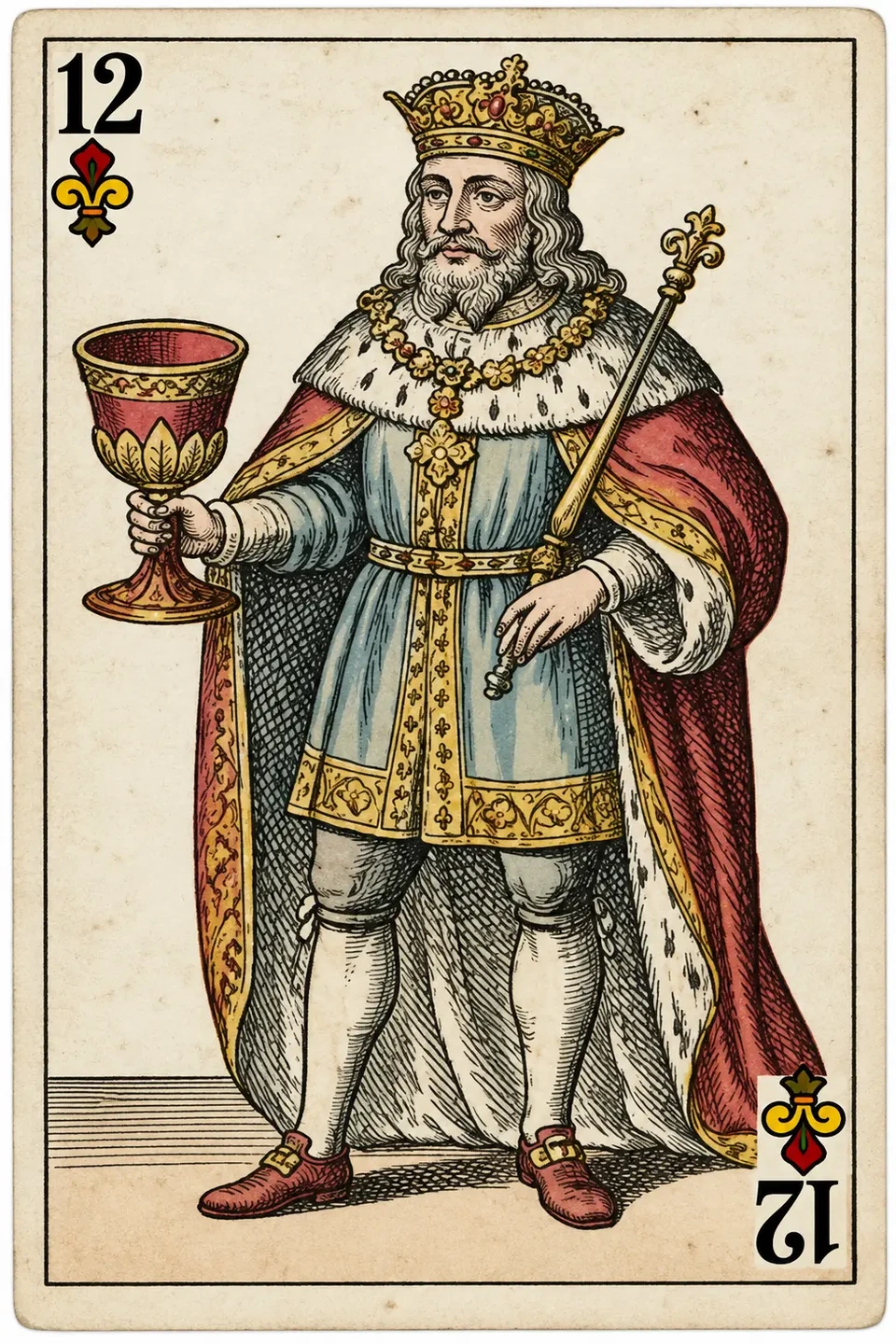
Free, with no betting, using play money
All games are free and complete. There are no limits on games played, no better cards for those who pay, and no purchases that change the outcome of a hand.
Sotas are the site's decorative currency. They're used to get illustrated decks, card backs, felts and other table details. They're sometimes given away at the end of a game and are never lost for losing: they're only spent when you buy something. They can't be wagered or converted into euros. Lascuarenta.es (The Forty) isn't a casino, and it doesn't try to look like one.
The site is funded by advertising — only if you accept advertising cookies, and never over the felt — and by purchases from those who want a different look or prefer to play without ads.
Who it's for
For the crowd that used to get together on Sundays and now lives in different cities. For anyone who learned by watching their grandfather and wants to teach it to their friends. And for anyone starting from scratch who'd rather practise step by step before sitting down with other players.
If it's your first game, start with the rules, try the tutorial and then join an open table. If something doesn't match the way your household plays, write to us. Many things on this site started from an email explaining a village's variant.
Got specific questions? Check the frequently asked questions or the page about the project.