

Reading
Blog
Stories about the Spanish deck, the rules explained plainly, details about our decks and project news.
Culture ·
Traditional games in Cantabria
Mus (a Spanish partnership card game), Tute (a Spanish trick-taking game) and Brisca (a Spanish trump-based card game) are played across Cantabria, with each valley bringing its own customs to the table. Here’s what a local game is like.
Read the article
Probability and chance ·
Can a deck end up in the same order twice after shuffling?
Every time you shuffle thoroughly, you’re almost certainly creating an order of cards that has never existed before. Here’s why.
Read the article
Culture ·
Traditional games of Navarre
Navarre is Mus (card game) country, but it is also home to Guiñote (card game) in the Ribera and tournaments played in sets. Here is a look at what people play there.
Read the article
Probability and chance ·
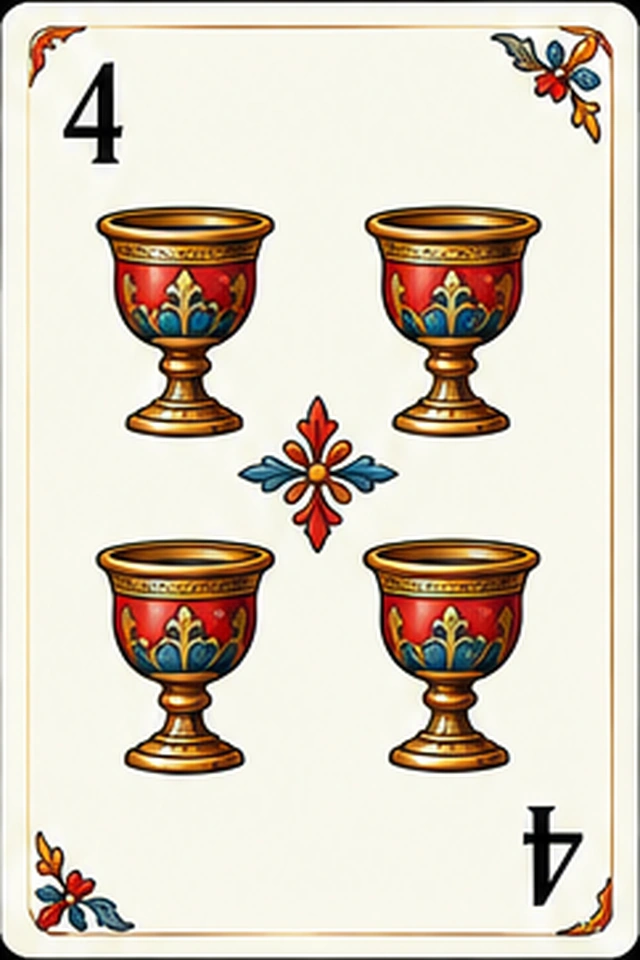
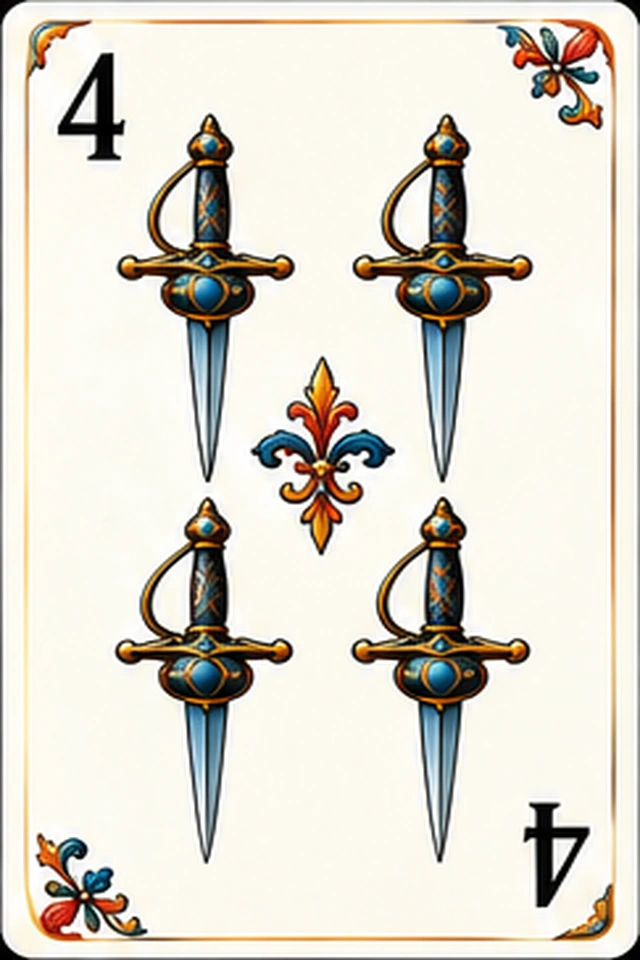
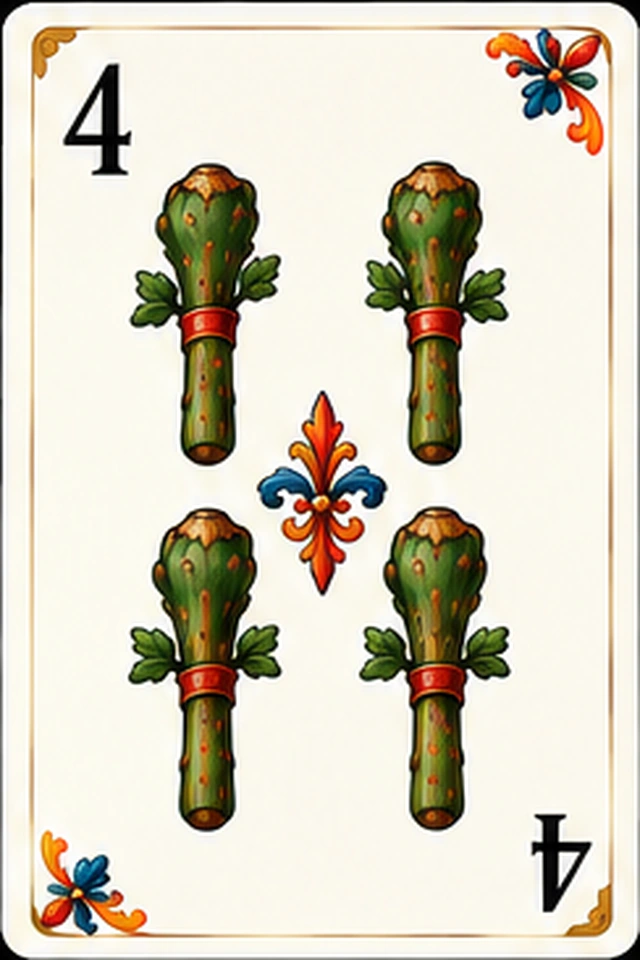
How many different hands can be dealt?
With 40 cards and 4 per player, there are 91,390 different hands. With more cards, that figure shoots up. Here’s a simple explanation.
Read the article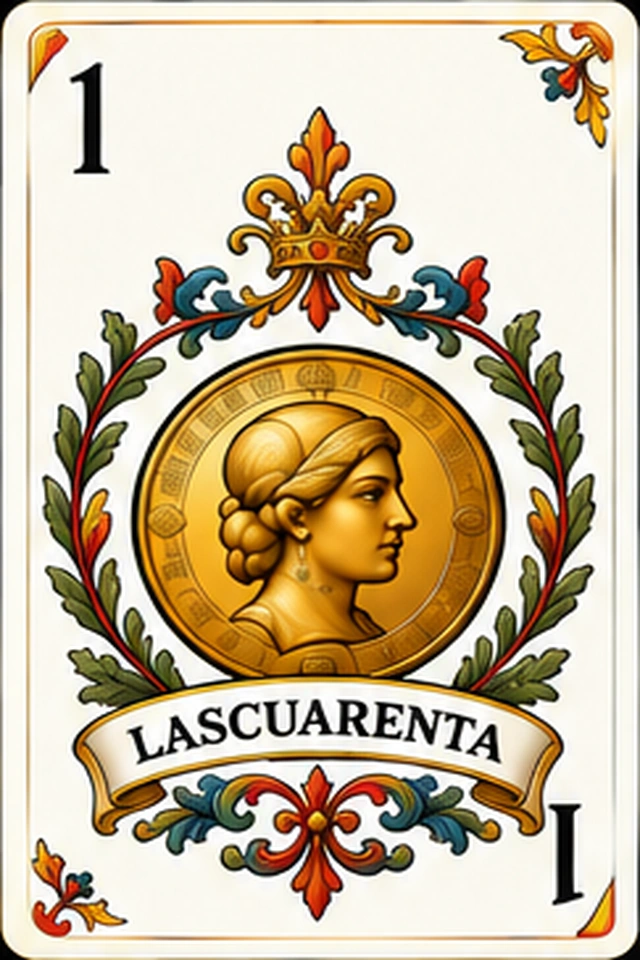
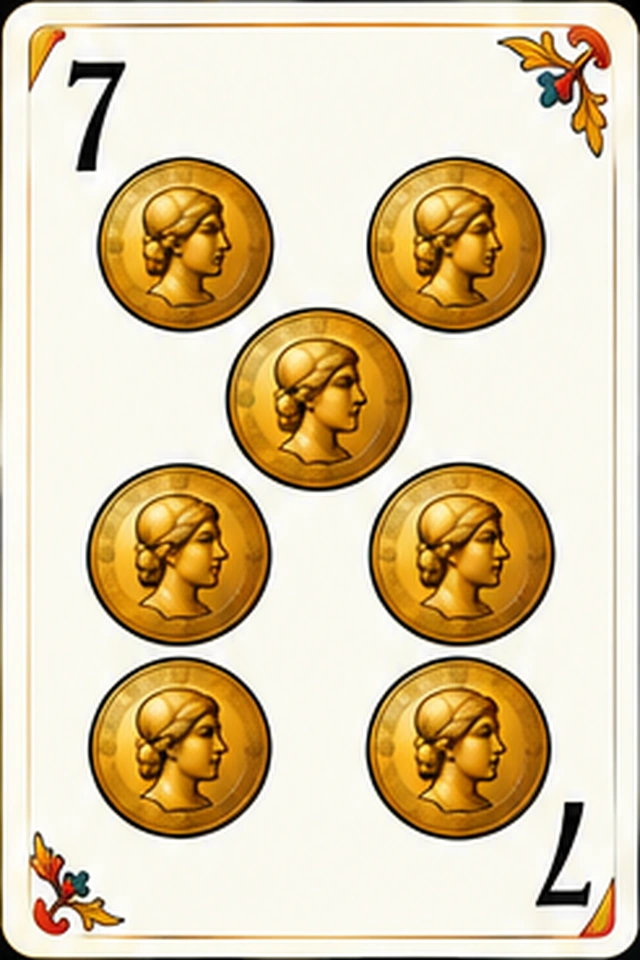
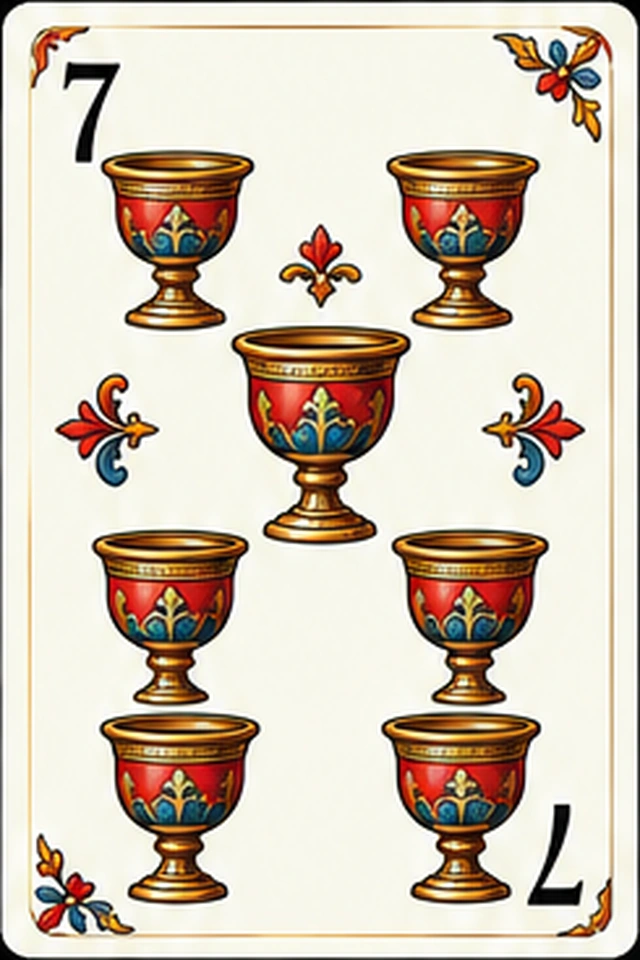
Culture ·
The card games of Rinconete y Cortadillo
From primera (primero) and quínolas (flushes) to carteta (turn-up betting) and treinta y una (thirty-one), explore the card games Cervantes knew during Spain’s Golden Age and how they were played.
Read the article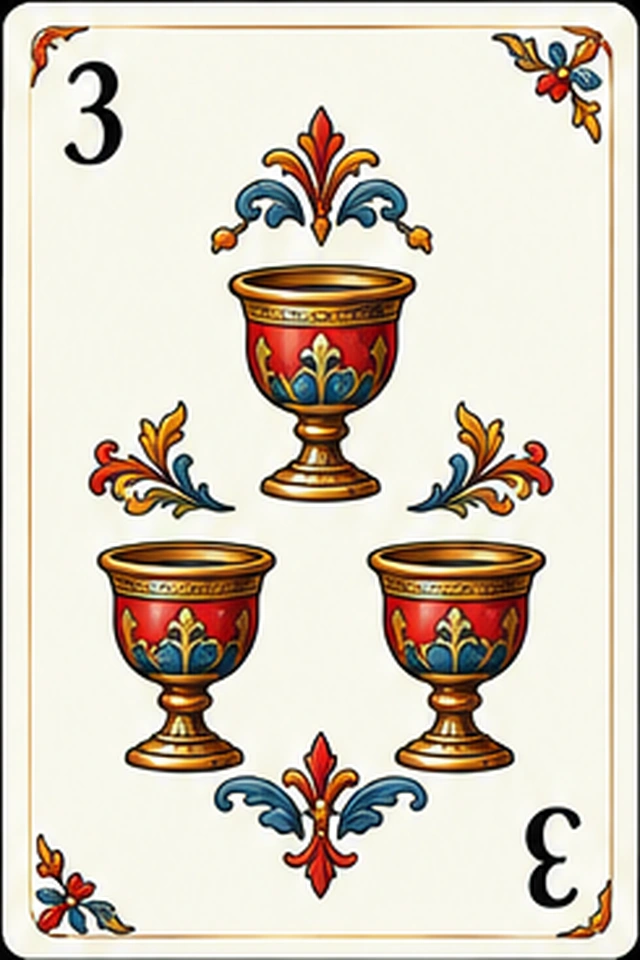
Culture ·
Traditional Games of the Balearic Islands
Mallorca and Menorca have their own versions of Truc (a bluffing card game), with an indicator card and dominant cards. Here’s a look at what people play on the islands.
Read the article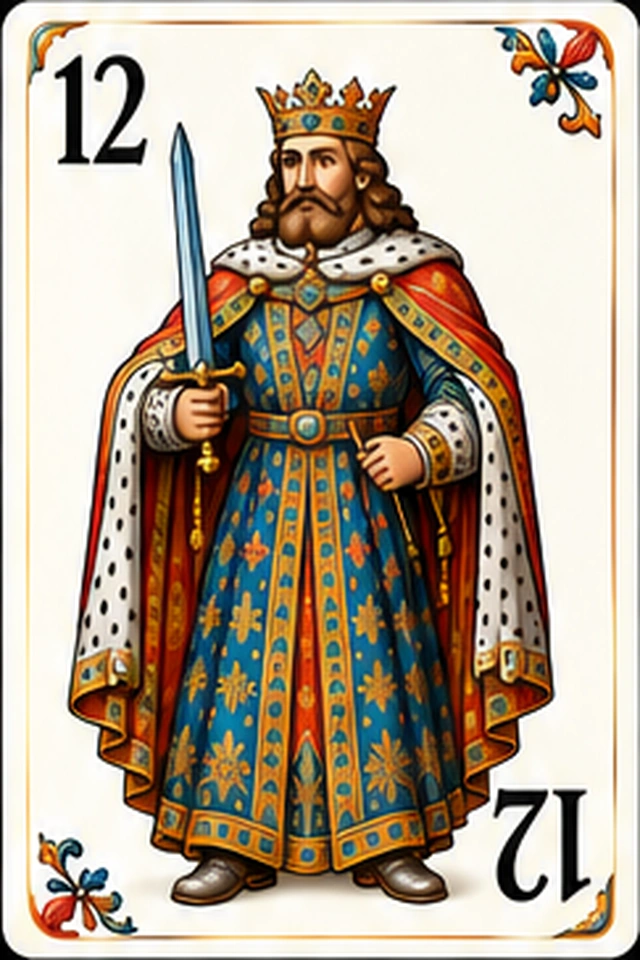
Probability and chance ·
The probability of getting 31 in Mus
31 is the best hand in the juego (game) round of Mus, the Spanish card game. How often will you be dealt it? Just over 9 times in every 100. Here’s how it works.
Read the articleRules and concepts ·
Escoba (Broom) and Scopa: the differences
Spanish Escoba (Broom) and Italian Scopa look so similar that many people think they are the same game. They are not: the key difference is how you capture cards. Here is what sets them apart.
Read the article
Culture ·
Traditional card games in Murcia
Subastao (auction Tute), Brisca (Spanish briscola), Tute (a Spanish trick-taking game) and Chinchón (Spanish gin rummy) are widely played in the Region of Murcia. Here’s a look at the area’s card games.
Read the article
Probability and chance ·
The probability of declaring twenty
How often can you declare twenty in Tute (a Spanish trick-taking game) or Guiñote (a Spanish trick-taking game)? We explain the numbers and share a tip to help you make the most of your chance.
Read the articleYou might also like the rules of each game and the illustrated decks.