

Probability and chance
Can a deck end up in the same order twice after shuffling?
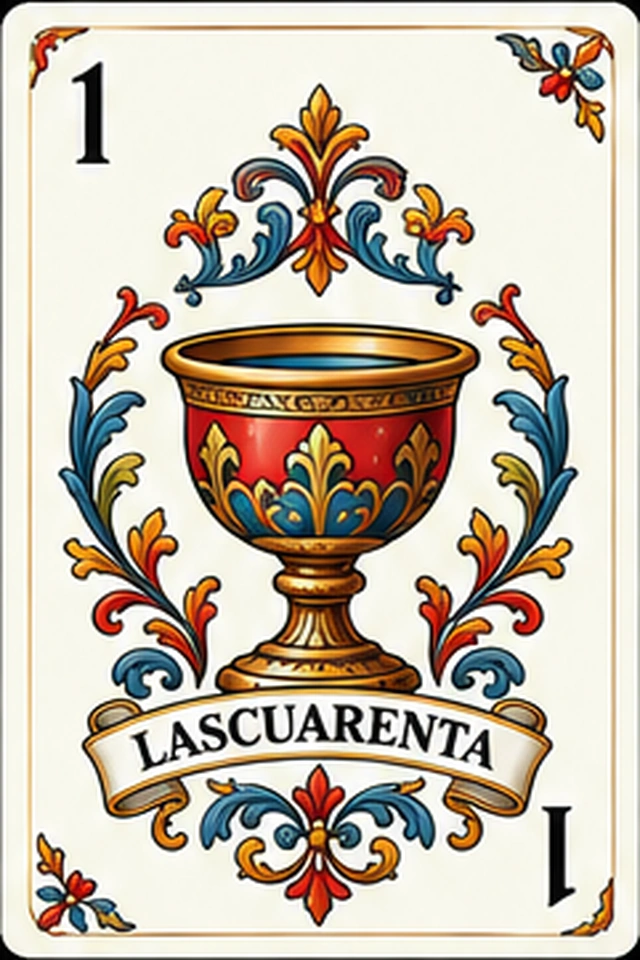

Yes, a deck can end up in the same order twice, although in practice it’s almost impossible if you shuffle thoroughly. The 40 cards can be arranged in around 8.16 × 10⁴⁷ different ways: a number starting with 8 and followed by another 47 digits. So, when you shuffle thoroughly, you almost certainly get an order that has never existed before and will never come up again.
Where does that number come from?
The first card can be any of the 40. The second can be any of the remaining 39. And so on, right down to the last card. Multiplying 40 × 39 × 38... × 1 gives that enormous number, which mathematicians call ‘40 factorial’. With a 48-card deck, it’s even bigger: around 1.24 × 10⁶¹ possible arrangements.
To put it into perspective
Even if everyone in the world had shuffled once a second since the beginning of the universe, we wouldn’t come anywhere close to trying every possible order.
The key: shuffle thoroughly
All of this only holds true if the deck is thoroughly mixed. If you don’t shuffle enough, traces of the previous order remain. We explain how much shuffling is needed in how many times you should shuffle and how to do it in how to shuffle properly. At Lascuarenta, the deal is handled by a system that shuffles randomly for each hand.
Frequently asked questions
How many different orders are possible with a 40-card deck?
Around 8.16 × 10⁴⁷, a number with 48 digits.
How many times should you shuffle to mix the cards thoroughly?
With a riffle shuffle, around seven shuffles are usually enough for a deck of this size.