

The project
About Lascuarenta.es (The Forty)
A Spanish site devoted to classic Spanish-deck card games, made so they don't get lost, not to turn them into a casino.
Why this site exists
Lascuarenta.es (The Forty) was born from a scene you see less and less: four people around a table, a Spanish deck worn at the edges, and an argument about whether you had to follow suit on that trick. These games were learned by watching, over a long lunch or at the bar, and risk being lost with the generation that kept them alive.
The idea was to bring them to the screen without turning them into something else. No flashing chips, roulette wheels or deposit bonuses. The same forty cards as always, the same rules as always, and the variants explained clearly so everyone can play the way they do back home.
The name comes from the best-known scoring call. Cantar las cuarenta — announcing king and knight in Tute, or king and jack in Guiñote — is one of the great moments of a hand. We couldn't think of a better way to sum up the project.
Who's behind it
Behind the project is Adrián Muñoz (Lascuarenta.es (The Forty)), based in Spain. There's no studio, no office and no rota of support staff. There's one person who codes, writes the rules and answers the messages that arrive at hola@lascuarenta.es.
I work full time doing something else and build this site in my spare time, as a hobby. I started for a very simple reason: I missed playing Cuatrola with people from my village. Everything else came afterwards.
Being a small project has both advantages and limits. If someone writes in to say Chinchón is closed differently in their village, that variant can end up on the site a few days later. In exchange, I can't always reply as fast as I'd like, and fixes are handled by severity, not by order of arrival.
The decks on the site
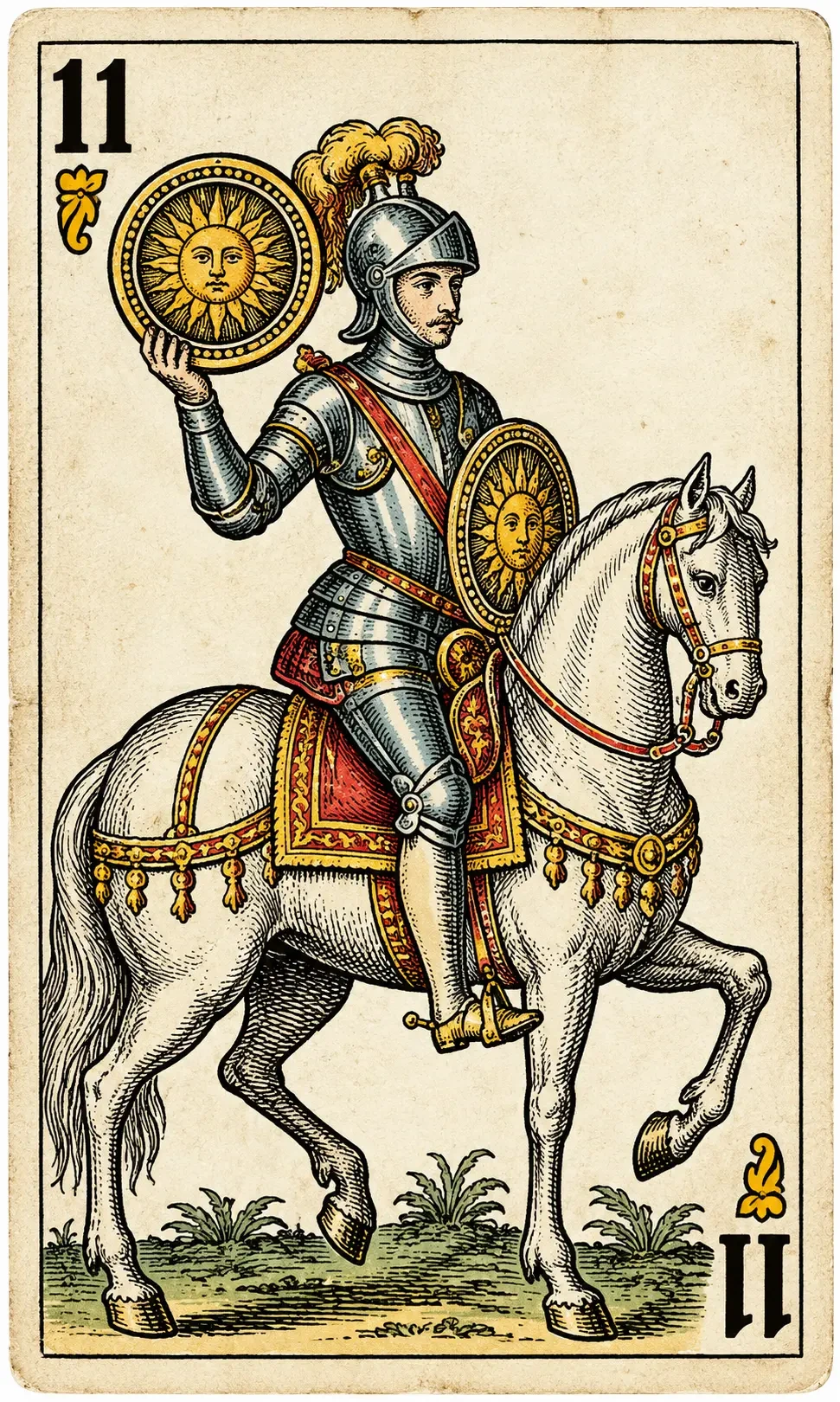
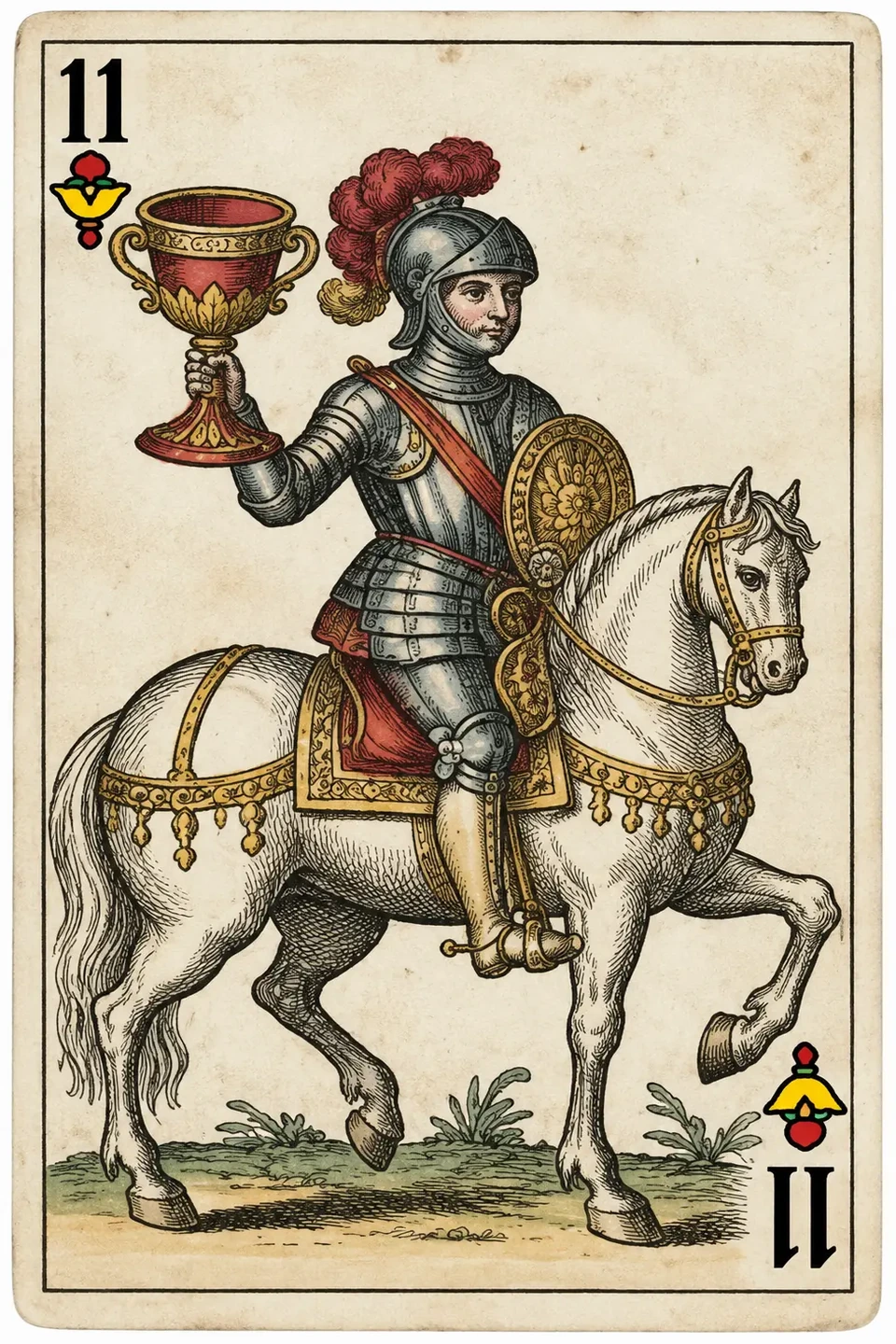
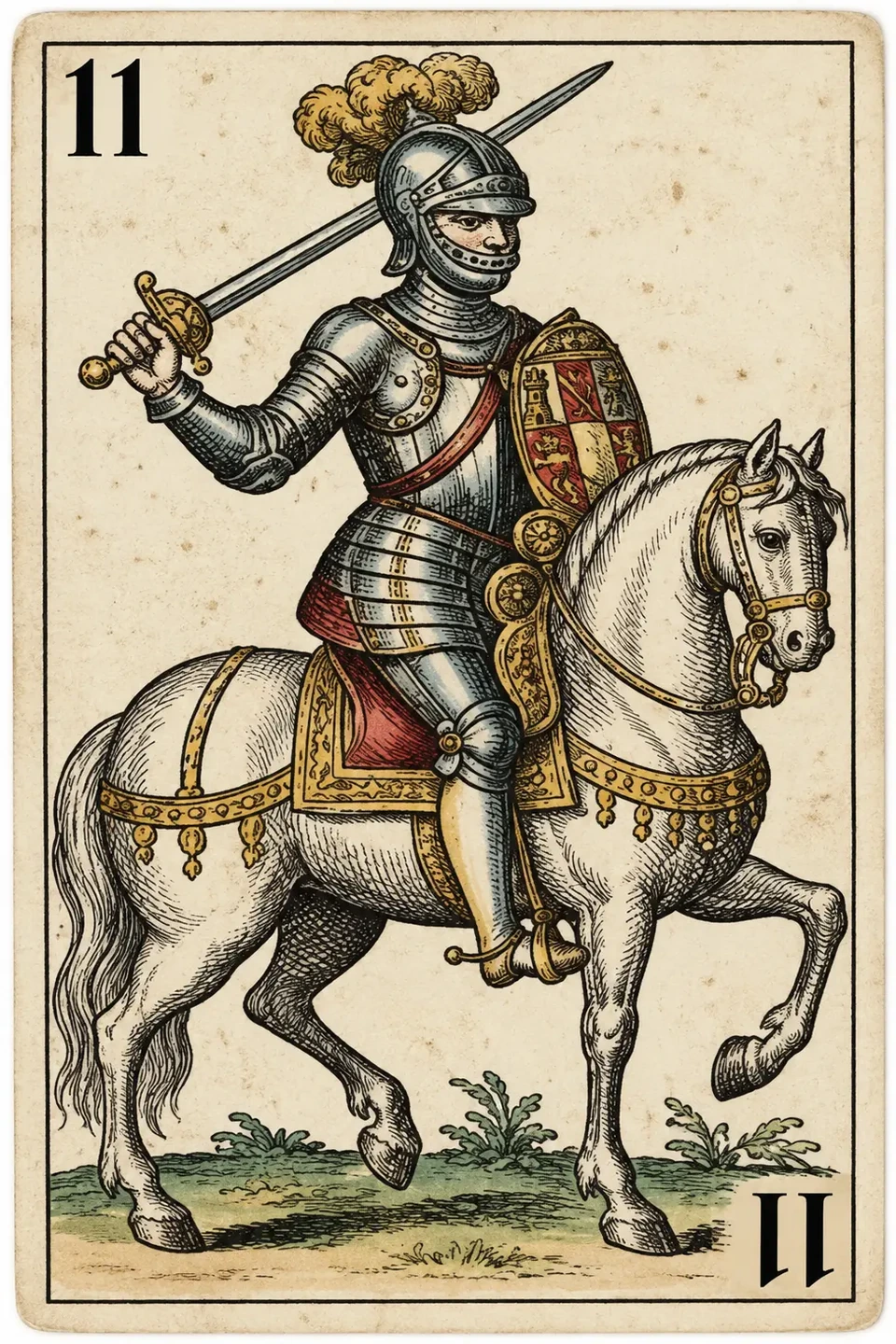
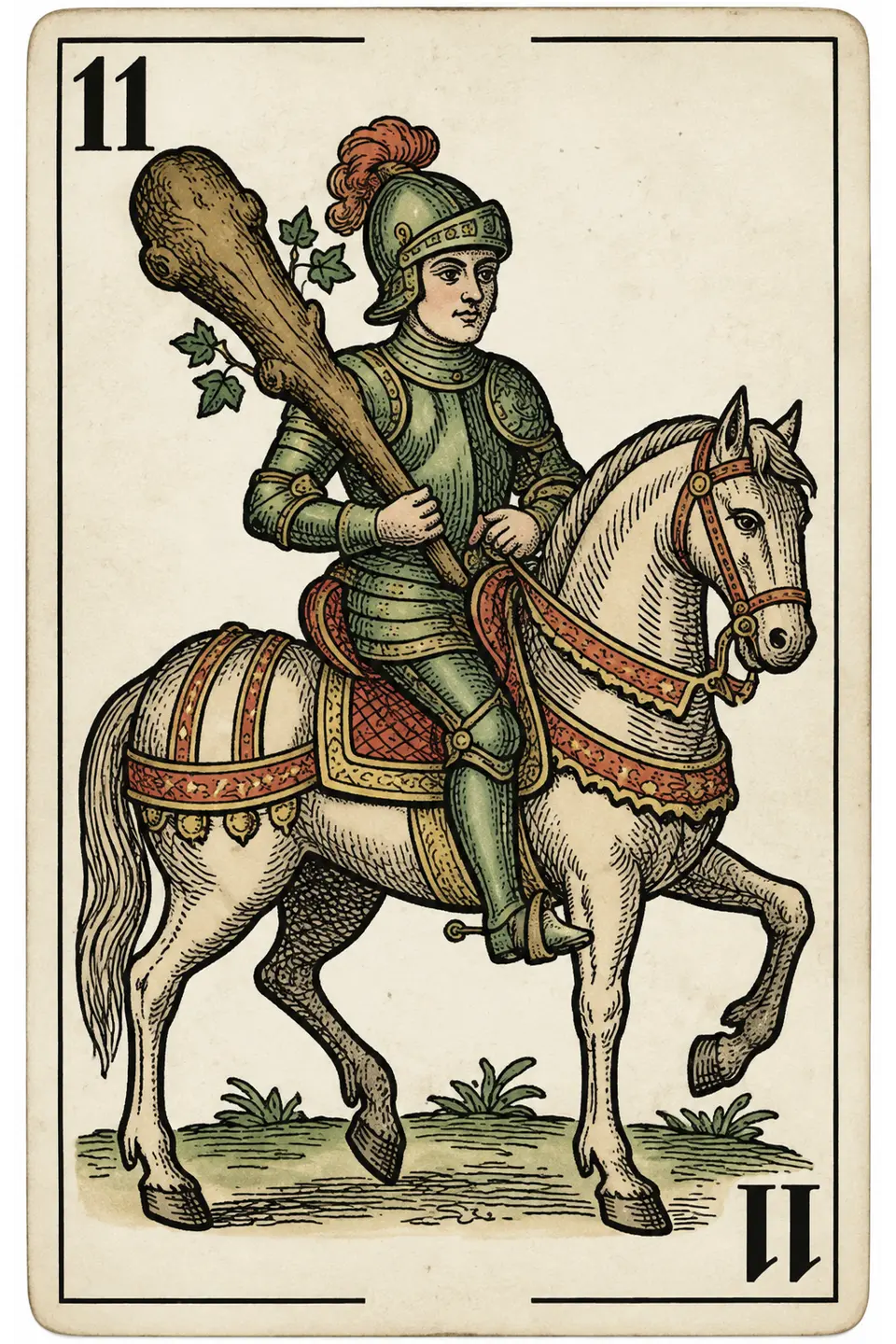
There are several decks to choose from. The Antigua deck imitates the aged plates of early-twentieth-century Spanish decks, with their muted inks and stained paper; the Simple deck aims for maximum legibility on small phones; and then there are fantasy, western, galactic and Halloween decks for anyone who wants a different feel.
They all follow the same rule: however striking a card is, it has to be understood at a glance. Suit and value come before any decoration; a card that's hard to read spoils the game.
Each design has its own page in the decks section, with all 48 zoomable cards. They're unlocked with Sotas or as a reward from story mode.
How the project is funded
All the games are free and complete. There are no paid games, no better cards for people who buy things, and no daily limits. Server, domain and development costs are covered in two ways: advertising and the sale of decorative items.
Adverts only show if you accept advertising cookies, and never over the table felt or over the cards on mobile or tablet. Anyone who'd rather not see them can activate the ad-free plan with Sotas.
Decorative items (decks, card backs, table felts, frames and sound themes) are bought with Sotas and don't affect gameplay: nobody wins a game by having the prettiest deck.
What we're not
Lascuarenta.es (The Forty) is not a casino and doesn't want to look like one. No money is wagered here, there are no cash prizes, and Sotas can't be converted into euros or transferred between players. They're never lost by losing a game either: they only go down if you spend them on something.
It's a matter of principle, but also of style: no slot-machine lights or aggressive countdowns. We'd rather the site felt like a quiet tavern than a gaming hall.
The project's timeline
Lascuarenta.es (The Forty) is built in whatever free time my job leaves, and that sets the pace. Updates go out when they're finished, not on a promised date. Tweaking a rule might take two days; preparing a new game can take weeks or months, because it needs its own rules, tutorials, tables and testing.
What doesn't change is the order of priorities. First, anything that stops someone from playing: a table that won't open, a game that cuts out, an accounting error. Next, whatever affects many players even if nobody reports it, like a detail of a deck that's hard to read on small screens. Last, what's new: another game, another deck, another chapter of story mode.
News is announced on the blog, and small changes are noted within the site itself. There's no secret roadmap: if something's on the way, you can ask and we'll tell you where it stands.
Why it's free and how prices are decided
Anyone can come in and play as many games as they like without paying. These games were always free at the tables where they grew up, and charging to sit down would go against that idea. Anyone who wants to can spend Sotas on decorative items: illustrated decks, card backs, table felts, frames and sounds.
Sotas are earned by playing and arrive as an occasional gift, with the same odds for everyone. They also activate the ad-free plan, by the week, month or year, at prices designed so that going ad-free costs less than a coffee. Prices are adjusted from admin whenever needed, without changing anything about the game itself.
What will never have a price tag is an advantage: no better cards, no games with better odds, no paid tournaments. If the project ever needs another source of income, it will be found away from the table, not on it.
What we're working on
The plan is to keep expanding the catalogue of traditional games, finish the chapter-based story mode, improve tournaments and refine the mobile experience, which is where most people play.
If you miss a game, a regional variant or a different way of scoring, write to us: a good part of what's on the site came from an email from someone explaining how it's played at home.