

Probability and chance
How many different hands can be dealt?
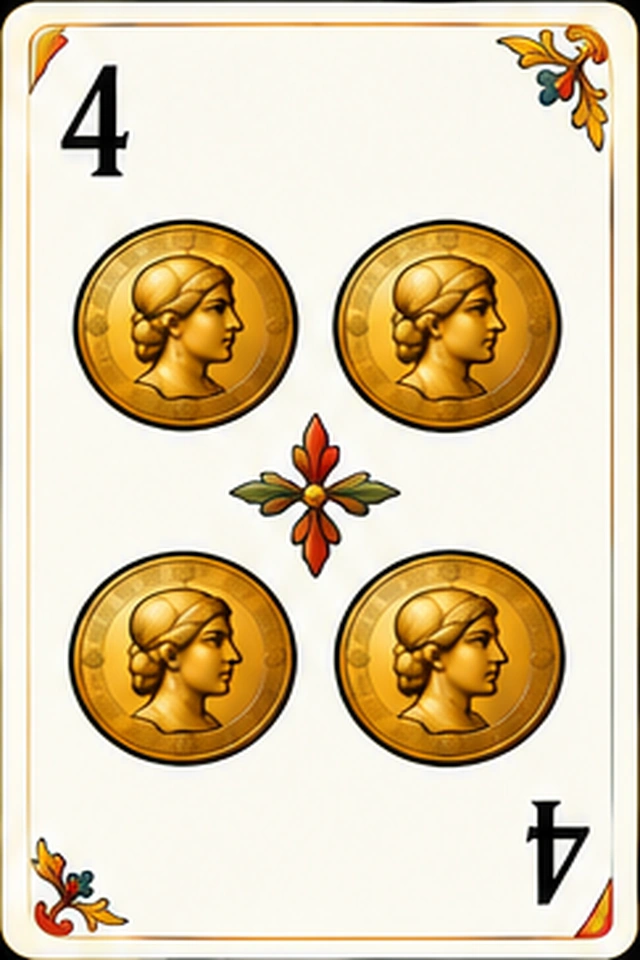
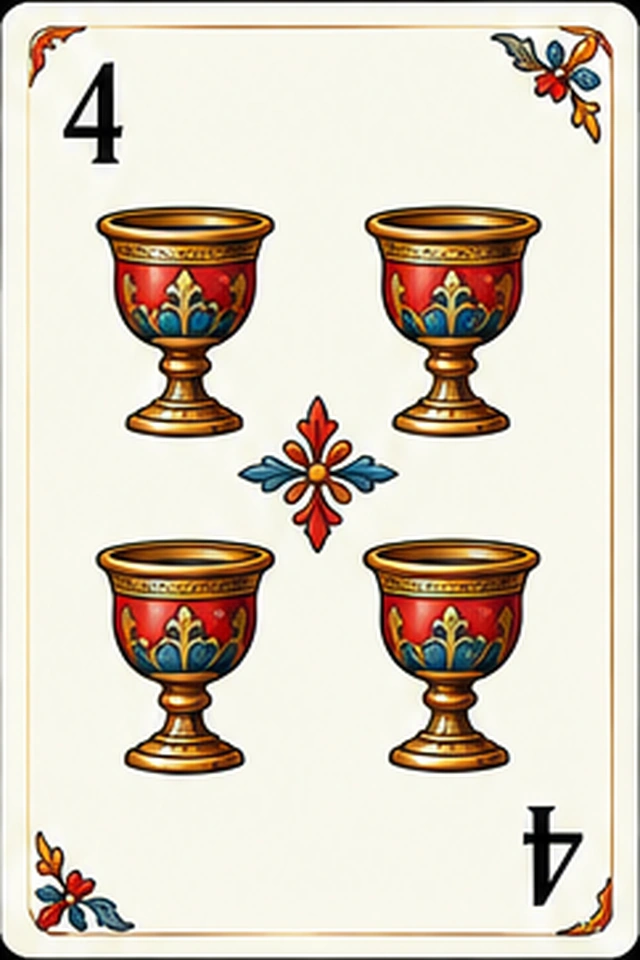
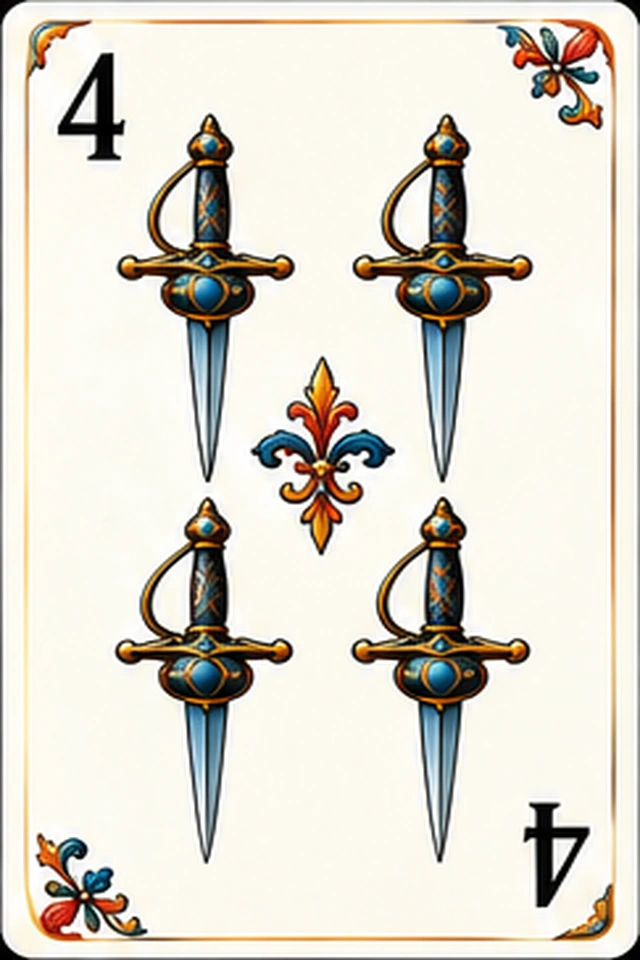
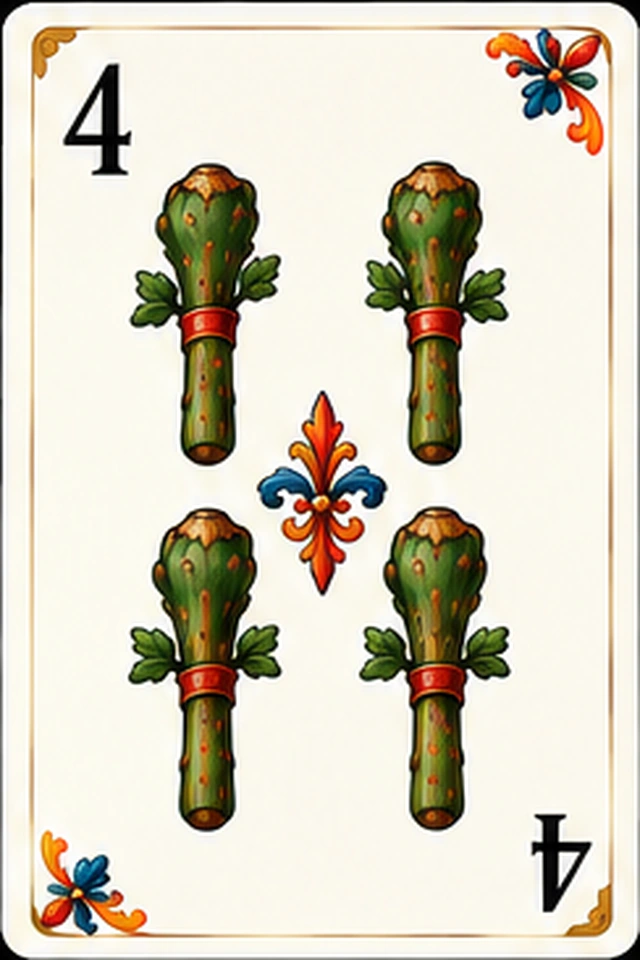
A 40-card Spanish deck can produce 91,390 different 4-card hands, as in Mus (mus), and 9,880 3-card hands, as in Brisca (brisca). If you deal 6 cards, as in Guiñote (guinote), there are more than 3.8 million possible hands; with 10, as in four-player Tute (tute), the figure exceeds 847 million.
How to work it out
We use what are called ‘combinations’: the number of ways to choose a group of cards without taking their order into account. For 4 cards out of 40, multiply 40 × 39 × 38 × 37 and divide by 4 × 3 × 2 × 1. The result is 91,390.
Why doesn’t the order matter?
Because when you look at your hand, it doesn’t matter which card arrived first. Having the ace and the king is the same as having the king and the ace.
At a glance
- 3 cards: 9,880
- 4 cards: 91,390
- 5 cards: 658,008
- 6 cards: 3,838,380
- 10 cards: 847,660,528
A number to impress your friends
If you played one hand of Mus every minute, without stopping, it would take you more than two months to see every possible hand. And that assumes none were repeated, which wouldn’t happen. You’ll find more numbers like these in how many combinations a deck of cards has.
Frequently asked questions
How many 4-card hands are possible with a Spanish deck?
91,390 with a 40-card deck.
Does the order of the cards in a hand matter?
No: in these calculations, a hand is a set of cards, regardless of the order in which they arrive.