

Curiosities
How many combinations are there in a deck of cards?
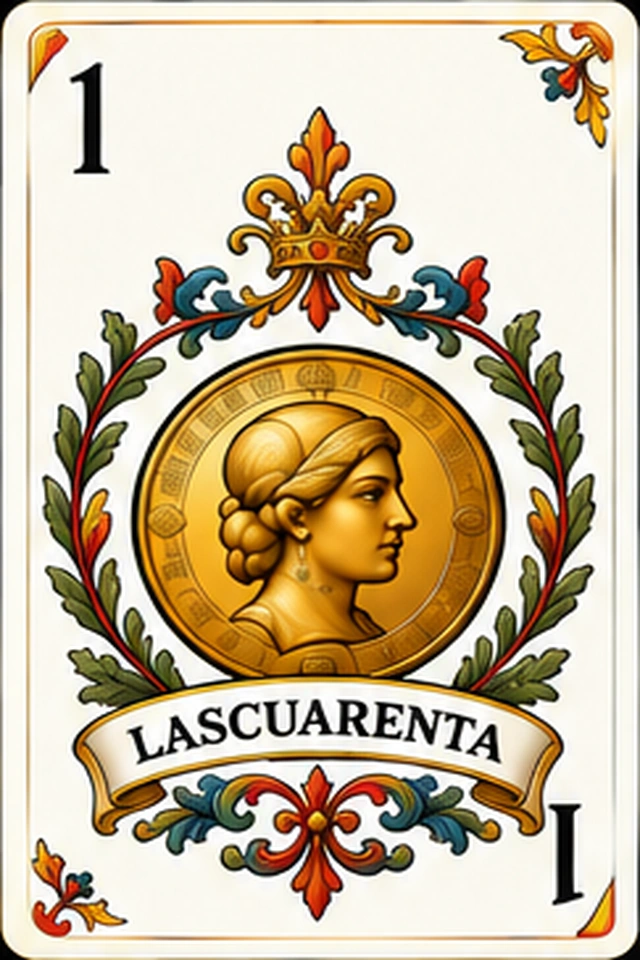
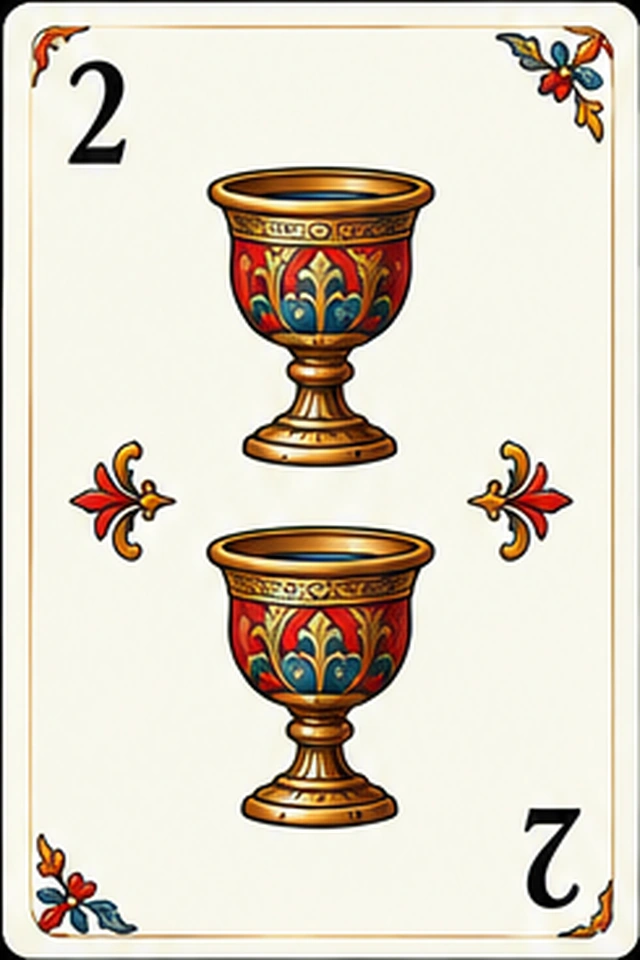
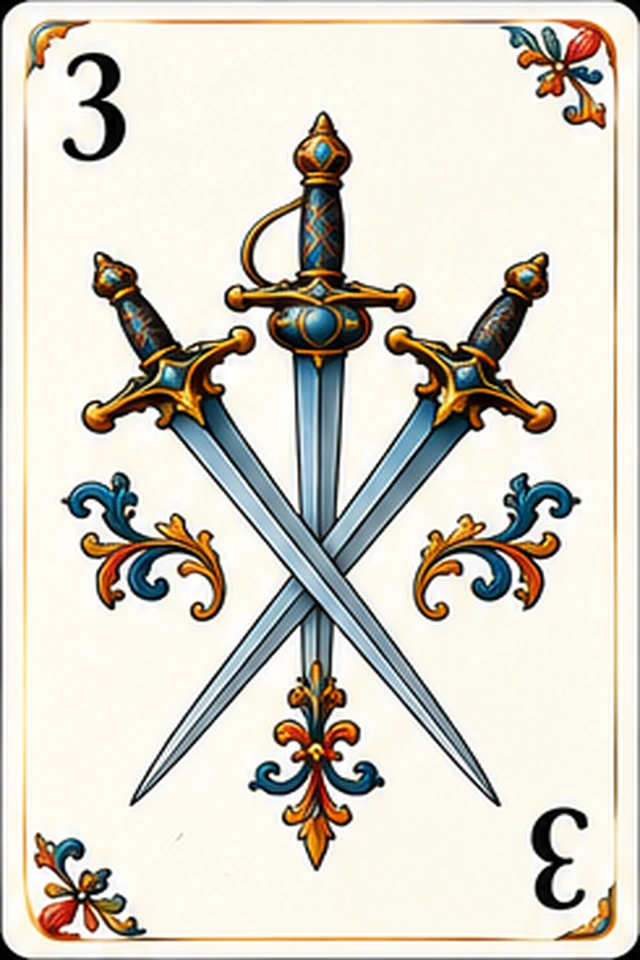
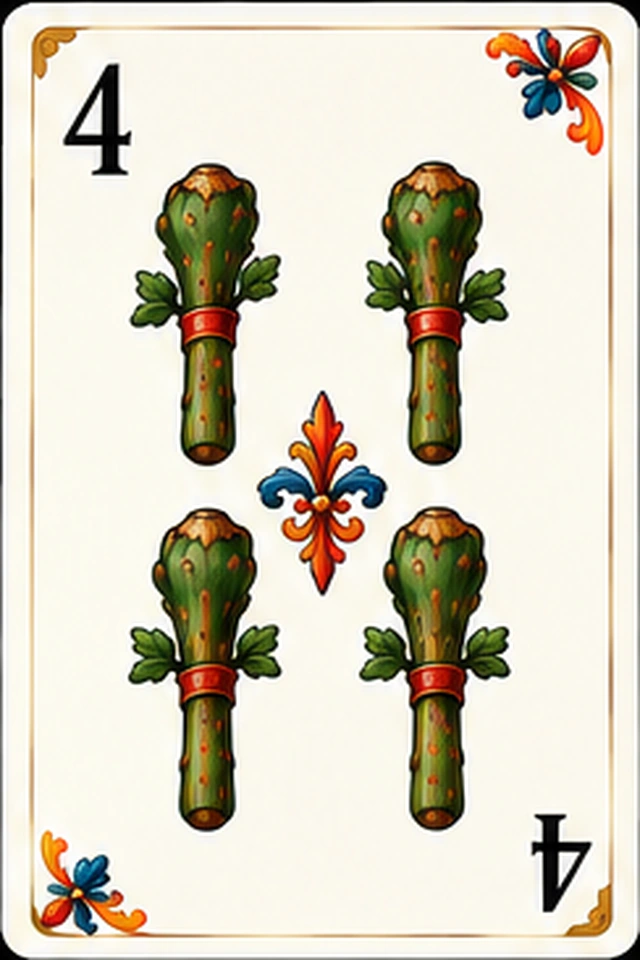
A full deck of 40 cards can be arranged in 40! (40 factorial) different orders, or about 8.16 × 10⁴⁷; a 48-card deck has about 1.24 × 10⁶¹ possible orders. These numbers are so enormous that, with a thorough shuffle, you’re almost certain to get an order that has never existed before.
Where the number comes from
The first card can be any of the 40. The second can be any of the remaining 39. The third, any of the remaining 38… and so on until the last card. Multiplying 40 × 39 × 38 × … × 1 gives you 40 factorial. This is a basic calculation in combinatorics, the branch of mathematics that studies how many ways things can be arranged.
Just how big is that?
To put it into perspective, the universe is estimated to be about 13.8 billion years old, which is fewer than 10¹⁸ seconds. Even if everyone on the planet had shuffled a deck once a second since the Big Bang, they would have worked through only a ridiculously tiny fraction of the possible arrangements.
What about hands?
The number of different hands you can be dealt is another matter. If you’re dealt 7 cards from a deck of 40, as in Chinchón (Spanish rummy), there are 18,643,560 possible hands. Far fewer than the number of orders for the full deck, but enough to keep boredom at bay.
Why a good shuffle matters
All of this only holds true if the deck is properly shuffled. If you’d like to know how many times you should shuffle, take a look at how to shuffle cards properly.
Frequently asked questions
How many possible orders does a Spanish deck have?
A 40-card deck has about 8.16 × 10⁴⁷; a 48-card deck has about 1.24 × 10⁶¹.
Can a shuffle produce the same order twice?
In theory, yes, but it’s so unlikely that, in practice, every thorough shuffle produces a unique order.