

Curiosities
Why do playing cards have rounded corners?
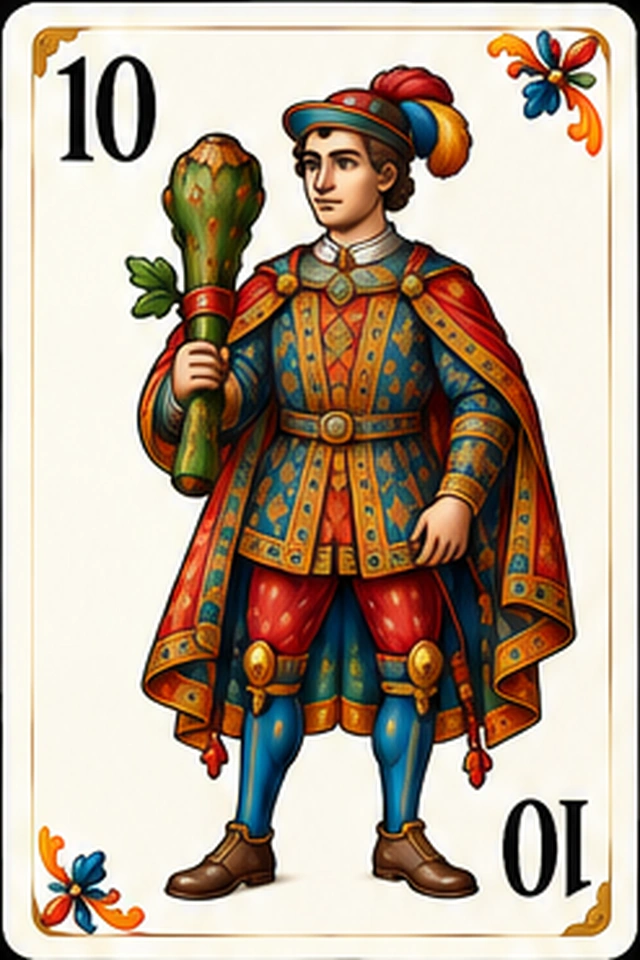
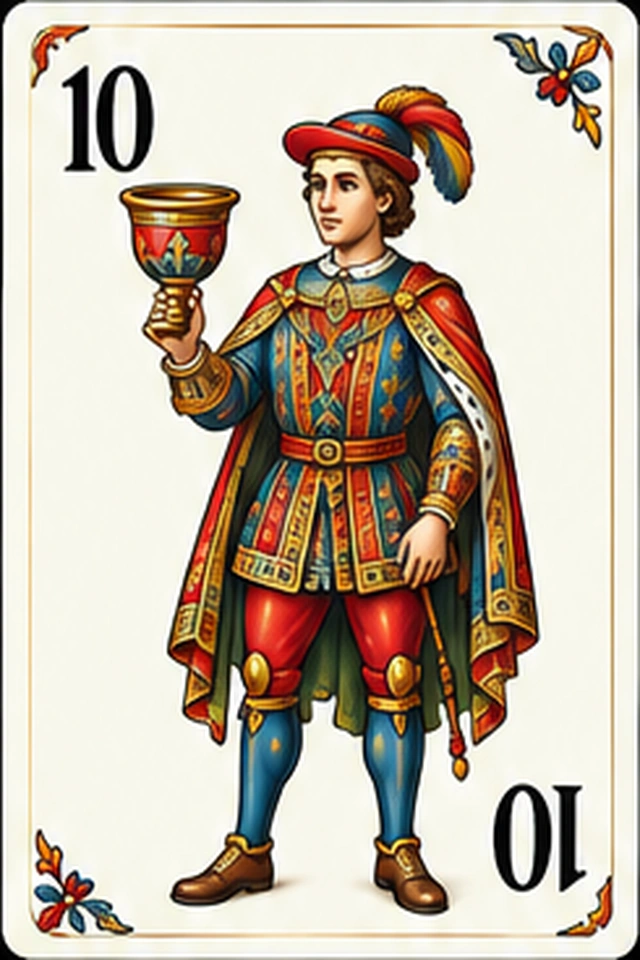
Playing cards have rounded corners because sharp ones bend, fray and pick up recognisable marks easily. Rounding the corners helps a deck last longer, makes shuffling easier and makes cards harder to mark. The design became standard with industrial manufacturing in the 19th century.
Ancient decks were square
For centuries, cards were cut by hand using scissors or blades, resulting in straight edges. With use, those points would split into layers and bend. A card with a bent corner is a recognisable card, and in a game, that is a serious problem.
The 19th-century shift
With the introduction of cutting and die-punching machines, rounding corners became easy and inexpensive. Manufacturers saw that this made the decks last longer, and players appreciated the change. Within a few decades, square corners became a thing of the past, found only in museums.
Three advantages in one
- They last longer: there is no point to fray or split.
- They shuffle better: the cards slide against each other without catching.
- They are harder to mark: a bent corner gives the card away.
On the screen too
In our digital decks, we keep the rounded corners out of visual habit: a square card looks strange today. You can see them in the barajas [decks] section. If you enjoy this kind of detail, you should also read how the first cards were manufactured in Spain.
Frequently asked questions
Do all decks have rounded corners?
Almost all modern decks do. Some collectors' editions imitate old styles with square corners.