

Curiosities
Why is the As worth more than the Rey in many games?
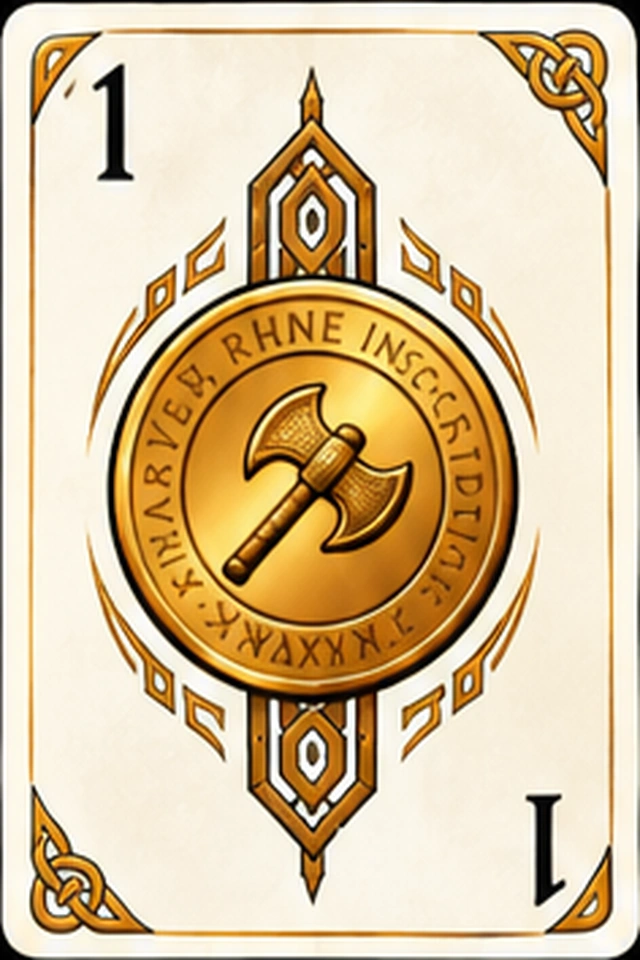
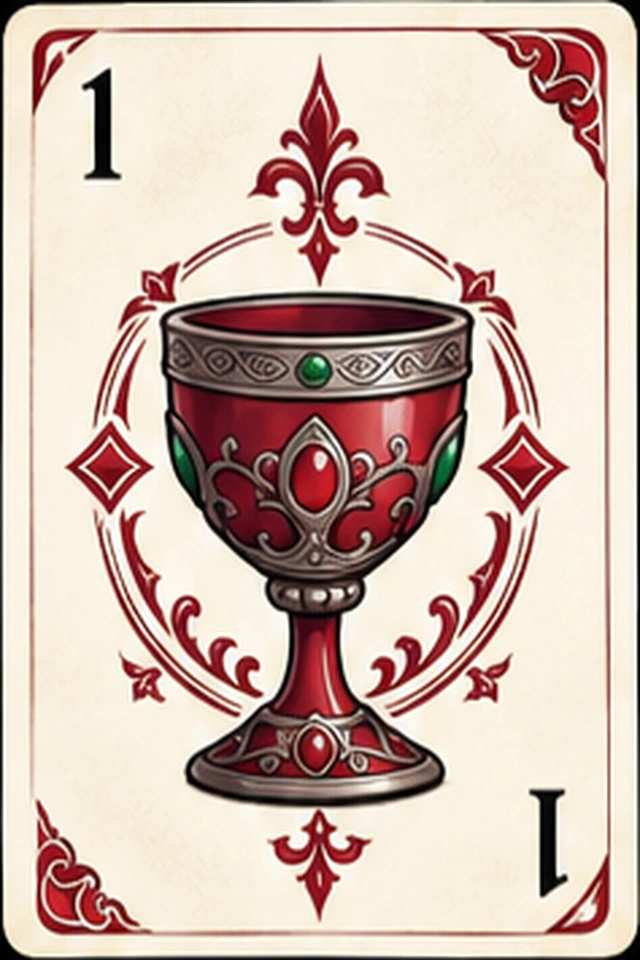
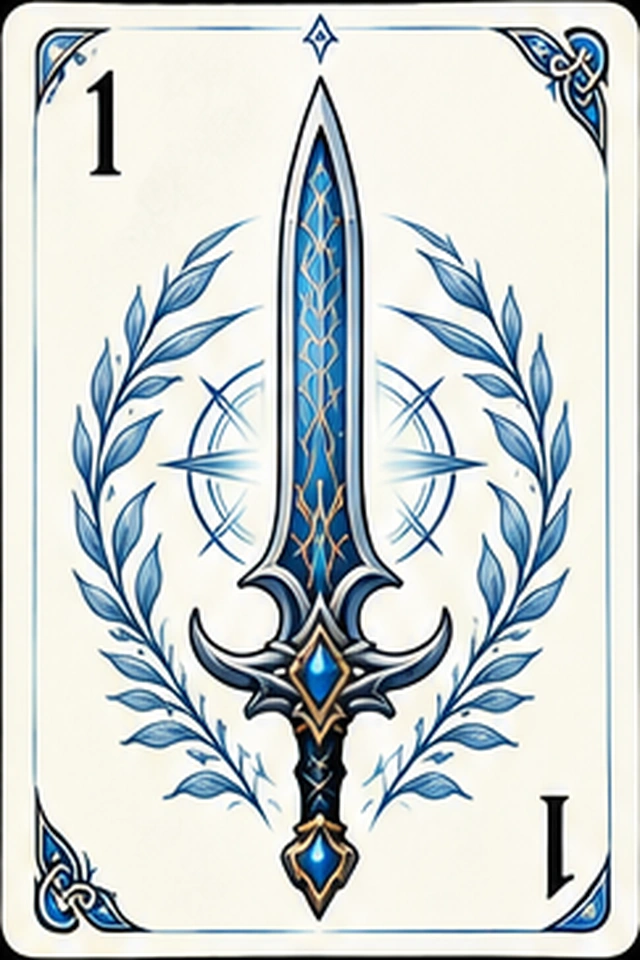
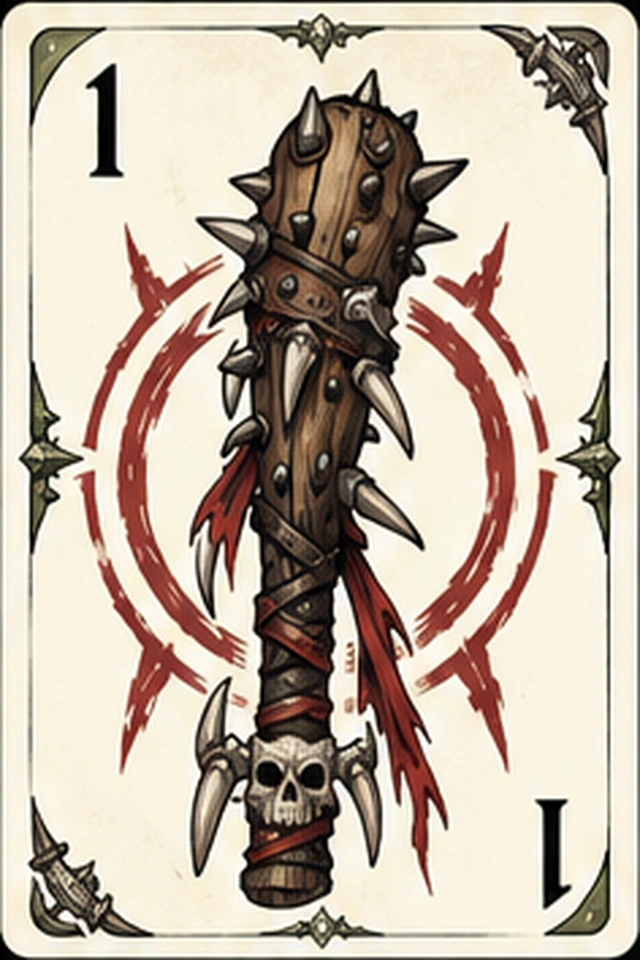
One of the great paradoxes of the deck
In games such as poker, Brisca and Tute, a card representing just one can be worth more than the Rey (King). That contrast can seem surprising to a newcomer: the number on a card does not necessarily determine its strength in a game.
The doubt makes perfect sense. After all, the Rey symbolises the maximum authority of a monarchy, while the As [Ace] is, in origin, nothing more than a simple unit. However, in most modern games, the As is the most powerful card in the deck.
The curious thing is that it wasn't always this way.
Originally, the As was the lowest card
The word "As" comes from the Latin as, the name of an ancient Roman coin that represented a unit. Its meaning was linked to the idea of "one" — that is, the smallest possible value.
For this reason, in the earliest decks, the As naturally occupied the lowest position in each suit. In fact, in many old European decks, it wasn't even identified with a letter, but simply with the number 1.
For centuries, the logical order was what anyone would expect: the Rey was above all other cards.
When did everything change?
Card game historians believe that the rise of the As occurred gradually between the 15th and 17th centuries. There is no exact moment when someone decided that the As should beat the Rey.
What we do know is that some games began to give it a special value. Little by little, the custom spread and ended up becoming an accepted rule in numerous variants.
One of the first documented games in which the As appeared as the highest card was the Italian Trappola, several centuries before modern games like poker were born.
The French Revolution theory
There is a very popular explanation claiming that the As moved above the Rey following the French Revolution of 1789.
According to this theory, placing the card that represented the people (the one) above the monarch symbolised the fall of royal power and the rise of common citizens.
The story is attractive and frequently repeated, but it has a problem: the As was already the highest card in several games long before the French Revolution.
Therefore, specialists consider that this explanation may have helped reinforce a trend that already existed, but was unlikely to be its origin.
The most likely explanation
Many researchers believe the reason is much more practical than political.
Trick-taking games needed a clearly dominant card. The As was ideal because it was very easy to identify: it showed a single large symbol in the centre of the card and stood out visually from the rest.
Once several important games adopted this hierarchy, others ended up copying it. Over the centuries, the custom eventually prevailed in much of the world.
Does it happen in all games?
No. In fact, one of the most interesting aspects of cards is that the value of the As depends entirely on the rules.
In poker, it is usually the highest card, although it can also act as the lowest to form an A-2-3-4-5 straight.
In blackjack, it has special behaviour and can be worth 1 or 11 points.
In Spanish games like Brisca, Tute or Guiñote (a popular regional trick-taking game), it is the most valuable card of the suit and far surpasses the Rey.
However, there are traditional European games where the As still occupies low positions or retains part of its original function.
A humble card that ended up on the throne
The history of the As is one of the most striking curiosities in the world of playing cards. It was born representing unity, the smallest possible figure, and for centuries it was a modest card.
But the evolution of games ended up making it the most powerful piece in many decks. Today, at poker tables, Tute matches or in casino games, the As continues to prove that in cards, appearances are deceptive: sometimes the number one can be more important than a Rey.