

Curiosities
Marked cards: historical cheating tricks
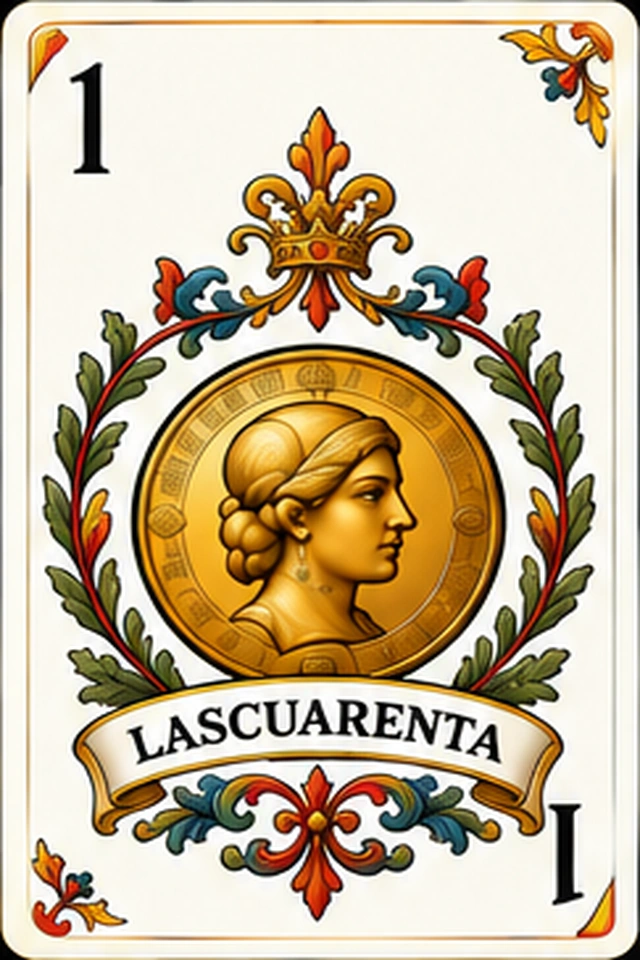
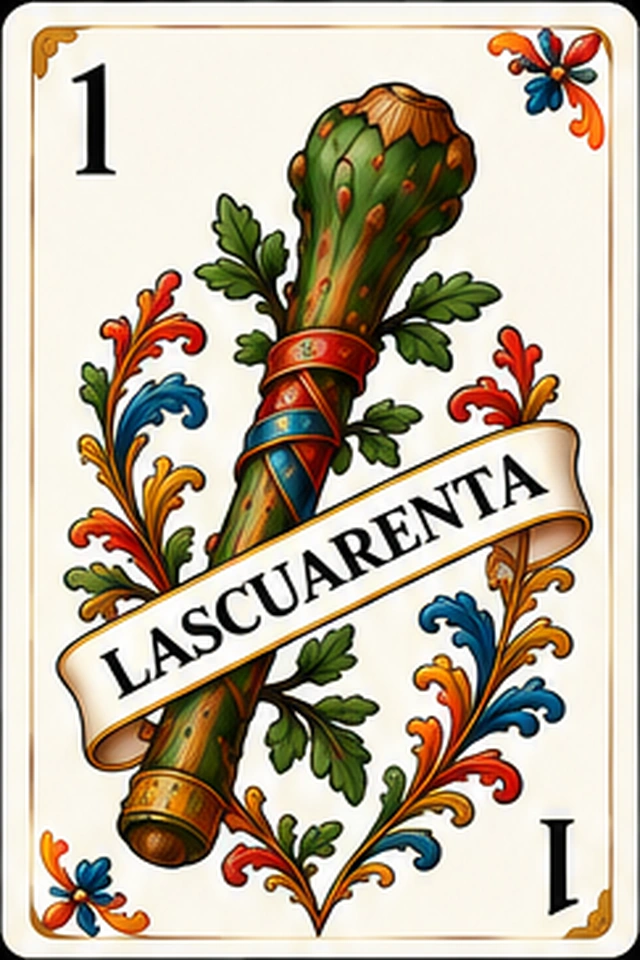
Marking cards is a dishonest practice as old as card games themselves. Historical techniques used in Spain included the garabato (tiny fold), the uñeta (fingernail mark) and the espejuelo (little mirror). These methods allowed cheats to identify cards through folds, fingernail marks or reflective varnishes, and are documented in literature and court records from the 16th and 17th centuries.
The classic techniques
- The garabato: an almost invisible fold in important cards.
- The uñeta: a small fingernail mark on the edge or back of a card.
- The espejuelo: a varnish that caught the light differently, or a reflection used to see an opponent’s cards.
- Prepared packs: swapping a fair pack for a rigged one with the help of the house owner.
How players protected themselves
By asking for a fresh pack, always cutting the cards before the deal and being wary of anyone who insisted on playing with their own pack. That is also why customs such as dealing one card at a time exist.
Today
Modern packs have symmetrical patterns on their backs that make marking them harder. And online, at Lascuarenta, the server deals the cards and nobody can see your hand. If this topic interests you, take a look at loaded dice and the card sharps of Spain’s Golden Age too.
Frequently asked questions
What was the ‘espejuelo’?
A trick that used varnish or a small reflection to see an opponent’s cards.
Can people cheat in an online game?
At Lascuarenta, the server deals the cards and nobody can see anyone else’s hand.