

Spanish history and leisure
Card Sharps in Spain’s Golden Age
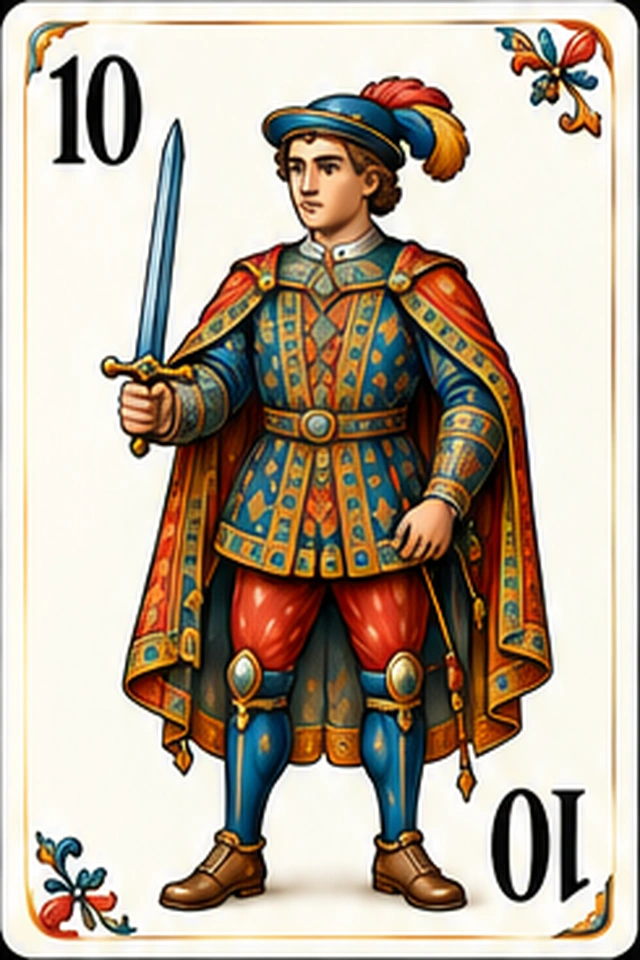
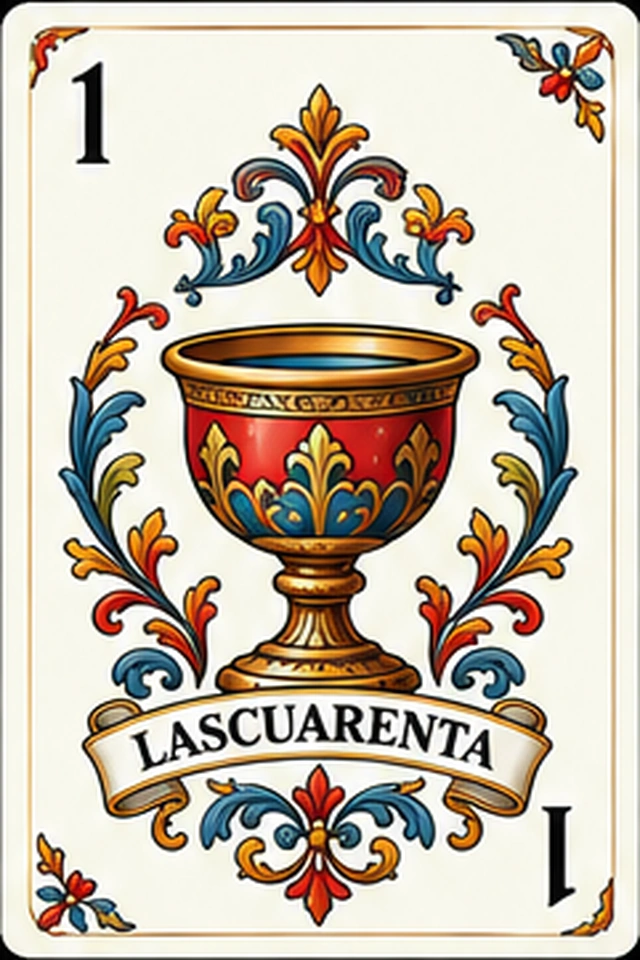
In 16th- and 17th-century Spain, card sharps made their living in gambling houses through skill and, often, cheating. They had their own vocabulary and techniques, and were portrayed in the works of Cervantes, Quevedo and Mateo Alemán.
A world with its own rules
They frequented gambling houses, inns and roadside taverns. Some worked in teams: one played, another distracted people and a third peeked at their opponent’s cards. They were known as cheats, gambling-house keepers, sleight-of-hand tricksters... Each term had its own shade of meaning.
Their tricks
Slightly bending the corners of good cards, marking them with a fingernail, using varnishes that caught the light or swapping the pack for a prepared one. We explore these tricks in marked cards: historical cheating methods.
In literature
Cervantes portrayed them with great wit in Rinconete y Cortadillo, where two lads boast about their card-playing skills. We take a look in the card games that appear in Cervantes’s works. For a broader picture of the period, see leisure in Spain’s Golden Age.
Frequently asked questions
What is a card sharp?
Someone highly skilled at card games who often resorts to cheating.
What is a professional card cheat?
Someone who cheats at gambling for a living. The term was widely used in Spain’s Golden Age.