

Spanish history and leisure
Leisure in the Golden Age: Cards, Theatre, and Bullfighting
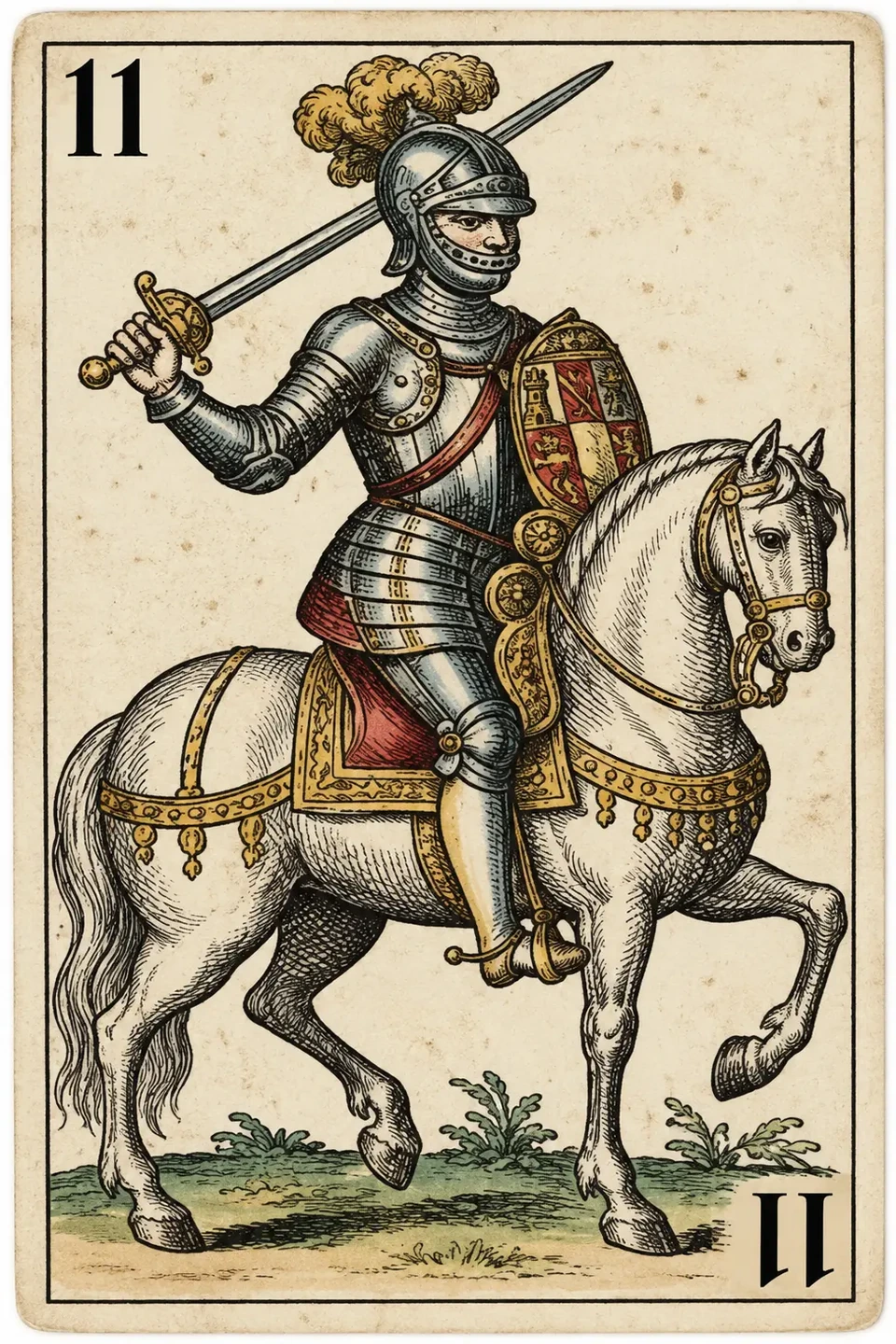
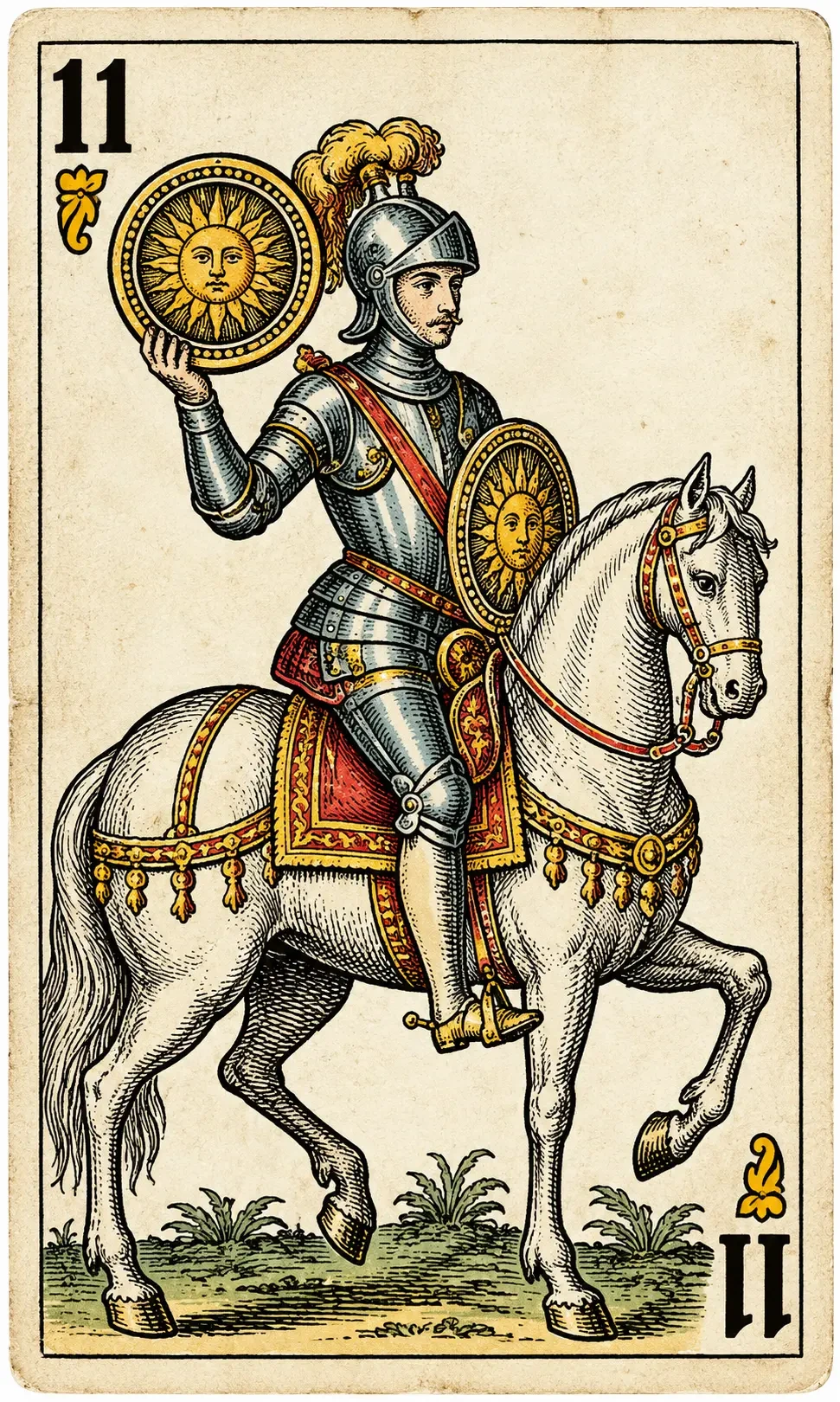
Cards were the leading pastime in Spain during the 16th and 17th centuries, alongside religious festivals, bullfighting and theatre in the corrales de comedias (open-air courtyards). Hombre and other card games were played everywhere, from the royal court to the local tavern.
Playing cards everywhere
The deck of cards was the most widespread form of entertainment. There were gambling dens, gaming houses and matches played in inns. Literature reflects this: Cervantes mentions cards in several works, and in Rinconete y Cortadillo, the protagonists are rogue cheats who make a living with the deck.
The great game of the era was Hombre, which was so successful that it was exported to France and England. It has a lot to do with why the 40-card deck became common, as we explain in why the Spanish deck does not have 8s or 9s.
The State played too
Playing cards brought money to the Crown: their manufacture and sale were controlled and taxed for centuries. Prohibiting gambling while simultaneously charging for the cards was a very typical contradiction of the time.
Theatre and festivals
The corrales de comedias in Madrid, such as the Príncipe, were packed to see the works of Lope de Vega or Calderón. Religious festivals, with processions and autos sacramentales (allegorical religious plays), were the great popular spectacles.
What remains today
Many card-playing expressions remain from the Golden Age. We explain some of them on the blog, such as tener un As (Ace) en la manga.
Frequently asked questions
What games were played during the Golden Age?
Mainly El Hombre and other card games using the Spanish deck, alongside dice and various board games.