

Culture
Why do Spanish playing cards not have 8s or 9s?
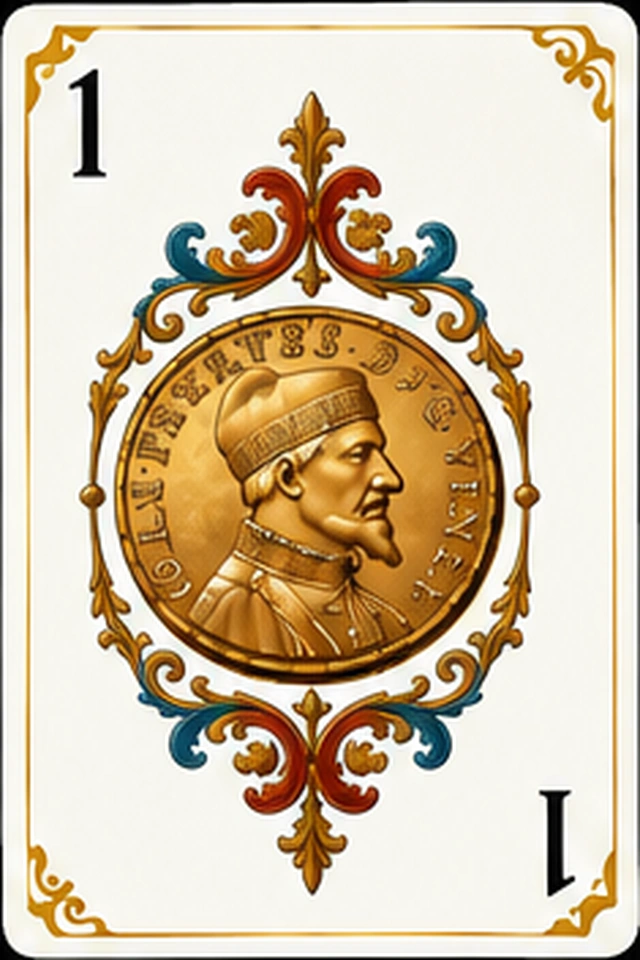
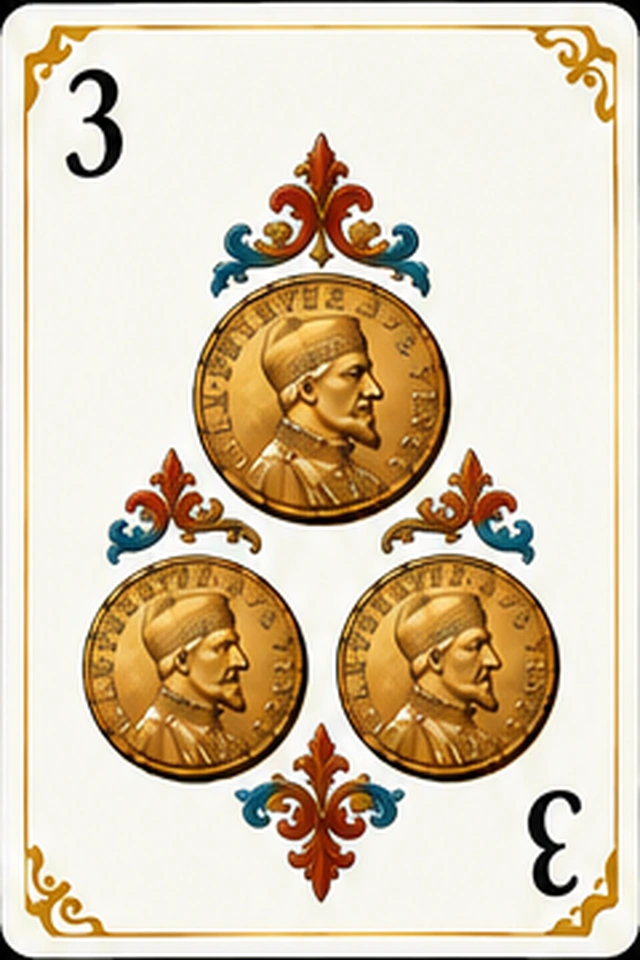
The 40-card Spanish deck leaves out the 8s and 9s because these cards were historically removed to make decks cheaper and suit traditional games such as Tute, Brisca and Guiñote. In this version, each suit therefore jumps straight from the 7 to the Sota (Page/Knave).
If you have ever wondered why the Spanish deck has 40 cards instead of 52 like the French one, the answer is right there, in the two missing numbers. Here is the whole story, told briefly, because it's more complex than it seems.
The four suits: Oros (coins), Copas (cups), Espadas (swords), and Bastos (clubs)
A Spanish deck of 40 cards has ten cards per suit: numbers 1 to 7 and the three court cards, which are the Sota [Page/Knave], the Caballo [Knight], and the Rey [King]. Four suits with ten cards each make up the usual forty.
The suits are not a Spanish peculiarity. They come from playing cards that arrived in Europe from the Mamluk world, with cups, coins, swords, and polo sticks. Here, the polo stick became a club or a lumberjack's staff (basto), and the symbols became fixed as we know them: Oros [Coins], Copas [Cups], Espadas [Swords], and Bastos [Clubs]. This is the same root from which the Latin suits of Italy emerge, while France and Germany invented their own.
Why do Spanish playing cards not have 8s or 9s?
Because they were deliberately removed, not because they were lost. The 48-card Spanish deck, which does include them, is the complete deck; the forty-card deck is that same deck from which the 8 and 9 of each suit were removed. If you compare a Spanish deck without 8s and 9s with a French 52-card deck, the difference is obvious: here there are no 8s, no 9s, no numerical 10s, and each suit jumps from the 7 to the Sota [Page/Knave].
The cards missing from the Spanish deck are, simply put, those two. It's not that a strange deck was invented: it's the complete deck, shortened, and the shortening is mainly due to how games were played here. That's the interesting part, and it's in the next section.
Why the 8 and 9 disappeared
There isn't a documented birth certificate, a specific day and place where someone decided to cut them. What we do know is that during the centuries when the deck became established in Spain, different decks coexisted, and the popular games that filled taverns and after-dinner gatherings were better played with fewer cards: less to count, faster tricks, and hands where you could remember what had been played.
Added to this were practical and economic incentives to use shorter decks: fewer cards per suit meant fewer woodcuts per sheet, so printing the short deck was more cost-effective and covered almost all the games people actually played. Even so, there isn't a single documented reason that alone explains the disappearance of the 8 and 9; it was a mix of gameplay, cost, and custom. The fact is that over time, the forty-card version became simply "the Spanish deck," and the two numbers were left out of the usual game.
The 48-card Spanish deck: the other version
Just because the forty-card deck is common here doesn't mean that the 48-card version is a museum rarity. The 48-card Spanish deck is still standard in much of Latin America and is used in various games that don't work with the short deck, as well as in solitaires and variants that require more cards in play.
On this website, for example, some solitaire variants are played with the complete 48-card deck, and our illustrated decks exist in both versions: if you look at any card description, you will see the As [Ace] to the Rey [King] with the 8 and 9 included, even if in Tute, Guiñote, or Brisca, those two numbers stay in the box.
Why Spanish games use 40 cards
Classic games don't fit the forty-card deck by chance: they are designed around it. In partner Tute, all forty cards are dealt, ten per player, which is why counting played cards tells you exactly what each player has left. In Brisca, each player holds three cards and draws from a thirty-six-card deck on the table.
Mus deals four cards to each of four players; Escoba deals fifteen and plays with sums up to fifteen. Almost no traditional game requires a larger deck, and those that could use the 8 and 9 consider them expendable. The result is a complete ecosystem—cantes (declarations), tricks, envites (bets), escobas (sweeps)—built on exactly forty cards, and it remains so, a century and a half after the 48-card deck became the exception.
Final curiosity: the 40-card deck was not always "the deck"
Many people take it for granted that the Spanish deck always had 40 cards, as if the number came standard with the suits. This is not the case: historically, several configurations coexisted, with 48, with 40, and with decks shortened in other ways depending on the era, region, and fashionable game. The forty-card version won out through usage, not by decree.
In fact, this number even entered the language: "cantar las cuarenta" (to sing the forty), the expression that gives this website its name, comes from the points scored by declaring the Rey [King] and Caballo [Knight] of the trump suit in Tute. If you want to see the forty-card deck in action, in the games section you'll find Tute, Guiñote, Brisca, Mus, and company with complete rules, and in learn-to-play there are tutorials to start from scratch.