

Culture
To "Cantar las cuarenta": Where the expression comes from
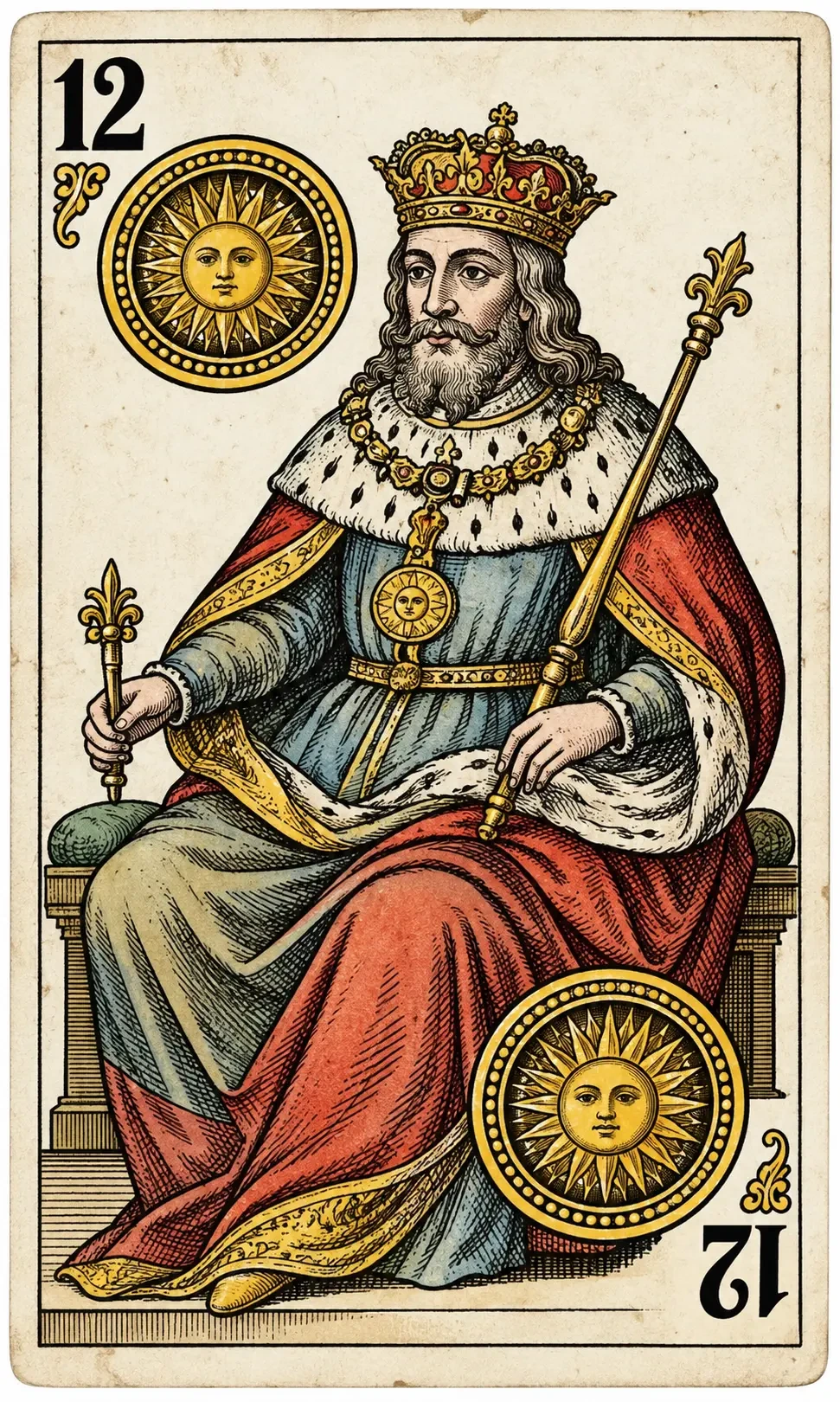
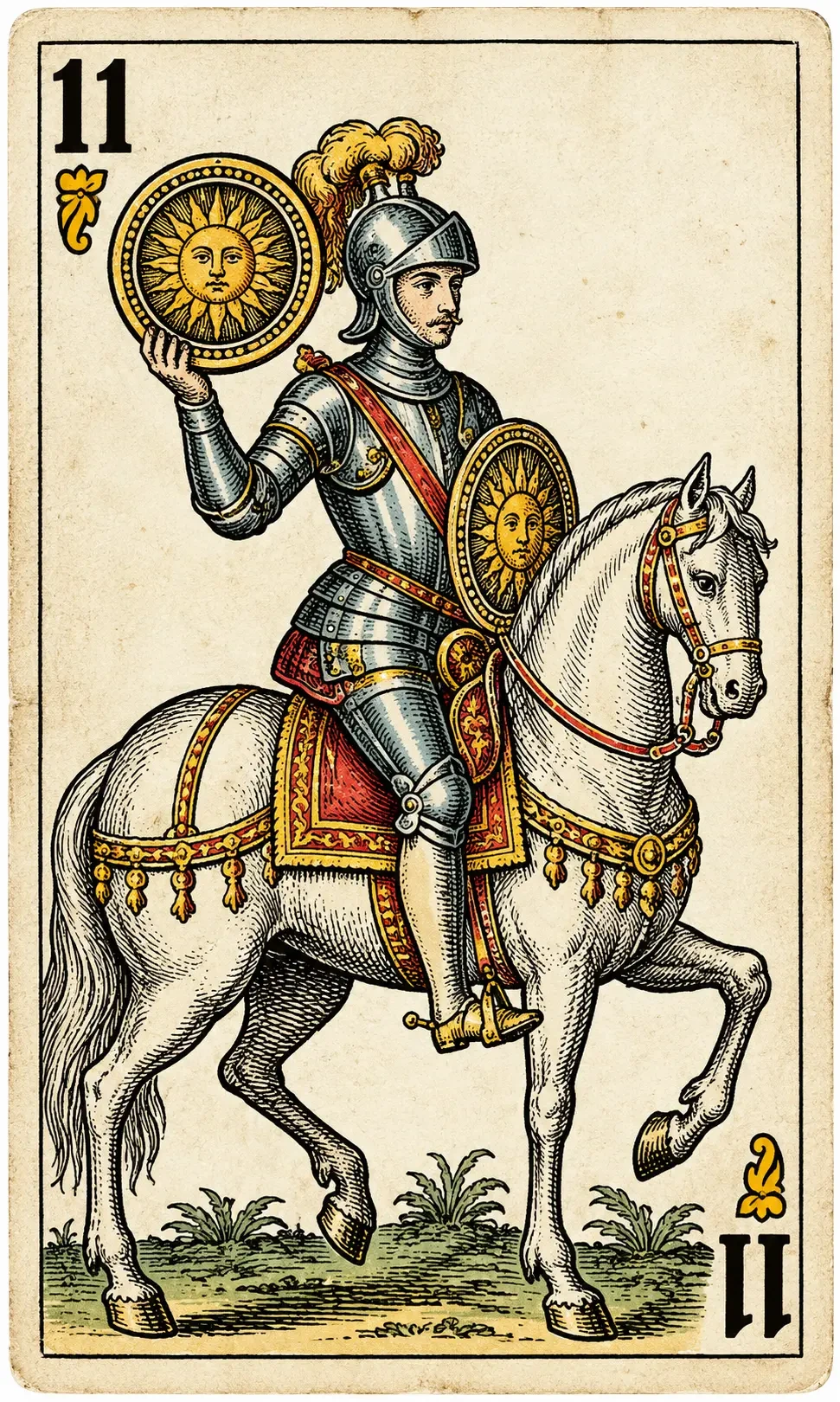
“Cantar las cuarenta” means telling someone a few home truths to their face. The expression comes from Tute and Guiñote, where announcing aloud that you hold the king and knight of the trump suit is worth forty points.
Many people say "I'm going to `cantar las cuarenta` to him" without knowing they are talking about cards. The expression came from Tute and Guiñote tables and ended up in everyday Spanish with another meaning: telling someone the truth directly and without beating around the bush.
Its origin is literal. In Tute, the `Rey` (King) and `Caballo` (Knight) of the same suit allow you to announce twenty points; if that suit is the trump, the `cante` (announcement) is worth forty. It is announced aloud and is usually one of the most celebrated moments of the hand.
What is an announcement proclaimed aloud?
The `cantes` (announcements) in Tute have a ceremonial aspect. It's not enough to hold the cards: first, you have to win a trick, and then announce it in front of everyone. Forty points, out of the one hundred and thirty in play, often change the course of the hand.
From the table, it passed into common language. `Cantar las cuarenta` ended up meaning to suddenly blurt out something you'd been keeping to yourself for a while and to turn a conversation around. The imagery was so clear that it survived even among those who have never played Tute.
What other expressions came from the card deck?
Spanish is full of phrases that come from the card table. "Ir de farol" (to bluff) comes from Mus and poker; "no tener ni un triunfo" (not having a single trump) describes a hand without Brisca trump cards; "poner toda la carne en el asador" (to put all your eggs in one basket) and "jugarse el todo por el todo" (to risk everything) are cousins of the `órdago` (all-in bet).
"Ser un tahúr" (to be a gambler), "tener buena mano" (to have a good hand), "írsele el santo al cielo" (to lose one's focus) while neglecting a trick: the card deck was for centuries the default entertainment in taverns, barracks, and after-dinner gatherings, and left its vocabulary embedded in the language.
In Mus, furthermore, the list is enormous: `órdago`, `envidar` (to bet), `duples` (two pairs of cards), `medias` (one pair of cards), `postre` (the last phase of betting). Words that mean nothing outside the table and within are a complete language, including hand signals.
Why the name of this website Lascuarenta.es (The Forty)?
That `cante` (announcement) gave its name to Lascuarenta.es. It summarises the project's intention well: to preserve the games that gave us these expressions and their rules before only the memory remains in popular sayings.
To see it in a game, just play a hand of Tute. When you gather the `Rey` (King) and the `Caballo` (Knight) of the trump suit, the website will allow you to "cantar cuarenta" (announce forty points) and you'll immediately understand why the expression sounds like victory.