

Full rules
Rules of Guiñote: how to play
Guiñote is played with the 40-card Spanish deck, six cards per player and the trump card shown under the stock. Reaching 101 points or 51 buenas earns a point, and the first side to score 3 points wins the coto.
Guiñote is one of the great Aragonese Spanish-deck games: players draw from the stock during the first phase, and compulsory following only begins once the stock runs out. That two-phase structure, together with the cantes and swapping the muestra, makes it a game of memory as much as table craft.
4 players (2 pairs) or 2 players
What is Guiñote
The traditional Guiñote with a Spanish deck: six cards per player, the turned-up card under the stock, calls of twenty and forty, the seven swap, and forced play once the stock runs out. Played in pairs or one-on-one, to 101 points or 51 clean.
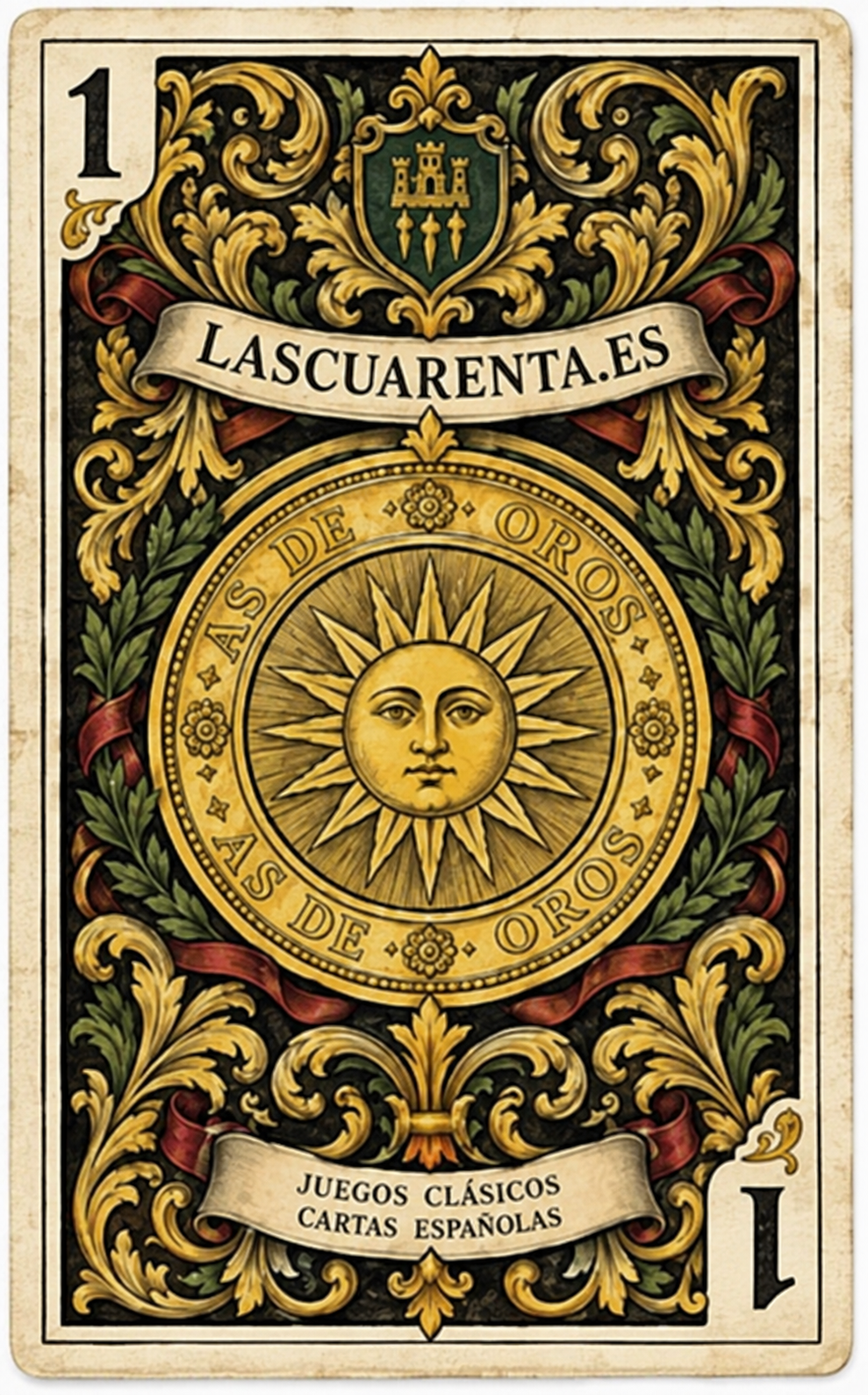
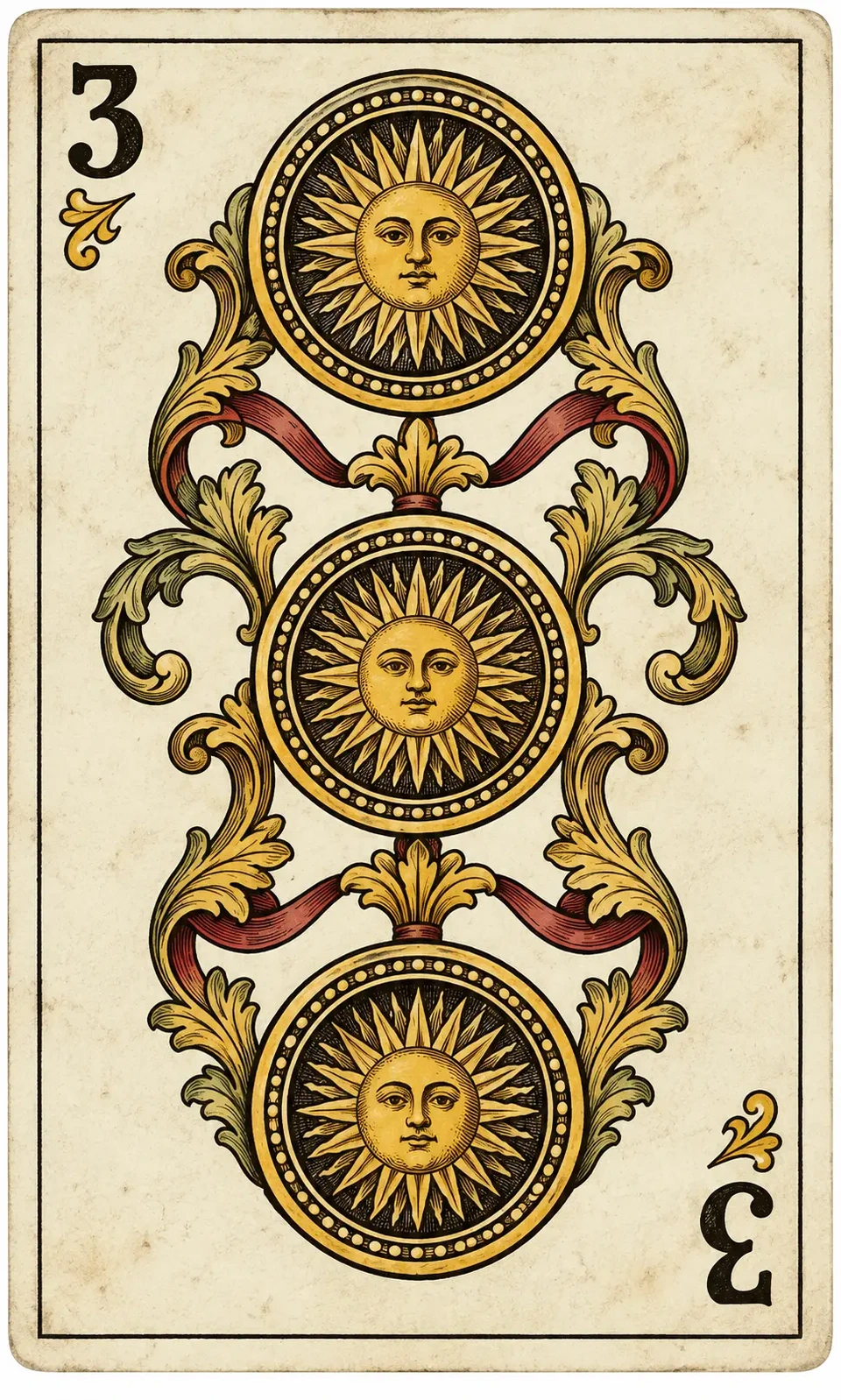
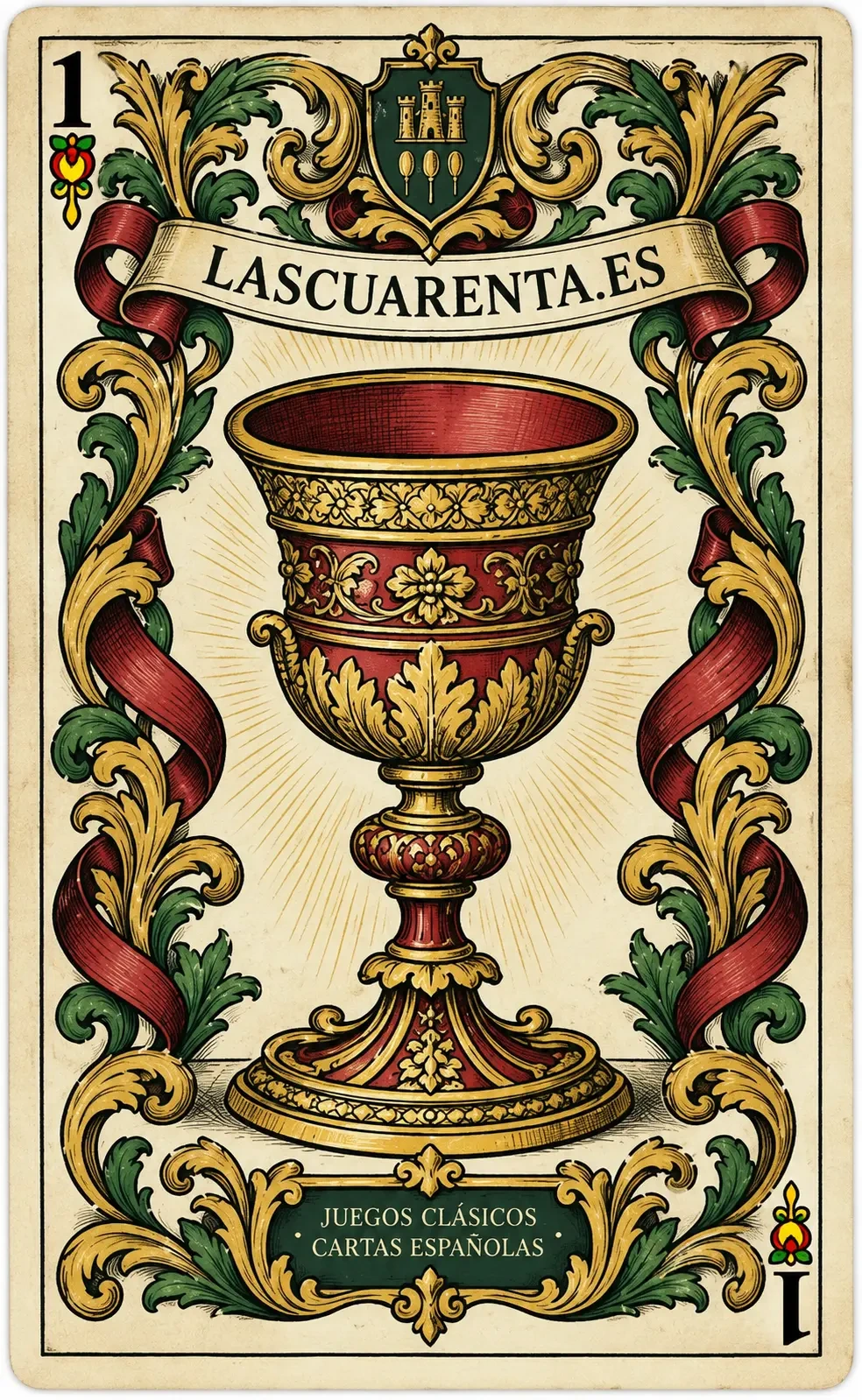
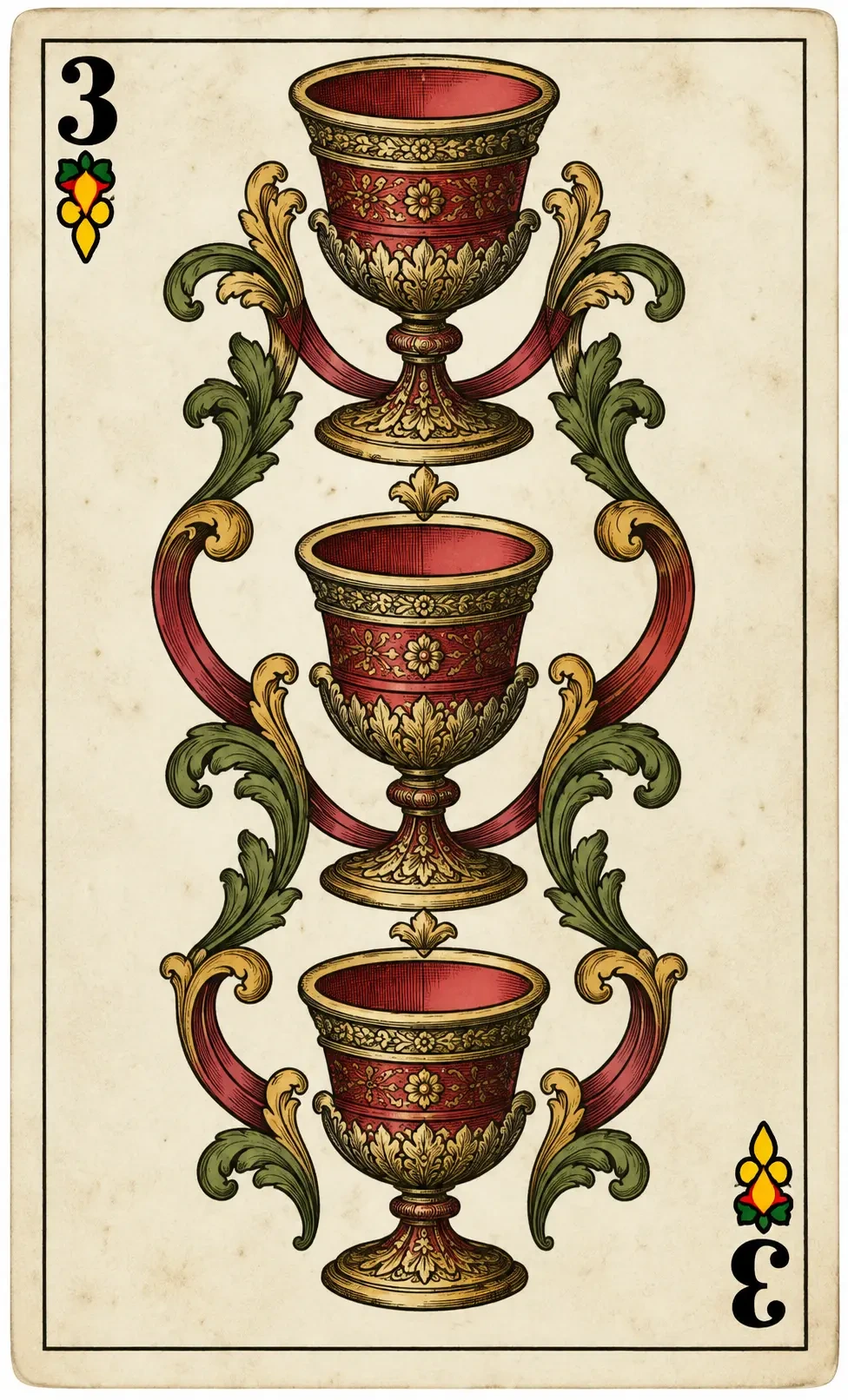
The deck and card values
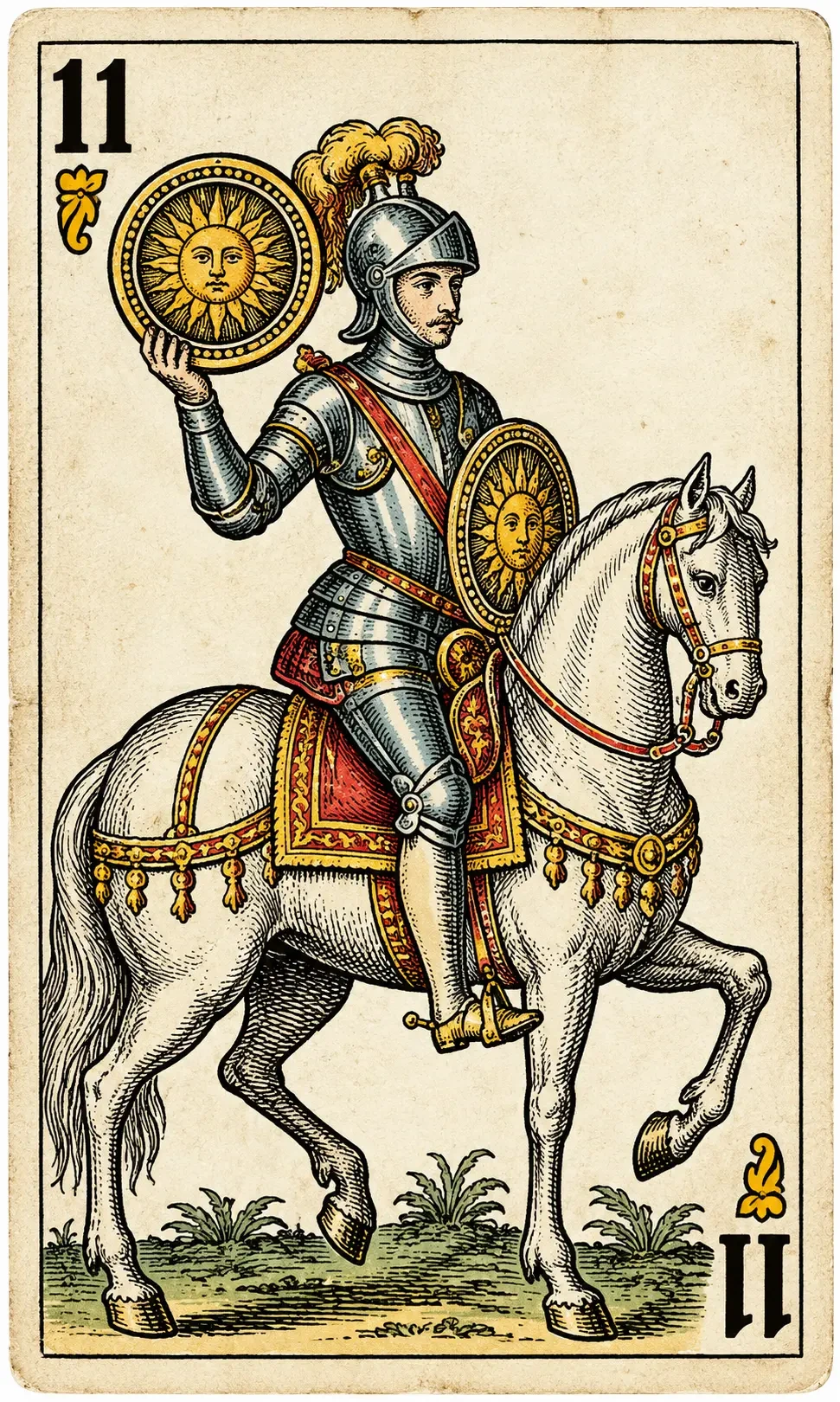
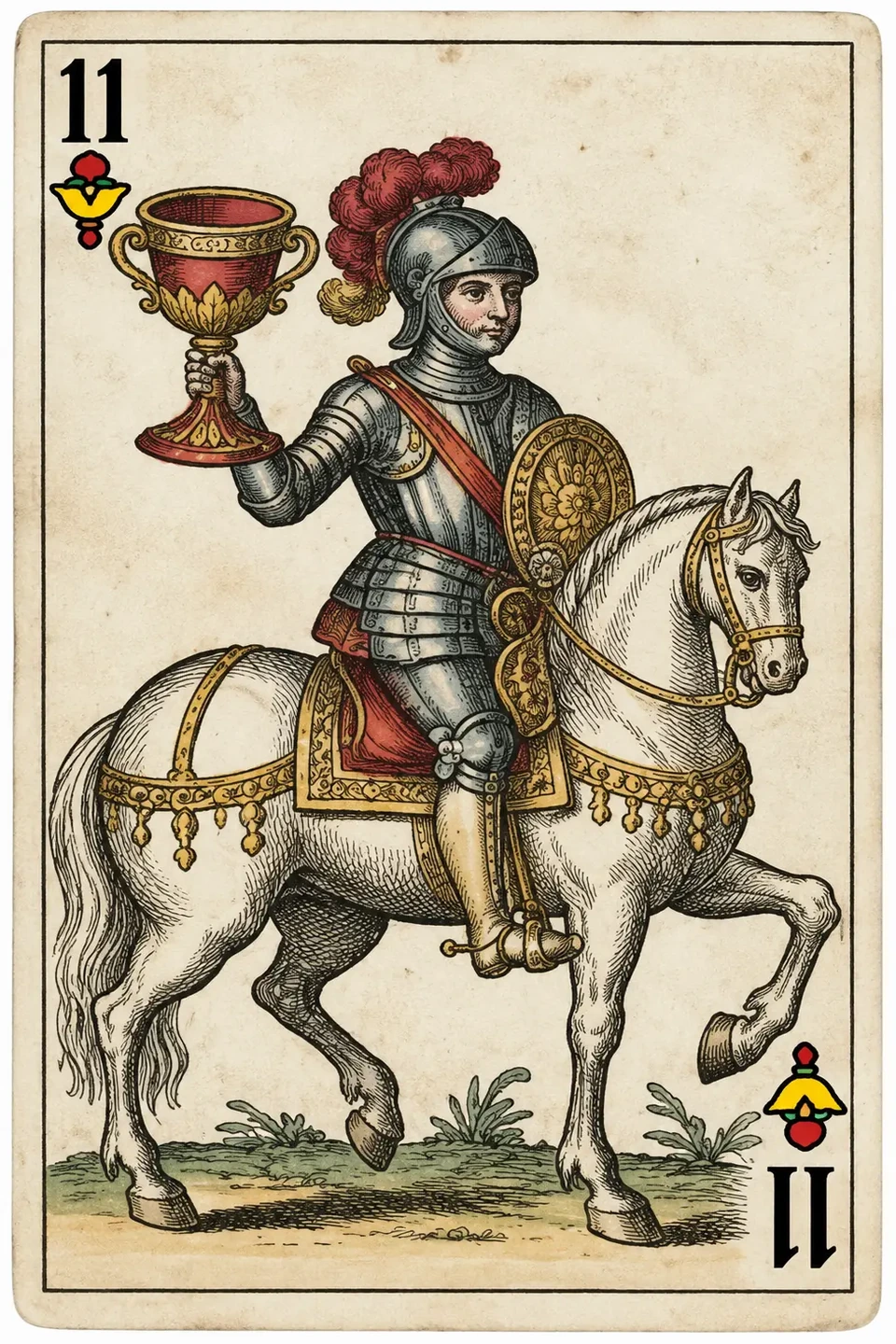
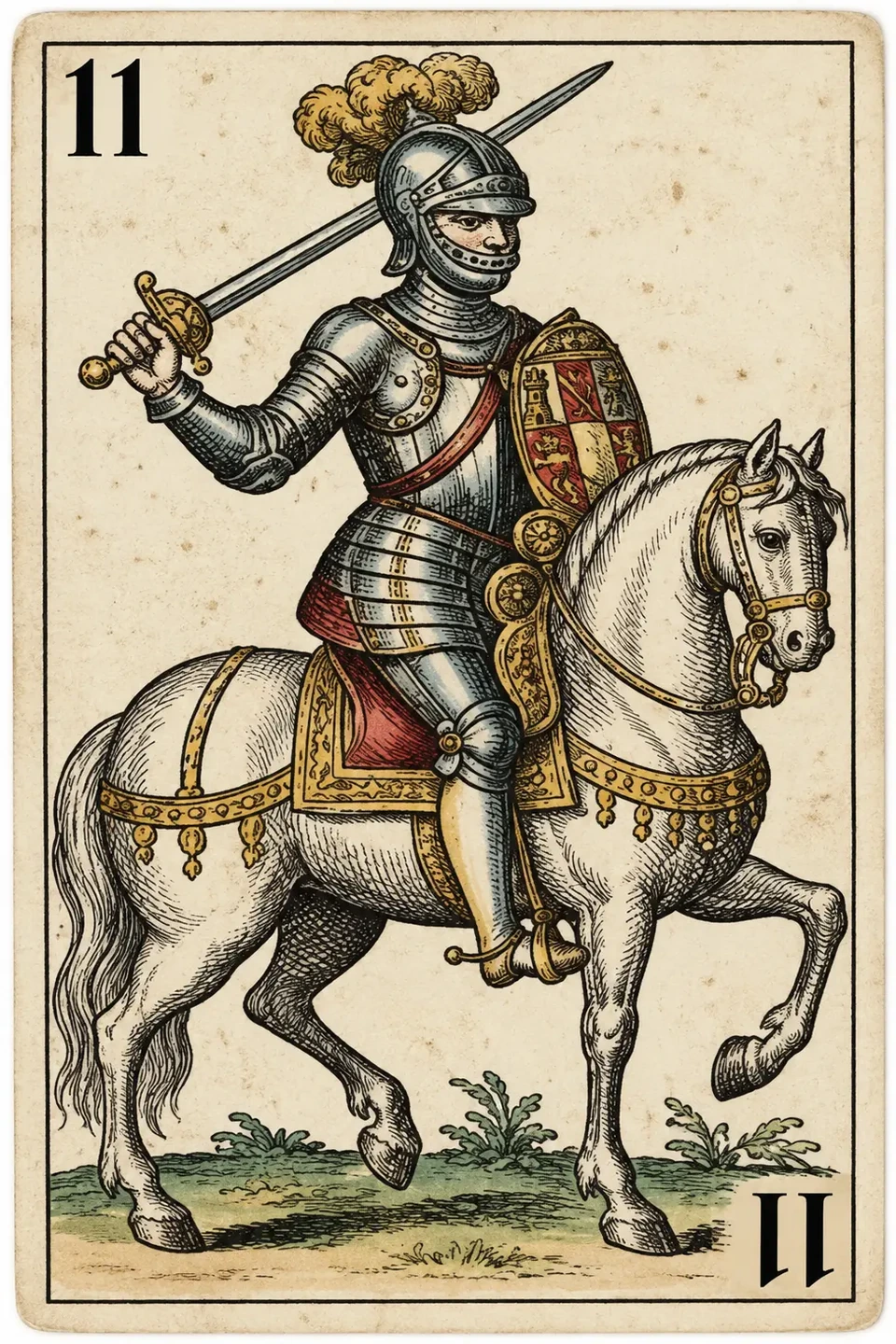
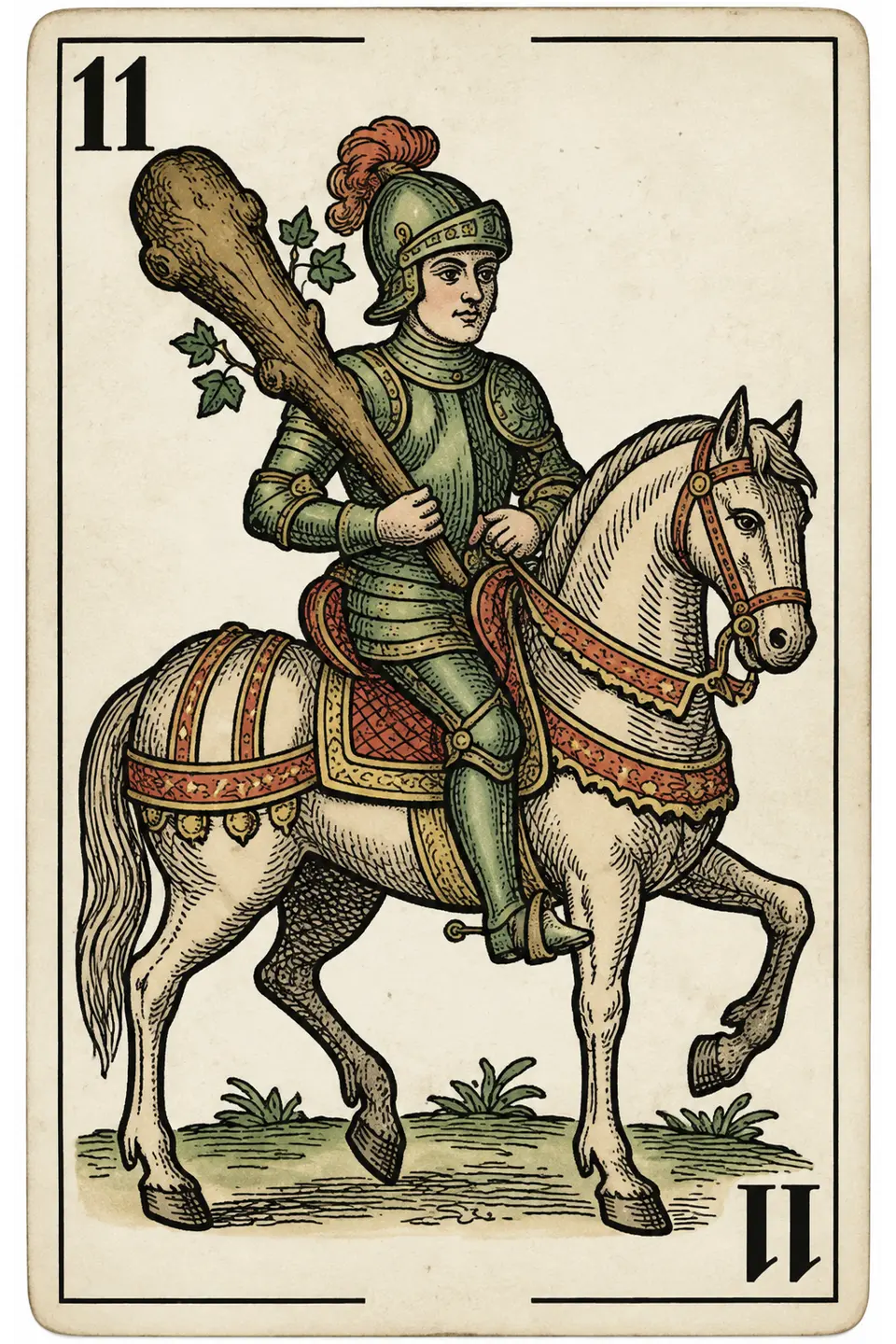
Forty-card Spanish deck. Ranking within a suit: as, tres, rey, sota, caballo, seven, six, five, four, two. Values: as eleven, tres ten, rey four, sota three, caballo two; the rest score nothing.
There are a hundred and twenty points in the cards, ten for the last trick, and the twenty and forty cantes. The difference from other games lies not only in the values but in how the cards reach your hand and when compulsory following starts.
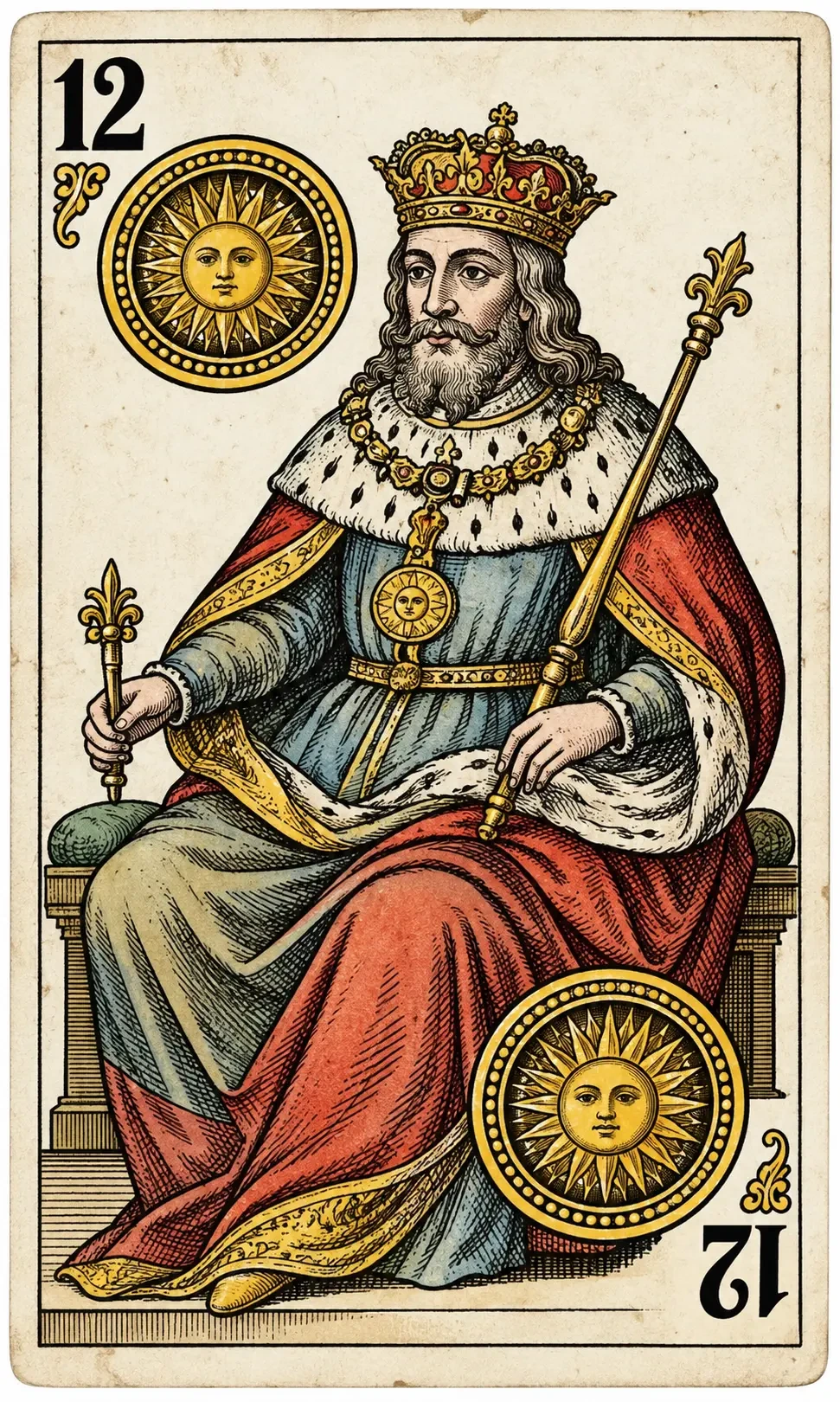
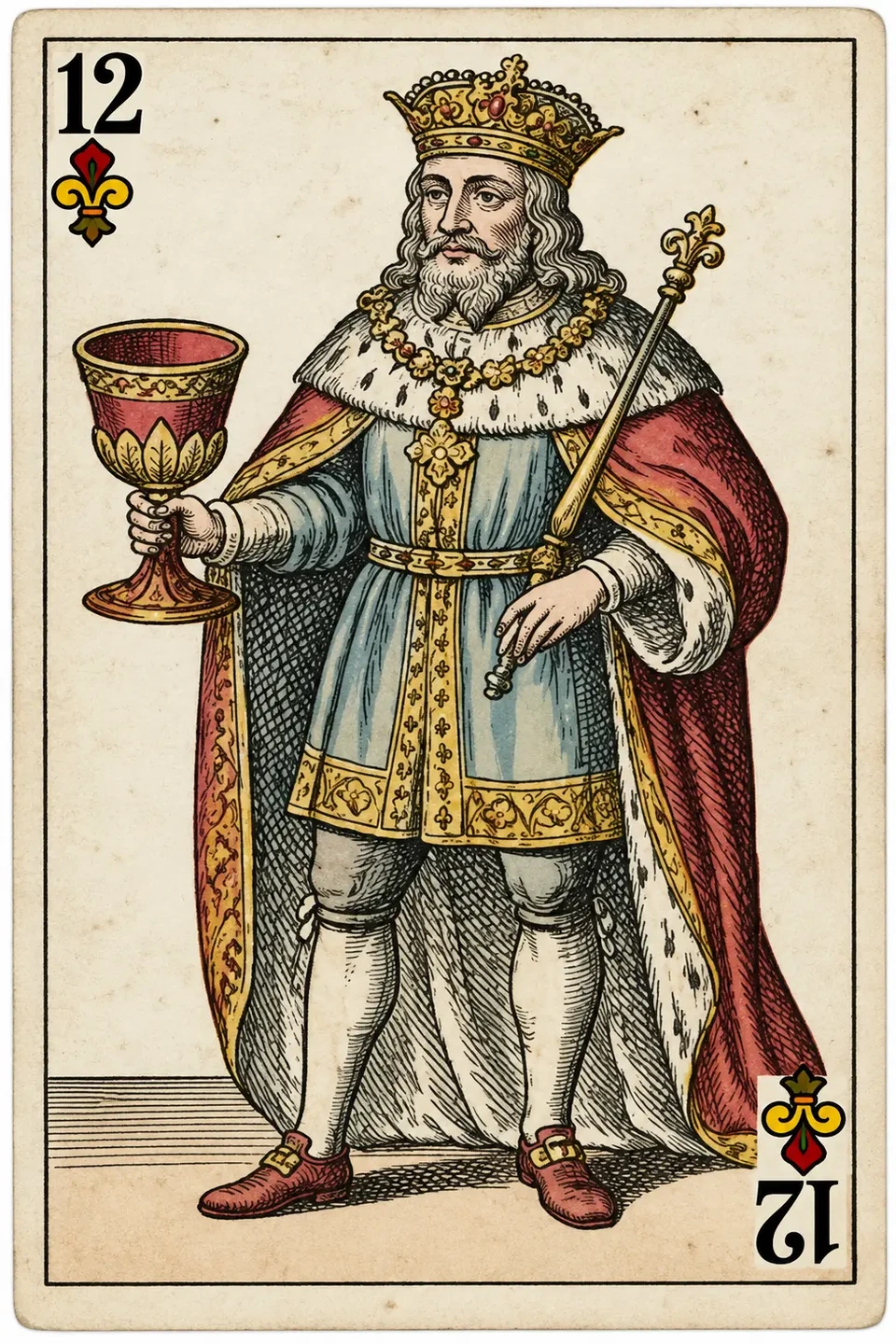
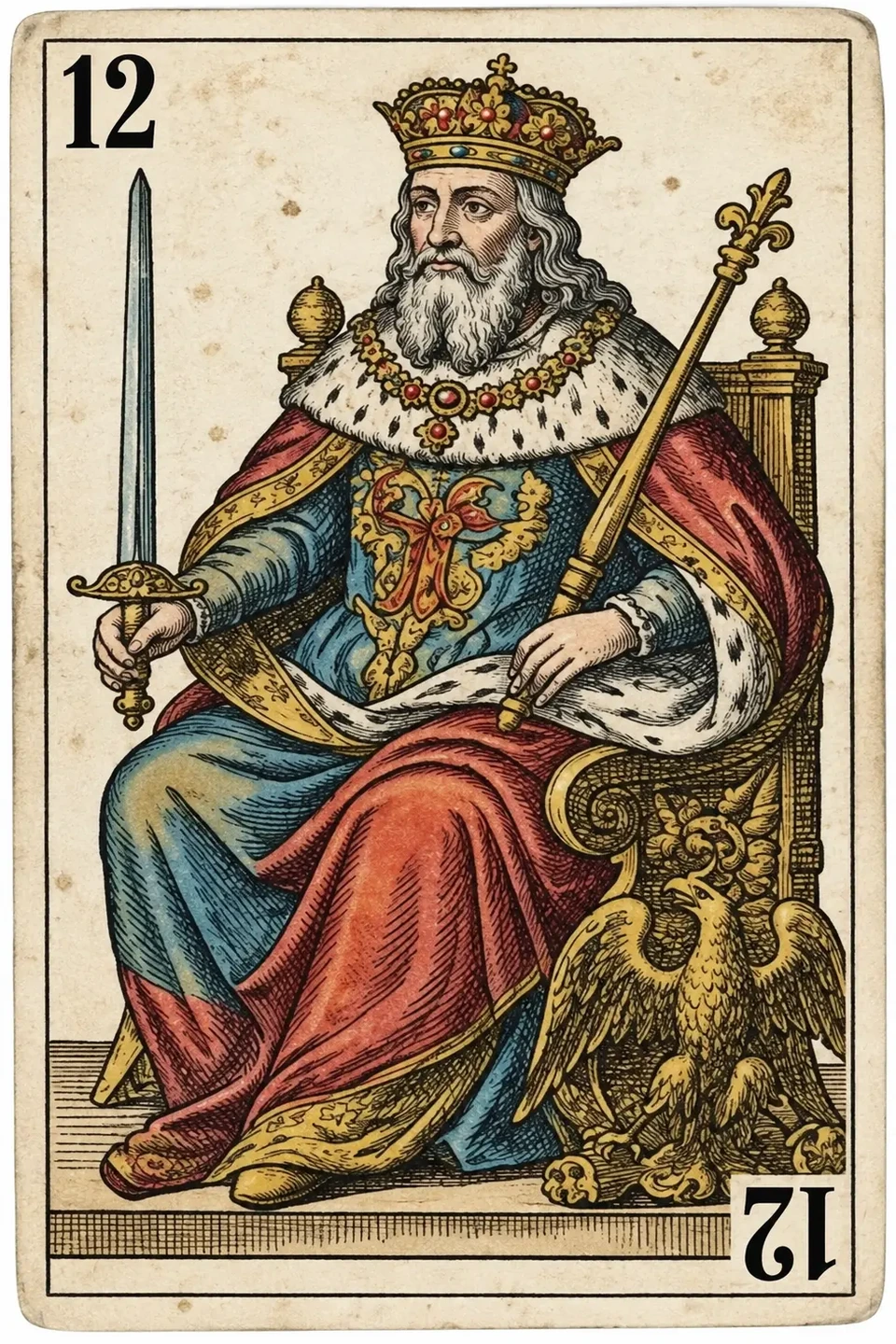
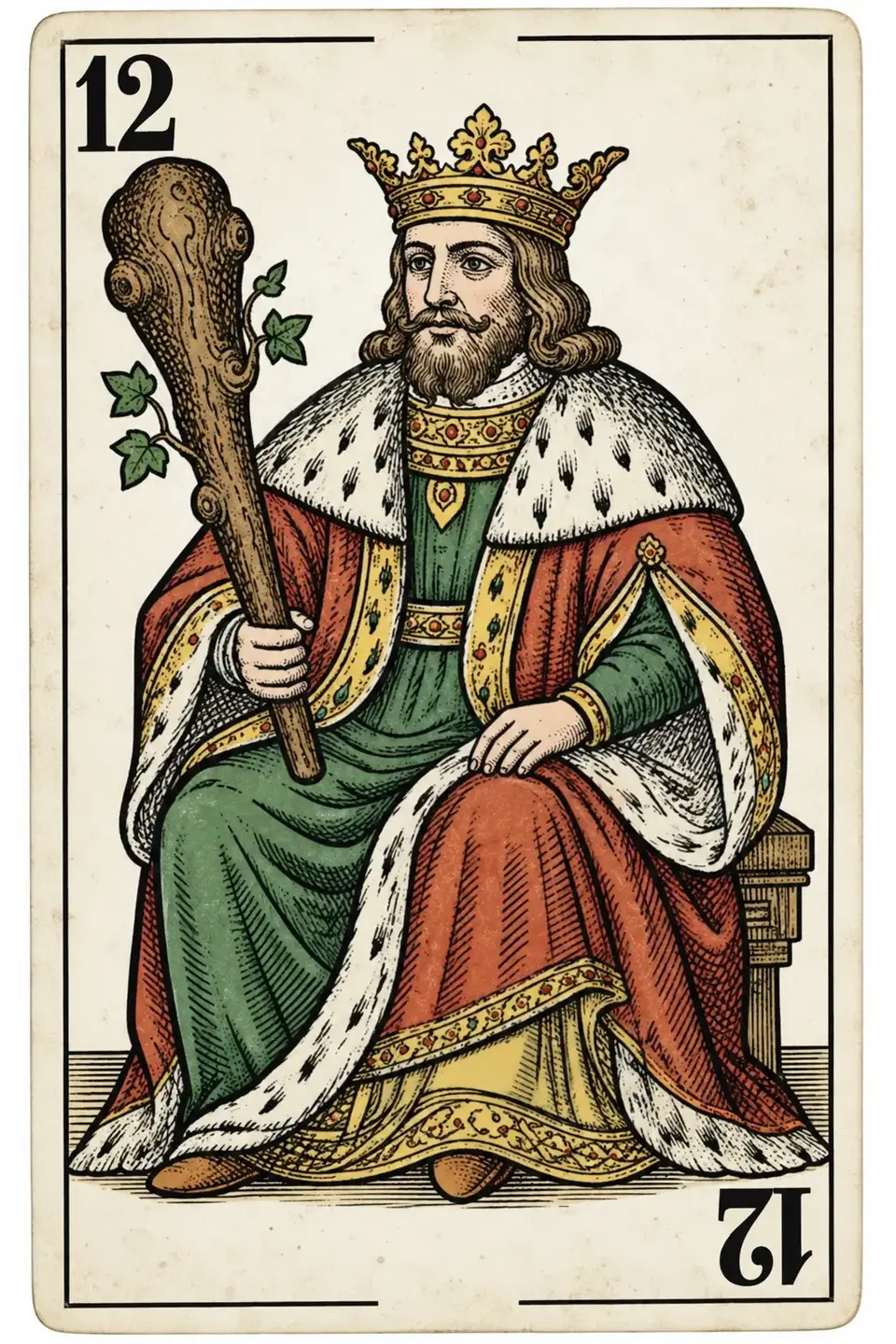
The table and the deal
Played in partnerships (four players) or head to head (two). Each player gets six cards and the rest of the deck stays in the middle, with the trump card underneath, face up.
The usual deal is two rounds of three cards. The player to the dealer's right, the mano, leads, and the turn then continues around the table.
First phase: no compulsory following. Any card may be played, and after each trick everyone draws a card from the stock, starting with whoever won it. This is when cantes are prepared and strength is hidden.
Once the stock runs out, the second phase is played with compulsory following: follow suit, beat the trick if you can, and trump if you have no cards of that suit (and overtrump if someone has already trumped); only when you hold no useful trump can you play freely. The sota beats the caballo. The last six tricks are played entirely from memory.
The siete of trumps can be swapped for the trump card lying in the stock once your side has won a trick and the muestra is still visible. If the muestra itself is the siete, the swap is made with the dos of the same suit.
How to play, step by step
Guiñote is played with the 40-card Spanish deck, six cards per player and the trump card shown under the stock. Reaching 101 points or 51 buenas earns a point, and the first side to score 3 points wins the coto.
- 1
Deal six cards and reveal the trump
With the 40-card Spanish deck, six cards are dealt to each player in two rounds of three. The next card is turned face up under the stock: that's the trump card and it sets the trump suit for the whole hand.
- 2
Play the free first phase
While cards remain in the stock, you may play anything you like: there's no obligation to follow suit or beat the trick. The highest card of the led suit wins, unless someone plays a trump.
- 3
Draw after every trick
Once a trick is closed, whoever won it draws first, then the rest in order. The last to draw takes the trump card, which signals the stock is exhausted.
- 4
Call the twenties and forties
King and Jack of the same suit are worth twenty points, and forty if that suit is trump: hence the phrase "cantar las cuarenta". You can only call after your side wins a trick, and each suit is called once per hand.
- 5
Swap the seven of trumps
If you hold the seven of the trump suit, your side has already won a trick and the trump card is still visible, you can swap it for the trump card and pick up a stronger trump. When the trump card is a seven, the swap is made with the two.
- 6
Hold firm through forced follow
Once the stock runs out, play switches to forced follow: you must follow suit, beat it if you can, and trump if you have none of the suit. If your partner is already winning, you only need to follow suit. This is the phase that decides the hand.
- 7
Count to 101 points or 51 buenas
Ace 11, three 10, King 4, Jack 3 and Knight 2, plus ten for winning the last trick and the points from cantes. Points from each hand accumulate; reaching 101, equivalent to 51 buenas, earns a point. The first side to reach 3 points wins the coto.
Scoring and the end of the round
Each trick goes to the highest card of the suit led, or to the highest trump if someone has trumped. Cantes are announced after winning a trick: twenty for rey and sota of the same suit, forty if that suit is trumps. Only one cante is allowed per trick won.
At the end, captured cards, cantes and the ten for the last trick are added up. The partnership that reaches a hundred and one scores a point; this is also called making 51 buenas, since it beats the 50 malas. If no one gets there, another hand is played and the points carry over, which is called ir de vueltas (going round again).
The thirty malas rule: on the first hand of the point, reaching 101 is not enough on its own; you also need at least 30 points from cards and the ten for the last trick, not counting cantes. Without that, you go de vueltas. Tute: whoever holds all four reyes or all four sotas announces it after their side wins a trick and takes the point on the spot. If no one reaches 101, it goes de vueltas: points carry over and the point is awarded the instant a side reaches 101, without finishing the hand. If both sides reach or pass 101 in the same hand, whoever won the last trick wins the point.
On Lascuarenta.es (The Forty), the first side to reach 3 points — that is, to reach 101 points three times — completes the coto and wins the match outright.
Strategy: how to win more hands
Don't give away points in the first phase
While drawing is still going on, every as or tres you throw away can fall into an opponent's hands. Play low cards and use the drawing phase to scout cards and set up cantes.
Count the stock
Knowing how many cards remain tells you when compulsory following begins. Plan the hand backwards: which six cards do you want to be holding when the stock runs out?
Save trumps for the second phase
In the final compulsory-following phase, trumps are gold: they capture the opponent's aces and secure the last trick. Spending them early on insignificant tricks is the classic mistake.
Learn to read your partner
Signs and comments about the cards have no place at a fair table. Here information travels through what is played: insisting on a suit signals strength, discarding it signals it is empty.
Swap the siete when you can
Swapping the trump siete for an as or tres from the stock is ten or eleven free points and a stronger trump for the end. There is almost never a reason not to.
Common mistakes beginners make
Playing the first phase as if it required following
Many new players follow suit from the start out of Tute habit. In the first phase of Guiñote you can play whatever you like, and using that freedom is half the match.
Cante-ing at the worst moment
The cante only becomes available after your side wins a trick and before the next one starts. If there is a forty, it is announced first; if two twenties are possible, you need to choose which one to score carefully.
Reaching the arrastre with no trumps
If you finish the first phase with your hand clean of trumps, the last six tricks become a parade of points for the opponent.
Not looking at the trump card in the stock
That card lies face up for a reason: it shows a trump nobody holds yet, and if it is high it completely changes how you should value your hand.
Making a renuncio in the arrastre
Once the stock is gone, not following suit when you can, not beating the trick when you can, playing out of turn or cante-ing without a won trick all count as a renuncio (illegal move). At a real table it can cost you the match; here the illegal move is simply blocked.
Variants and regional names
Guiñote in pairs
The classic version and the one played at our tables: four players in two facing pairs, with signalling banned and your partner sitting right across from you.
Guiñote for 2 players
Head to head, six cards each and twenty tricks per hand. It's the best way to learn to read the forced-follow phase, since you alone are tracking the cards played.
Aragonese and Navarrese guiñote
In Aragón, Navarre and La Rioja it's still closely tied to bar games. In Aragón, Guiñarte campaigns for guiñote to be recognised as Intangible Cultural Heritage. The cantes, seven swap and 101 points are shared across regions; what changes is the scoring value and how the cotos are played.
Differences with Tute and Brisca
Tute deals all forty cards and forces follow from the first trick; Brisca deals three cards and has neither cantes nor forced follow. Guiñote sits in between: six cards, a free phase with drawing, and forced follow at the end.
Table glossary
- Primera fase
- The part of the hand where players draw from the stock and there is no obligation to follow suit.
- Arrastre
- The second phase, once the stock runs out, when you must follow suit, beat the trick and trump.
- Cambiar el siete
- Swapping the trump siete for the muestra; if the muestra is the siete, it is swapped for the dos instead.
- Malas
- The situation where neither partnership reaches a hundred and one and the points carry over to the next hand.
- Buenas
- The points above fifty; reaching 51 buenas is the same as passing 100 points.
- Coto
- A series of several individual games won, usually three, four or five.
- Renuncio
- An illegal move, such as not following suit in the arrastre or cante-ing without having won a trick.
- Cante
- The rey and sota of the same suit: twenty points, or forty if it is the trump suit.
Frequently asked questions about Guiñote
Rules of the other games
Still have a general question? Check the site's frequently asked questions or the blog.
To go beyond the rulebook, read our blog's the history, rules and trivia of Guiñote.