

Full rules
Rules of Solitario: how to play
Solitaire — also called patience — is played alone with a Spanish deck: you arrange the cards according to the chosen variant until the board is cleared, with no opponents or turns.
Solitaire with a Spanish deck pits one player against pure order: arranging forty or forty-eight cards until everything is sorted. The site offers three classic variants — Klondike, Spider and Pyramid — and each calls for a different kind of thinking.
1 player
What is Solitario
Three classic solitaires played with Spanish cards: the familiar patience game (Klondike), two-deck Spider, and Pyramid, pairing cards that add up to thirteen. A one-player table, at your own pace, and playable offline too.
The deck and card values
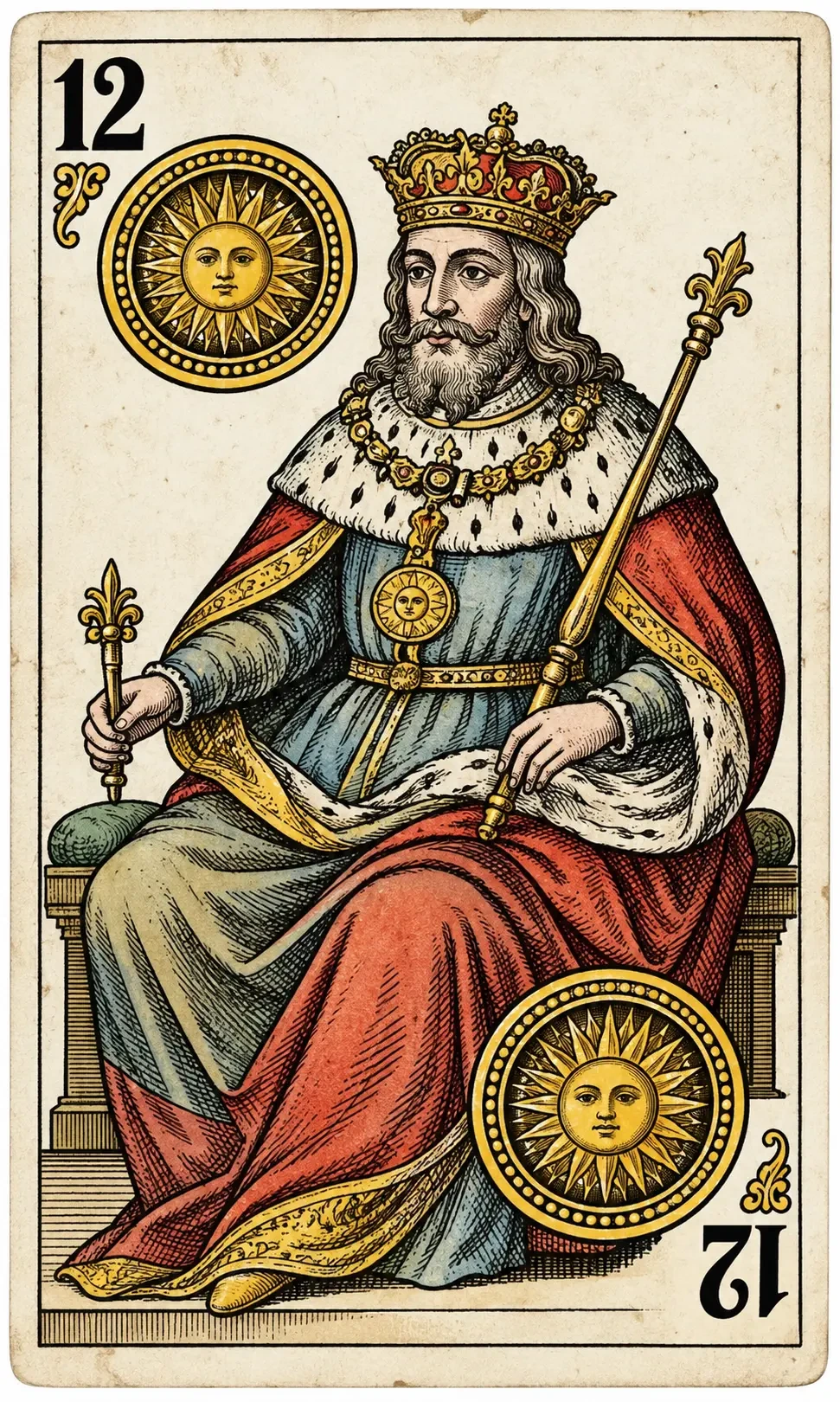
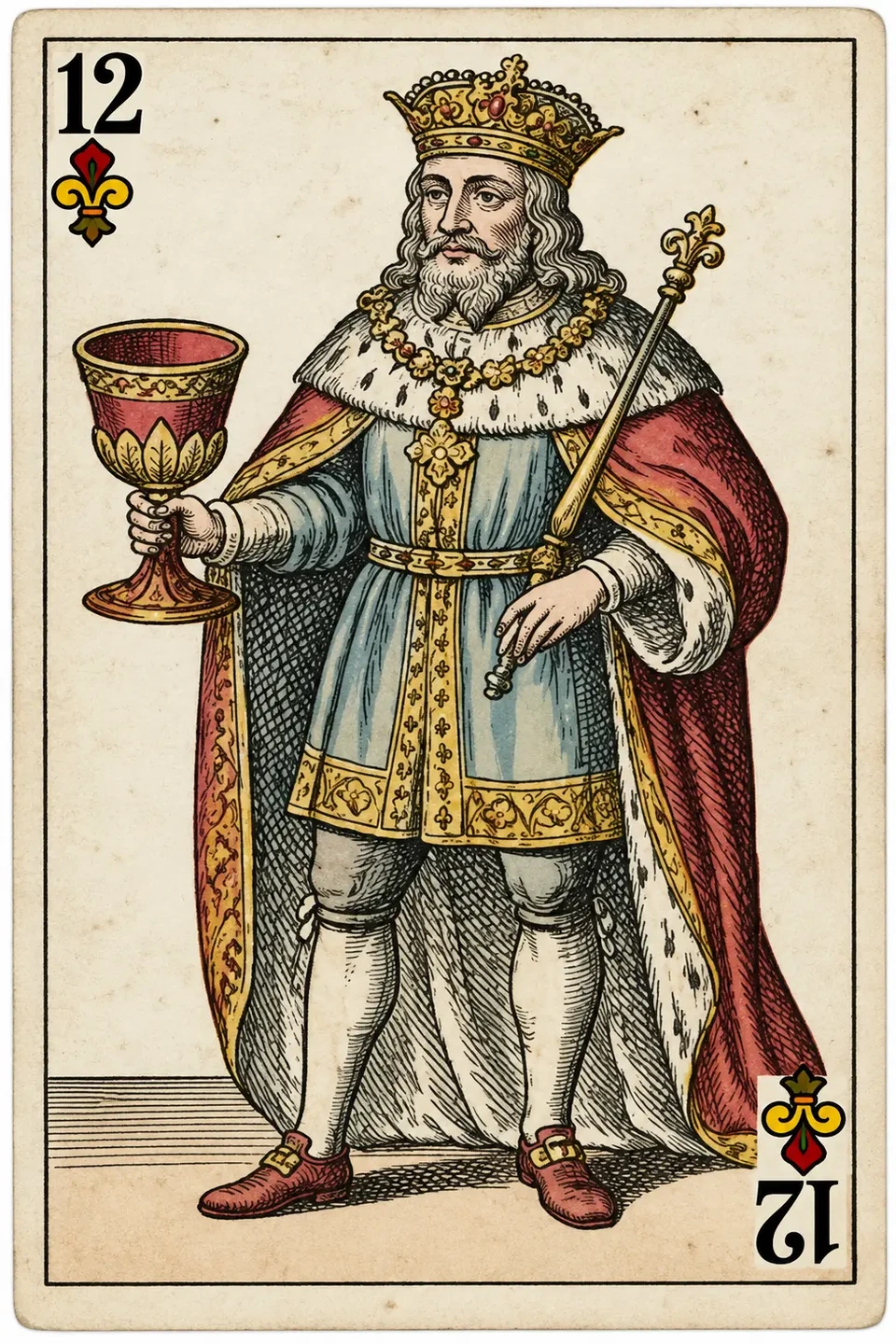
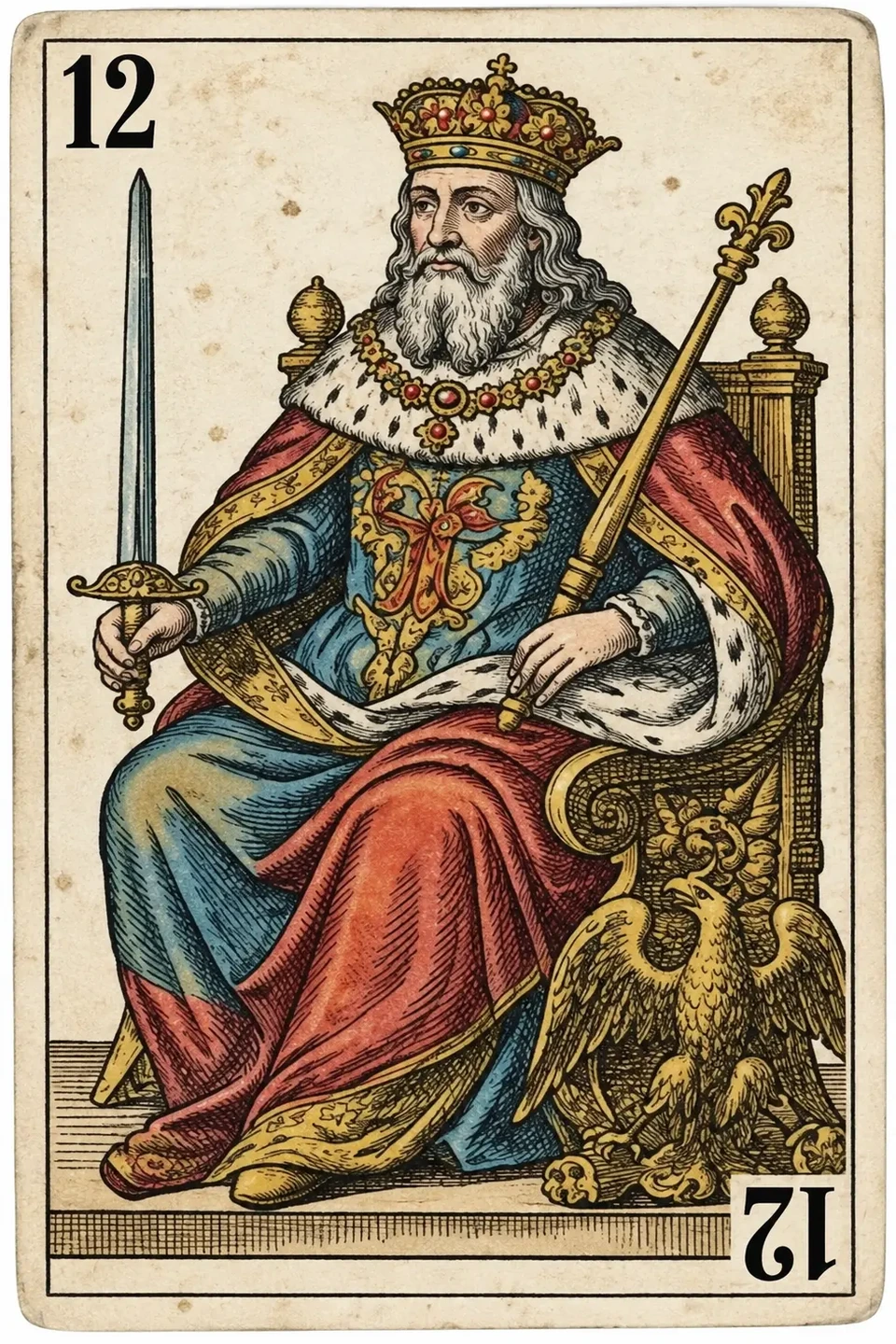
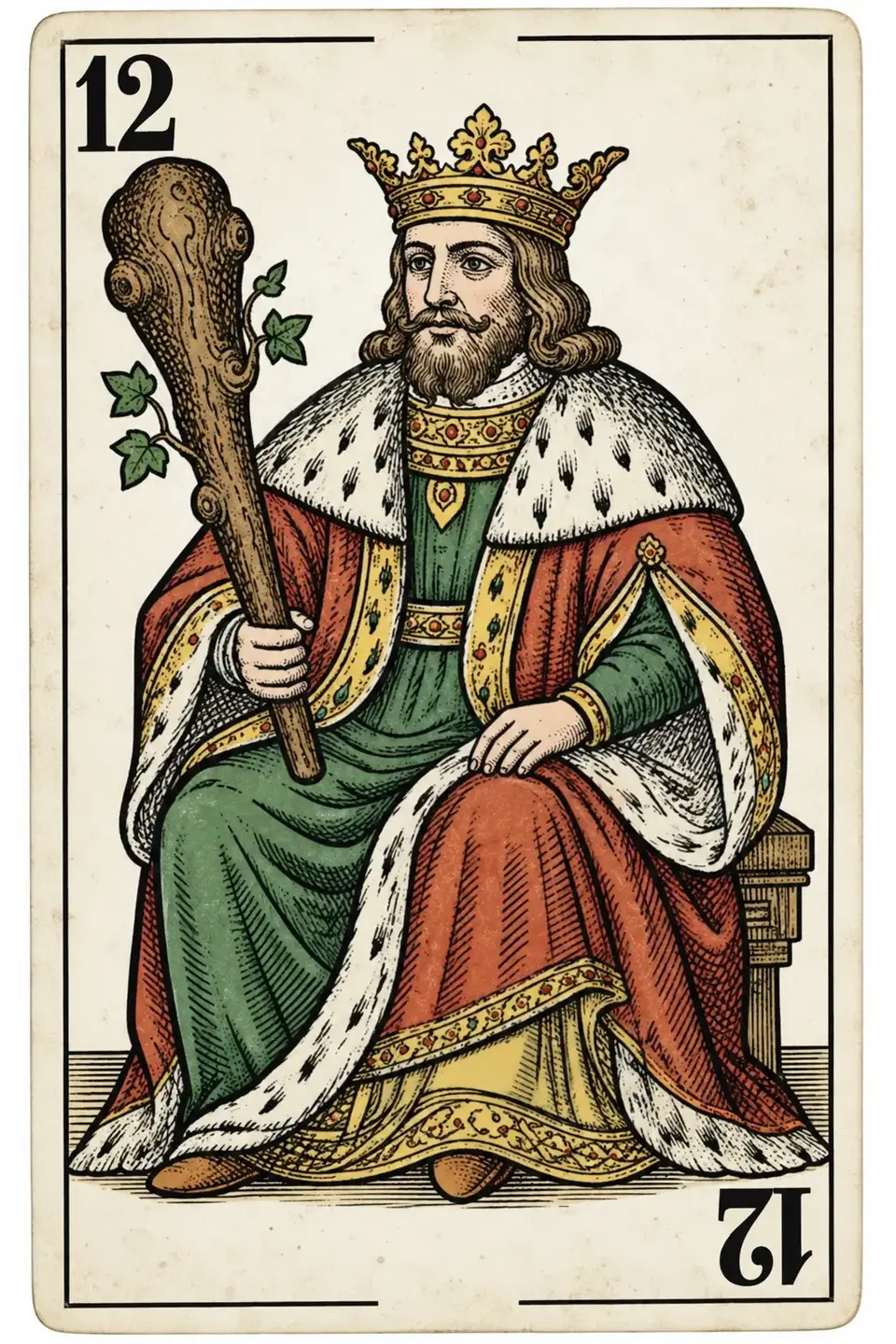
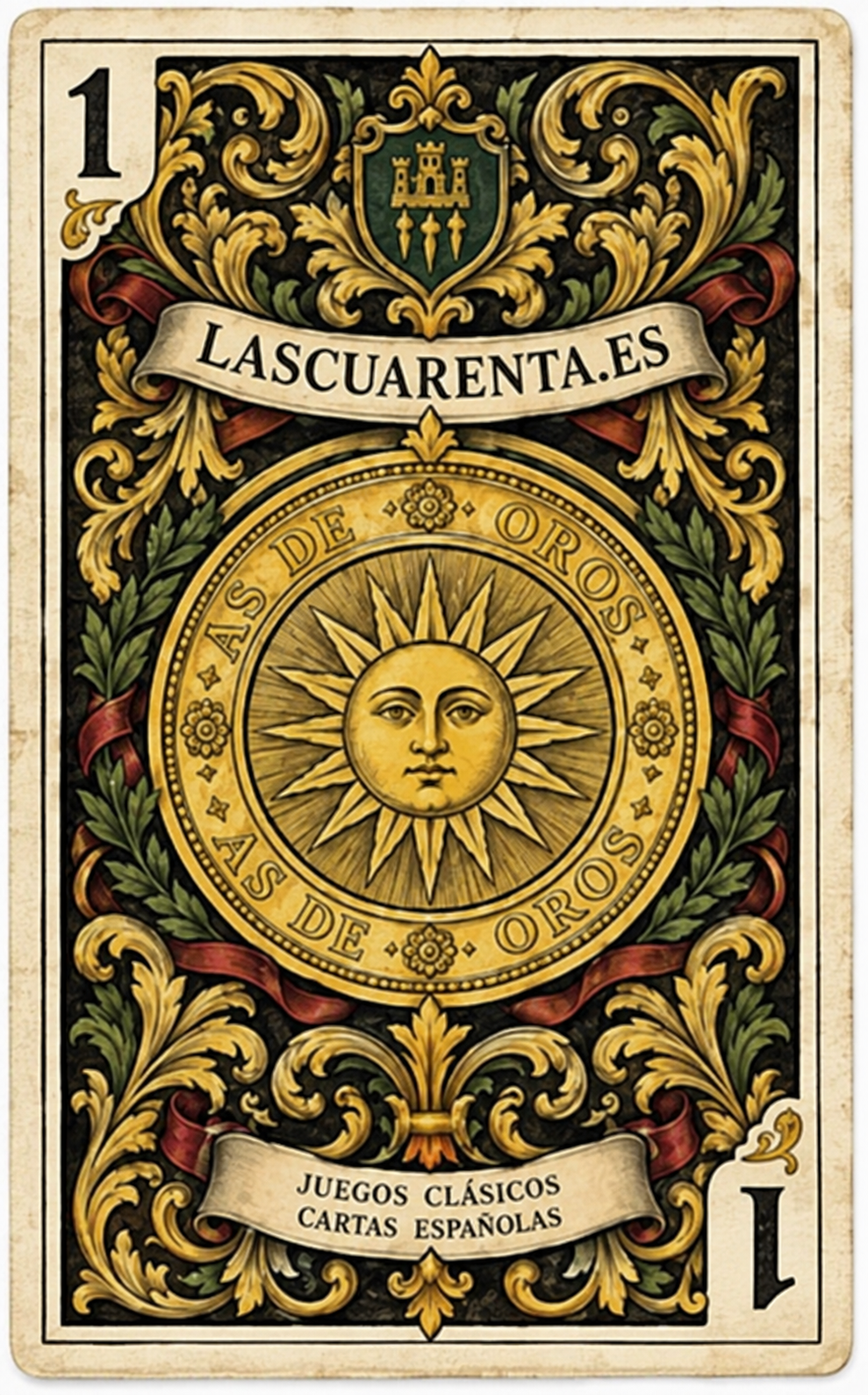
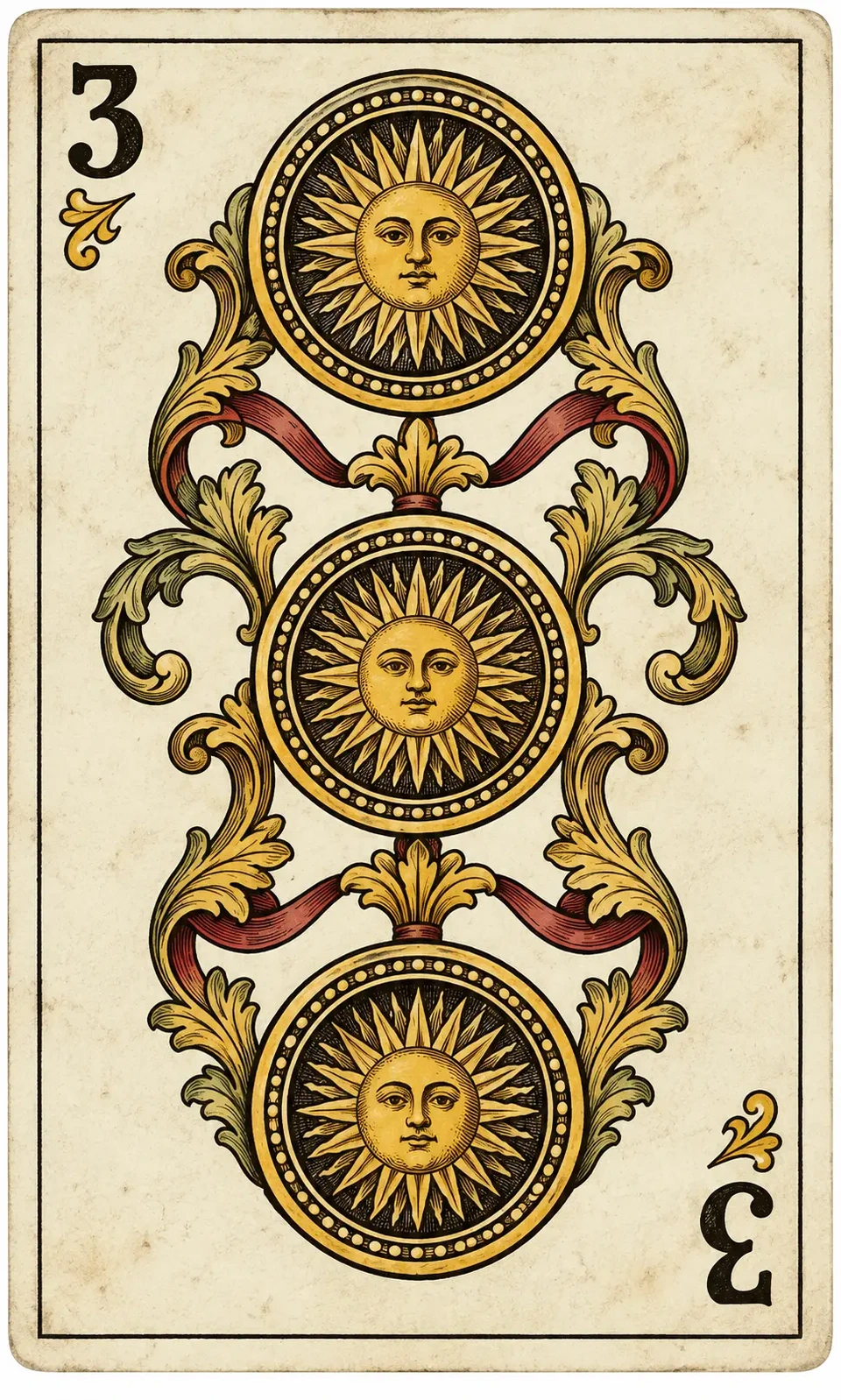
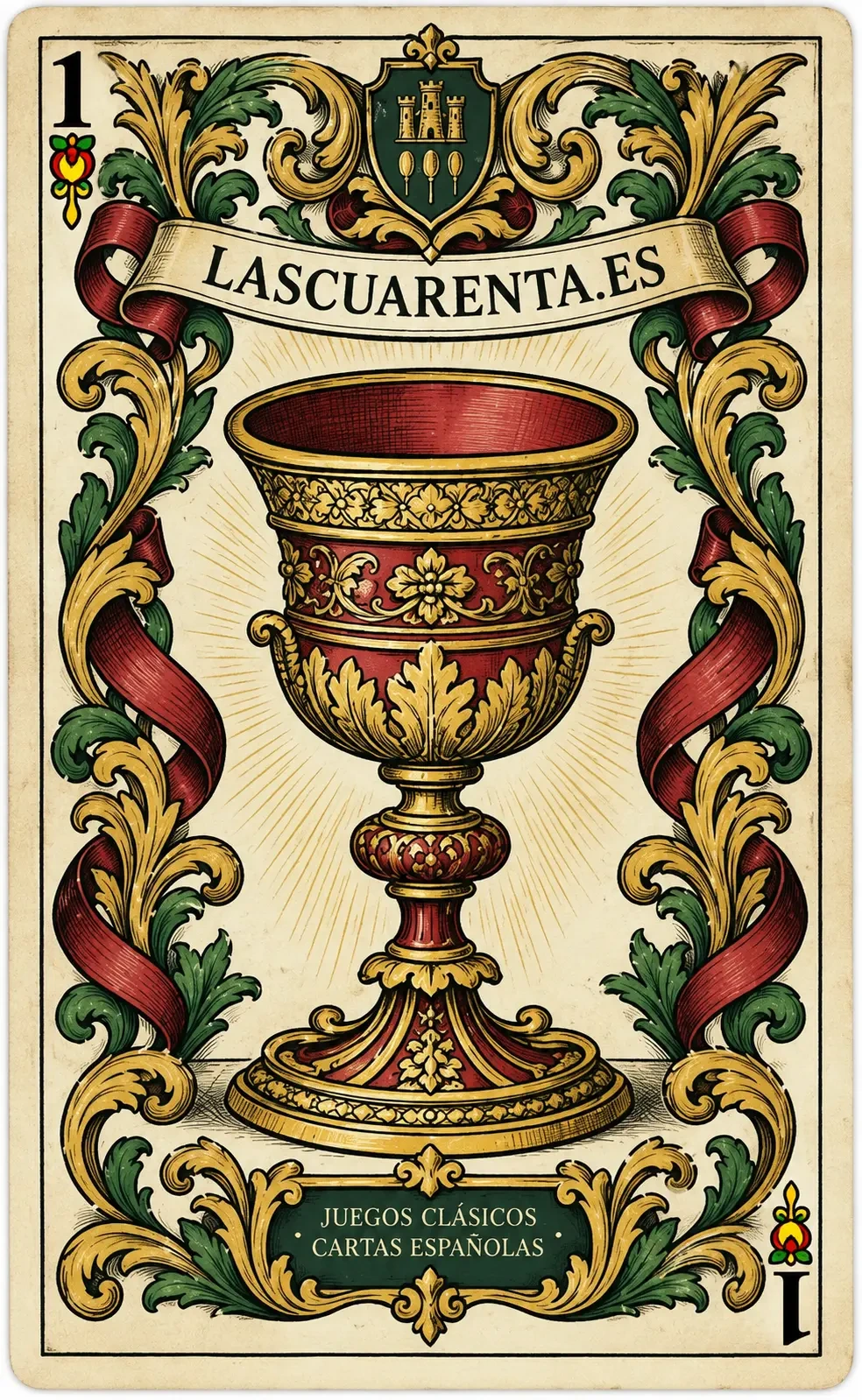
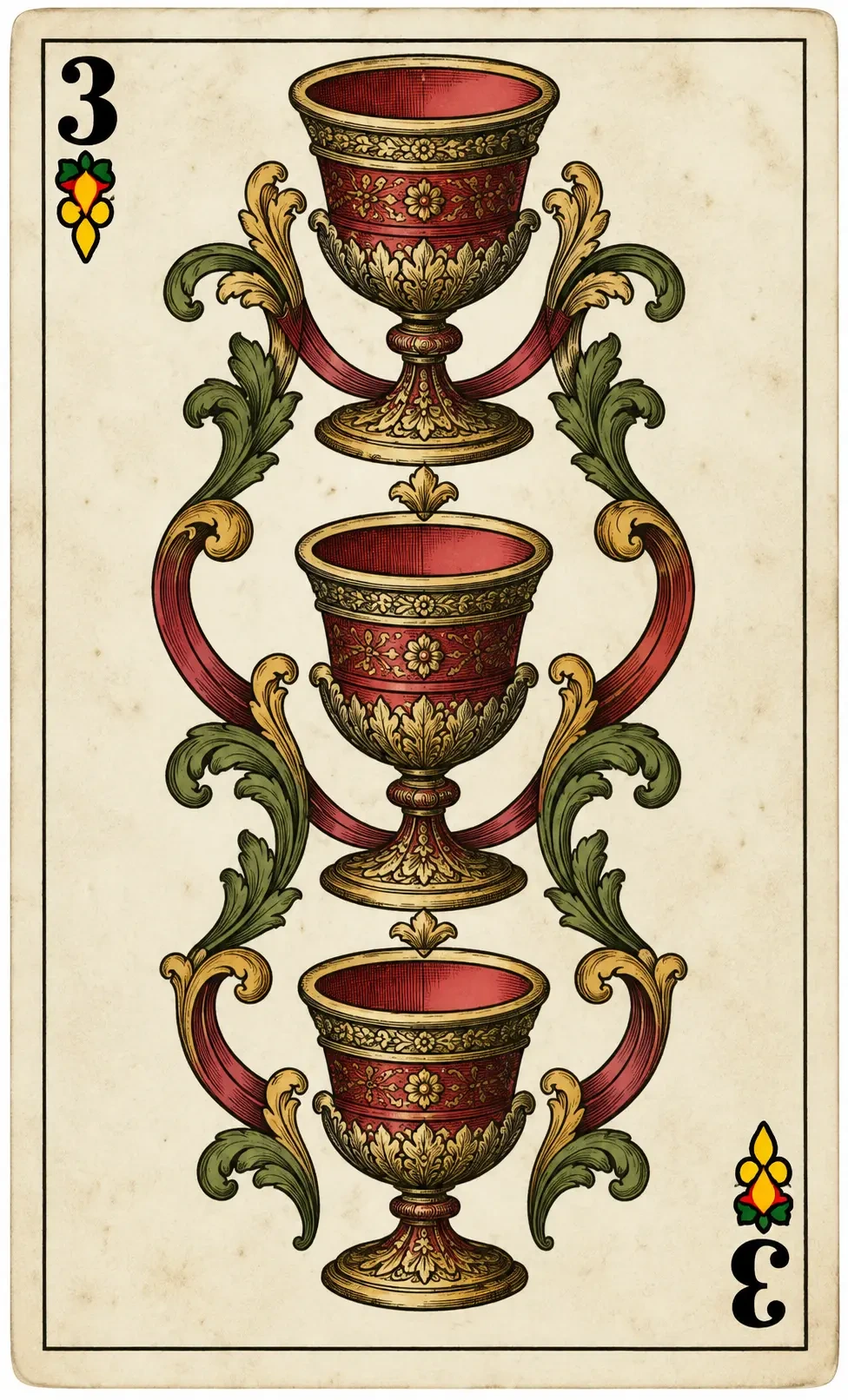
Klondike and Spider are played with the adapted Spanish deck, while Pyramid uses forty-eight cards including the ocho and nueve, with the goal of pairing cards that add up to thirteen.
Card order is numerical, from as to rey, without Tute's jumps: here it is the sequence that matters, not the strength of the card.
The table and the deal
Klondike: seven columns of cards, one face up at the end of each, plus a stock to draw from. You build descending sequences alternating colour and move cards up to the four suit foundations.
Spider: several columns, with the goal of forming complete same-suit sequences, which are then removed from the table. Dealing from the stock deals a card to every column, so the order beforehand matters.
Pyramid: cards laid out in a pyramid, and you pair up cards adding to thirteen to remove them, uncovering the ones underneath. The reyes are removed on their own.
How to play, step by step
Solitaire — also called patience — is played alone with a Spanish deck: you arrange the cards according to the chosen variant until the board is cleared, with no opponents or turns.
- 1
Choose your variant
Before dealing, choose between Klondike (the classic seven-column game), Spider (two decks and ten columns) or Pyramid (pairs that add up to thirteen).
- 2
Klondike: alternating-colour runs
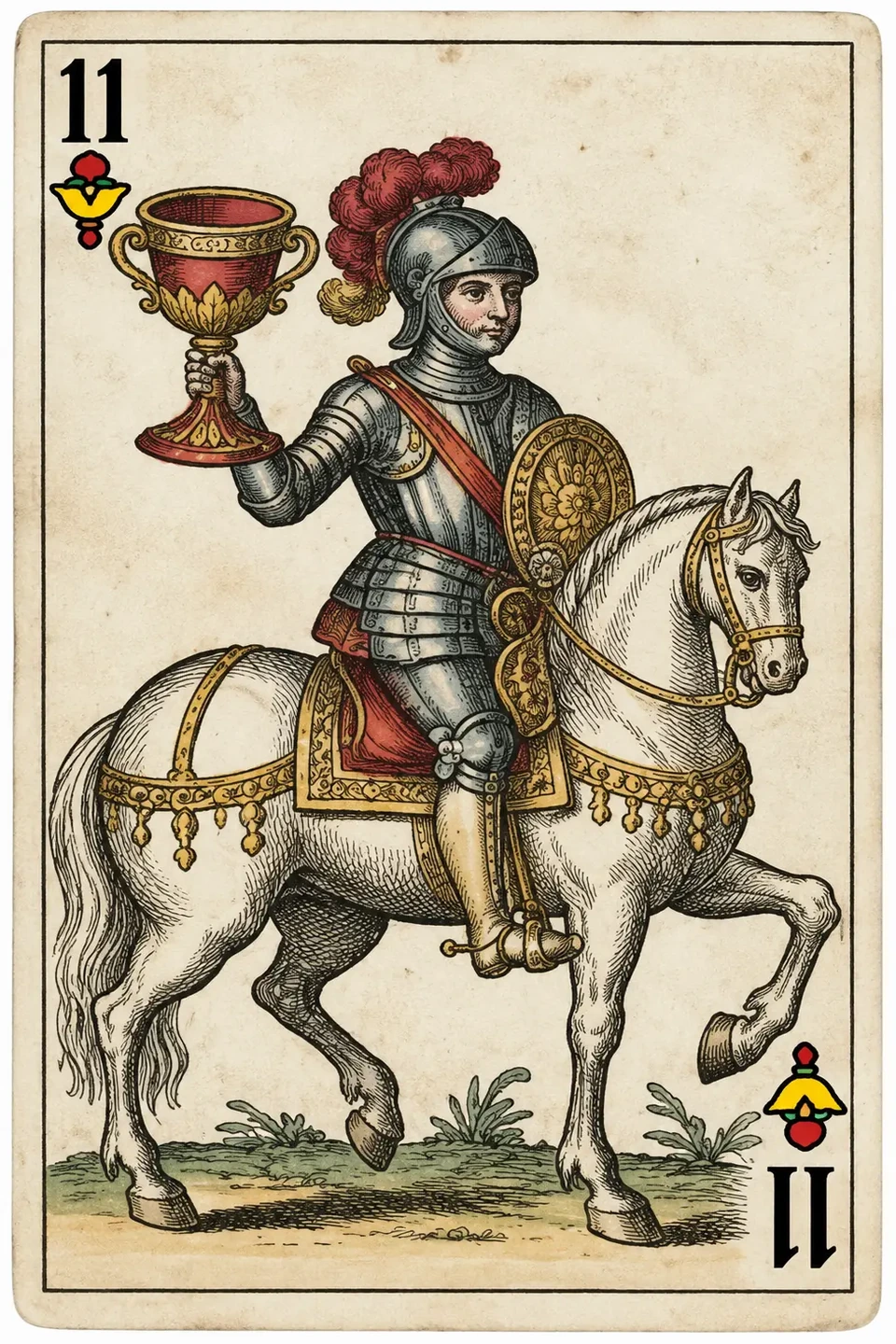
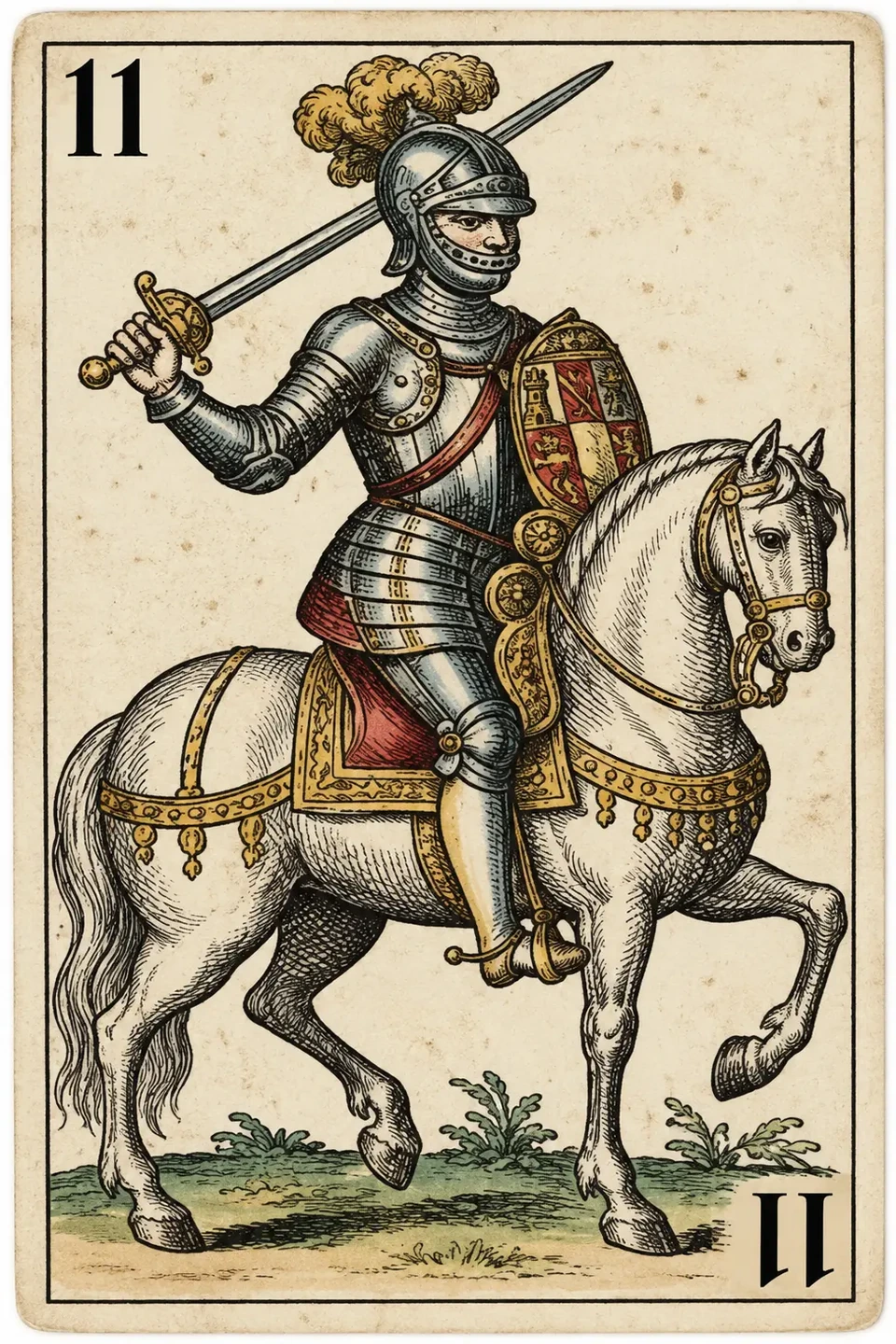
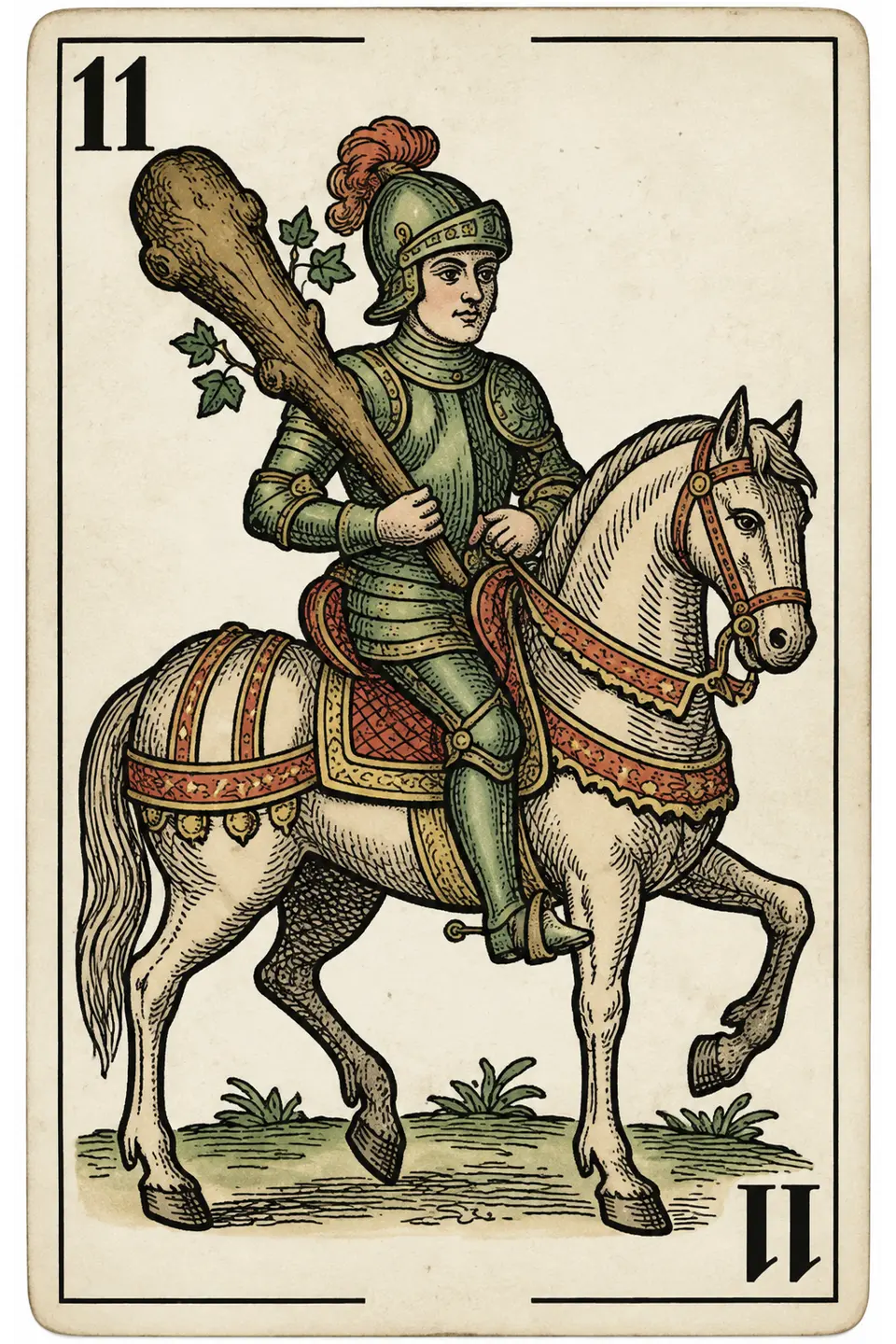
Seven columns are dealt and the stock allows three passes. Each card takes the next-lowest card of the opposite colour: coins and cups act as red, swords and clubs as black. Only a King can start an empty column.
- 3
Klondike: build up all four suits
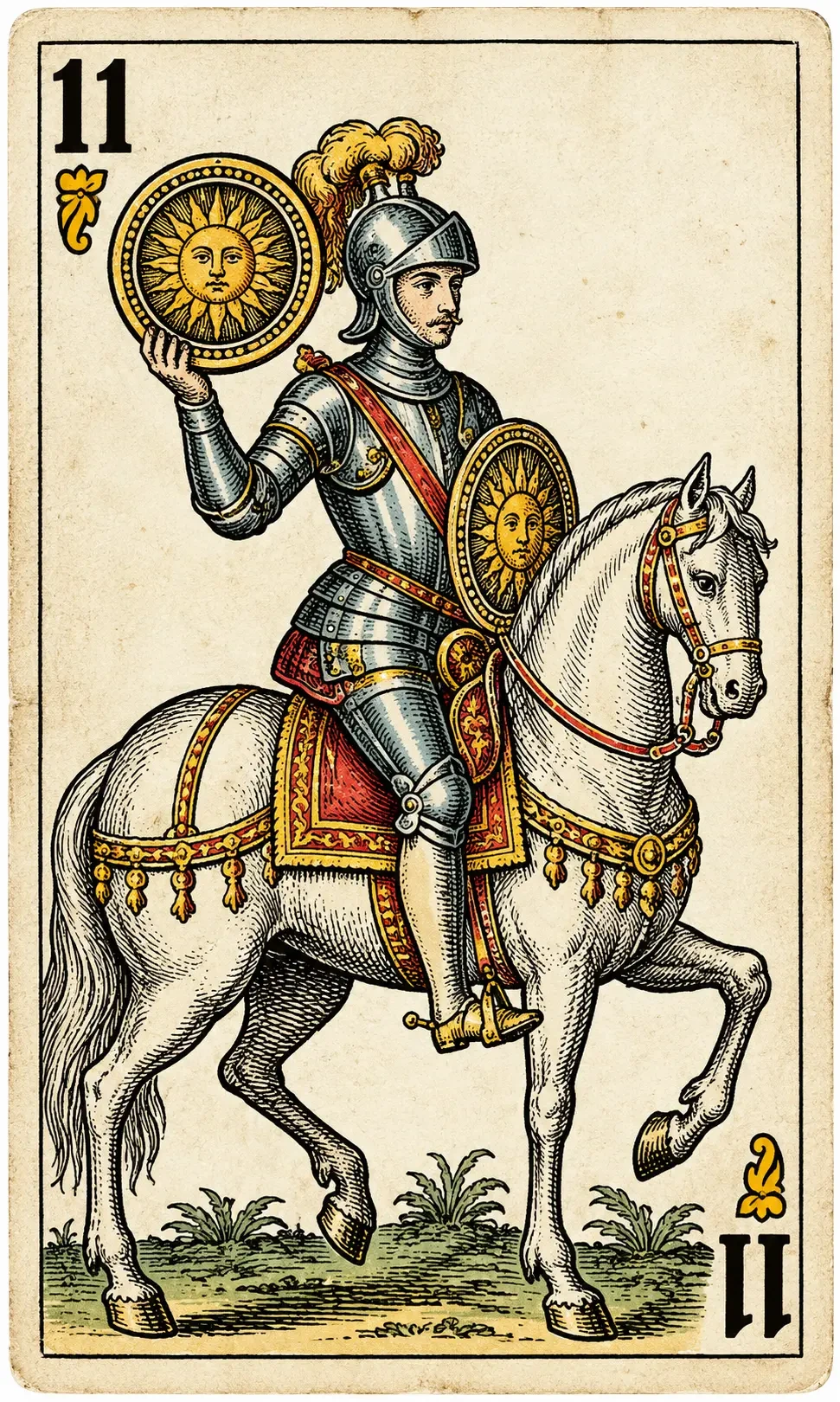
The four foundation piles are built up by suit, from Ace to King: Ace, two, three, four, five, six, seven, Jack, Knight and King. You win once all forty cards are placed.
- 4
Spider: same-suit runs
With eighty cards across ten columns, you build descending runs; only cards of the same suit move together, and you can't deal onto empty columns. Each completed King-to-Ace run is removed.
- 5
Pyramid: pairs of thirteen
Played with the 48-card long deck: you remove, two at a time, free cards that add up to thirteen, with the Ace worth one, two through nine their number, the Jack ten, the Knight eleven and the King twelve. A card is free when nothing covers it.
- 6
Draw, undo and watch the clock
When you're stuck, draw from the stock. You can undo up to five moves per game, and at the end your time and move count are saved as a personal record on your device.
Scoring and the end of the round
There is no opponent: the game is won once the variant's goal is completed. The site records your times and moves so you can beat your own best.
Solitaire games do not count towards the player ranking, since there is no human opponent.
Strategy: how to win more hands
Uncover before you tidy up
In Klondike, a move that reveals a hidden card is worth more than one that merely rearranges two visible cards. Always prioritise opening up columns.
Don't send cards to the foundations too soon
An as or a dos on the table can still be useful for placing another card. Sending it up as soon as it appears closes off options you will miss later.
In Spider, clear a column
An empty column is Spider's wildcard: it lets you rearrange entire sequences. Getting one is worth more than finishing off an almost-complete sequence.
In Pyramid, think two layers ahead
Pairing off the first thirteen you see often blocks the card underneath. Check what each pair uncovers before removing it.
Common mistakes beginners make
Playing too fast
Solitaire is a planning game. Most lost games are lost in the first three moves, played without looking at the whole board.
Drawing from the stock out of habit
Before drawing, exhaust the moves available on the table. Every draw reshuffles the stock's order and can close off a play.
Filling gaps without thinking
An empty column should be filled with whichever card will unlock the most other columns, not with the first one that fits.
Variants and regional names
Klondike (patience)
The classic patience: seven columns, single-card draw and four foundation piles built by suit from Ace to King. With a Spanish deck, coins and cups alternate with swords and clubs.
Spider
Two Spanish decks, eighty cards and ten columns. Runs of the same suit are built and eight King-to-Ace runs must be completed.
Pyramid of thirteen
Twenty-eight cards in a pyramid, with the 48-card deck, from which pairs adding up to thirteen are removed.
Table glossary
- Casa
- The four suit foundations where cards are sorted in Klondike.
- Columna
- Each pile on the table on which sequences are built.
- Secuencia
- Cards arranged in consecutive order following the variant's rules.
- Trece
- The sum two cards must form to be removed in Pyramid.
Frequently asked questions about Solitario
Rules of the other games
Still have a general question? Check the site's frequently asked questions or the blog.