

Full rules
Rules of Pumba: how to play
Pumba is played by two to six players with a Spanish deck: play a card matching suit or number to the top of the discard pile, and whoever empties their hand first wins.
Pumba is the Spanish deck's shedding game: cards are chained by matching suit or value, and special cards force draws, skip turns and reverse the order of play. Whoever runs out of cards first wins.
2 to 6 players
What is Pumba
The fast Spanish-deck discarding game, also known as «chúpate 2»: play a card matching suit or number, chain twos, change suit with the jack, and call «Pumba!» when you're down to one card.
The deck and card values
Forty-card Spanish deck. There are no scoring values as such: what matters is what each special card does and how many cards you have left.
Each table can agree its own specials; on the site they are defined and shown before the game starts, so nobody discovers a new rule halfway through.
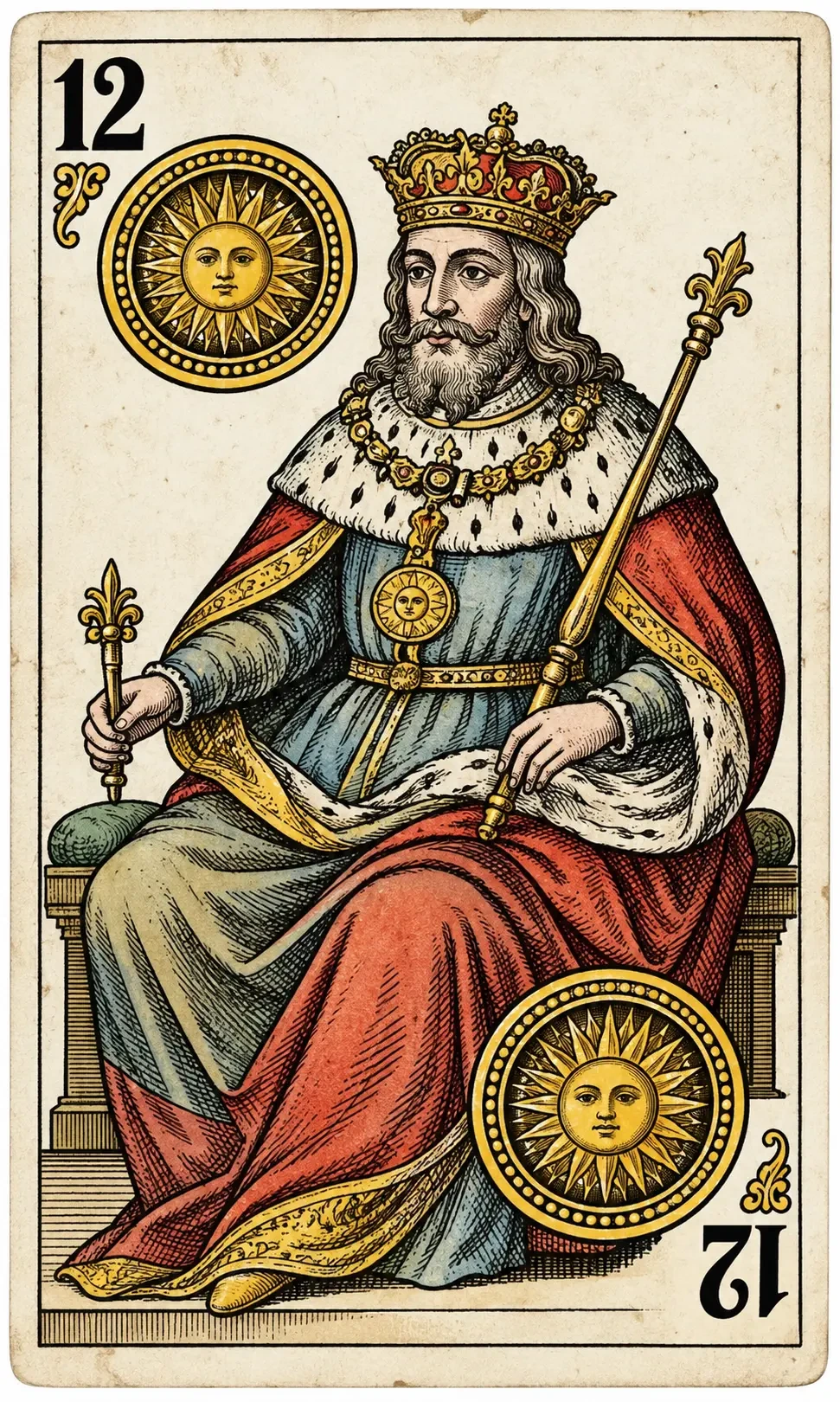
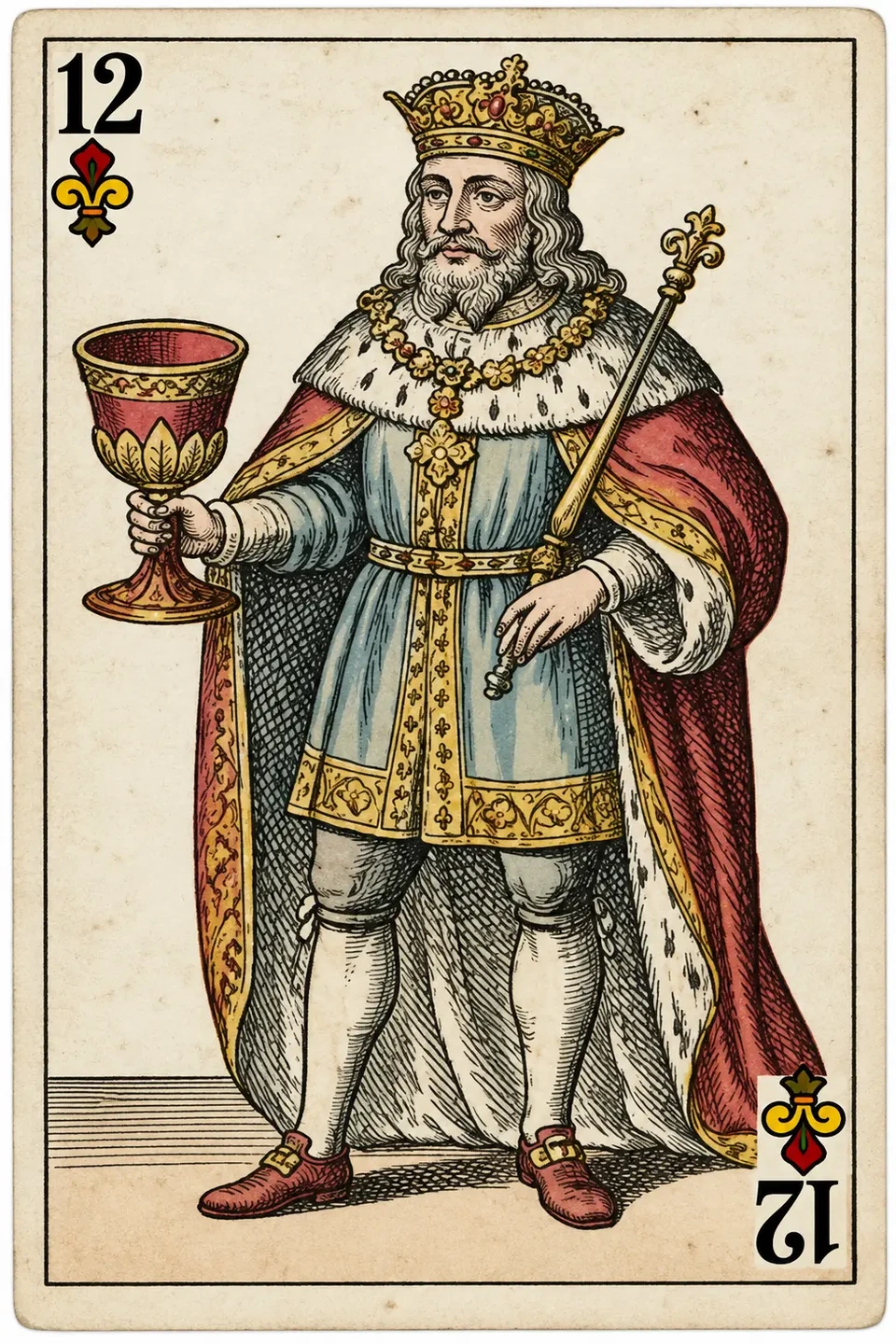
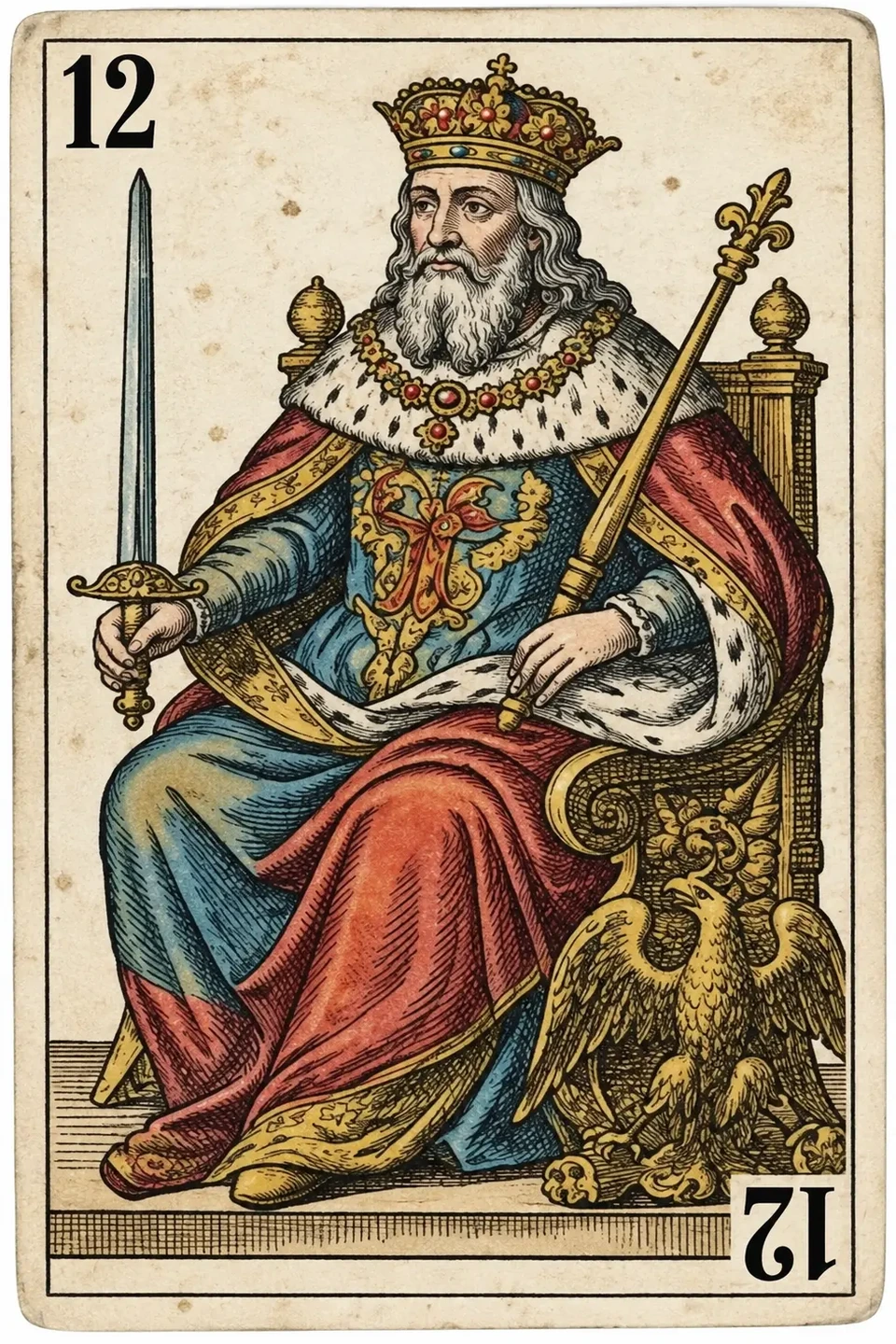
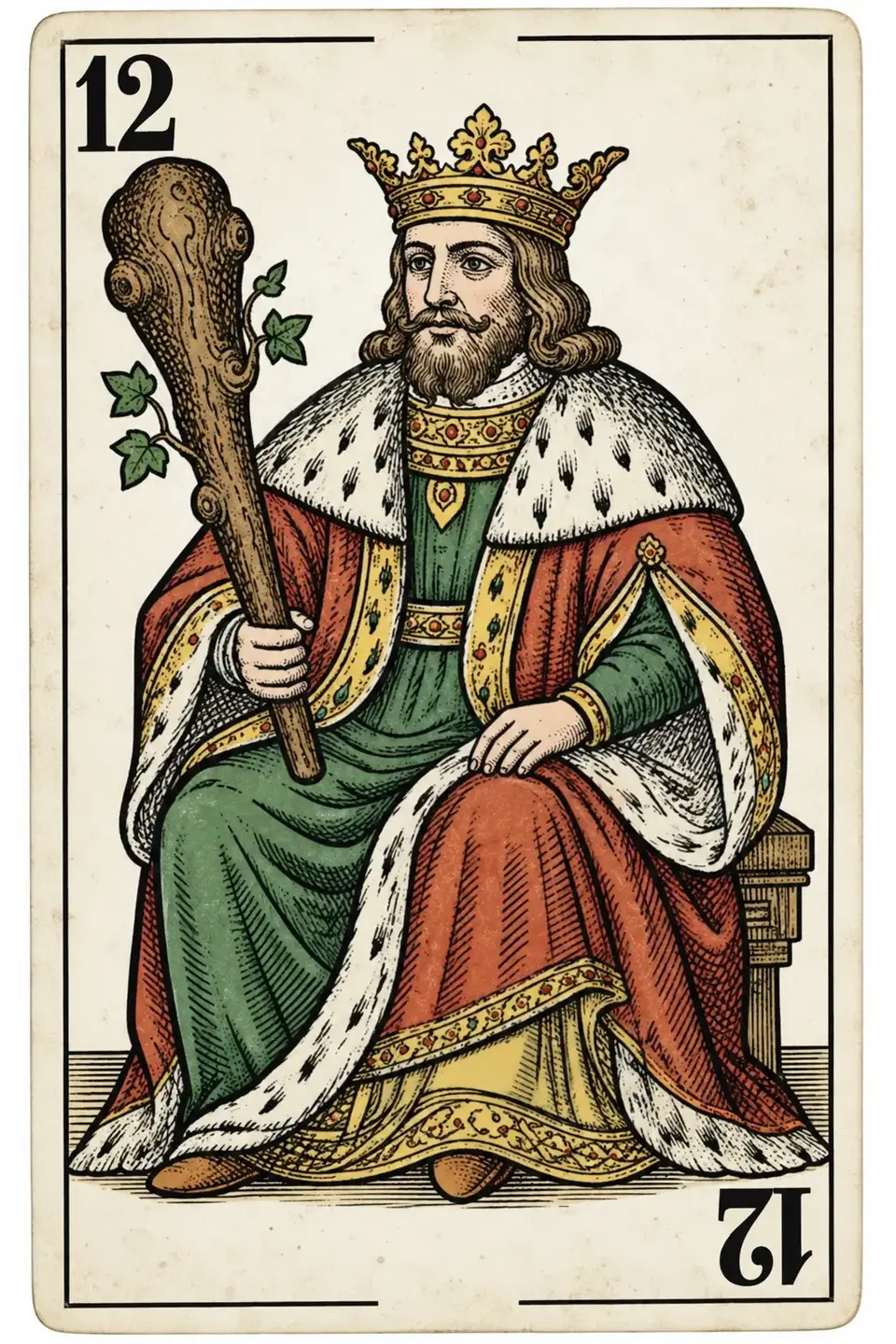
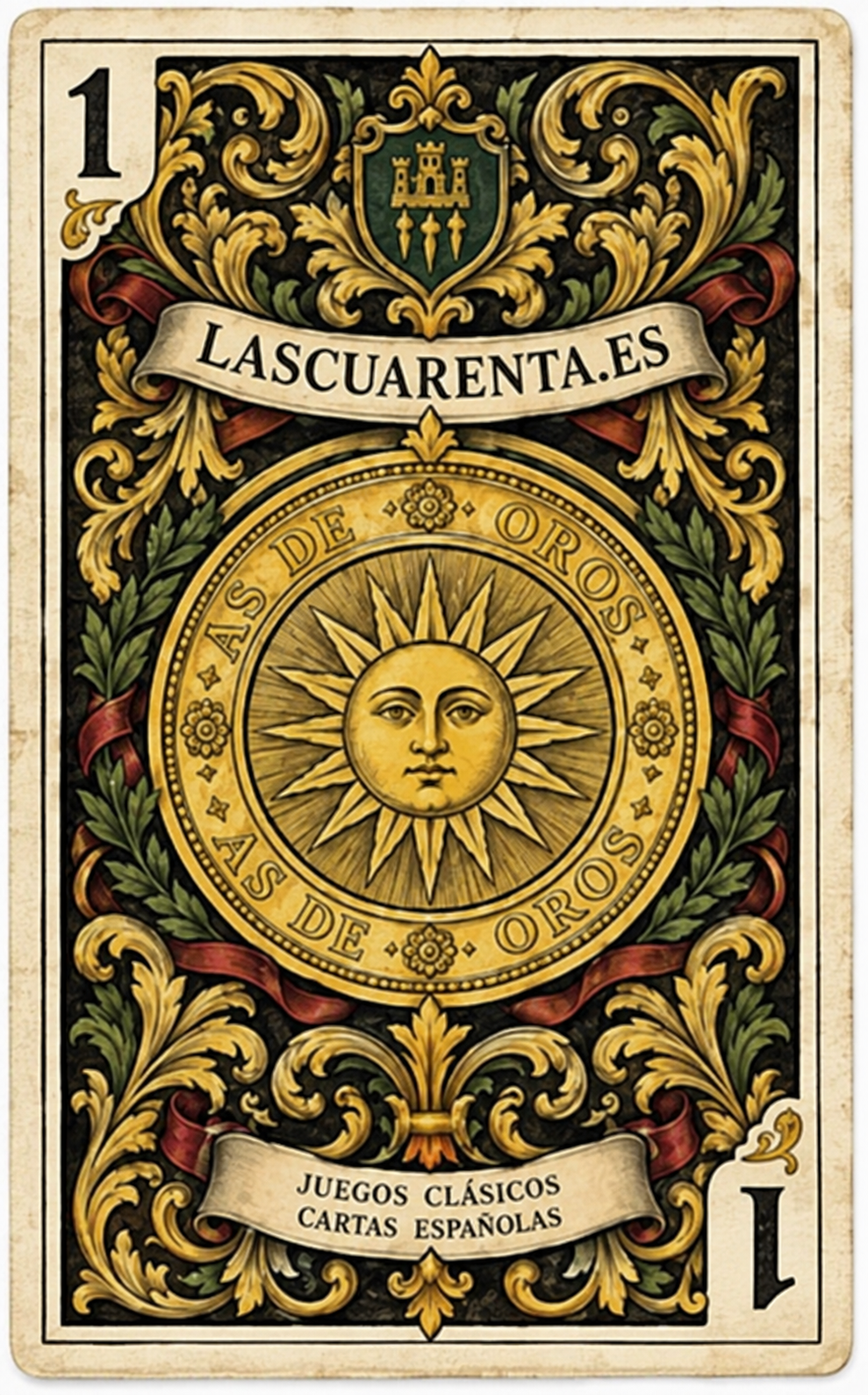
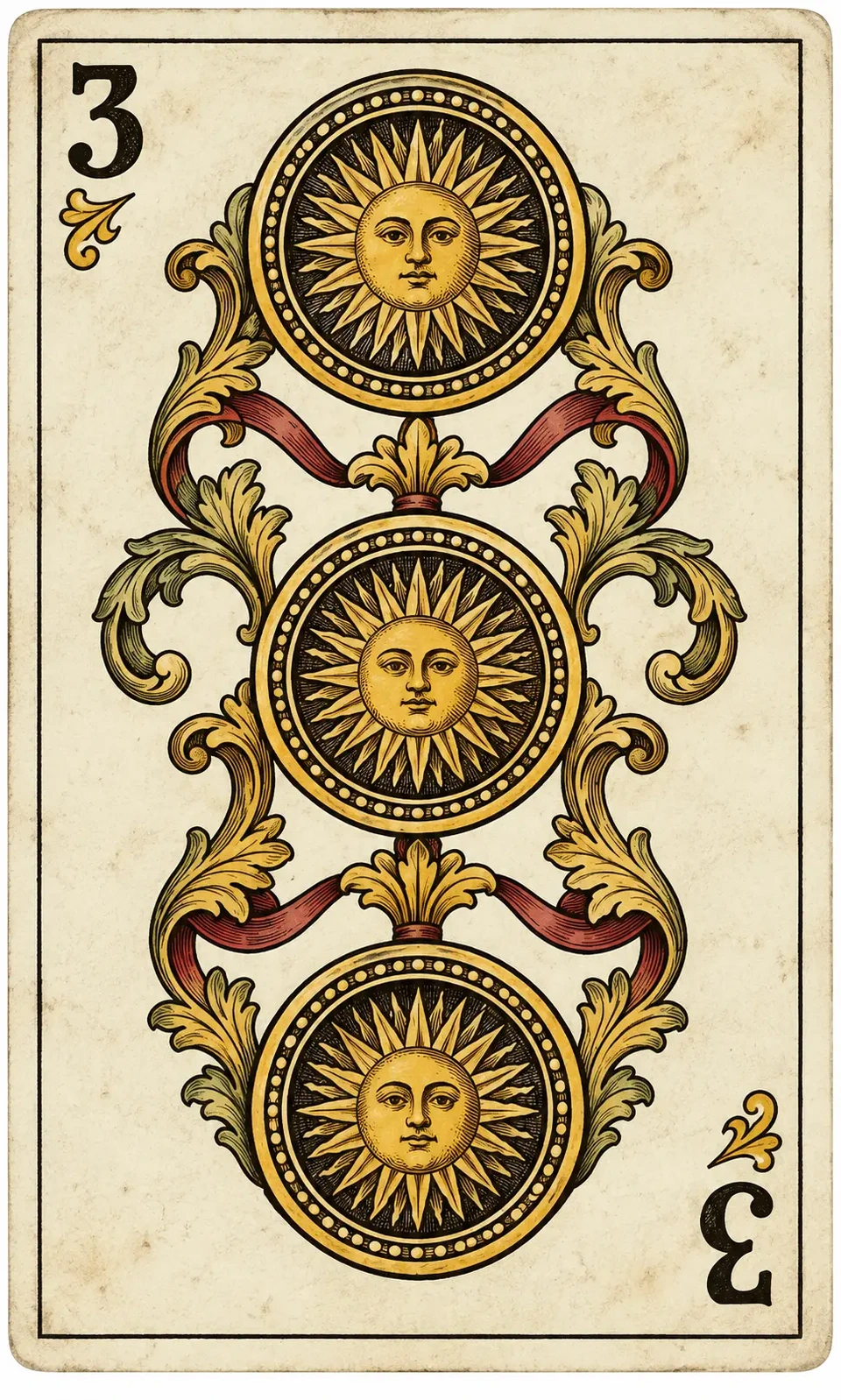
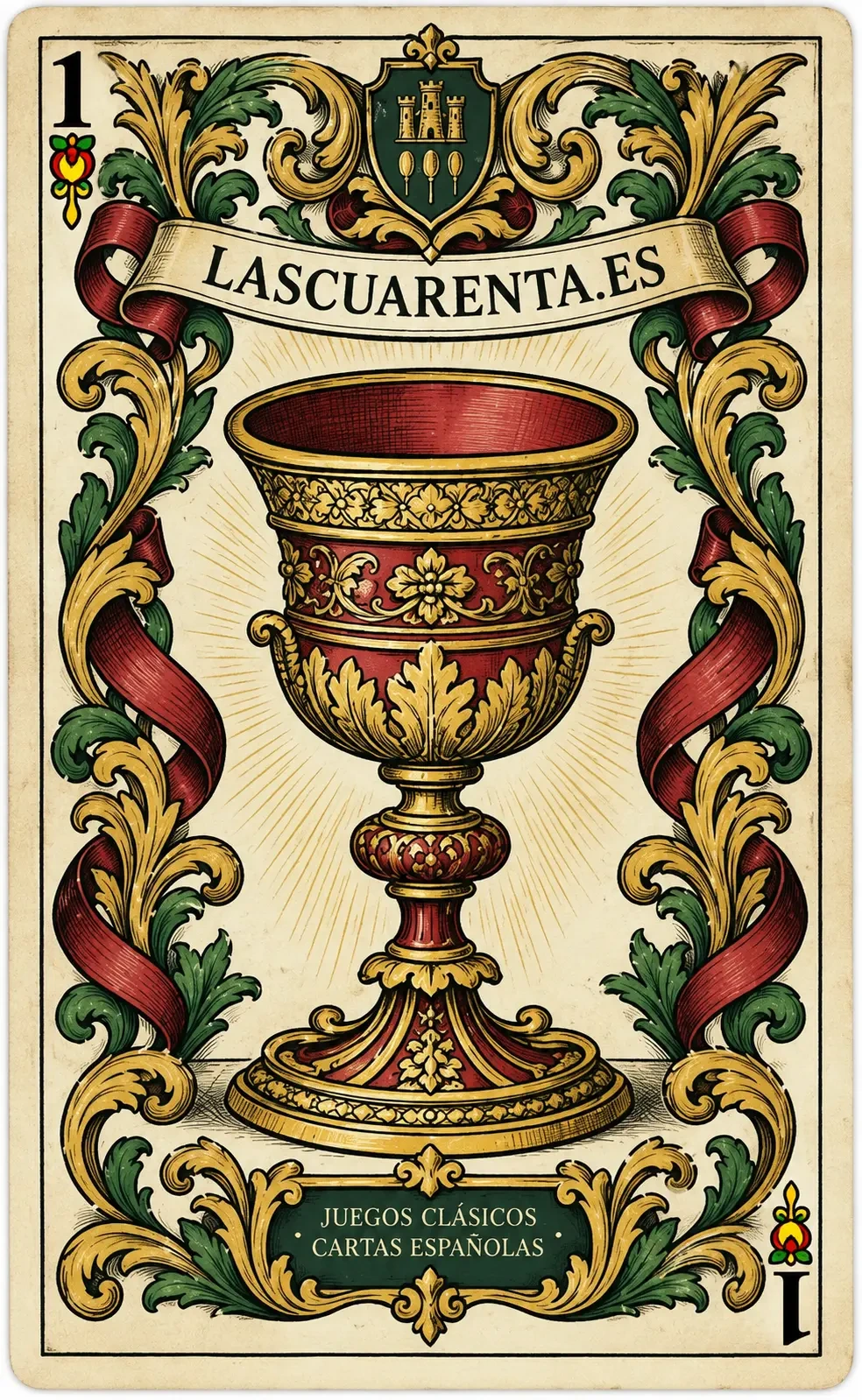
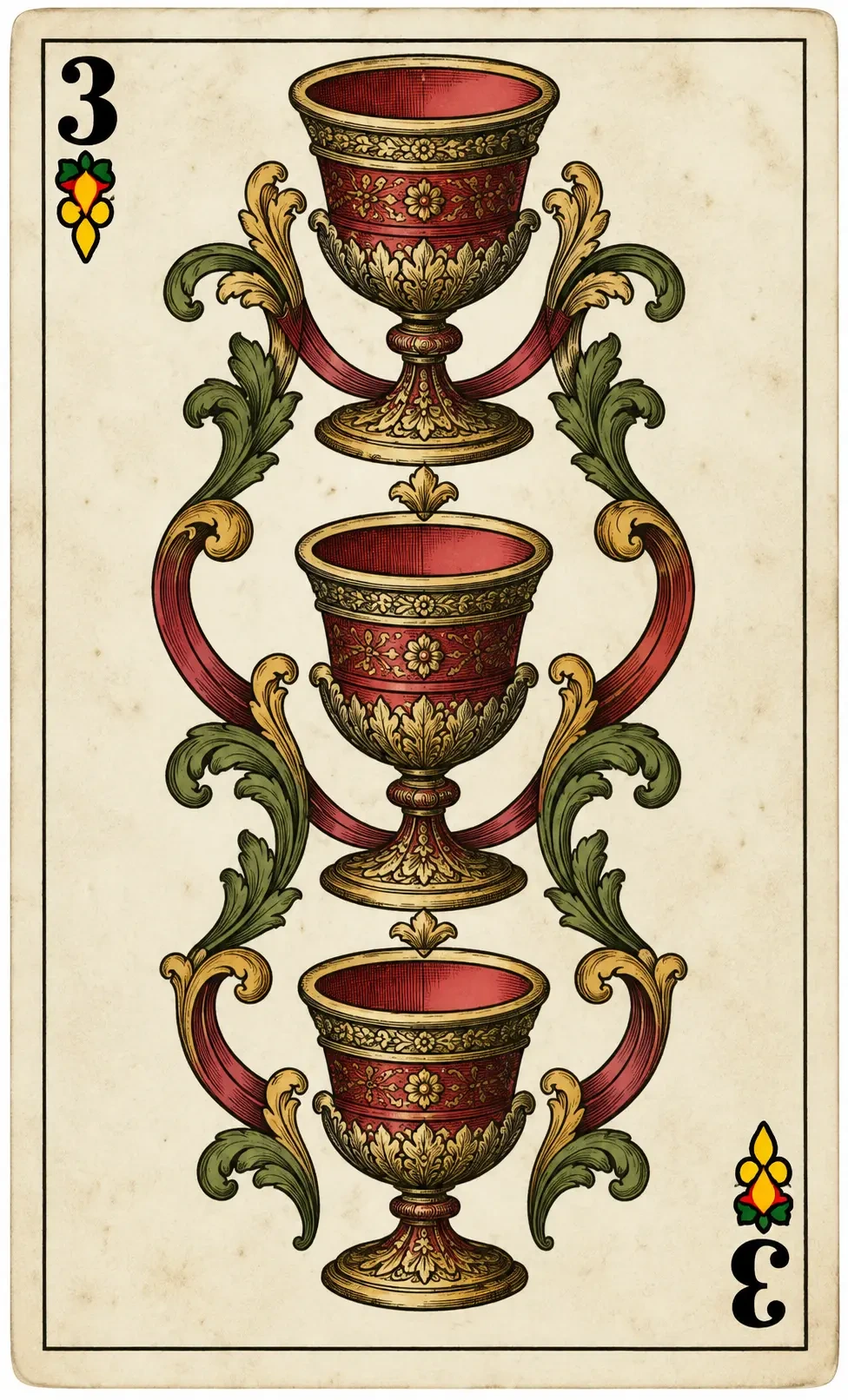
The table and the deal
Two to six players, everyone against everyone. Several cards are dealt to each player, the stock is placed face down, and its top card is turned up to start the pile.
On your turn you must play a card matching the suit or value of the top card. If you cannot or do not want to, you draw from the stock and your turn passes.
Special cards chain effects: forcing a draw, skipping the next player, reversing the direction of play, or naming a suit. Effects can stack if the table allows it.
Once you are down to a single card you must say so. Staying quiet and getting caught means drawing penalty cards.
How to play, step by step
Pumba is played by two to six players with a Spanish deck: play a card matching suit or number to the top of the discard pile, and whoever empties their hand first wins.
- 1
Deal five and four cards
With the forty-card Spanish deck, five cards are dealt to whoever opens the hand and four to the rest. The top card of the stock is flipped to start the discard pile.
- 2
Match suit or number
On your turn, play a card that matches either the suit or the number of the top of the discard pile. The Jack can always be played and acts as a wild card.
- 3
Draw up to twice
If you can't play — or would rather hold a card back — you draw from the stock. You can't draw more than twice per turn: after that you must play or pass.
- 4
Use the special cards
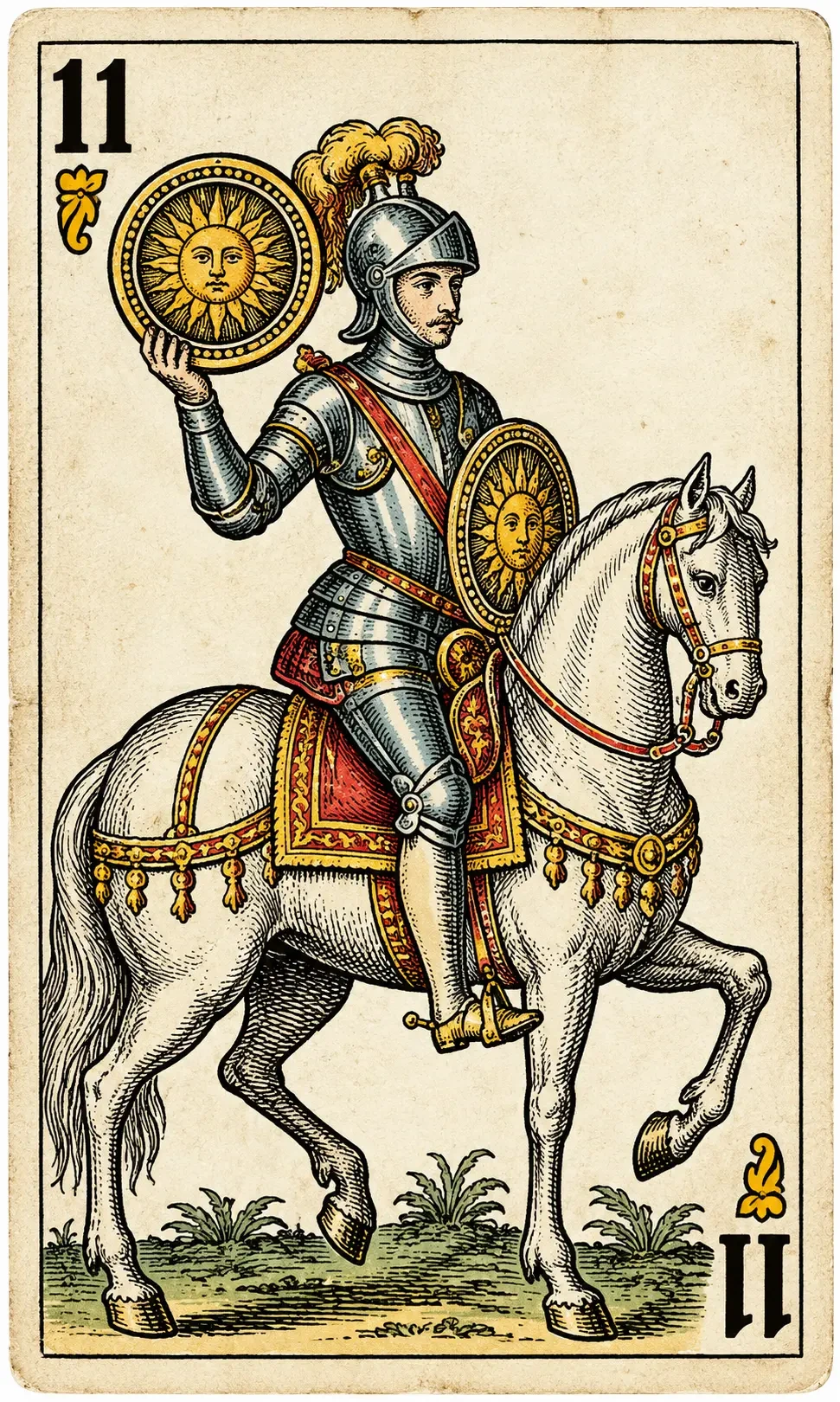
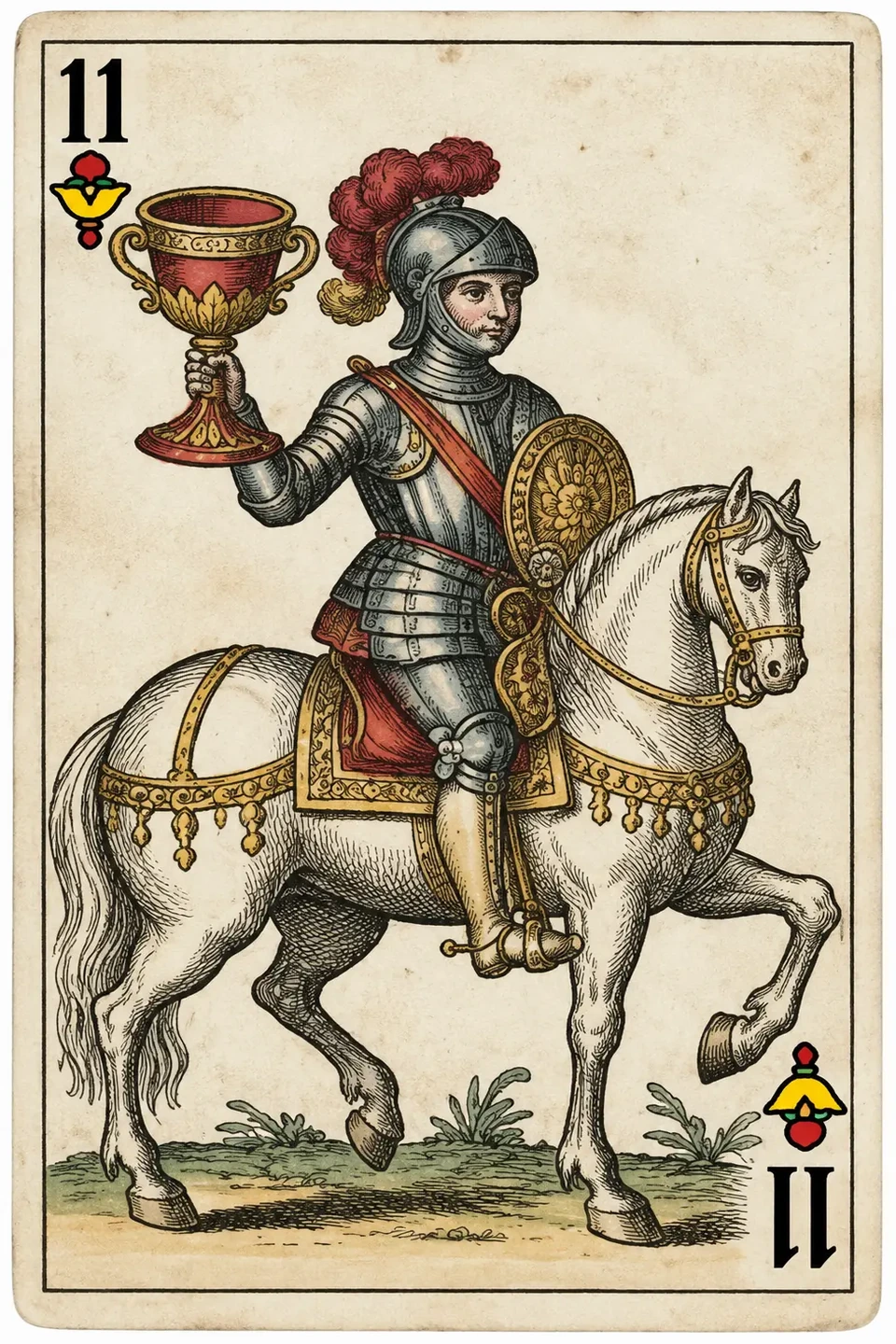
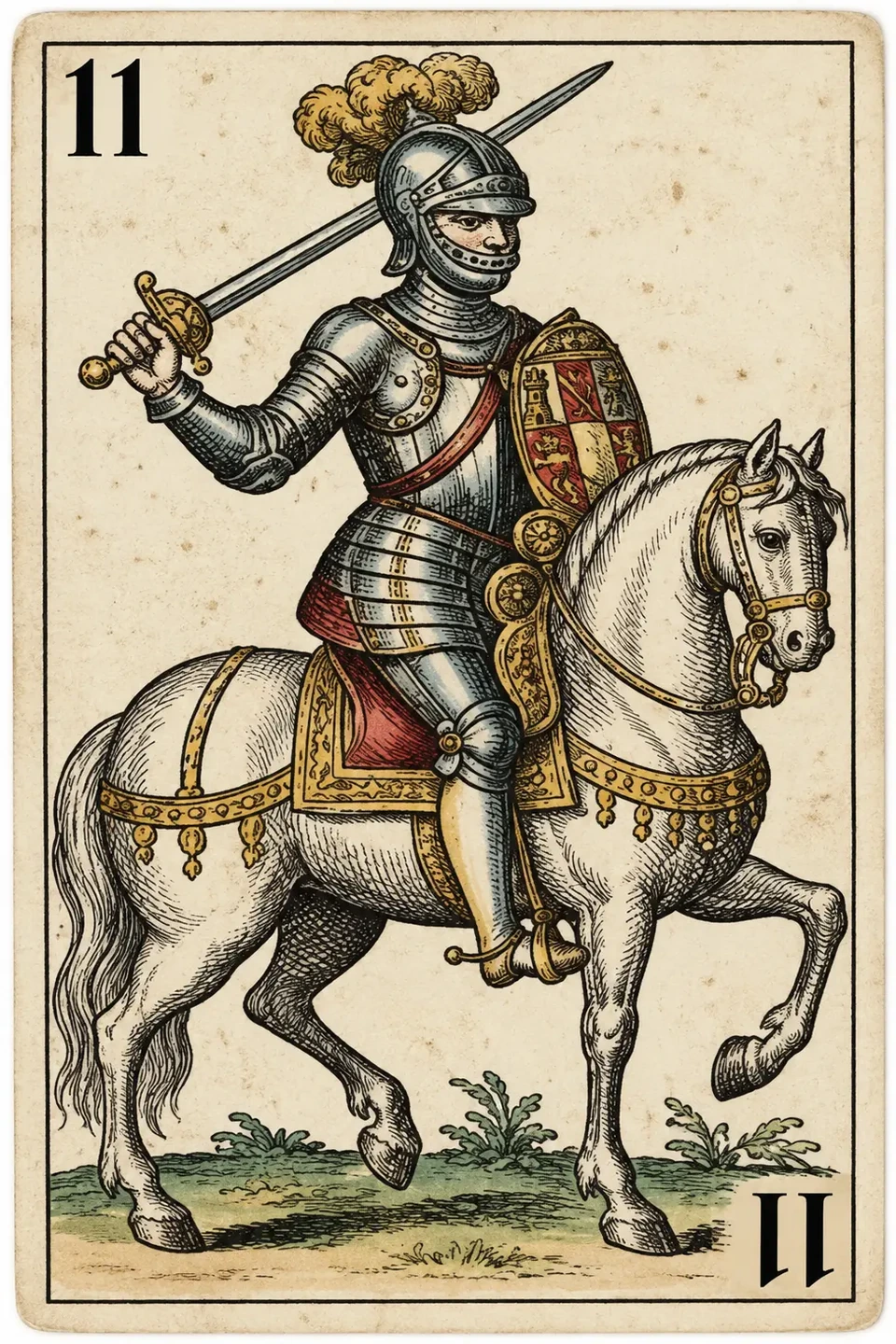
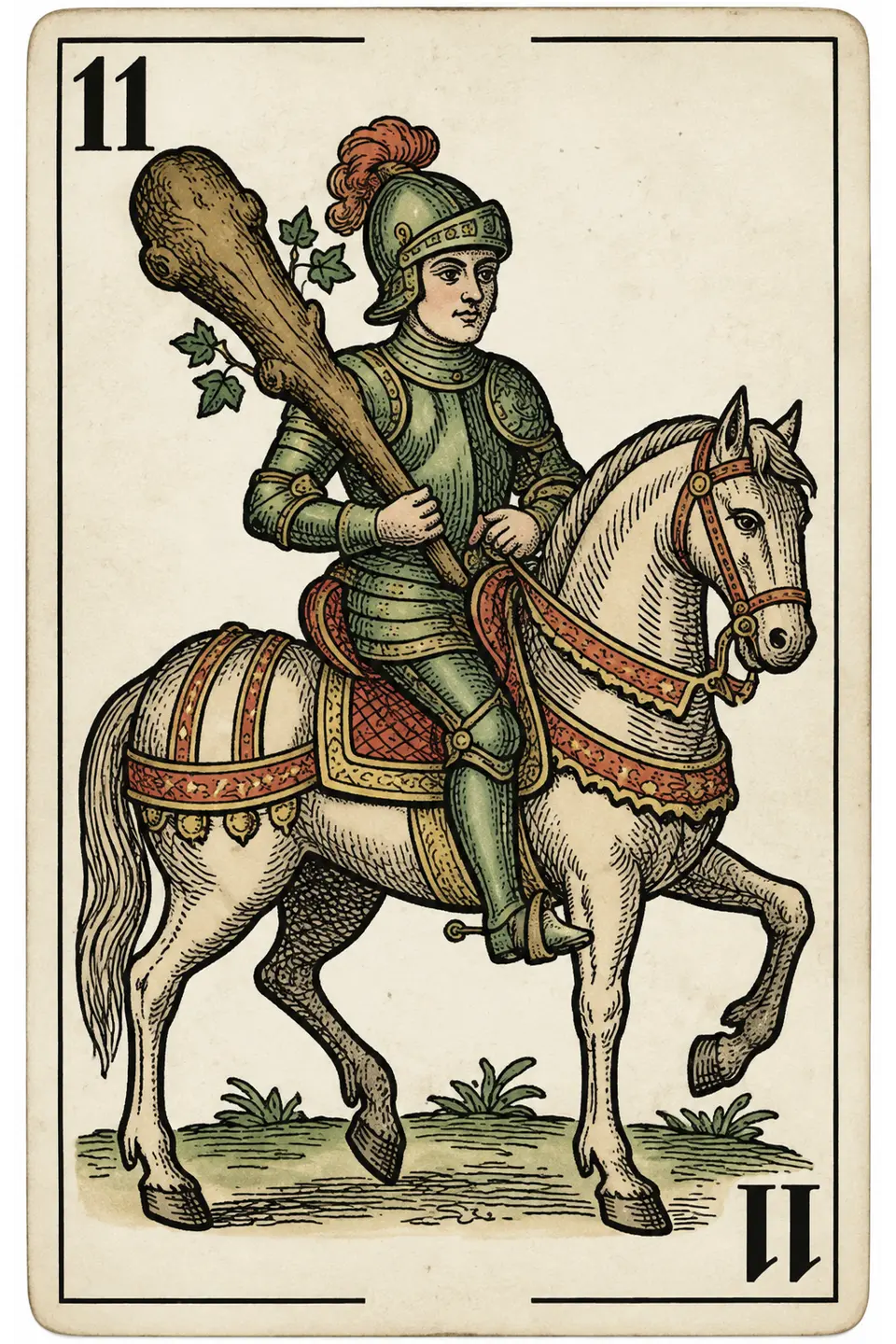
The Ace makes an opponent draw a card, the two forces the next player to draw two and stacks with other twos, the seven reverses the direction, the Jack changes the suit, the Knight skips a turn, and the King lets you play again.
- 5
Call "Pumba!"
Before playing your second-to-last card — leaving you with just one — you must call "Pumba!". If you forget, you draw two penalty cards.
- 6
Score and eliminate
Whoever empties their hand subtracts five points; the rest add up the value of their remaining cards (two, Jack and King are worth ten; Knight nine; the rest their number). Whoever reaches the agreed limit is eliminated, and the last player standing wins.
Scoring and the end of the round
Whoever empties their hand wins the round. Everyone else scores points for the cards left in hand.
The game ends when someone reaches the agreed point limit (set before sitting down), and whoever has fewer points wins.
Strategy: how to win more hands
Save a penalty card for the end
When an opponent announces they have one card left, a forced-draw card sends two more back into their hand. Saving one is more useful than spending it early.
Keep a mixed range of suits
Holding five oros (coins) and nothing else is a guarantee you will end up drawing. Get rid of the surplus of one suit while you still have the choice.
Watch which suit each player calls
If an opponent changes suit whenever they can, that is where their strength lies. Avoid leaving that suit sitting on top of the pile for them.
Don't hang on to a good card forever
Saving your best special all game and eating ten cards along the way does not pay off. Use it whenever it saves you a draw.
Common mistakes beginners make
Forgetting to announce your last card
It is the most common penalty and the easiest to avoid. Announce it the moment you play your second-to-last card.
Drawing without needing to
Before drawing, check the suit and value of the top card: many players draw while holding a perfectly valid play.
Hoarding figure cards
If the table scores the cards left in hand, holding onto reyes and caballos when someone else closes is the quickest way to hit the limit.
Table glossary
- Pila
- The central pile where cards are played; only the top card matters.
- Especial
- A card with an effect: forcing a draw, skipping a turn, reversing direction, or naming a suit.
- Encadenar
- Responding to a penalty card with another matching one to pass the effect to the next player.
Frequently asked questions about Pumba
Rules of the other games
Still have a general question? Check the site's frequently asked questions or the blog.