

Full rules
Rules of Mus: how to play
Mus is played by four players in two pairs with four cards each: first you ask for mus and discard, then you bet on grande, chica, pares and juego until reaching forty points.
Mus is the king of Spanish-deck games: four players, two partnerships, four cards each and four lances (betting rounds) played blind. You win by bidding, not by holding good cards, which is why it has filled bars and championships for a century.
4 players (2 pairs)
What is Mus
Four players, two pairs, four cards each. The hand moves through grande, chica, pares and juego; each stage you can bet, see the bet or go all in, up to forty points.
The deck and card values
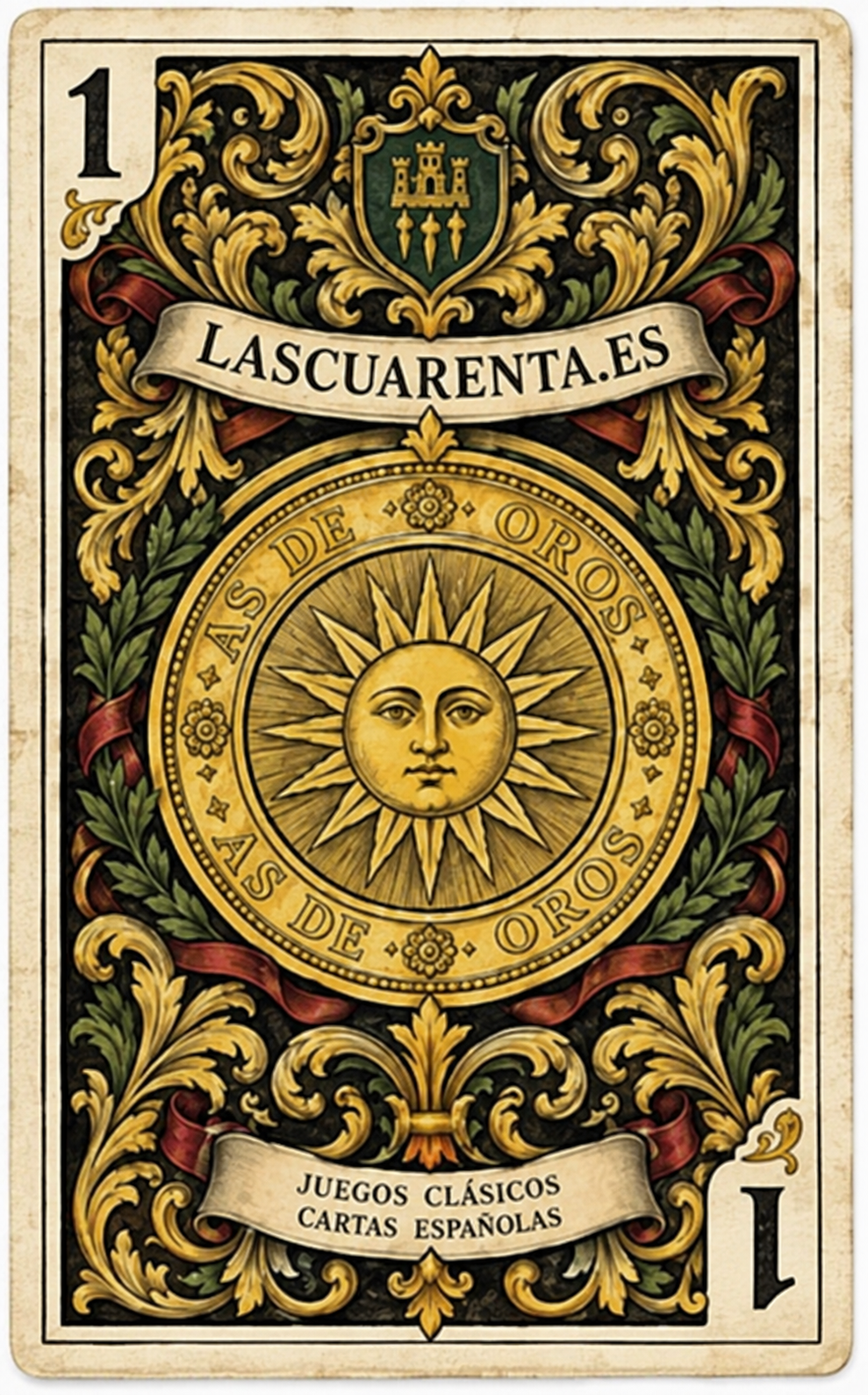
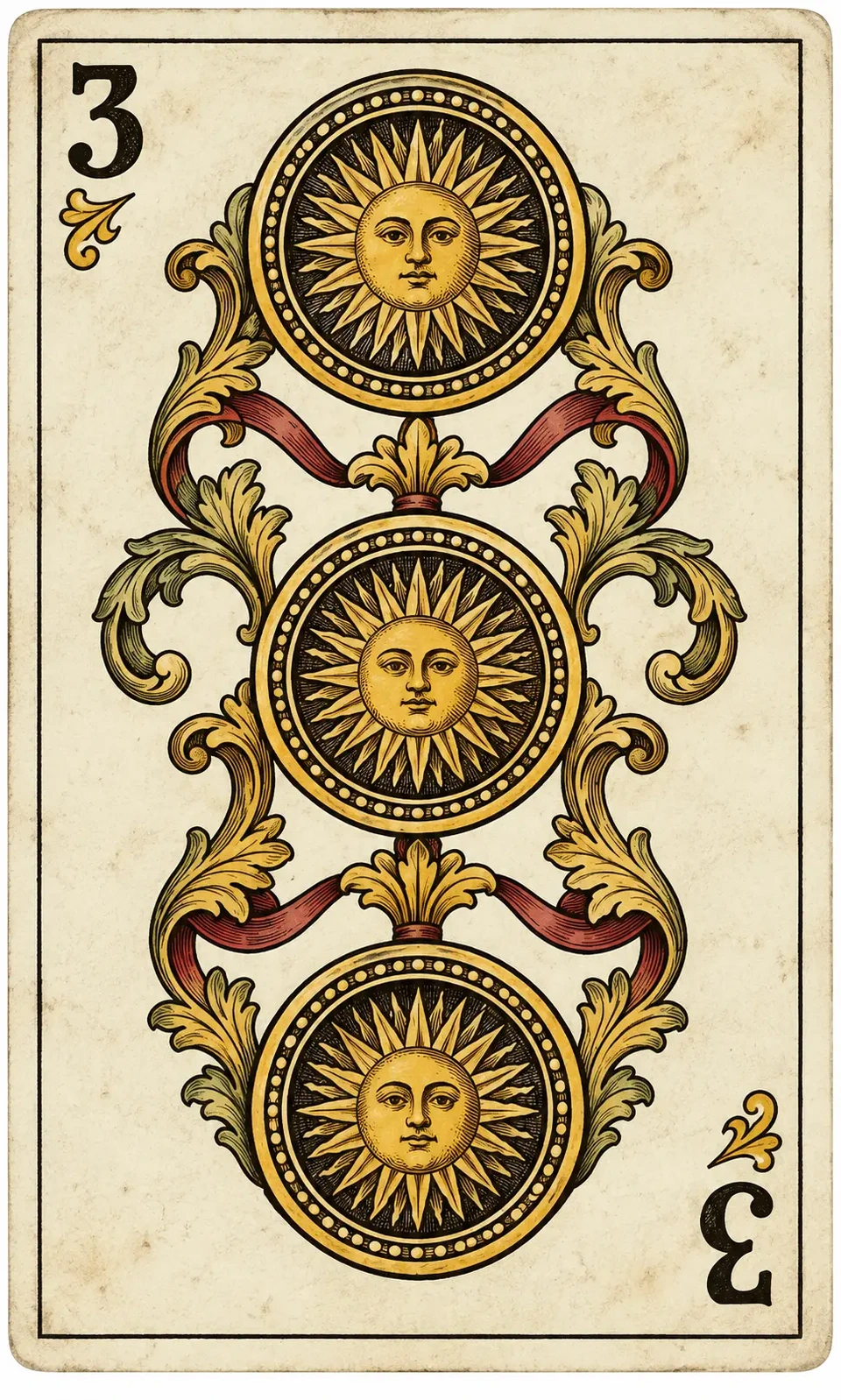
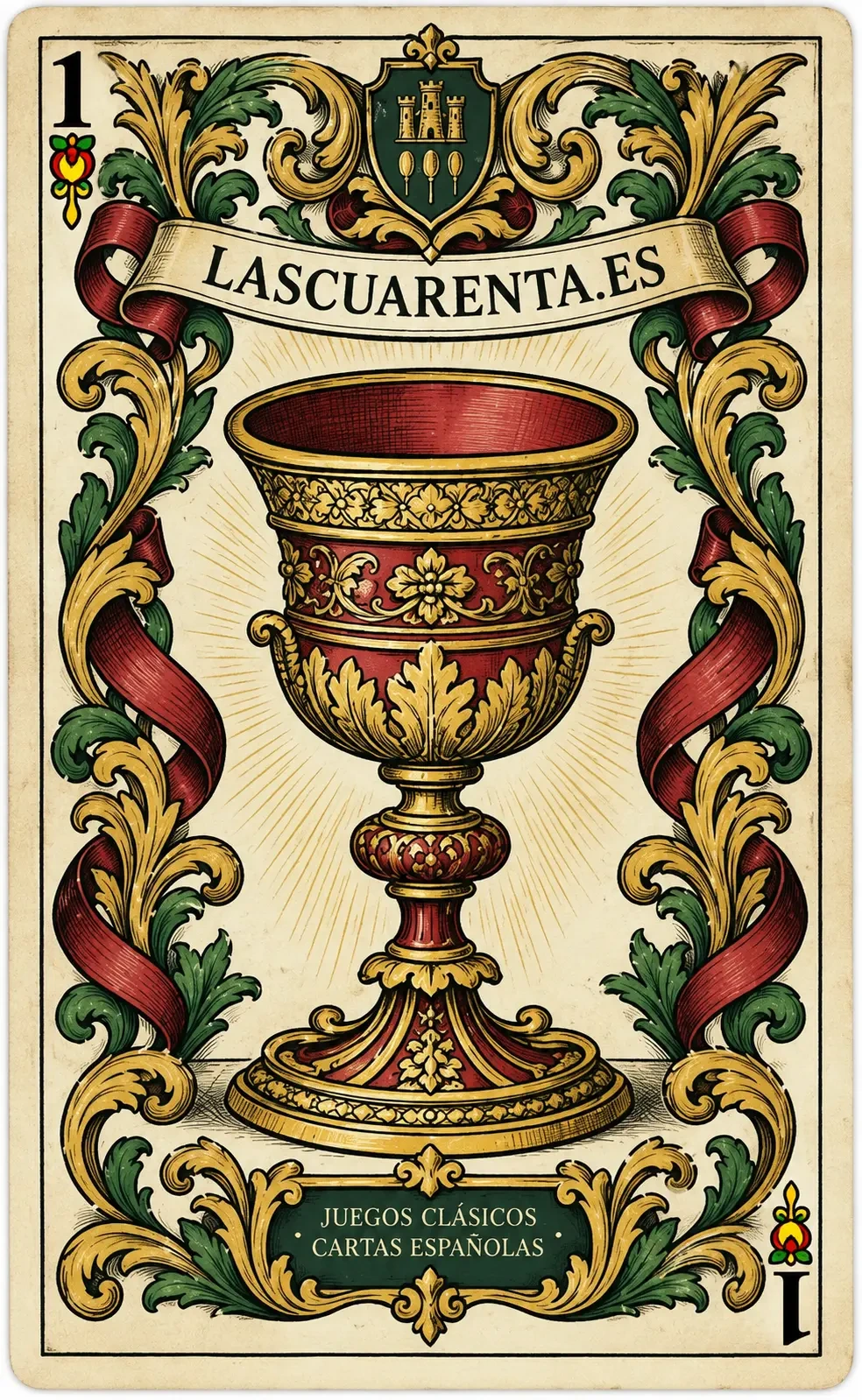
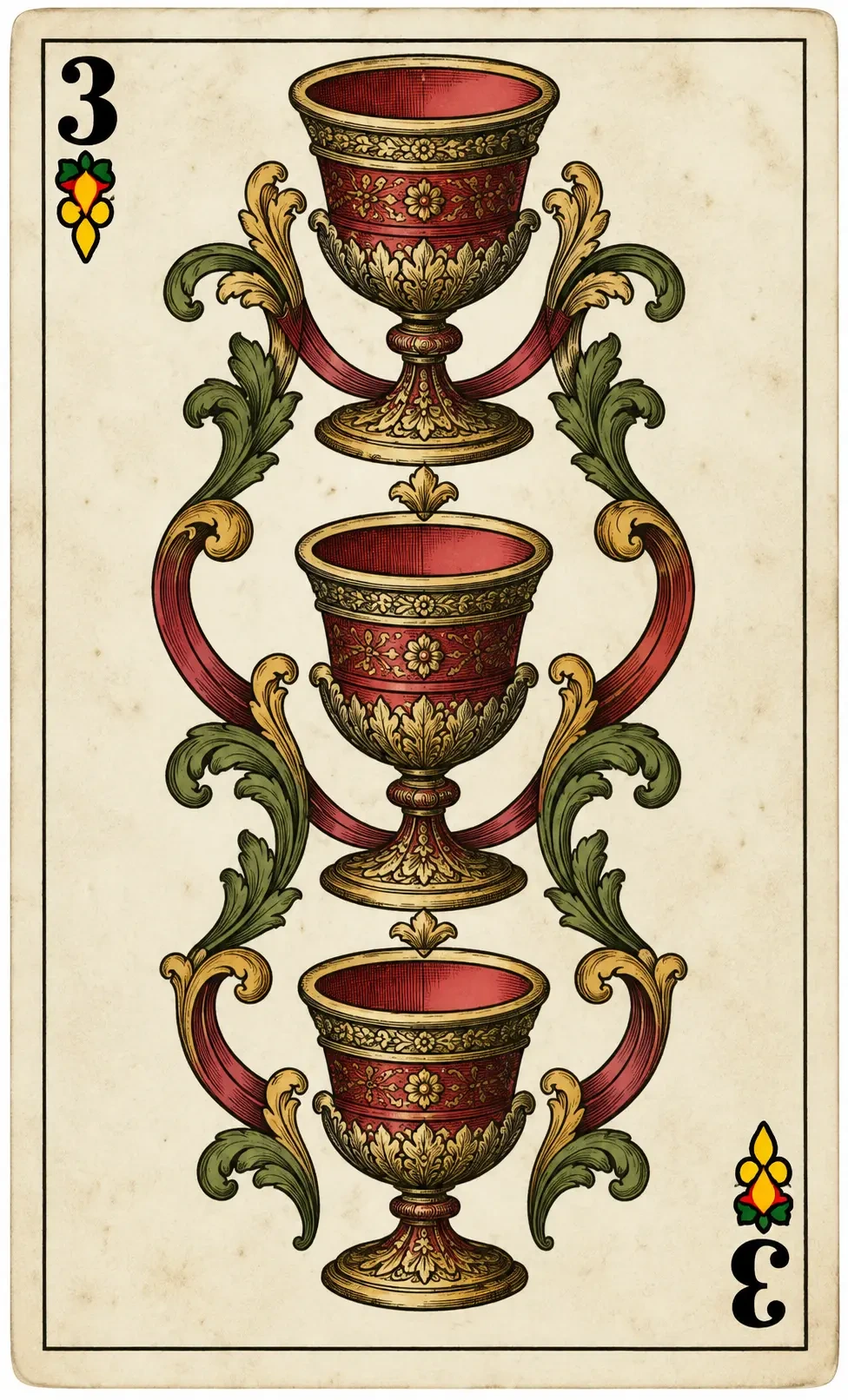
Forty-card Spanish deck. It is usually played with reyes and ases only: threes count as reyes and twos count as ases, giving eight high cards and eight low cards.
For grande (highest hand) and chica (lowest hand) the ranking is rey, caballo, sota, seven, six, five, four, as. For juego (point total), values are added up: figure cards count ten, the rest their face value, and the as counts one.
Pares (pairs) can be duples (two pairs), medias (three of a kind) or a simple pair. In juego, thirty-one is the best hand, followed by forty, thirty-seven, thirty-six and so on down.
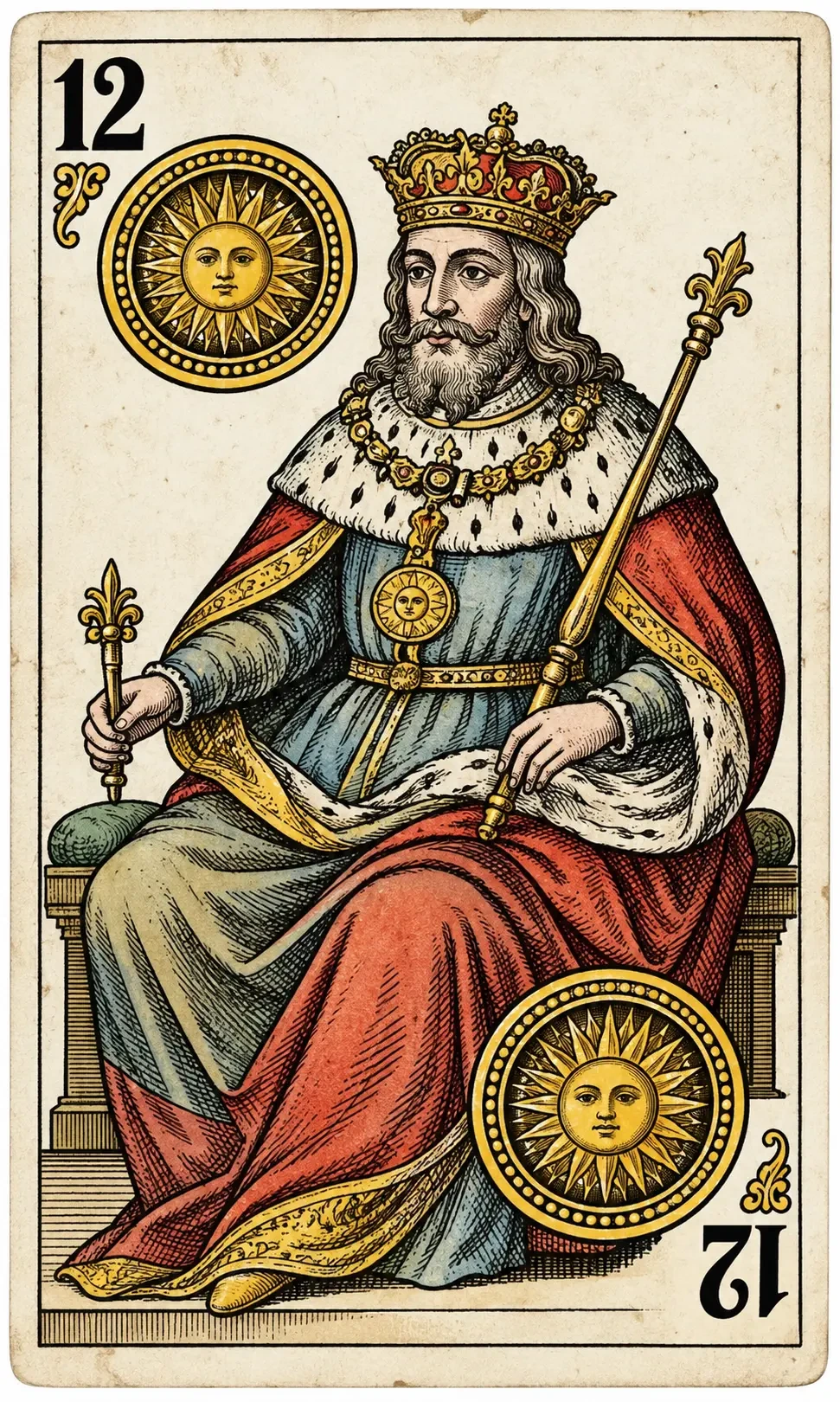
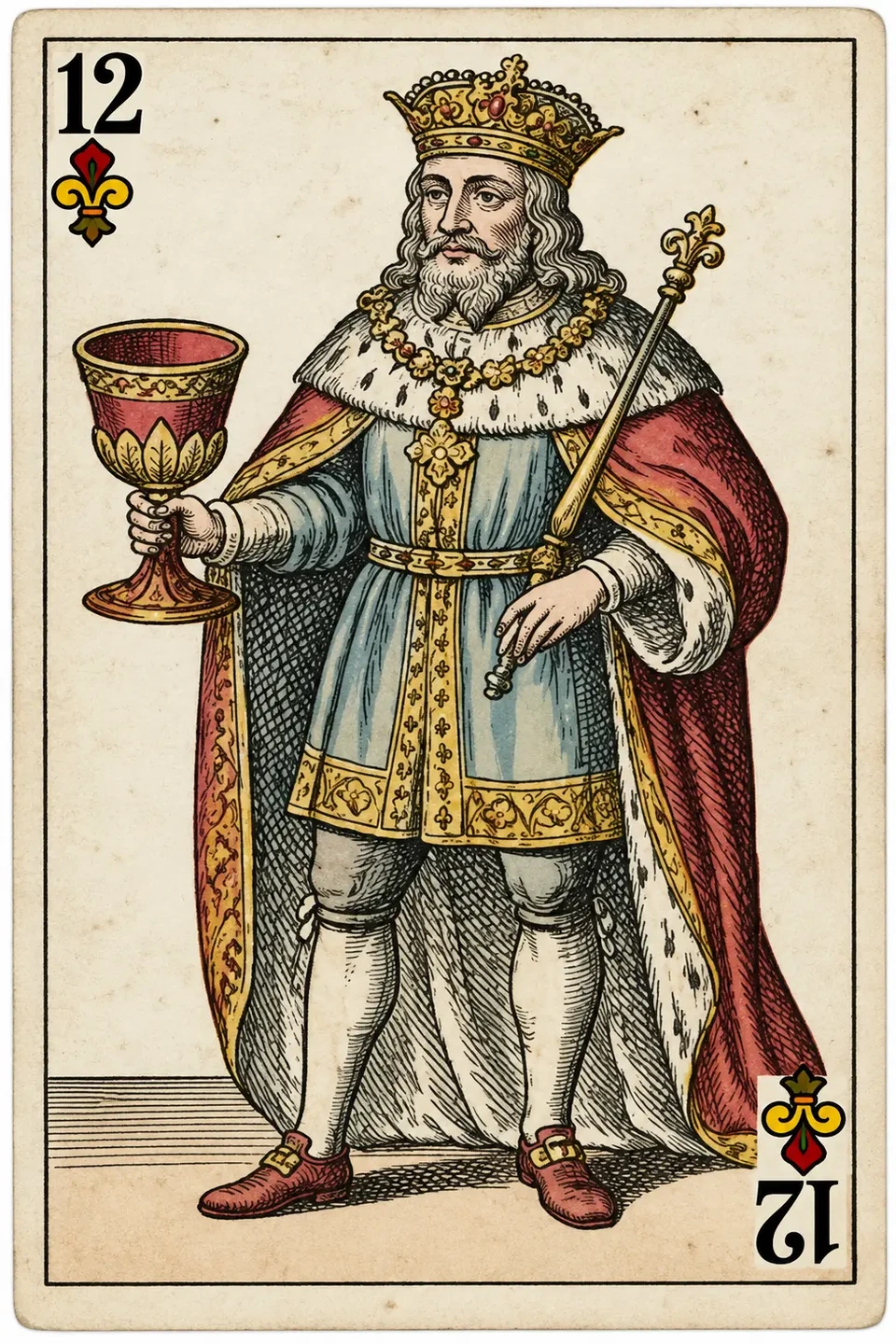
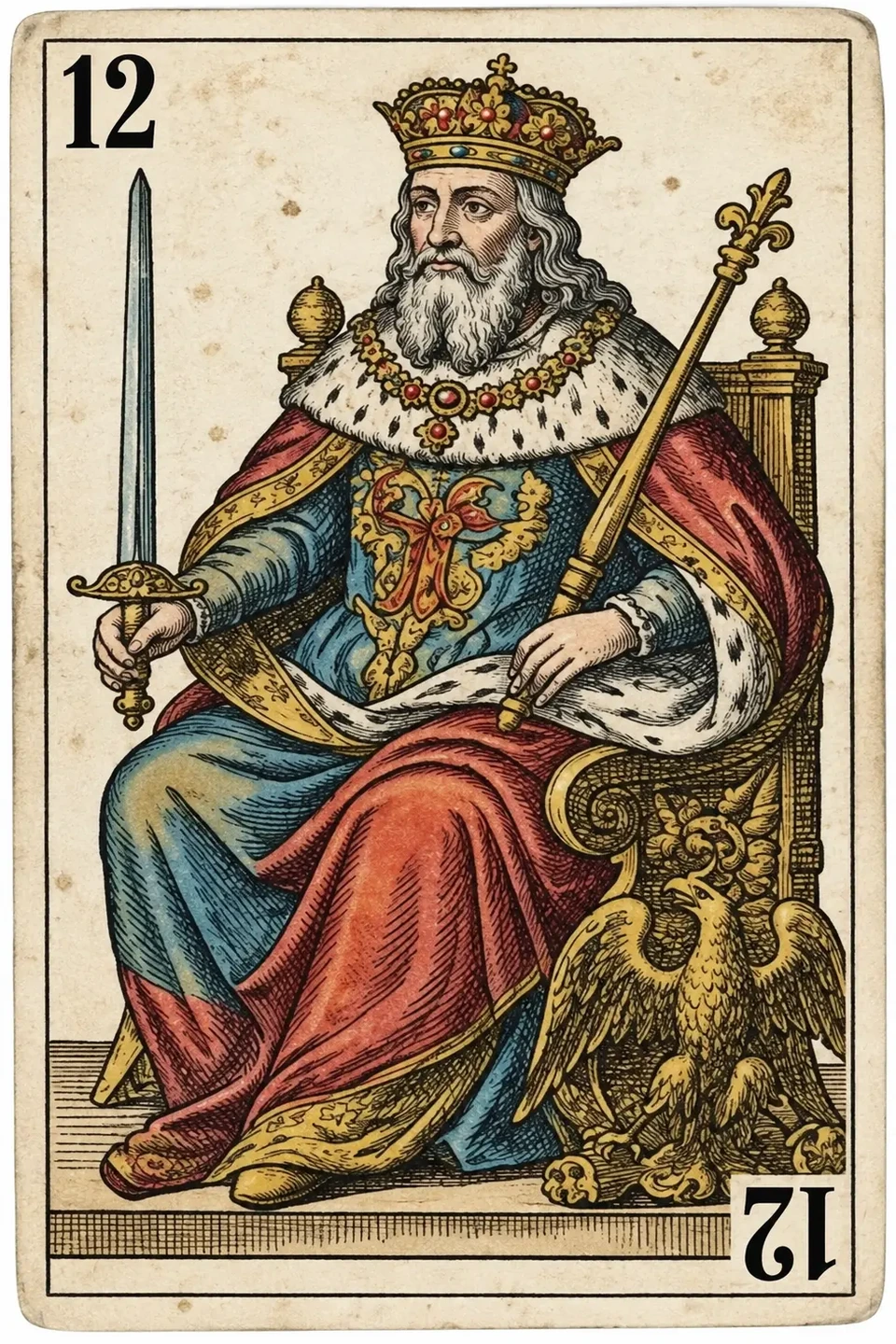
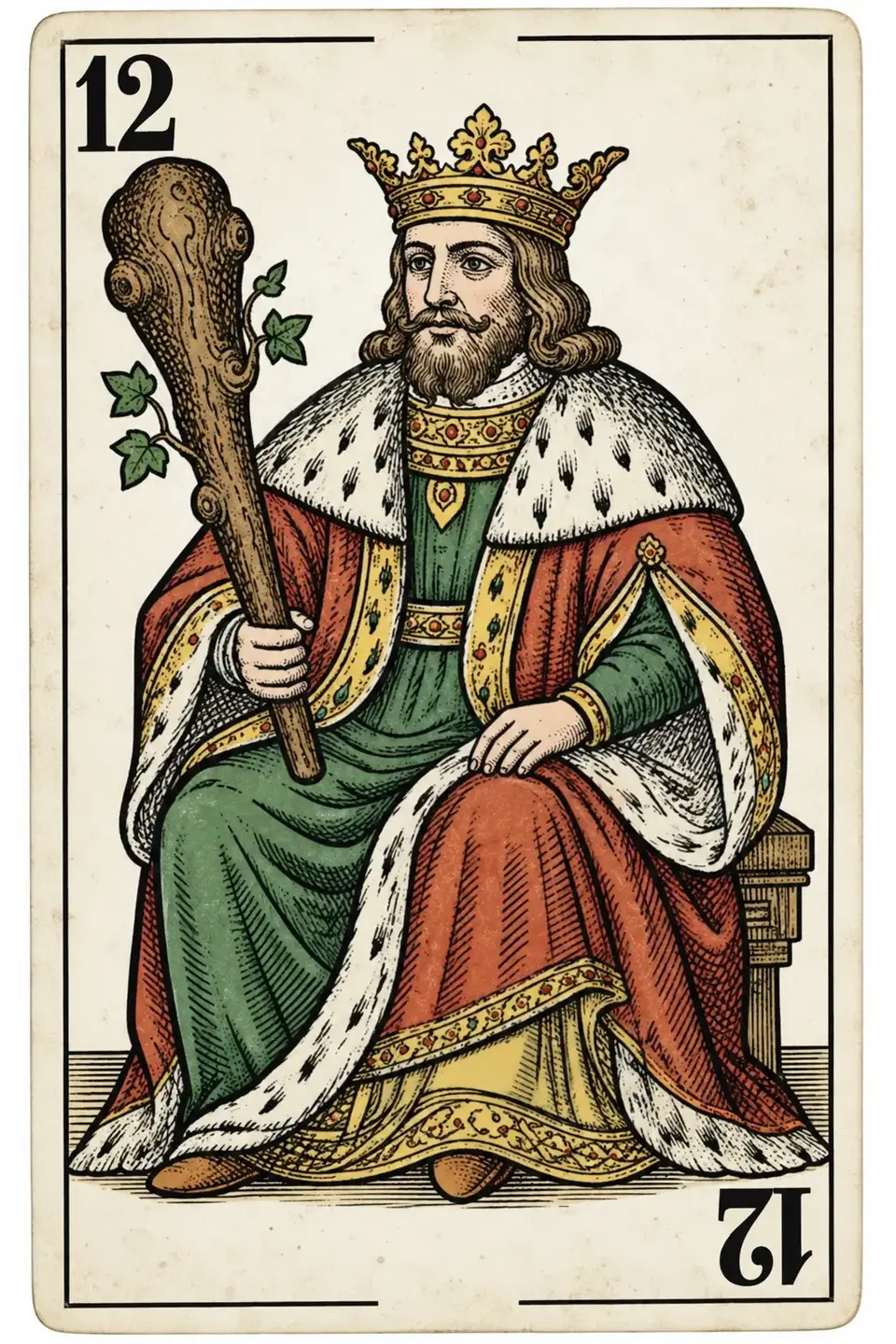
The table and the deal
Four players in two facing partnerships. Each player gets four cards, and the mano decides in the event of a tie in any lance.
Before betting starts, players are asked if there is mus (a redeal). If all four agree, each discards the cards they don't want and new ones are dealt; this continues until someone cuts it off with "no hay mus".
Four lances are played in order: grande (highest hand), chica (lowest hand), pares and juego (or punto, if nobody has juego). In each lance you may pass, bid, accept with "quiero", raise, or go all in with an órdago.
Signals between partners are part of the traditional game. On the site there are no signals: information travels through the bidding instead.
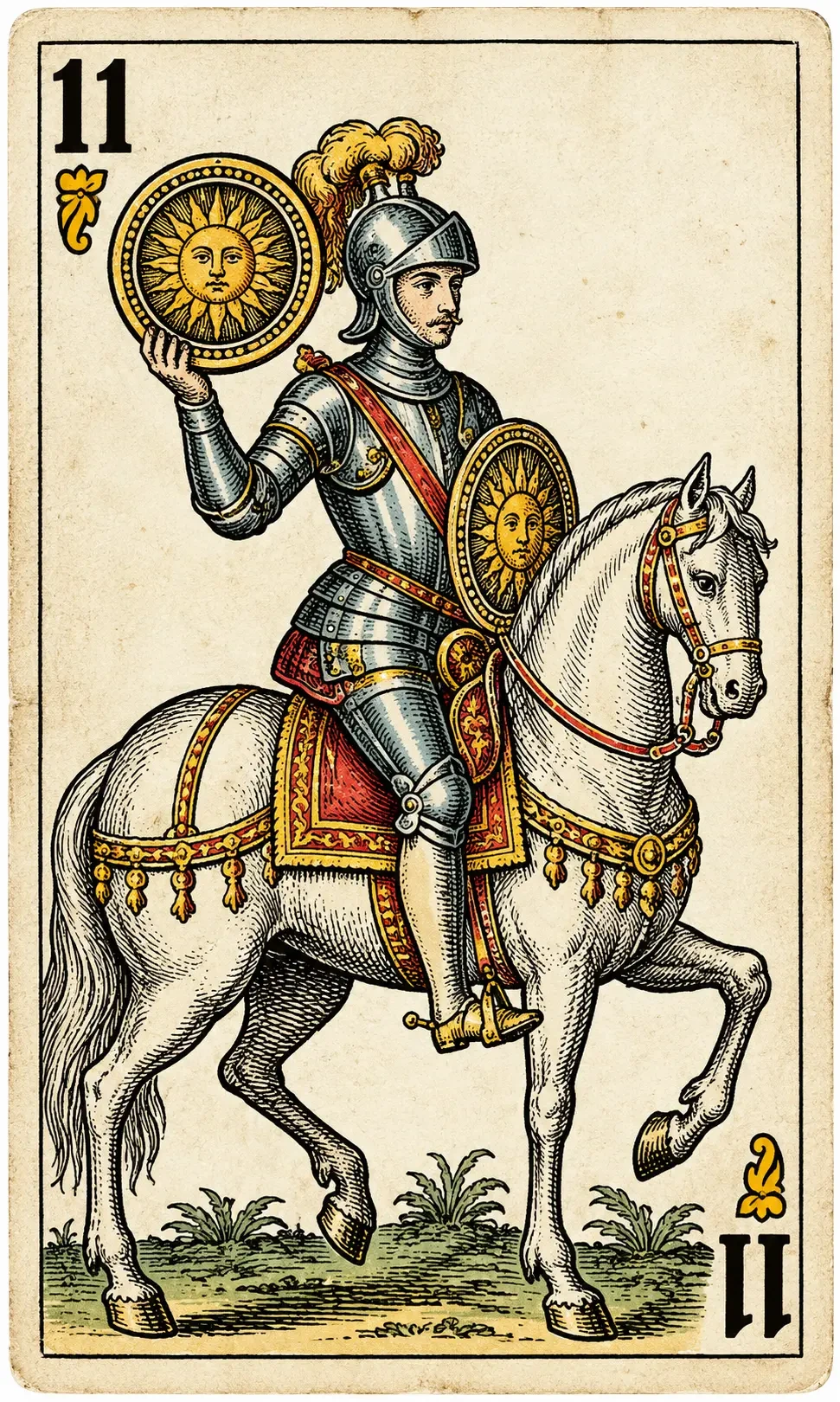
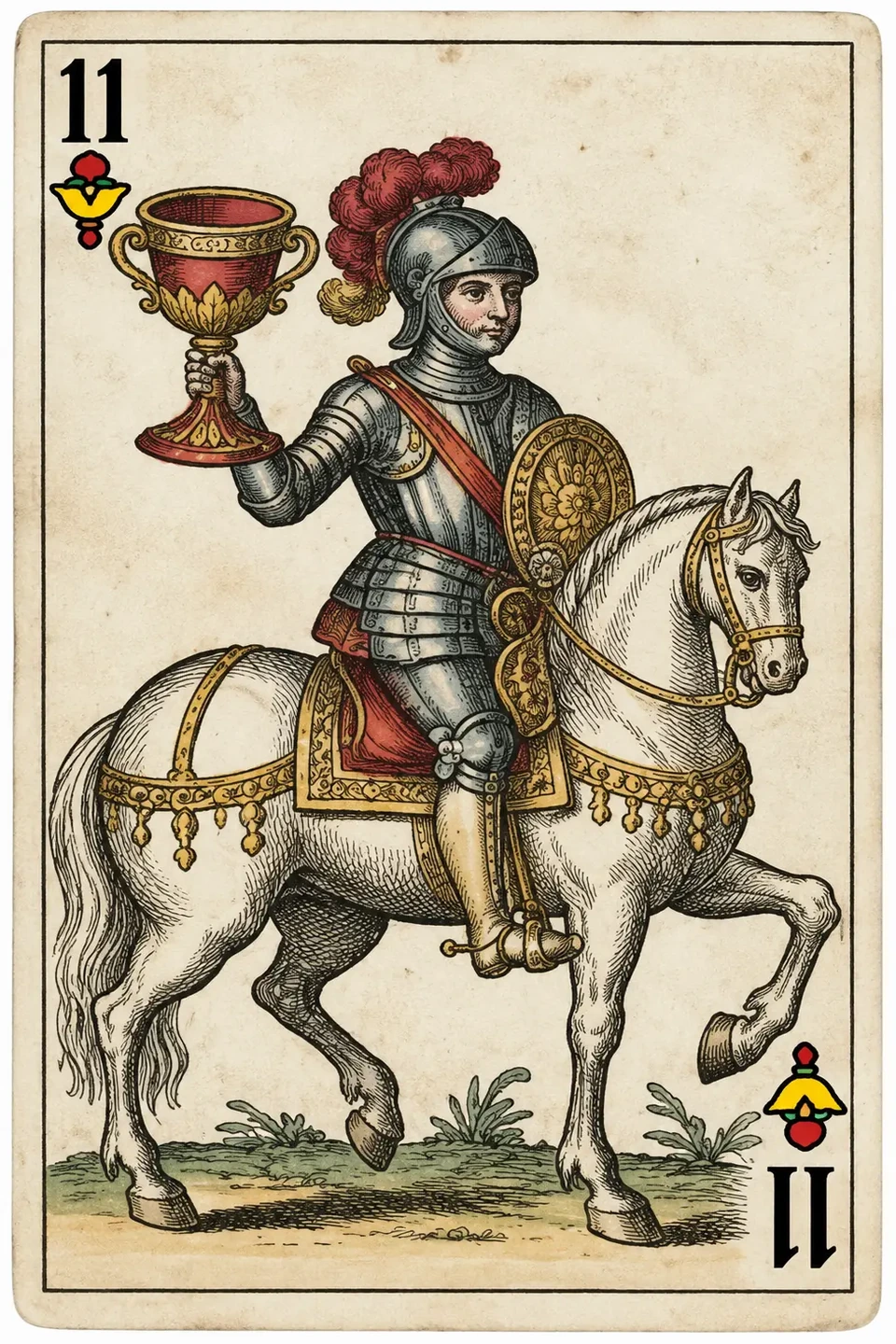
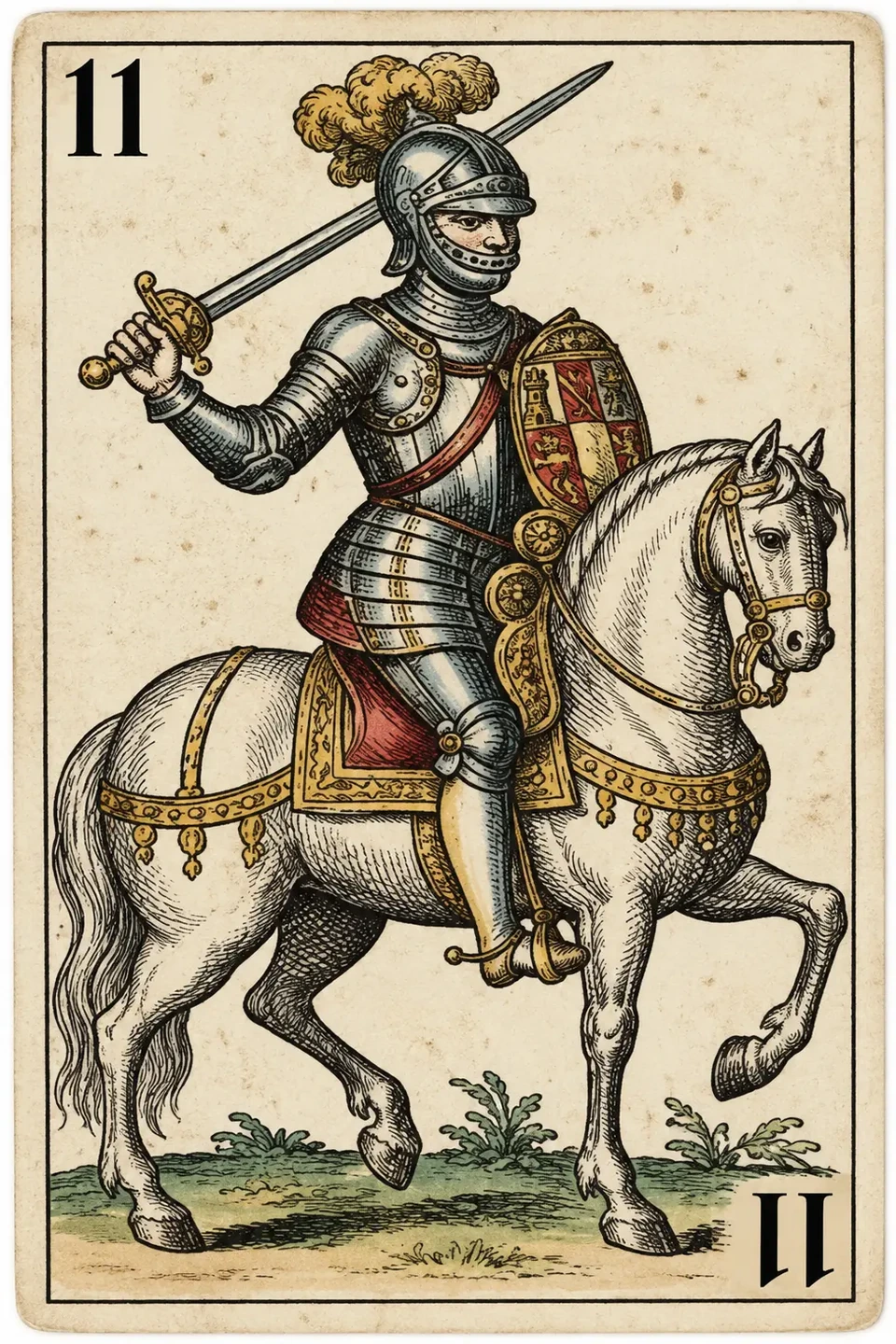
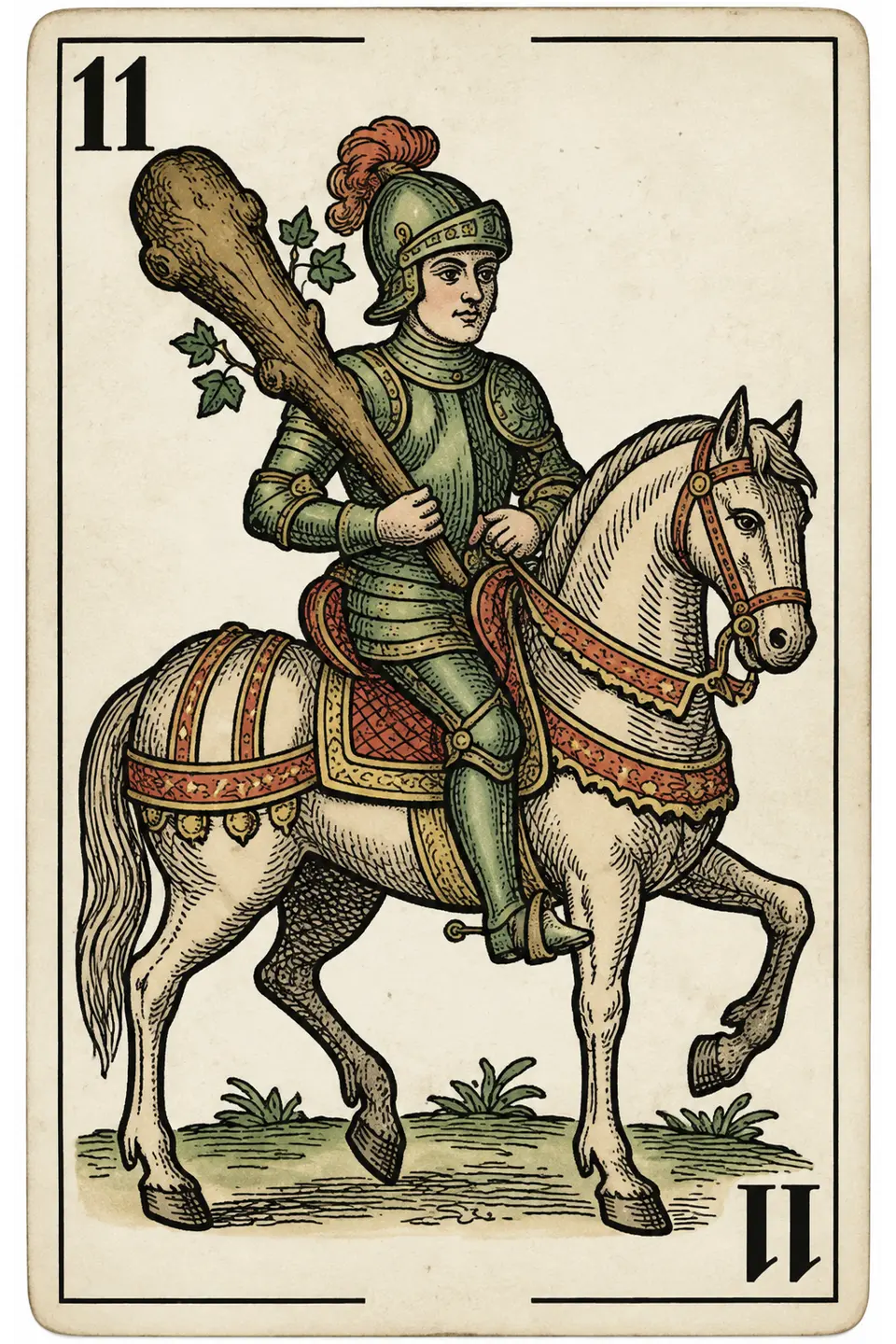
How to play, step by step
Mus is played by four players in two pairs with four cards each: first you ask for mus and discard, then you bet on grande, chica, pares and juego until reaching forty points.
- 1
Four cards, two pairs
Played with the forty-card Spanish deck. Four players form two facing pairs: your partner sits opposite you, with opponents on either side. Each player is dealt four cards.
- 2
Is there mus?
Starting with the forehand, each player says whether they want mus. If all four do, everyone discards: each drops the cards they don't need and gets new ones. As soon as anyone says "no mus", discarding stops and the betting rounds begin.
- 3
Grande and chica
In grande, the highest hand wins (Kings, Knights, Jacks...) and in chica, the lowest wins (Aces, twos...). The four cards are compared one by one, and ties are broken by closeness to the forehand.
- 4
Pares and juego
Only players with a pair enter pares: duples (two pairs) beats medias (three of a kind), which beats a simple pair. In juego, players with 31 or more enter, counting Kings, Knights and Jacks as ten, the seven as seven, and so on down to the Ace. The best juego is 31, then 32, then 40, 37, 36, 35 and 34.
- 5
Bet, call, or órdago
On each round you can pass, bet two or more points, raise the opponent's bet, decline (the other side takes whatever was staked so far), or throw an órdago, which stakes the whole match on that round.
- 6
Scoring and forty points
At the end of the hand, the bets that were called and the hands themselves are scored: pares and juego also pay their own points, and whoever has no juego scores the punto. The first pair to reach forty points wins the match.
Scoring and the end of the round
Played to forty points, counted in piedras (stones). A minimum bid is two points; an órdago stakes the entire game.
Points from each lance are recorded at the end of the hand, once the cards are shown, except when someone declines a bid: then it is settled on the spot.
On top of the bets, points are also paid for the hands themselves: pares, medias, duples and juego each have their own value, and thirty-one pays three points.
Strategy: how to win more hands
Cut the mus with a real hand, not with hope
Discarding three cards chasing duples often leaves you with a worse hand. Cut the mus when you already hold something real: two reyes, thirty-one, or a very low hand for chica.
Learn to pass
Bidding in all four lances with a mediocre hand gives away points. Mus is won by choosing two lances and pushing hard there.
Being mano is worth points
Ties are won by the mano. With the same hand, being mano lets you bid more aggressively; being postre (last to speak) forces caution.
Remember what your partner has said
If your partner has bid on grande and passed on chica, you already know they hold reyes. Build your bets on that information, not on your four cards alone.
The órdago is a tool, not an outburst
Play it when your hand is almost unbeatable, or when the score is so bad that only one bold move can fix it. Playing it for the thrill is the quickest way to lose the game.
Common mistakes beginners make
Getting the chica ranking backwards
In chica the lowest hand wins, and the as is the best card. Many beginners only judge their hand by looking upward.
Forgetting about thirty-one
Thirty-one is the best juego hand and pays extra. Breaking it up in the discard to chase pares is a classic mistake.
Not checking whether pares or juego are even in play
The pares and juego lances are only played if at least one partnership actually has them. Announcing wrongly costs the hand and, in a friendly game, the table's patience.
Bidding without watching the score
At thirty-eight piedras, a bid of two already wins the game. Endgame Mus is played with your eyes on the score, not on your cards.
Table glossary
- Mus
- A request to discard and redeal; requires all four players to agree.
- Órdago
- A bet for the entire game in a single lance.
- Grande / chica
- Lances where the highest and lowest hand win respectively.
- Duples
- Two pairs in the same hand.
- Medias
- Three cards of the same value.
- Piedras
- The points the game is scored in, up to forty.
- Postre
- The player who speaks last; loses ties against the mano.
Frequently asked questions about Mus
Rules of the other games
Still have a general question? Check the site's frequently asked questions or the blog.
To go beyond the rulebook, read our blog's the origins, history, lances and trivia of Mus.