

Learn to play
Mus tutorial: practise play by play
Mus tutorial
Mus is played in pairs and isn't won by a single card, but by knowing when to bet and when to fold. Practise five table decisions — mus, discarding and betting — review the key points, and then play against the bot.
Is there mus?
You're the forehand and you're asked if there's mus. You hold three Kings and an Ace: medias of Kings, a strong grande and 31 for juego.
Your hand
What do you do?
Key points
The essentials del Mus
Pairs and four cards
Four players, two pairs: your partner sits opposite you and the opponents on either side. Each player gets four cards from the Spanish deck and the match is played to forty points.
Mus and discarding
Starting with the forehand, players ask if there's mus. If all four want it, each drops the cards they don't need and gets new ones; as soon as anyone says "no mus", play continues with what's in hand.
Grande and chica
Grande is won by the highest hand and chica by the lowest. Cards are compared one by one, and ties go to whoever is closer to the forehand.
Pares and juego
Only a player with a pair enters pares: duples beats medias, which beats a simple pair. In juego, whoever reaches 31 or more enters (face cards count 10, others their value); the best hand is 31, then 32, then 40, 37, 36, 35 and 34. Without juego, the punto is disputed.
Betting, folding and órdago
You can pass, bet two, raise the opponent's bet, or throw an órdago. If the opponent declines, you take the points staked so far without showing your cards; if they call, it's settled at the count.
House variants
Before sitting down you choose whether to play with eight Kings and eight Aces — the three top cards count as King and the two low ones as Ace, using the full deck — or four of each, the traditional Basque version, and whether the real 31 (three sevens and a face card) is allowed.
Questions
Questions about this tutorial
Origins
History of the deck
Origin of the deck
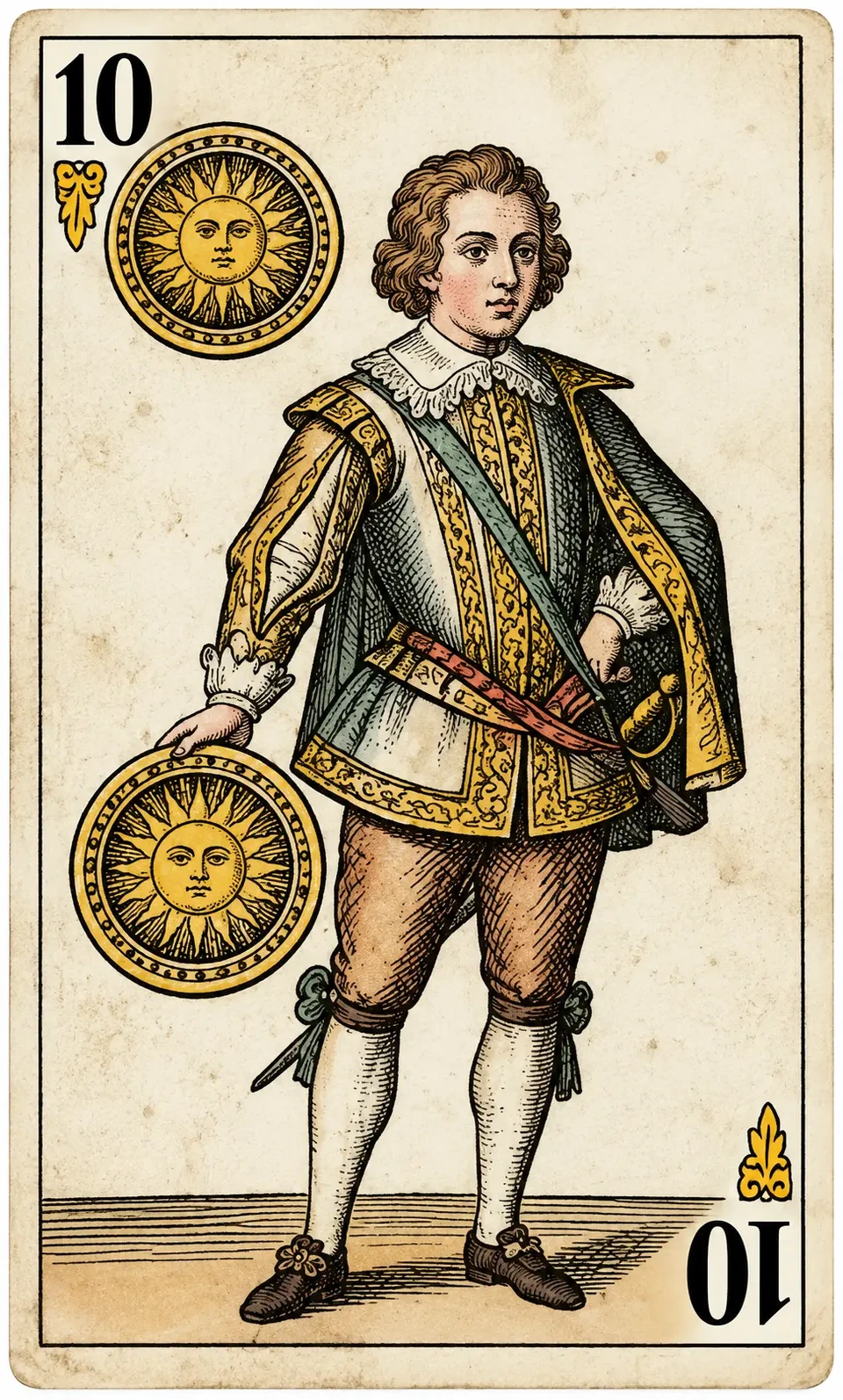
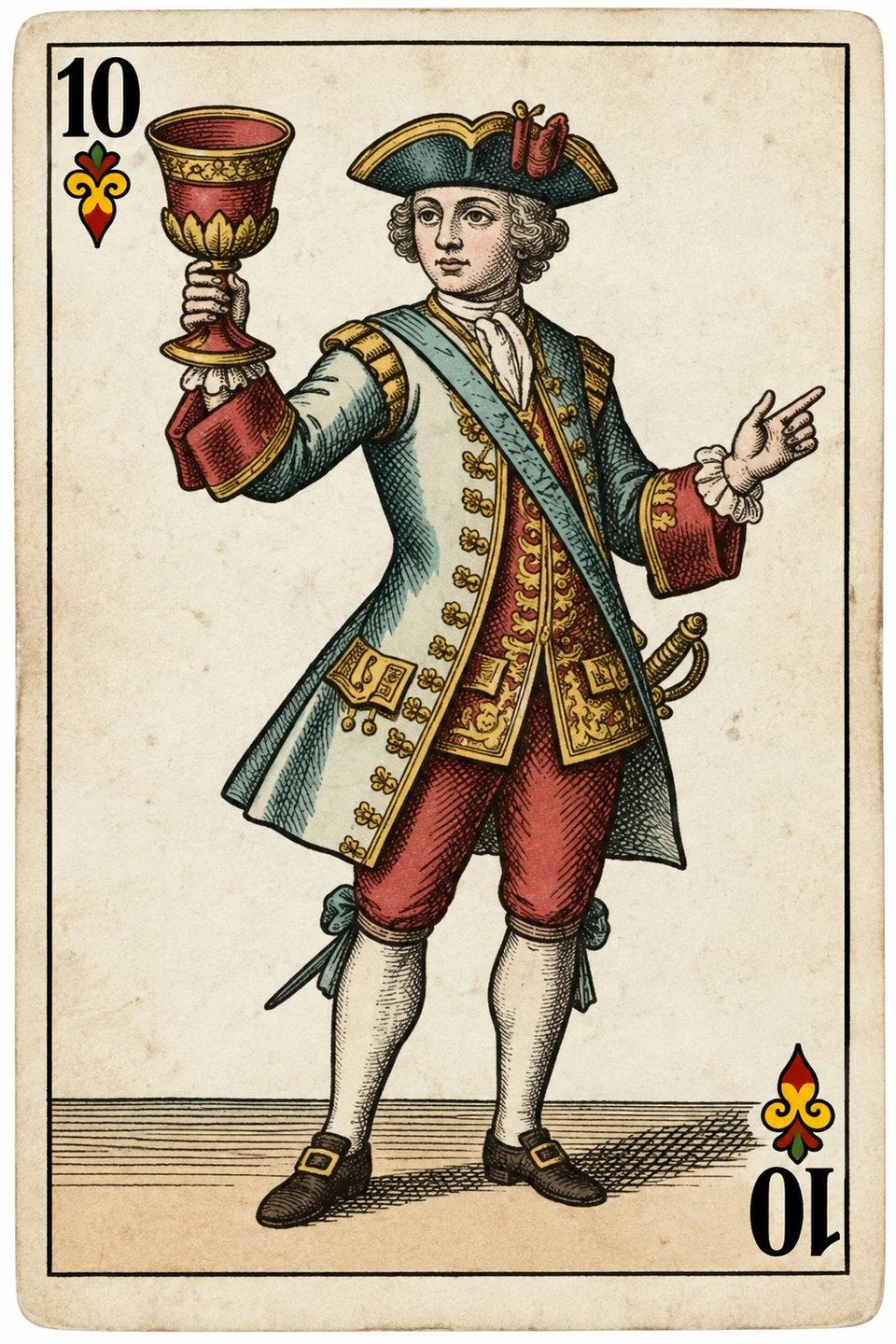
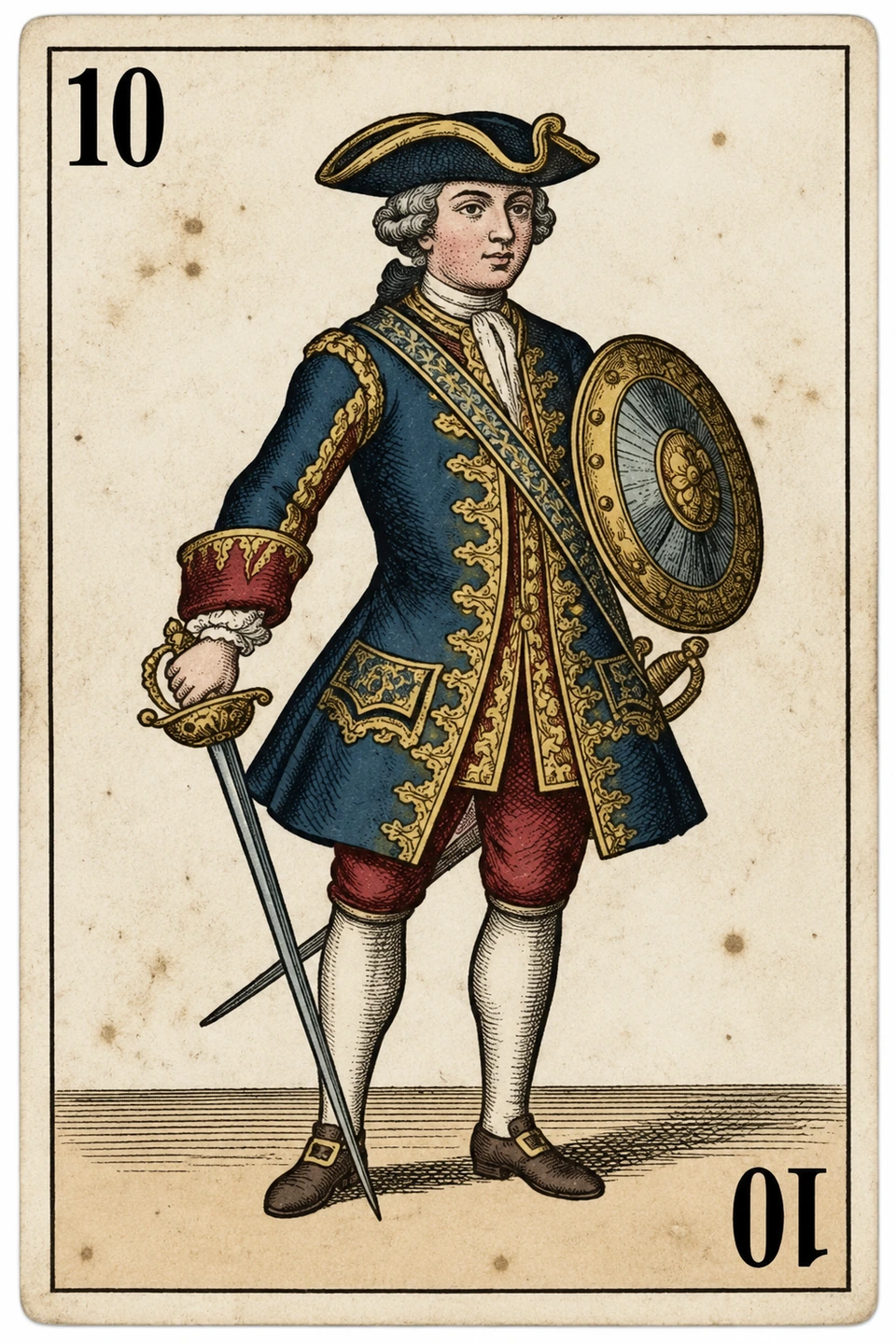
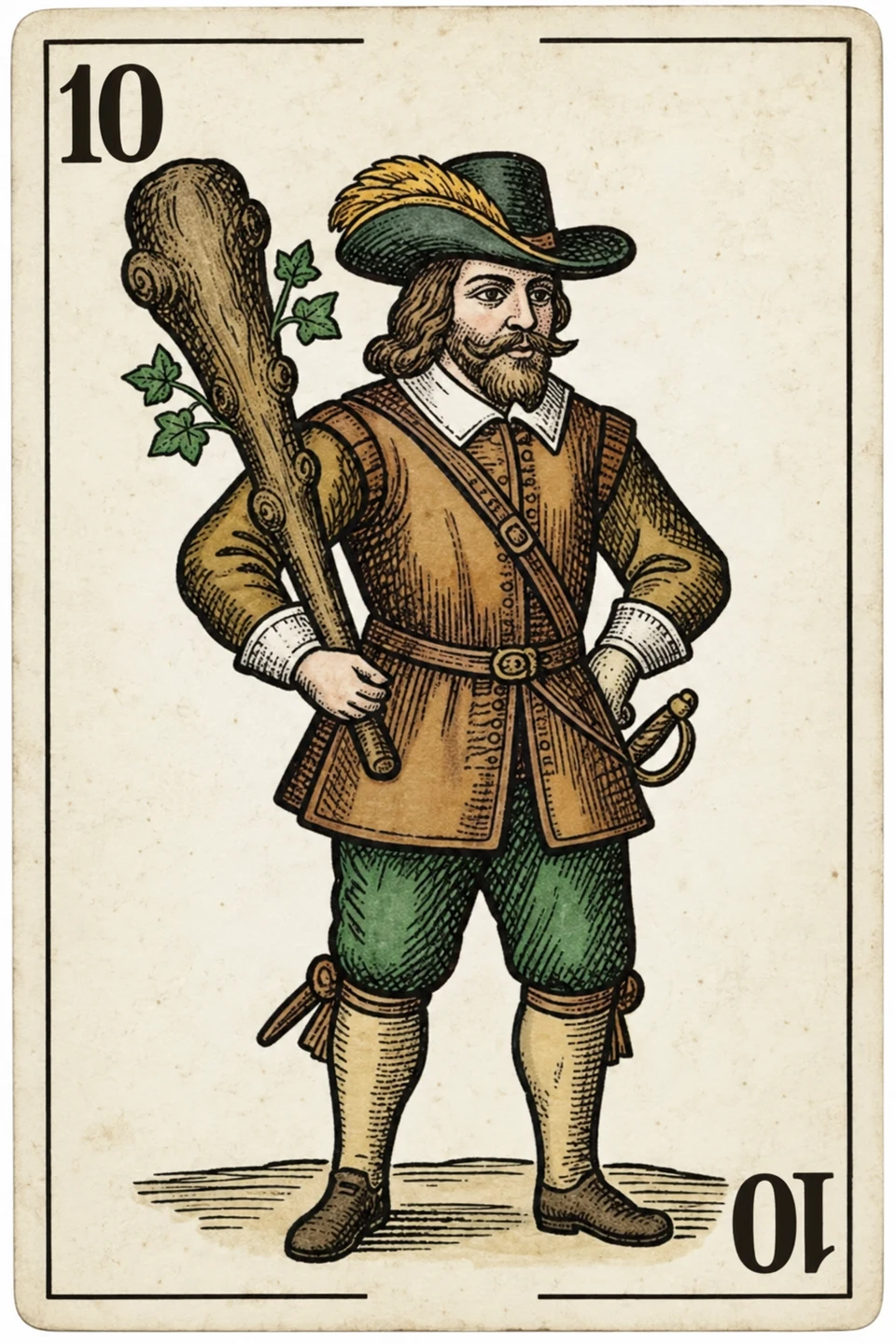
The 40-card Spanish deck arrived on the peninsula in the 14th century and established its four suits —coins, cups, swords, and clubs— as symbols of medieval social classes.
The Tute
Heir to the Central European Marriage, Tute popularized the 20 and 40 declarations and became the quintessential table and tavern game.
La Cuatrola
A pairs variant from the southeast of the Iberian Peninsula. It is played only with the 20 scoring cards (aces, 3s, kings, knights, and jacks): all are dealt, 5 per player, and the trump card is one of the dealer's cards, which they show to the table. Whoever dares to 'sing Cuatrola' commits to winning all five tricks alone.
Full rules
Rules of every game, in writing
Check the deck and its values, the deal, how a round unfolds, scoring, strategy, common mistakes, regional variants and table vocabulary.