

Full rules
Rules of La Escoba: how to play
Escoba is played by two to four players with a Spanish deck: you add your card to those on the table to make fifteen and sweep them up, and clearing the table entirely earns an escoba.
Escoba (or Escoba de quince) is arithmetic played at the table: you pick up cards that add up to fifteen together with the one you play. Clearing the table entirely is called escoba, and that is what decides the game. A great way to learn to add up while playing.
2 to 4 players
What is La Escoba
Escoba de 15 with the Spanish deck: three cards in hand, four on the table, and one idea in mind — make fifteen to take cards. Clear the table and it's an escoba, worth a point outright.
The deck and card values
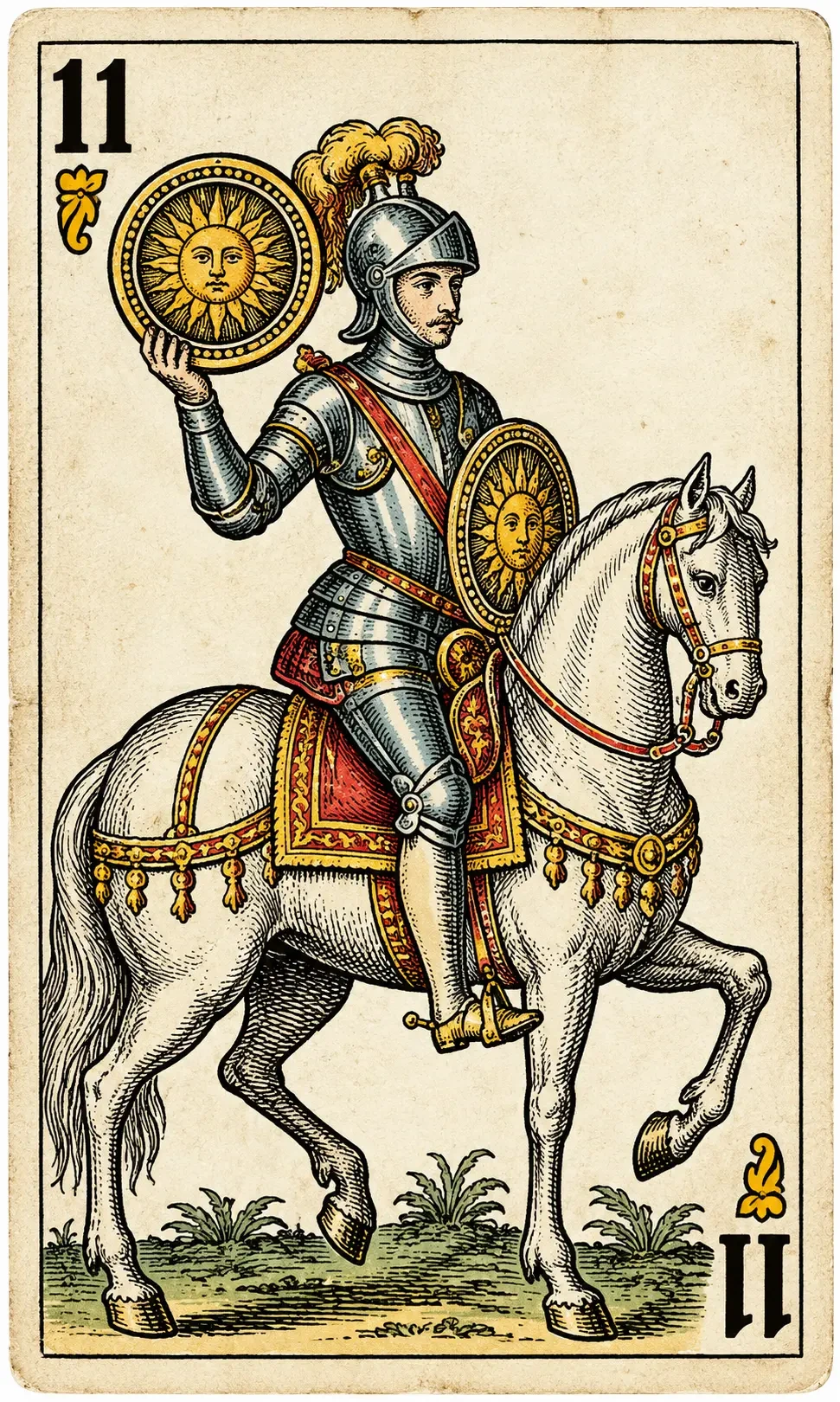
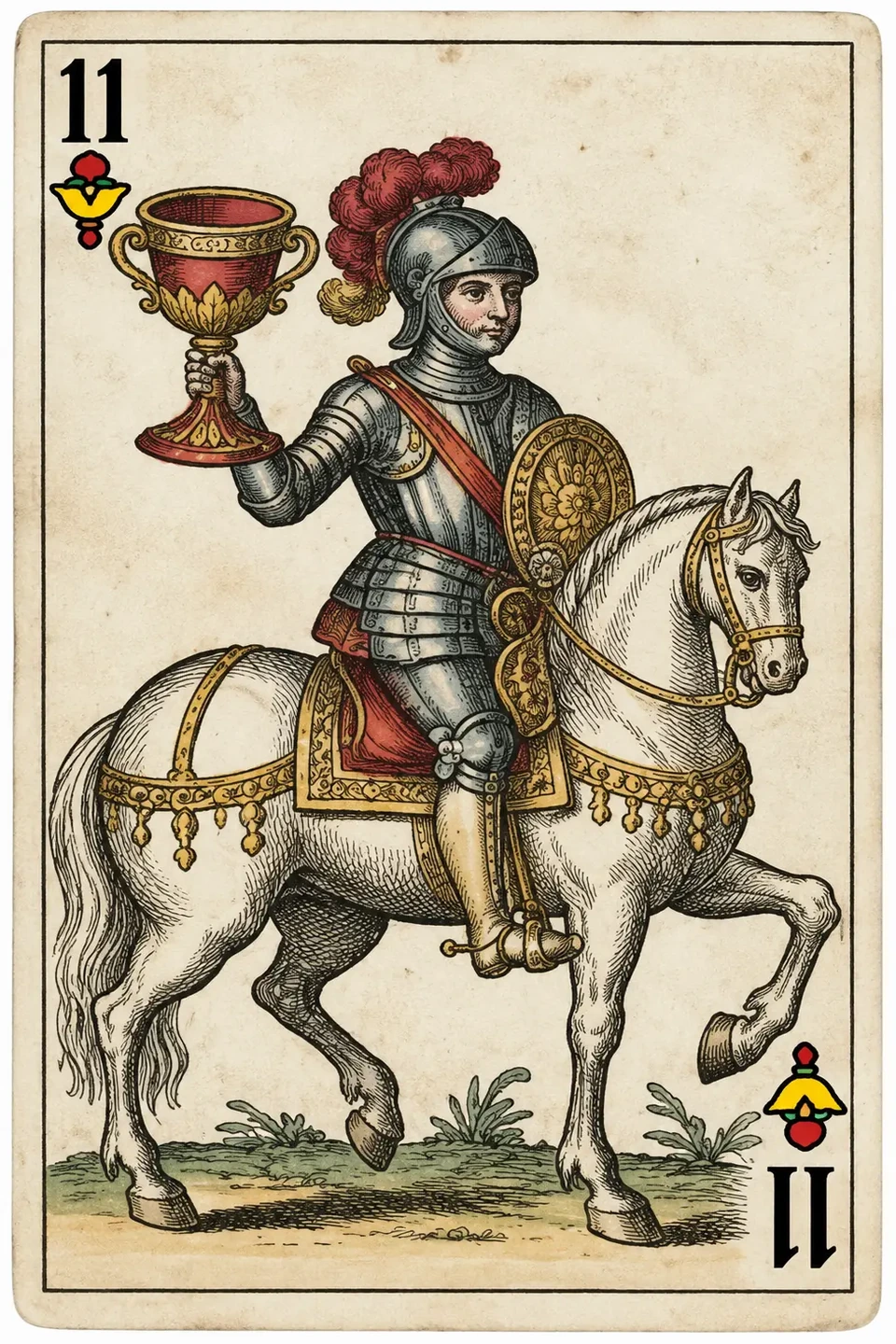
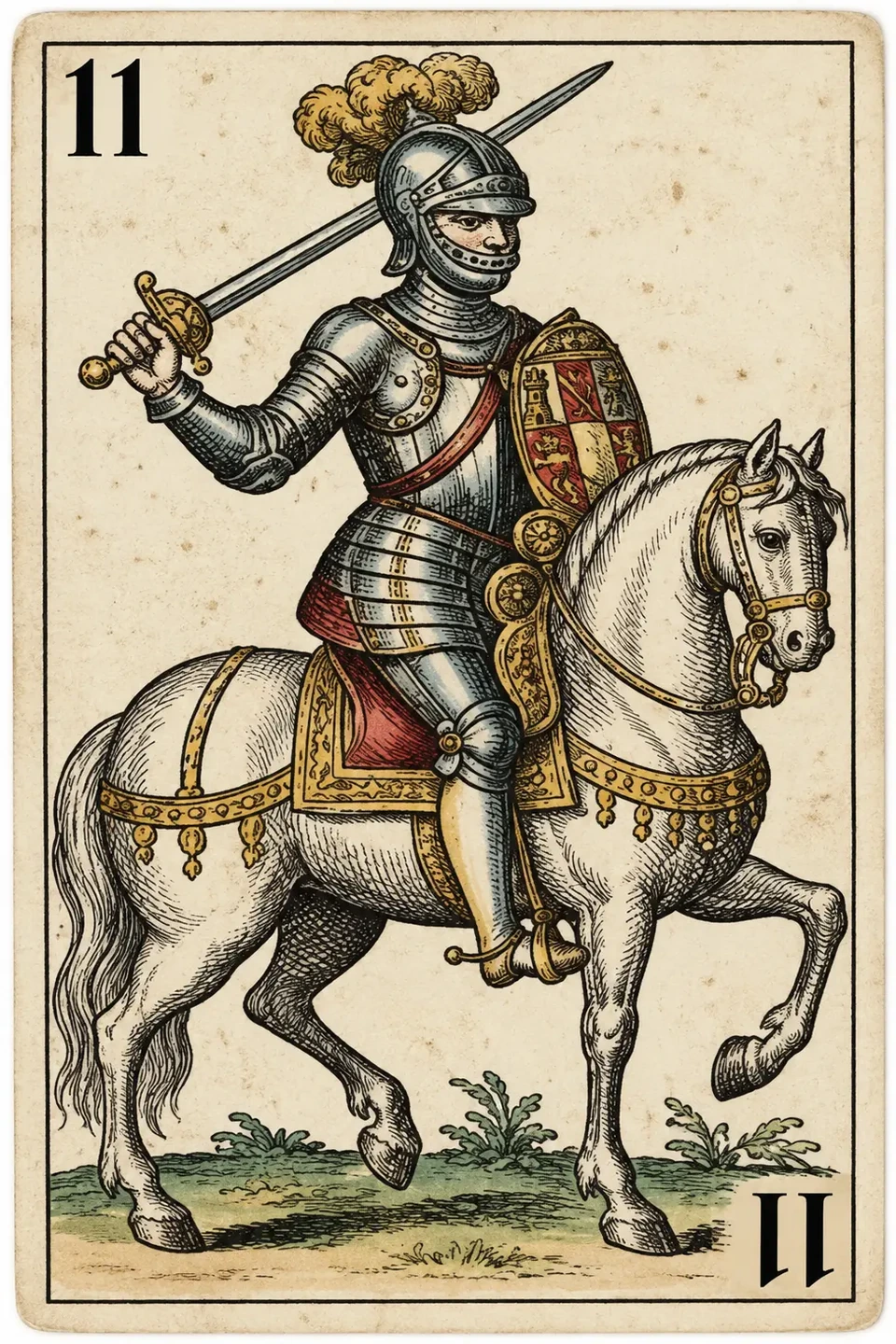
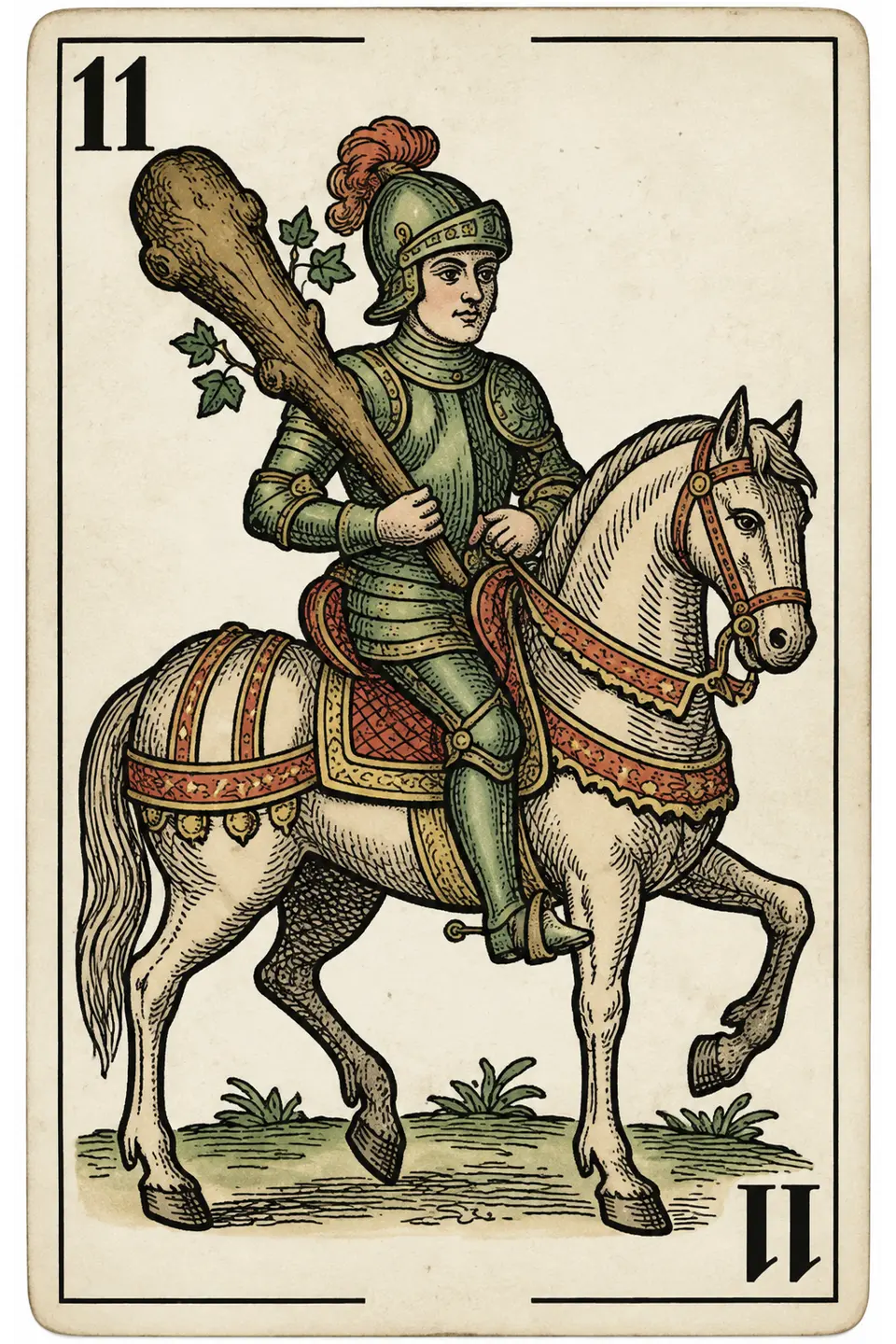
Forty-card Spanish deck. For adding up, as through seven count their face value, sota is eight, caballo is nine and rey is ten.
The siete de oros (the velada, the seven of coins) is the most valuable card in the game: it scores on its own, and many hands are played purely to capture it.
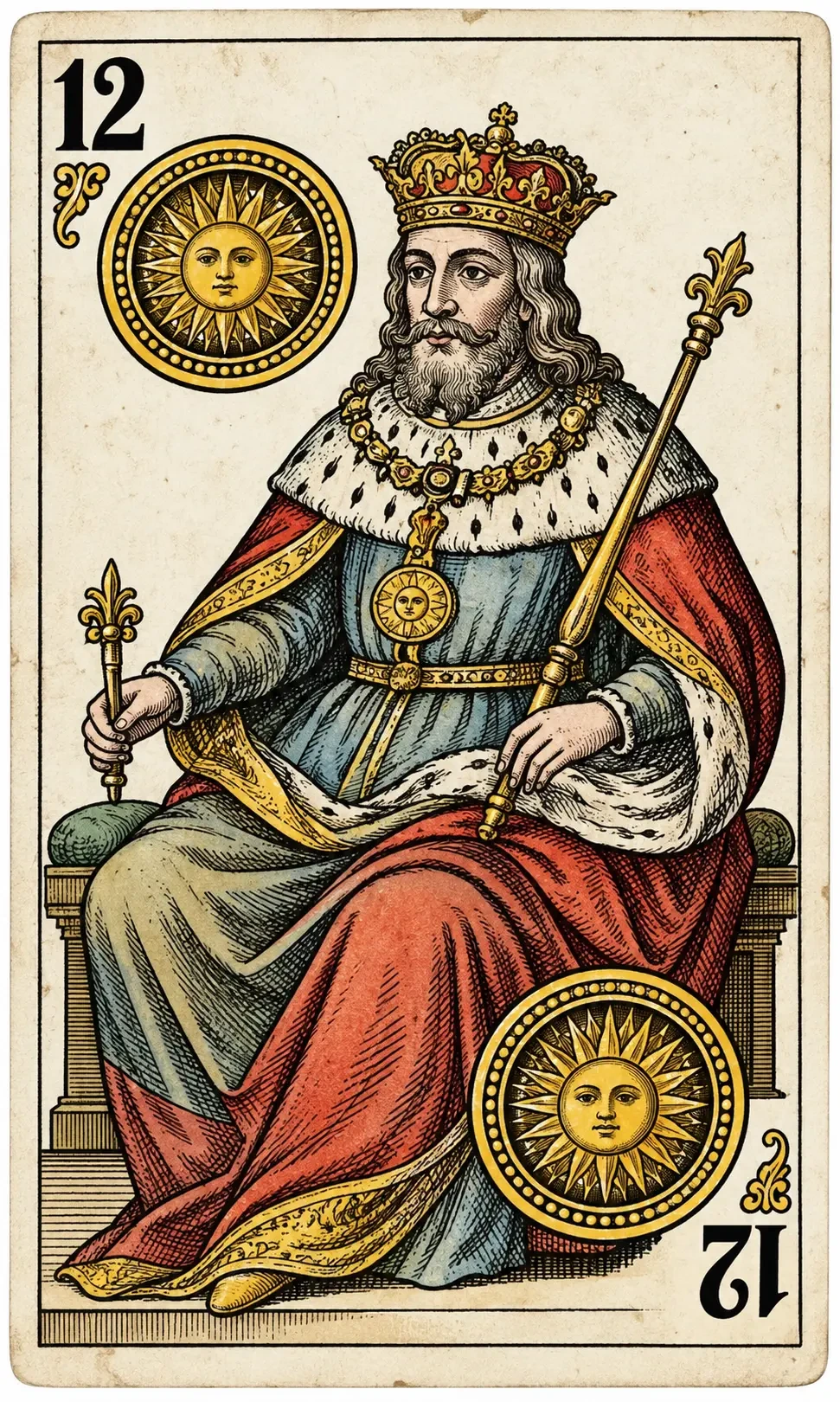
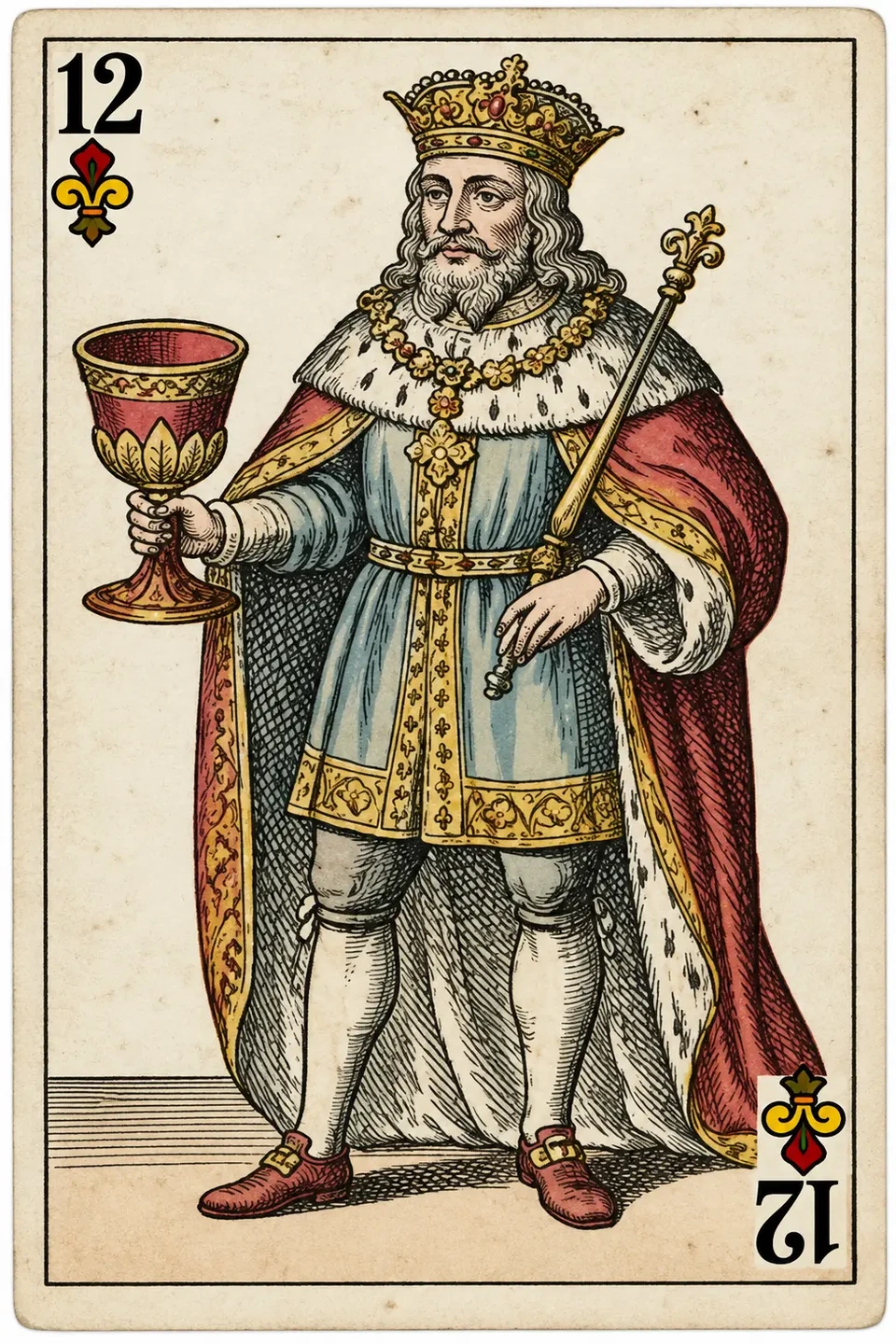
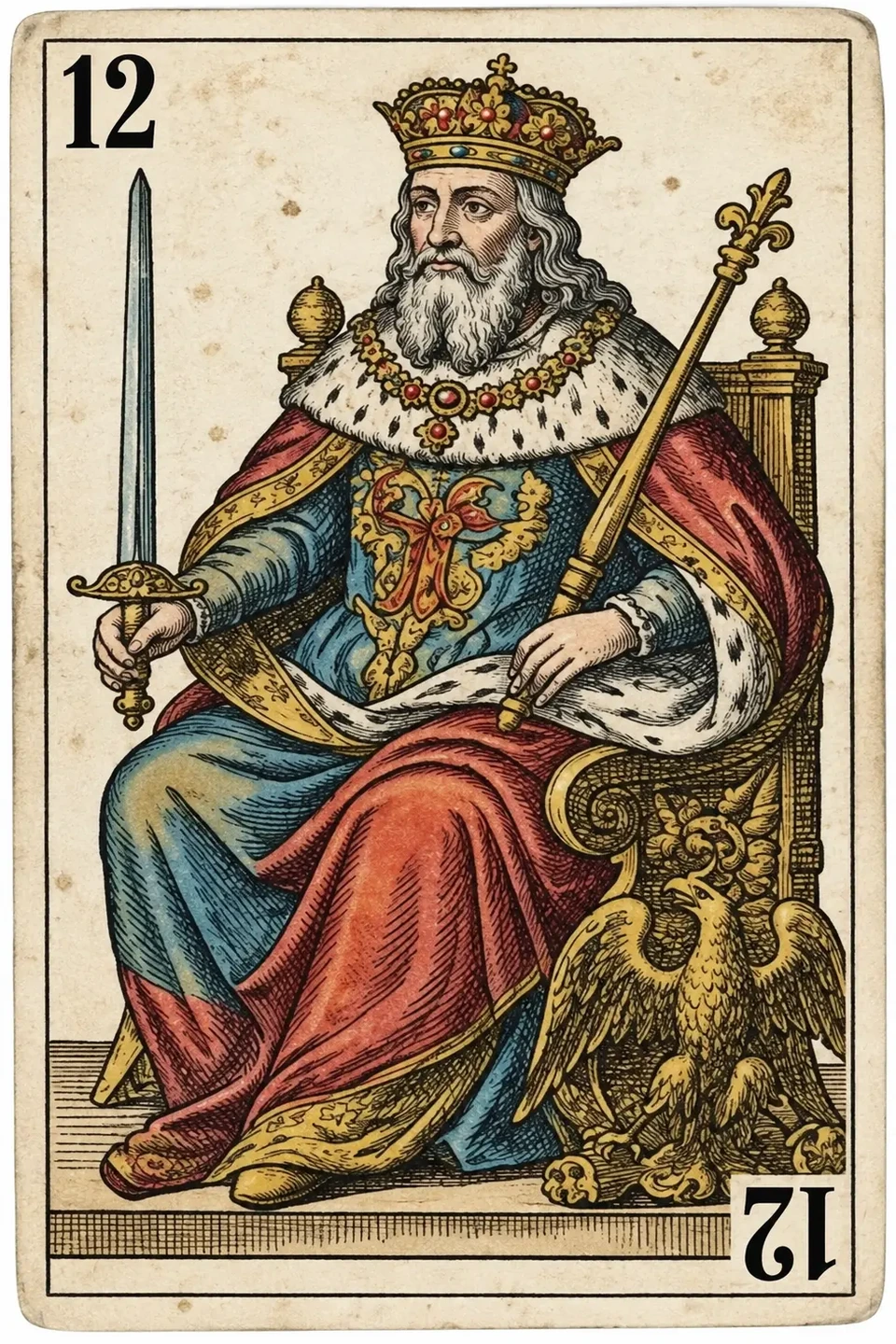
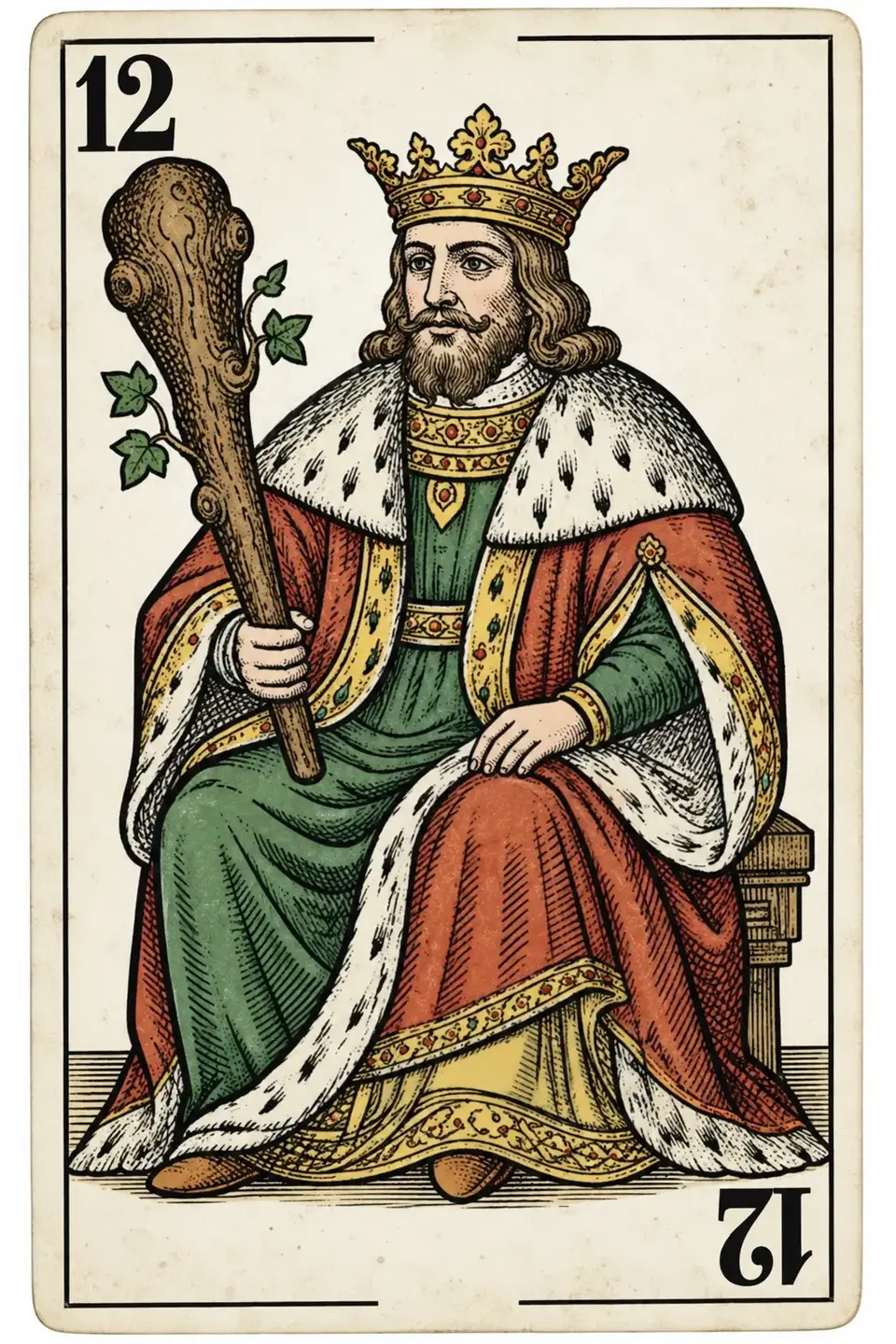
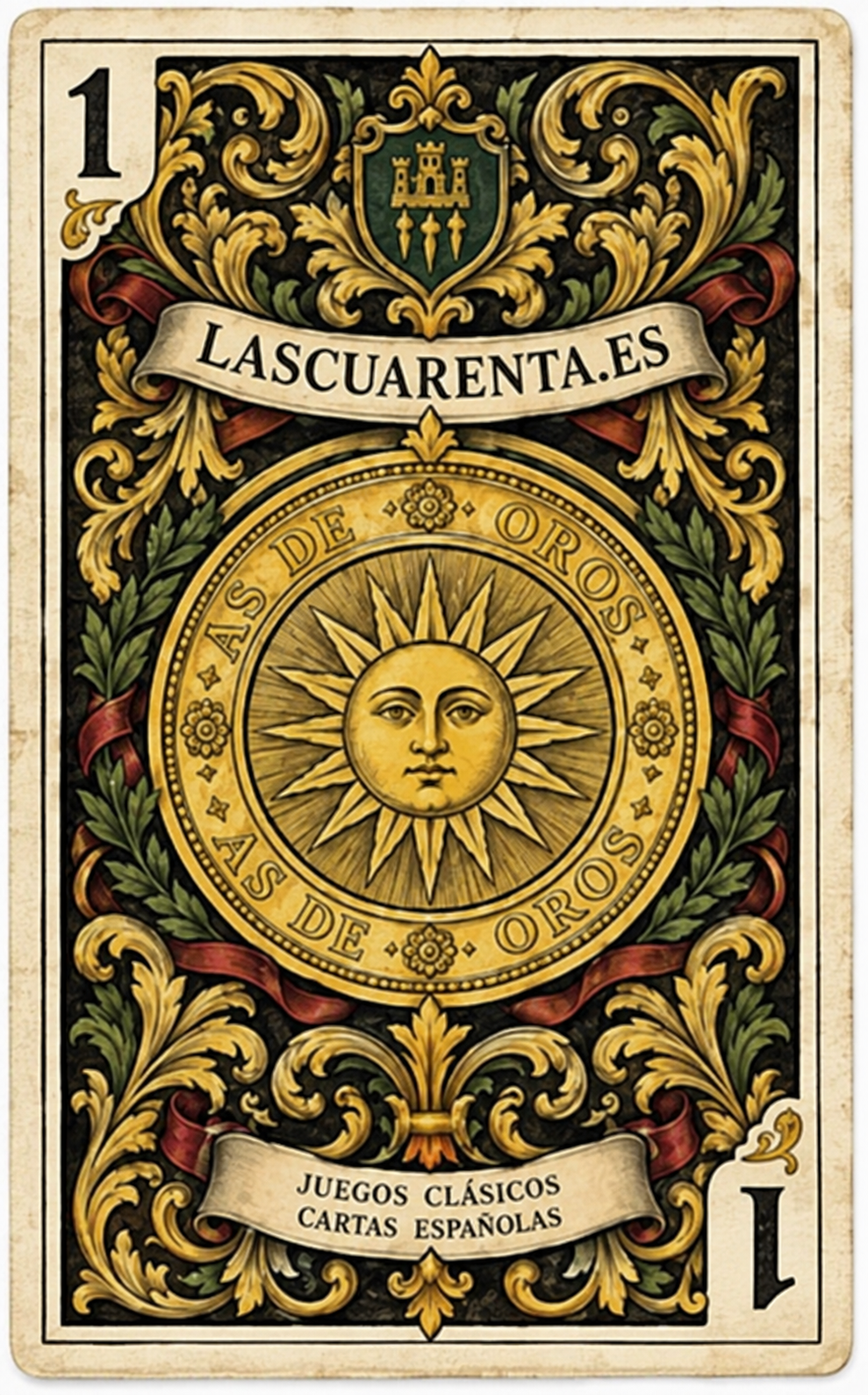
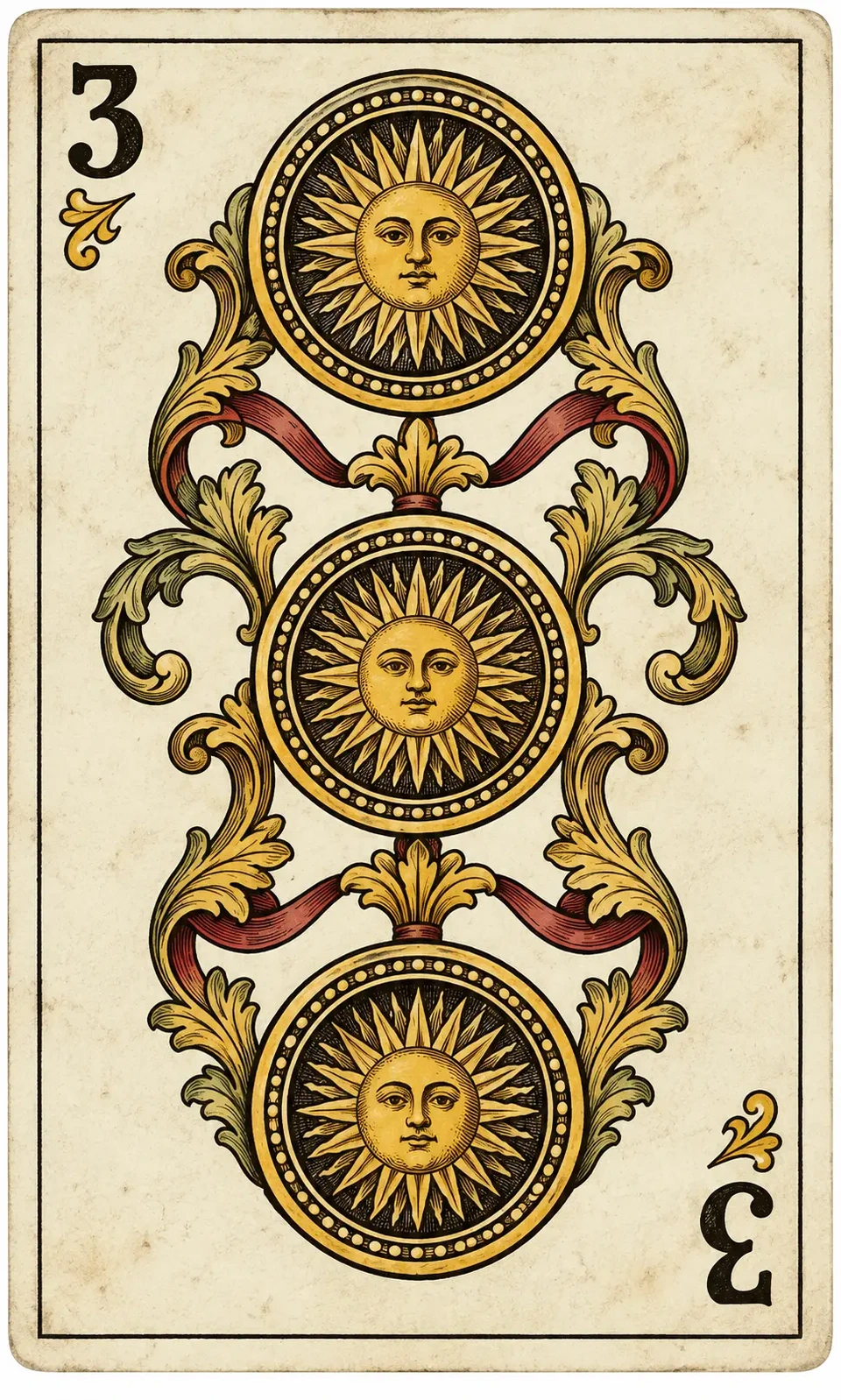
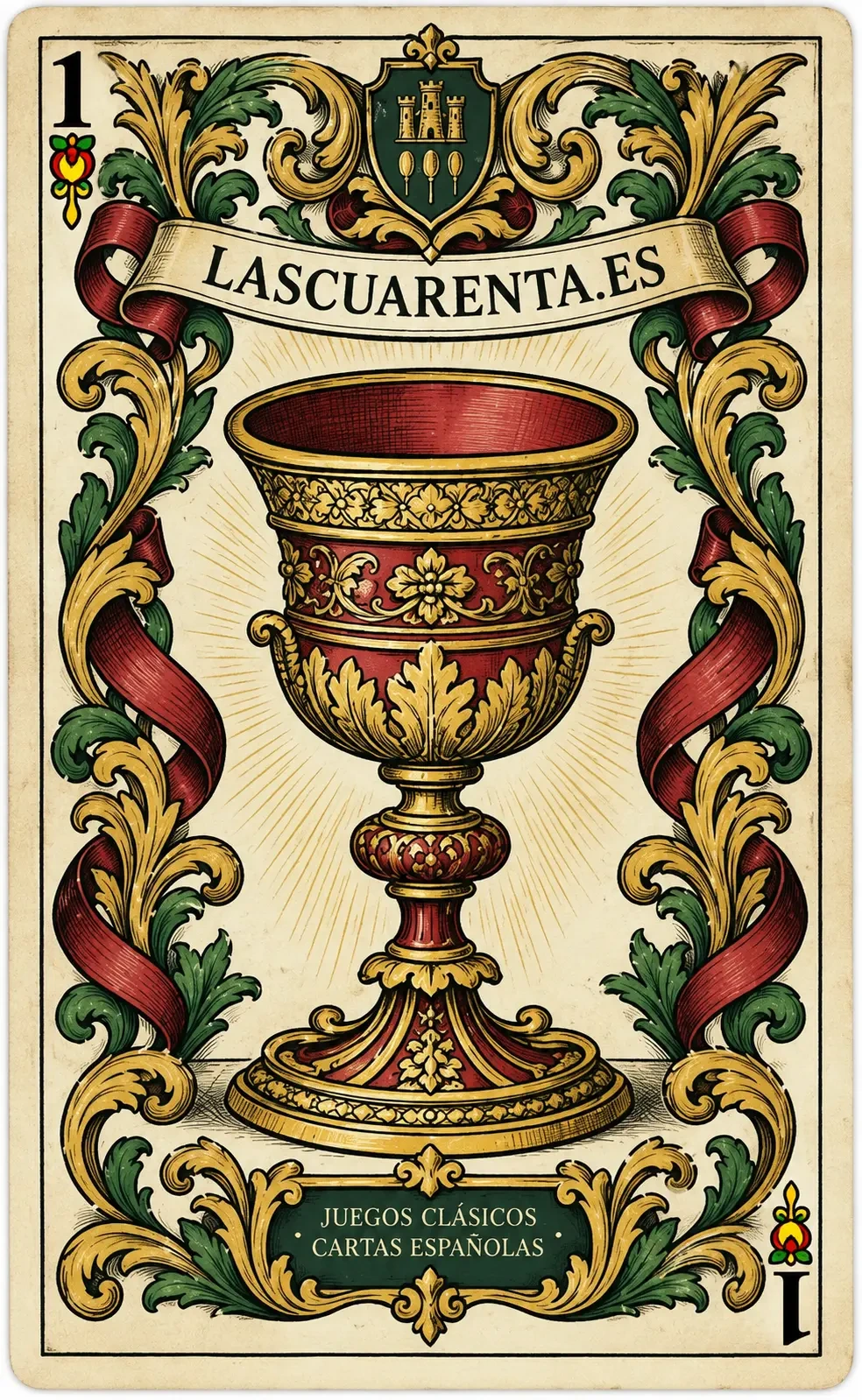
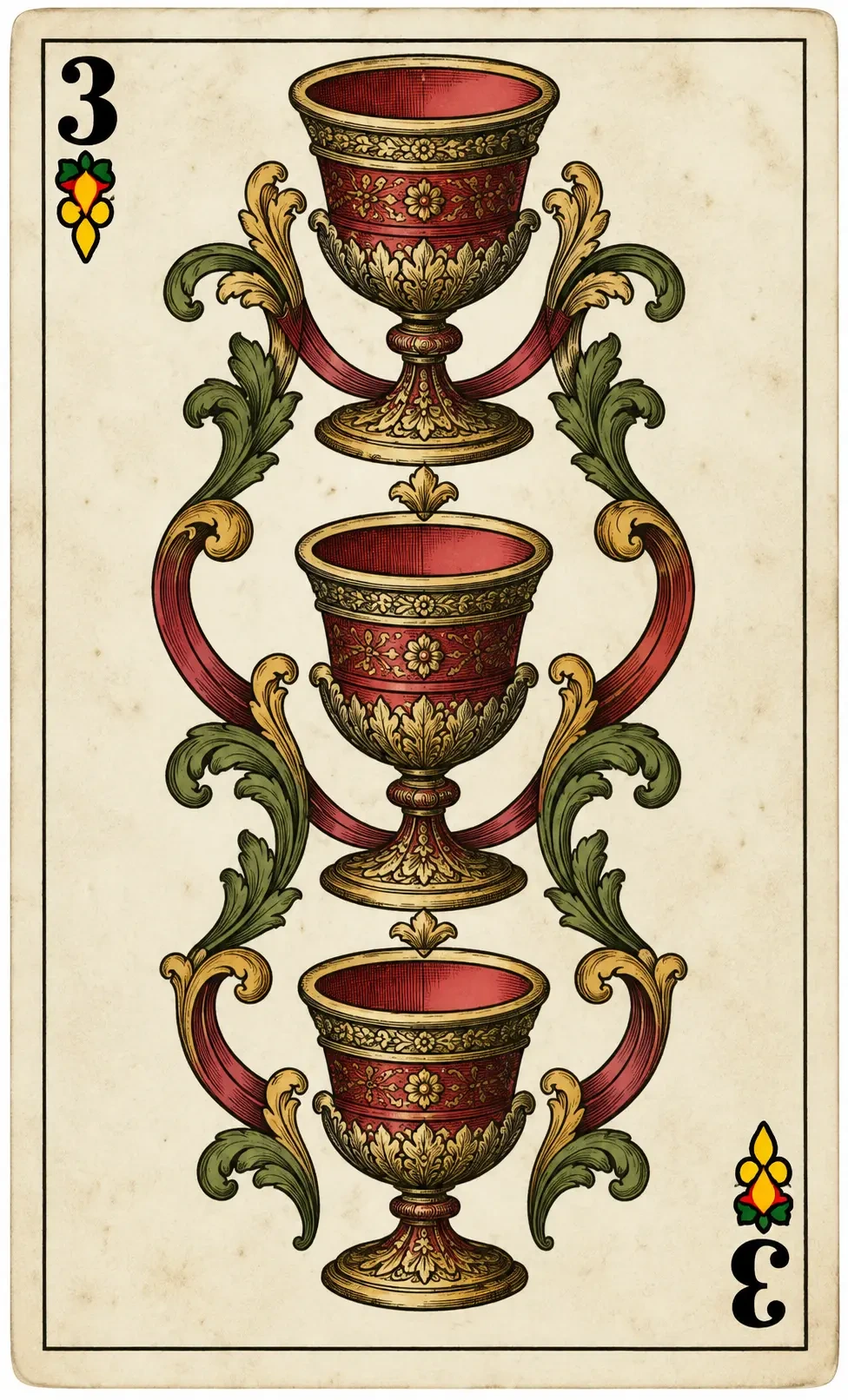
The table and the deal
Two to four players. Three cards are dealt to each player and four are placed face up on the table. Once everyone runs out of cards, three more are dealt, until the stock is used up.
On your turn you play a card. If it adds up to fifteen with one or more cards on the table, you take all of them plus your own. If it does not add up, your card stays on the table.
If your play clears the table completely, you have made an escoba (a "broom"): it is recorded separately and is worth one point outright.
Whatever cards remain on the table at the end of the game go to whoever made the last capture.
How to play, step by step
Escoba is played by two to four players with a Spanish deck: you add your card to those on the table to make fifteen and sweep them up, and clearing the table entirely earns an escoba.
- 1
Deal three cards and four to the table
With the forty-card Spanish deck, the dealer gives three cards to each player and lays four face up on the table. The player to the dealer's right starts.
- 2
Learn the card values
Ace through seven are worth their number; face cards follow on: Jack eight, Knight nine and King ten. That's the count used to make fifteen.
- 3
Make exactly fifteen
On your turn you play a card: if it and one or more cards on the table add up to exactly fifteen, you sweep them all up. If you can't reach fifteen, your card stays on the table.
- 4
Call escoba for clearing the table
If your pickup clears every card off the table, that's an escoba: a point straight onto the scoreboard. It's the play that gives the game its name.
- 5
Deal until the stock runs out
Once everyone runs out of cards, three more are dealt to each, without refilling the table, until the stock is exhausted. Any cards left on the table at the end go to whoever made the last pickup.
- 6
Score the hand
One point for most cards, one for most coins, one for most sevens, and one for the seven of coins (the velo), plus one point per escoba. First to reach twenty-one points wins.
Scoring and the end of the round
One point is scored for each escoba, one for the siete de oros (coins), one for holding the most oros, one for holding the most sietes, and one for holding the most cards overall.
Played to an agreed number of points, usually fifteen or twenty-one, adding up over several rounds.
Strategy: how to win more hands
Count what you leave on the table
Every card you play without capturing anything is an opportunity for the next player. Before playing, check whether your card sets up an easy fifteen for the opponent.
Go after the oros (coins)
Holding the most oros (coins) is worth a point, and the siete de oros another. With two points at stake, capturing oros is often worth more than collecting big piles.
Hold on to mid-value cards
The cinco, seis and siete open up many fifteens. Keeping them gives flexibility; being loaded with reyes limits you to a single type of sum.
Watch for the last capture
Whoever captures last takes whatever is left on the table, which can flip the point for most cards. Count the stock so that final capture falls to you.
Common mistakes beginners make
Capturing small just to capture
Taking two irrelevant cards when you could have waited for an escoba trades a point for nothing. Not every capture is a good one.
Leaving the siete de oros (coins) exposed
Playing an ocho when a siete de oros (coins) is sitting on the table hands the opponent a free point. Always check the valuable cards before you play.
Forgetting the value of the figure cards
Sota is eight, caballo is nine and rey is ten. Counting the sota as ten is the most common early mistake.
Table glossary
- Escoba
- Sweeping up every card on the table in a single play; worth one point.
- Velada
- The siete de oros (coins), which scores separately at the end of the round.
- Quince
- The exact sum of fifteen that must be formed with your card and the ones on the table to capture.
- Última
- The final capture of the round, which takes whatever cards remain on the table.
Frequently asked questions about La Escoba
Rules of the other games
Still have a general question? Check the site's frequently asked questions or the blog.