

Full rules
Rules of Mentiroso: how to play
In Mentiroso the whole Spanish deck is dealt out and each player drops one to three cards face down declaring what they are: the next player decides whether to believe them or call them a liar.
Mentiroso ("Liar") is not won with cards, it is won with a straight face. Cards are laid face down while announcing what they are, and the next player decides whether to believe it or call the bluff. Whoever empties their hand first wins.
3 to 6 players
What is Mentiroso
Bluffing rules here: the whole Spanish deck is dealt out, you lay one to three cards face down naming what they are, and the next player decides whether to believe you or call you a liar.
The deck and card values
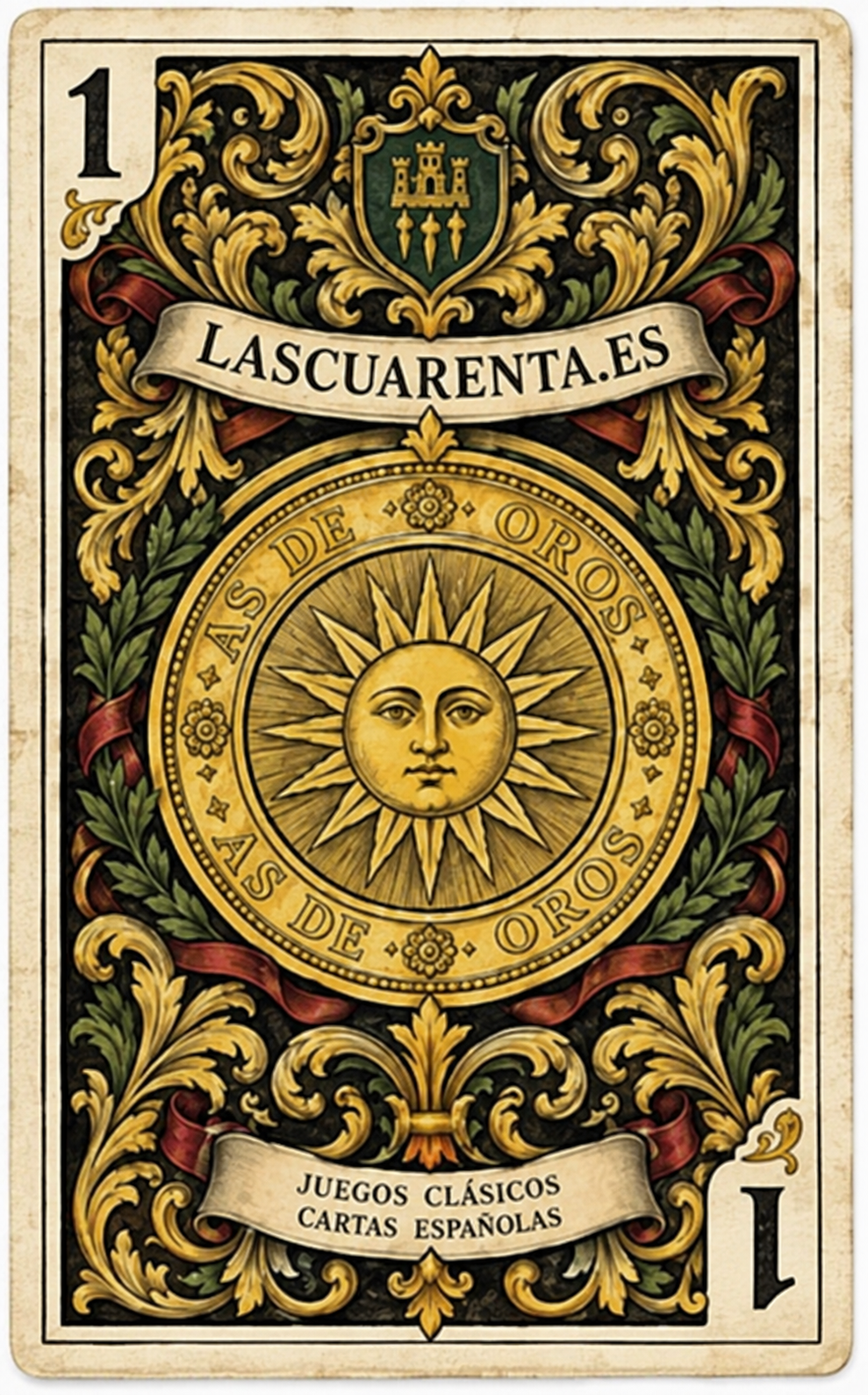
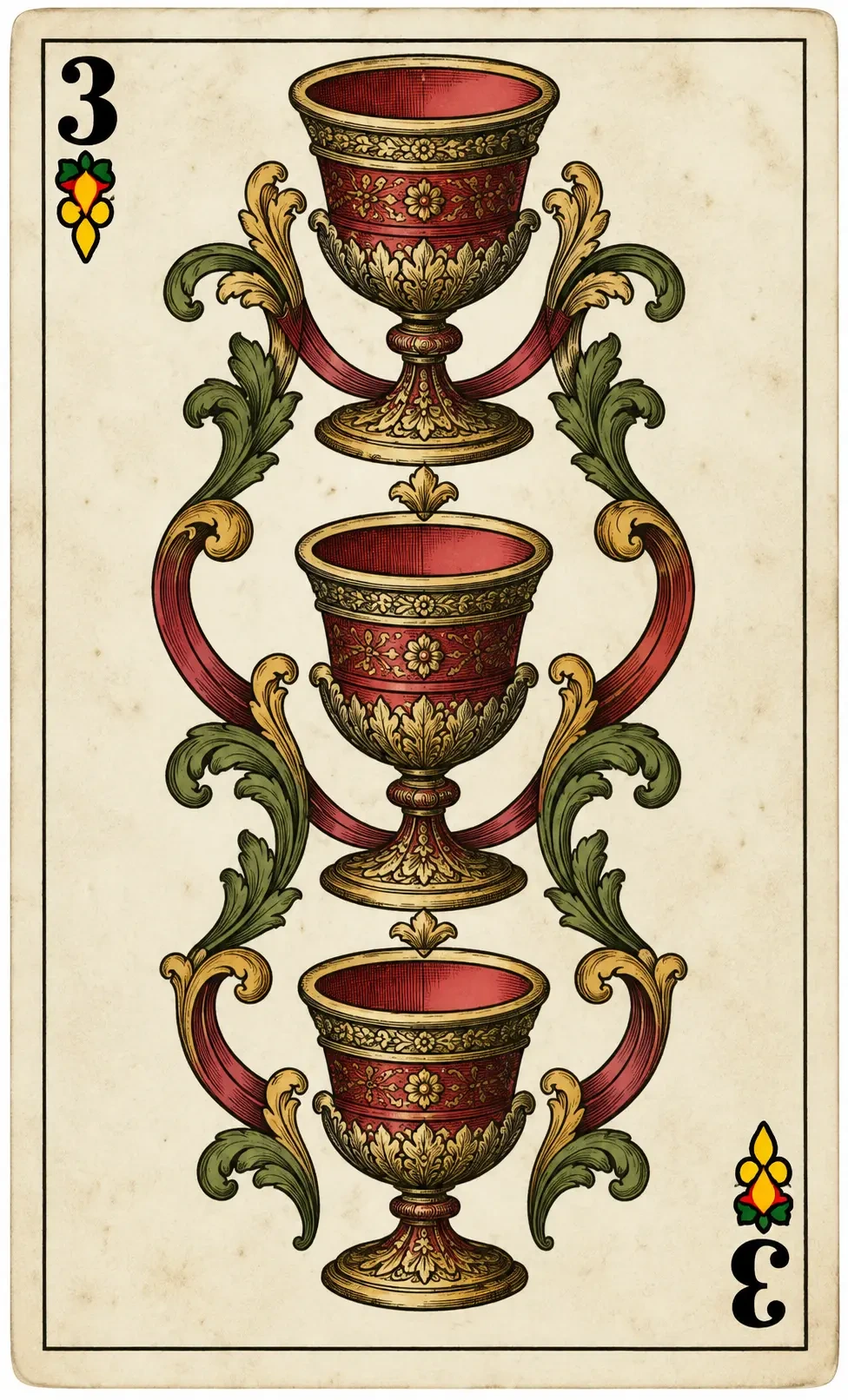
The full forty-card Spanish deck is dealt out among the players. The value of the cards does not matter for scoring: what matters is how many you have left in hand.
With three players everyone gets around thirteen cards; with six, around seven. The more players, the faster and more chaotic the round.






The table and the deal
Three to six players, everyone against everyone, cards hidden. The deck is dealt out one card at a time until it runs out, so hand sizes may differ slightly.
Whoever opens plays one to three cards face down in the middle and announces out loud what they are: "two caballos", "three reyes". The announcement sets the value for the round.
The next player, to their right, must play more cards of that same value… or lie and play whatever they have spare. They may also doubt the previous player instead of playing.
When someone doubts, the last cards played are turned face up. If they matched the announcement, the doubter takes the whole pile; if it was a lie, the liar takes it. The pile is then dealt out and the round starts again.



How to play, step by step
In Mentiroso the whole Spanish deck is dealt out and each player drops one to three cards face down declaring what they are: the next player decides whether to believe them or call them a liar.
- 1
Deal the whole deck
The forty-card Spanish deck is dealt out one card at a time among the players, from three to six, and each keeps their hand hidden. The goal is to be the first to run out of cards.
- 2
Open by declaring a value
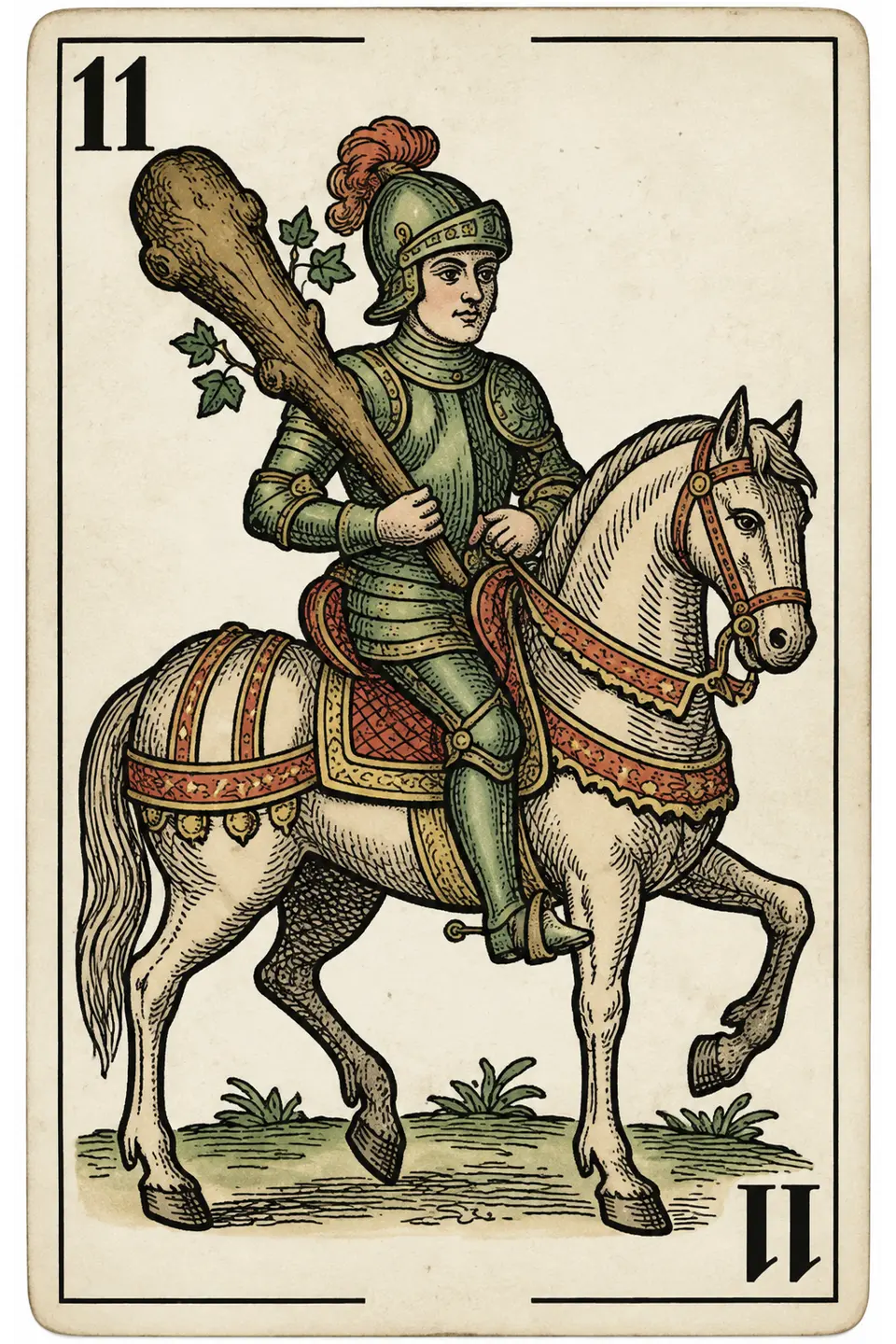
Whoever starts drops one, two or three cards face down and announces aloud what they are, all of the same value: "one two", "two knights", "three kings".
- 3
Believe and add more
The player to their right, if they believe it, drops one to three cards of the declared value face down, saying how many: "two more". The number doesn't need to match, only the declared value.
- 4
Or shout "liar!"
If they're suspicious, instead of playing they say "liar!" and the previous play is turned face up. If it was a lie, they pick up the whole pile; if it was true, the accuser picks it up instead.
- 5
Remove the sets of four
When a player gathers all four cards of a value, they show them and remove them from the game. Whoever has just picked up the pile restarts play by declaring a new value.
- 6
Whoever runs out first wins
Play continues until only one player still has cards: that player loses. The first to get rid of their hand wins, and nobody else scores.
Scoring and the end of the round
There is no score: whoever empties their hand wins. Every pile you are forced to take moves you further from victory.
When a player runs out of cards, the game ends for them as the winner; the rest may continue if the table agrees, to decide the remaining positions.
Strategy: how to win more hands
Lie while you still have many cards
Early on nobody doubts because the piles are small. That is the moment to get rid of three useless cards under any announcement: the risk is low and the relief is big.
Count the cards of the announced value
There are only four cards of each value. If you hold three reyes and someone announces "two reyes", they are lying with mathematical certainty: doubt without hesitation.
Don't doubt when the pile is huge
Doubting and being wrong means taking everything that has piled up. With a big pile on the table, lying is safer than risking having to take it.
Watch whoever is winning
The player with two or three cards left is the danger. Doubting them, even without certainty, sends cards back to their hand and delays their win.
Be unpredictable
If you always play one card when telling the truth and three when lying, the table reads you within two rounds. Vary the number of cards and the rhythm.
Common mistakes beginners make
Lying with a huge pile at stake
It is the most expensive mistake in the game: if you are caught, you take twenty cards and go from leading to last.
Doubting on a hunch
Doubting is a matter of counting, not instinct. Count the four cards of each value and doubt only when the numbers do not add up.
Saving matching cards for the end
Four cards of the same value in your hand are a burden: you can only get rid of them when that value comes up. Spread them out along the way instead.
Table glossary
- Farol
- Playing cards while announcing a value you do not actually hold.
- Dudar
- Turning up the last cards played to check whether the announcement was true.
- Montón
- All the cards piled up in the middle, taken by whoever loses the doubt.
Frequently asked questions about Mentiroso
Rules of the other games
Still have a general question? Check the site's frequently asked questions or the blog.