

Rules
Tute, Guiñote and Brisca: what exactly makes them different
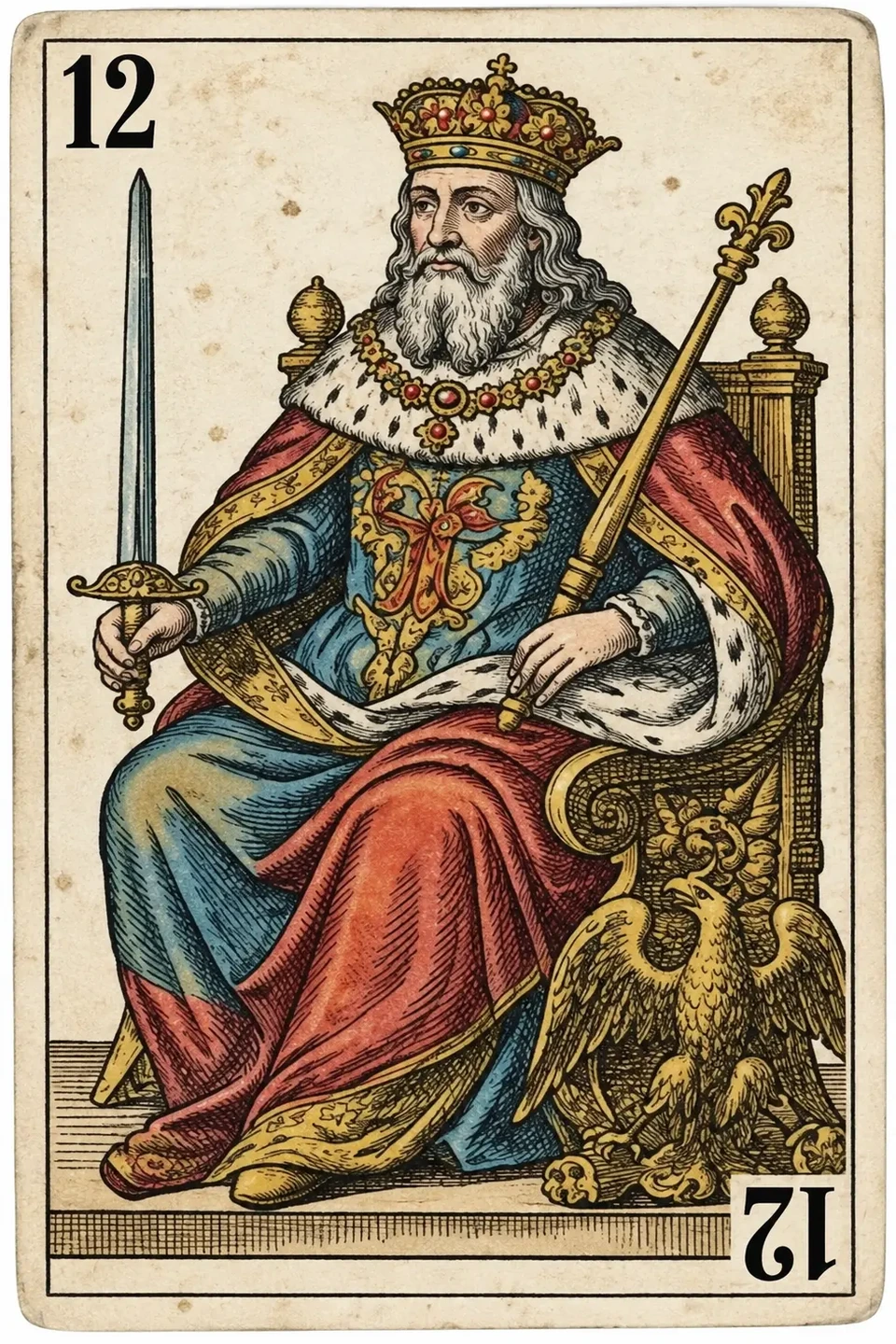
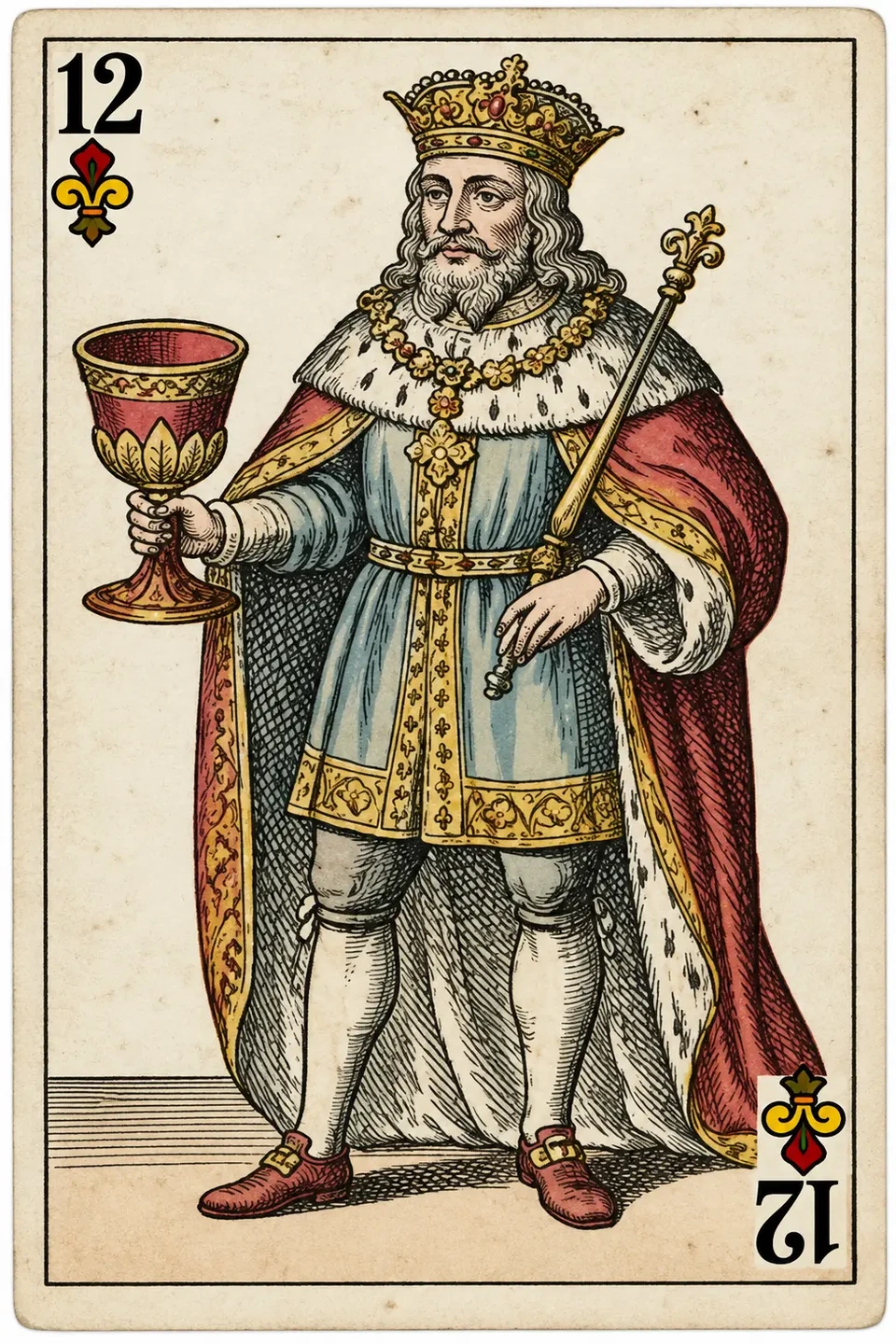
The main difference between Brisca, Tute, and Guiñote lies in the rules players must follow during each trick. In Brisca, players draw after each trick and never have to follow suit; Tute requires them to follow suit and beat the highest card played in that suit whenever possible throughout the hand. Guiñote allows free play while cards remain in the stock, then switches to arrastre, a restricted phase in which players must follow suit, beat the highest card in that suit if possible, and play a trump if they cannot follow suit.
Anyone who learns to play as an adult usually asks the same question: if Tute, Guiñote, and Brisca share cards and trumps, what makes them different? There are two main differences: when it's mandatory to follow suit, and whether cards are drawn from a pile (known at many tables as the monte).
Are Brisca and Guiñote the same game?
No, although they're very similar and easy to confuse. Both have a face-up trump indicator card, players draw from the pile after each trick, and the cards have the same values. The difference is that Brisca stays in that free-play phase throughout, with three cards in hand, while Guiñote is played with six cards, allows players to declare twenty and forty points, and changes completely once the pile runs out and arrastre begins.
In other words, Guiñote is like a game of Brisca that turns into Tute at the end. If you'd like to explore each game at your own pace, take a look at our guide to how to play Brisca and our overview of everything about Guiñote.
How is Brisca played, and why is there no arrastre?
In Brisca, each player has three cards and draws one after each trick. There is no obligation to follow suit: you can play any card you like, even if you have cards of the led suit. This makes it the easiest game to learn and the one almost everyone plays as a child.
The tactical consequence is that small trump cards are very valuable: a five of trump captures an As (Ace) of another suit without asking anyone's permission. If you're curious about its origins, Brisca has a very close cousin in Italy: we tell the story in the Italian cousins of Tute, Brisca, and Escoba.
What makes Tute different?
In pair Tute, there is no draw pile: all forty cards are in players' hands from the first moment, ten per player. And arrastre is mandatory from the first trick: you must follow the led suit, 'montar' (play a higher card of the led suit) if you can, and 'fallar' (trump) if you don't have the led suit. Breaking any of these rules is a renuncio.
That is why Tute is a memory game. Since the entire deck is dealt, counting the cards played allows players to know exactly what each person has left in their hand and when an opponent is void in a suit. There are also many ways to play it, which we cover in the variants of Tute.
Why does Guiñote combine both systems in two phases?
Guiñote, typical of Aragon, combines both systems. In the first phase, each player has six cards and draws from the pile, with no obligation to follow suit. When the pile runs out, the second phase begins, with mandatory arrastre and the final six cards.
The first half serves to prepare for the end: strength is conserved, 'cantes' (scoring declarations) are formed, and players decide which six cards are best to have when the obligation to follow suit begins. Of the three, it is the one that changes the most from one phase to another. To make the most of it, take a look at Guiñote strategy and what it means to draw out trumps.
What do Tute, Guiñote, and Brisca have in common?
All three use the same card order (As [Ace], three, Rey [King], Caballo [Knight/Cavalier], Sota [Knave/Page] and the rest without value) and the same points: As eleven, three ten, Rey four, Caballo three, and Sota two. If you've ever wondered why, we explain it in why the ace is worth more than the king. All three have a trump suit, and Tute and Guiñote share the 'cantes de veinte y cuarenta' (scoring declarations of twenty and forty points), which gave rise to the Spanish expression cantar las cuarenta.
If you come from Brisca, the advice is simple: first learn the arrastre rules with Tute, and then move on to Guiñote. In Learn to play you have the complete rules for all three and an interactive tutorial to practice without keeping score, and in the glossary you'll find the rest of the terms you hear at the table.