

Rules and concepts
Asistir, montar, and fallar: what do they mean?
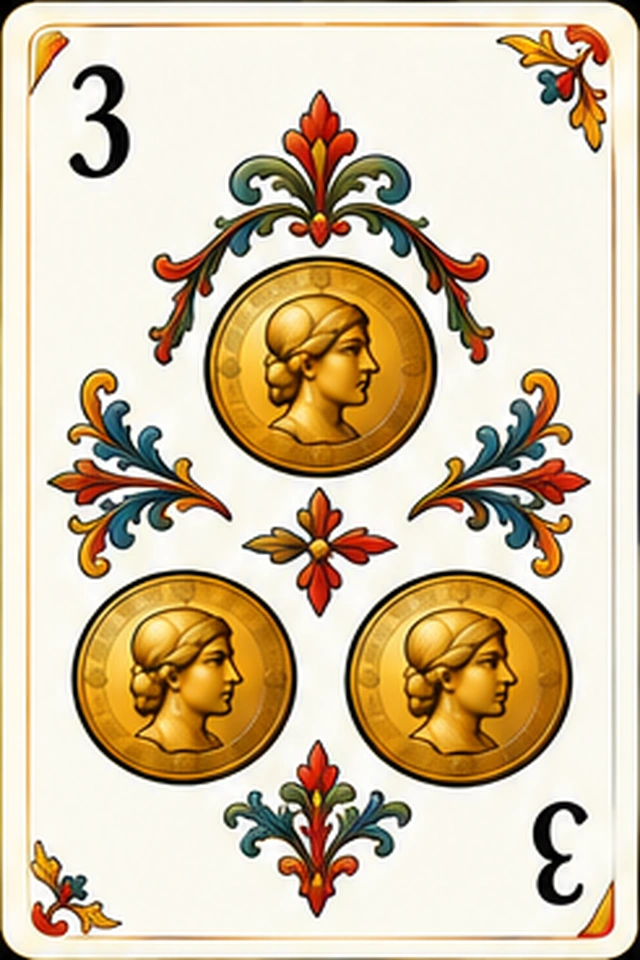
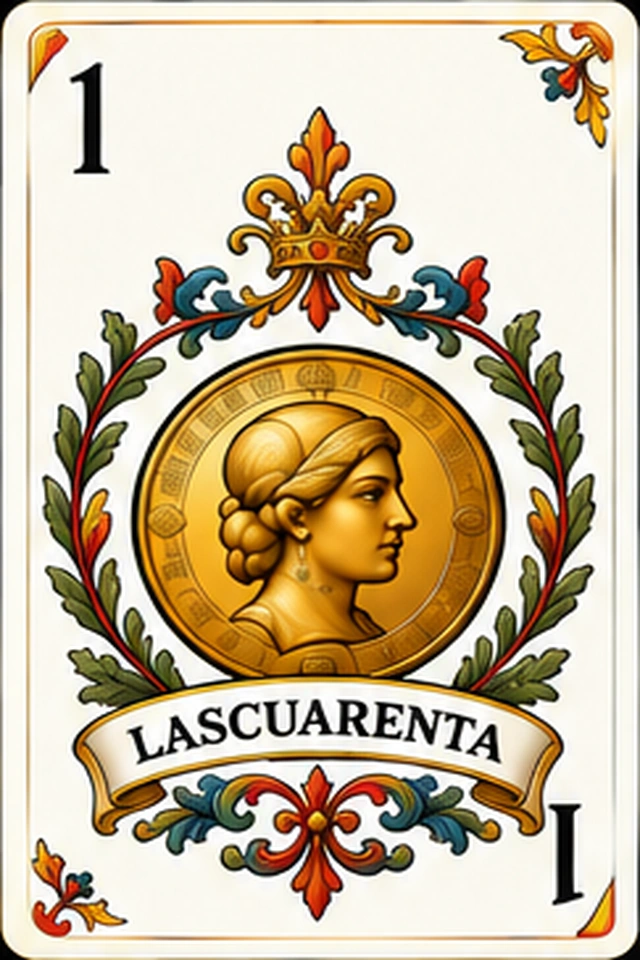
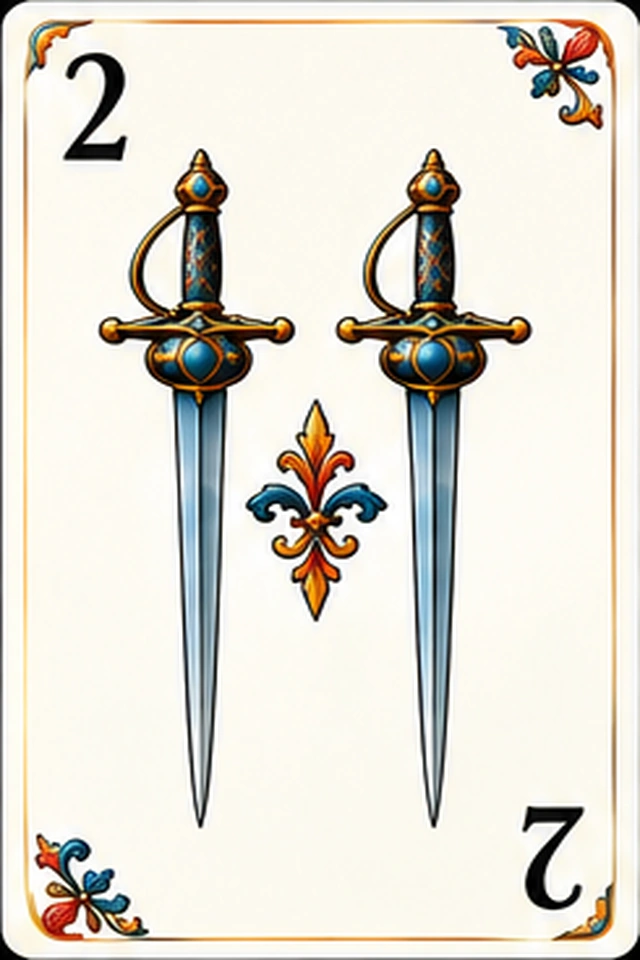
Asistir (following suit) means playing a card of the same suit as the card led to the trick. Montar (beating) means following suit with a card higher than those already played. Fallar (trumping or ruffing) means playing a trump when you have no cards of the suit led.
An example to make it clear
Imagine you are playing Tute [a popular trick-taking game], the trump suit is Espadas (Swords) and your opponent leads with the Caballo (Knight) of Oros (Coins).
- If you play the four of Oros (coins), you have asistido.
- If you play the As (Ace) of Oros, you have montado, because it beats the Caballo.
- If you have no Oros and play the two of Espadas (swords), you have fallado: you win the trick with a small trump.
When is it mandatory?
It depends on the game. In Tute, it is usually required from the very first trick. In Guiñote, it is only required once the monte (the draw pile) is exhausted. In Brisca, it is never mandatory: you can play whatever you like. If you fail to follow these rules, you commit a renuncio (a revoke).
What if someone else has already trumped?
In many games, if someone has played a trump card before you and you also lack the suit led, you must trump with a higher trump card. This is known as "pisar" or "sobrefallar" (overtrumping). You can find more details in what is arrastrar (leading trumps).
Frequently asked questions
What does 'asistir' mean in card games?
To play a card of the same suit as the one that led the trick (following suit).
Is it always mandatory to 'montar'?
No: it depends on the game and the phase. In Guiñote, for example, it is only compulsory once the draw pile is exhausted.