

Rules and concepts
What is the monte in Tute and Guiñote?
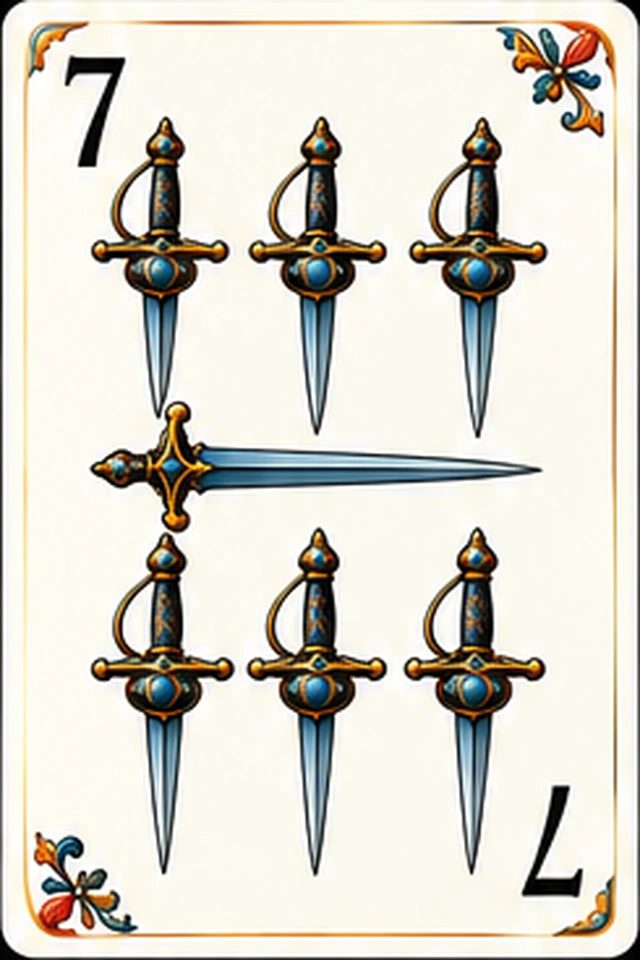
The monte is the pile of cards left face down in the centre after the deal. In Guiñote, popular in Aragon, and Brisca, a popular Mediterranean trick-taking game, each player draws from it after every trick, beginning with the trick’s winner. Once the monte runs out, play moves into a different phase.
With and without a monte
In Guiñote, the difference is very noticeable:
- With a monte: you can play whatever you like, there is no obligation to follow suit, and you can declare "cantes" (bonus points).
- Without a monte: it is mandatory to asistir, montar and fallar (follow suit, head the trick, and trump), and the game becomes much more technical.
The trump card
The card turned over during the deal to mark the trump suit is usually placed at the bottom of the monte, peeking out. Whoever holds the seven (or the two, depending on the game) of that suit can exchange it for this card.
What about Tute?
In classic four-player Tute (Spain's most famous trick-taking game), all cards are dealt, so there is no monte. In Tute for two or three players, however, there is. we review this in the variants of Tute and in the comparison table.
Frequently asked questions
Who draws from the monte first?
The player who wins the trick draws first, followed by the other players in clockwise order.
What changes when the monte is empty?
In Guiñote [a regional trick-taking game], it becomes mandatory to follow suit and head the trick, and players can no longer declare 'cantes' [point-scoring combinations].