

Rules and concepts
Tute (trick-taking), Guiñote (trick-taking) and Brisca (trick-taking): differences at a glance
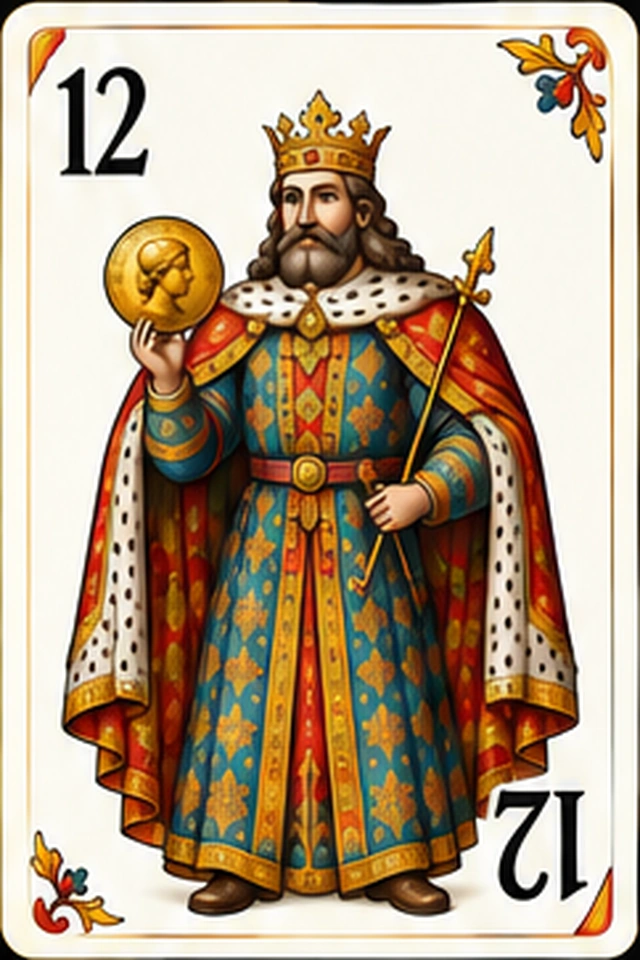
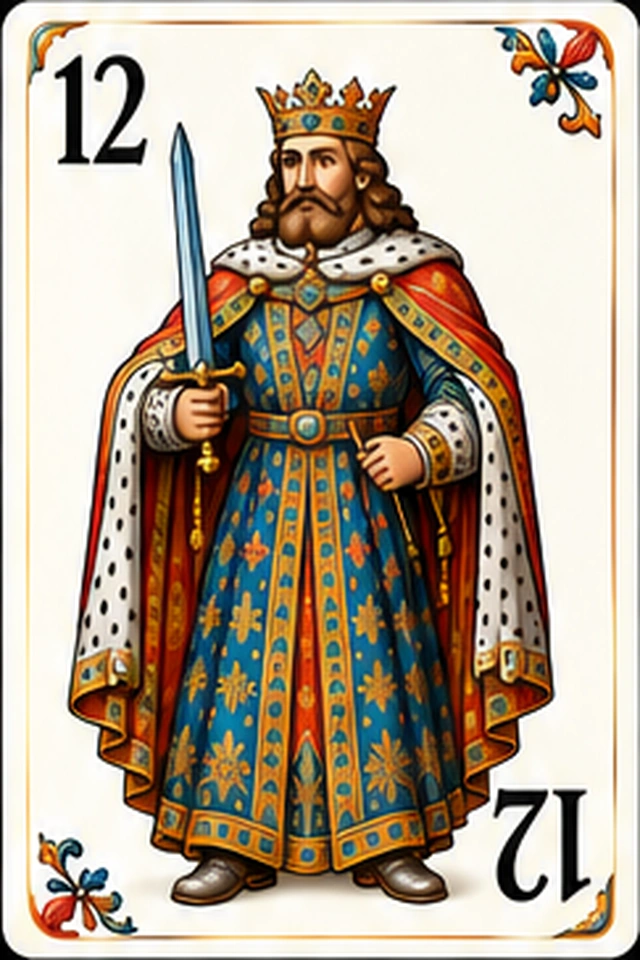
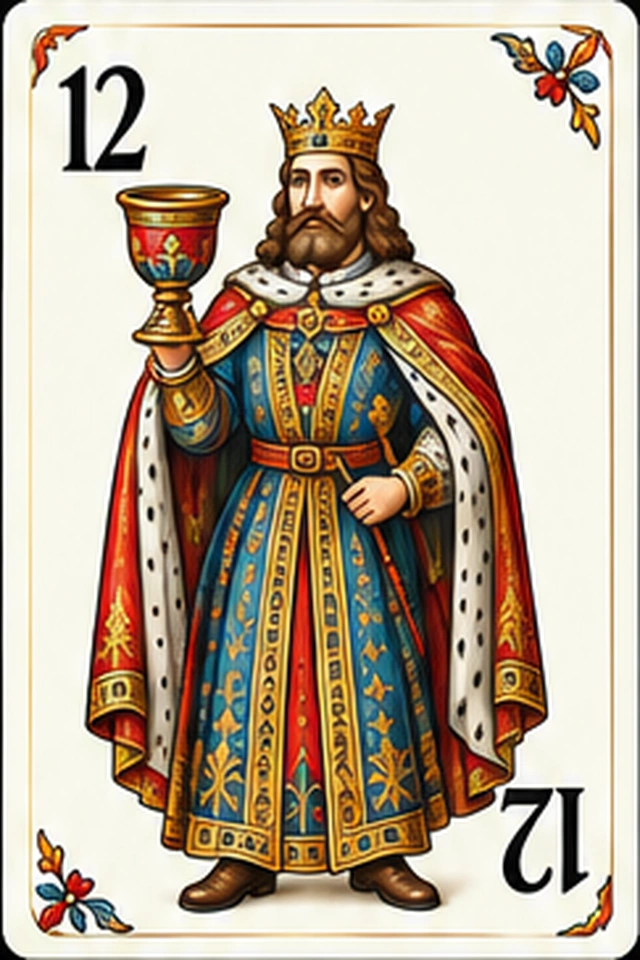
Tute, Guiñote and Brisca differ in how many cards you hold, when you must follow suit and whether declarations are allowed. They use the same cards and almost identical values: as (ace) 11, tres (three) 10, rey (king) 4, caballo (knight) 3 and sota (jack) 2. Brisca is the simplest option, while Guiñote is the most comprehensive.
The differences at a glance
- Cards in hand: Tute, all or almost all the cards (depending on the number of players); Guiñote, 6; Brisca, 3.
- Following suit: Tute, compulsory from the start; Guiñote, only once the stock runs out; Brisca, never compulsory.
- Declarations: Tute, twenties and forties (and the tute declaration); Guiñote, twenties, forties and tute; Brisca, none.
- Trump exchange: in Guiñote and Brisca, the face-up card can be exchanged for the siete (seven) of that suit (or the dos (two) in some Brisca variants); in Tute, it depends on the variant.
Which should I start with?
If you've never played, start with Brisca. Once you've mastered it, Guiñote will teach you to use declarations and think in two phases. Tute will then put you to the test with compulsory following suit from the very first trick.
Further reading
We have a longer article on the differences between Tute, Guiñote and Brisca, another on declarations and one on their Italian cousins.
Frequently asked questions
Which game is easiest to start with?
Brisca: there are no declarations and no obligation to follow suit.
Can you make declarations in Brisca?
No, classic Brisca has no declarations.