

Rules and concepts
Tute variants: what changes in classic, habanero, arrastrado, subastado, cabrón and three-player Tute
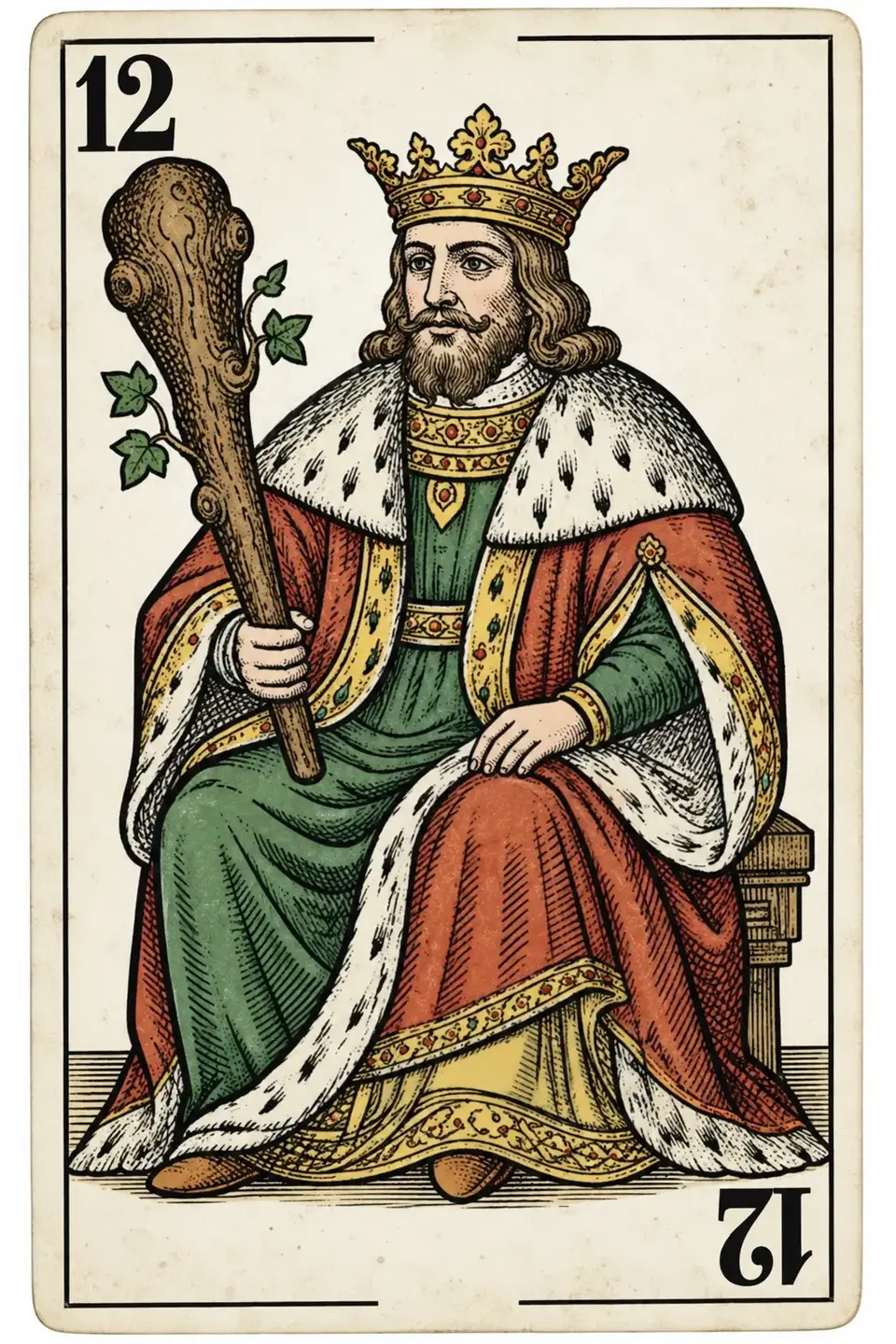
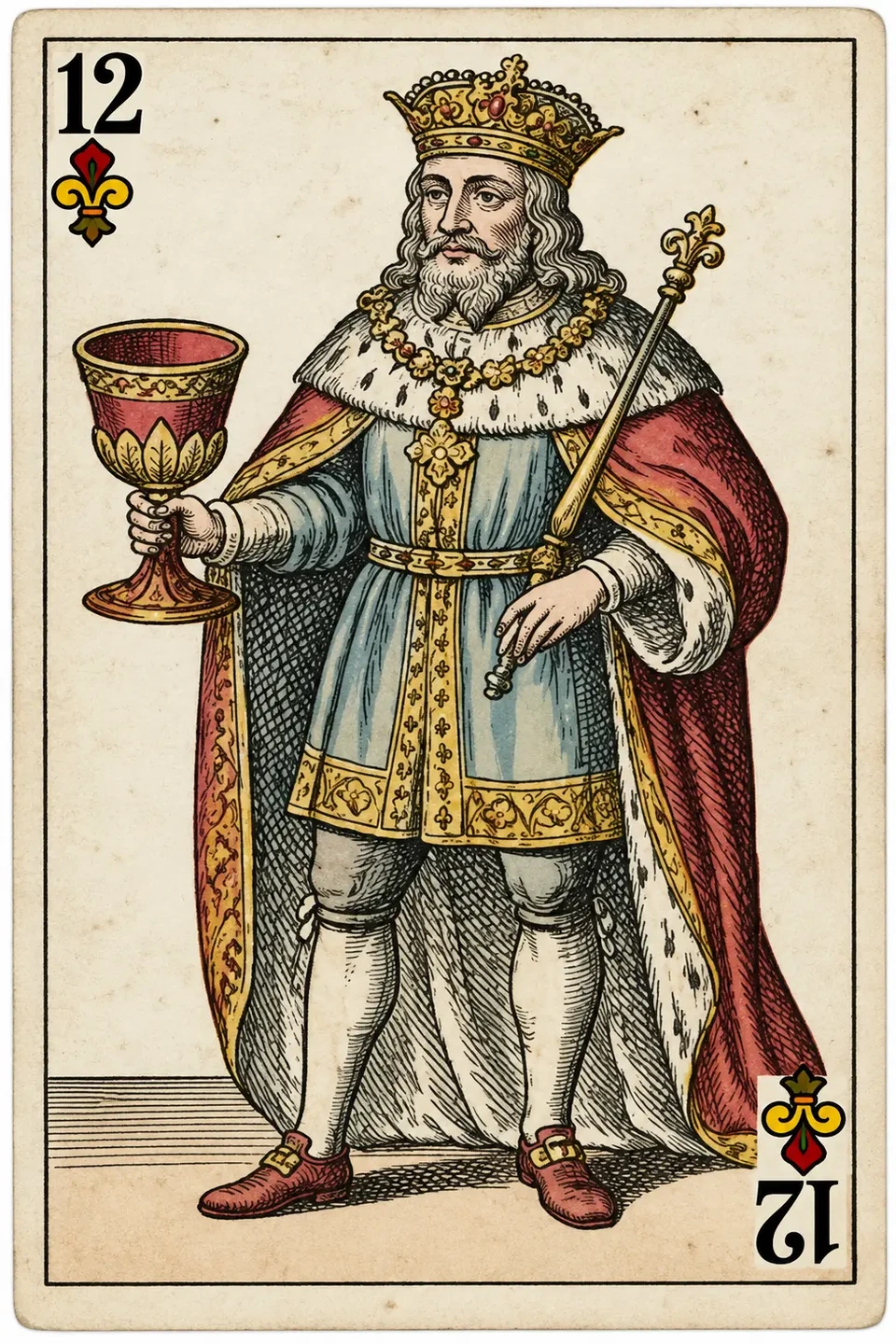
Tute variants differ chiefly in the deal, the rules for responding to a lead and how the winner is decided. Classic partnership Tute usually has four players; habanero is associated with two-player games, arrastrado with play obligations, subastado with a points contract and cabrón with special penalty systems. As names and some rules vary by region and playing group, agree on them before dealing.
What rules do Tute variants share?
The rules of Tute generally use a 40-card Spanish deck. Cards rank from highest to lowest as ace, three, rey, caballo, sota, seven, six, five, four and two. The first five are worth 11, 10, 4, 3 and 2 points respectively; the others have no point value. The cards total 120 points, with ten additional points for the last trick when that rule applies.
A trick consists of the cards each participant plays in turn. To understand the play obligations, you need to distinguish between:
- Following suit: playing a card of the suit led if you have one.
- Beating the highest card: playing a card that beats the one currently winning, when required.
- Trumping: playing a trump when you have no cards of the suit led.
- Overtrumping: playing a higher trump than one already in the trick.
Simply saying “you must beat the highest card” is not enough: some tables require this even when your partner is winning; others allow exceptions. You should also clarify what happens when you cannot beat a trump. Declarations of twenty and forty add points for holding the rey and caballo of the same suit: forty if it is the trump suit and twenty in any other suit, provided they are declared at the permitted time.
How is classic Tute played with two to four people?
The most common form of partnership Tute is played by four people, with partners sitting opposite each other. Each player receives ten cards, leaving no stock to draw from, and trumps are determined by the appropriate card under the agreed dealing procedure.
Following suit is compulsory from the first trick. Under a common set of rules, you must beat the highest card if possible; if you have no cards of the suit led, you must trump when an opponent is winning. If your partner is winning, you are usually allowed to discard. Whether you must beat your partner's card, and what to play when you cannot beat a trump, should be confirmed.
Add up the cards captured by the partnership, valid declarations and the ten points for the last trick. The side with the most points wins the hand; players agree on how many hands are needed to win the game.
There are also two-player and three-player forms of Tute, usually played individually. The partnership deal cannot simply be used unchanged: two-player games may use a draw pile, while three-player games use an adapted deck.
What makes Tute habanero different?
The name Tute habanero usually refers to a two-player version, although it does not mean exactly the same rules everywhere. One common form uses 40 cards, deals eight to each player and leaves the rest as a draw pile, with one face-up card indicating trumps.
After each trick, players replenish their hands: the winner draws first, followed by their opponent. In versions with an initial unrestricted phase, following suit and beating the highest card are not compulsory while cards remain in the draw pile. Once it runs out, the compulsory phase begins: follow suit, beat the highest card if possible, and trump if you have no cards of the suit led.
Scoring includes card values, permitted declarations and the last-trick bonus. The overall goal may be expressed as hands won or points accumulated. Before starting, confirm the obligations while drawing, the rules for exchanging the face-up trump card, and the conditions for declaring Tute: the name alone does not settle these differences.
What does playing Tute arrastrado mean?
Drawing trumps means leading a trump, but “Tute arrastrado” is also used for versions that emphasize compulsory play. It is not always a separate variant: it may describe how classic Tute or a local adaptation is played.
At a four-player table with the entire deck dealt out, each player receives ten cards and play obligations apply from the start. You must follow suit and beat the highest card according to the chosen rules; if you have no cards of the suit led, the obligations to trump and overtrump come into play. Some tables apply stricter obligations, while others retain exceptions when your partner is winning.
The label does not in itself imply a different scoring system: standard Tute points for cards, declarations and the last trick may still apply. Nor does it mean you must always lead a trump. If someone proposes “arrastrado,” ask exactly which obligations they are adding.
How does Tute subastado change the game?
In Tute subastado, players bid how many points they intend to score before playing any tricks. This auction creates a points contract; it is not a monetary wager. The player who wins the contract usually chooses trumps and plays against the others, who work together to prevent them from fulfilling it.
One setup used for three players uses 36 cards, removing the twos and dealing twelve cards to each player. Other rules exist, including deals that leave a small reserve pile or talon. These adaptations should be distinguished from the simple differences between 40-card and 48-card decks.
Once the cards are dealt, play normally requires following suit, beating the highest card and trumping according to the table's rules. The crucial difference lies in the scoring: outscoring an opponent is not enough; you must meet your contract. Players must agree on the minimum bid, permitted increments, whether declarations and the last-trick bonus count, and how successful and failed contracts are scored.
What is Tute cabrón, and how is it scored?
Tute cabrón is a particularly variable informal name, associated in some regions with versions also called cabrero. It is usually played individually, with losing conditions that differ from the standard “highest score wins” system. It should not be assumed to have a single fixed penalty table.
For three players, a reduced deck may be used so that all cards can be dealt equally; for example, 36 cards with twelve per player. The important thing is to agree on which cards are removed. With no draw pile, the obligations to follow suit, beat the highest card and trump apply from the start under the chosen rules.
When the “middle score loses” rule is used, the three players' totals are ranked and the middle score is penalized. Other tables add special conditions. Players need to clarify ties, what happens if someone wins no tricks, and how declarations and the last-trick bonus affect the result. Without that agreement, knowing the card values is not enough to determine who loses.
How is Tute adapted for three players?
In ordinary three-player Tute, everyone plays individually. A common adaptation removes all four twos and deals twelve cards to each player. Some tables also play with 39 cards, removing an agreed low card and dealing thirteen cards each.
With no draw pile, following suit and beating the highest card are compulsory from the first trick; when you have no cards of the suit led, you must trump and overtrump where required. Since there is no partner, exceptions intended to protect a partner's winning trick no longer apply.
Each player adds up their own cards, declarations and last-trick bonus, and the highest score wins unless another system has been explicitly agreed. Playing with three people does not automatically make the game Tute cabrón or subastado.
What does declaring Tute mean, and what should players agree on?
Declaring Tute means announcing that you hold all four reyes or all four caballos in your hand. A mixture of the two ranks does not count. Nor is it the same as declaring forty, which requires the rey and caballo of trumps.
Under many sets of rules, this gives an immediate win, but it may be disallowed or subject to conditions about when it can be declared and what it wins: the hand or the entire game. Confirm this before the deal.
At a minimum, players should agree on dealing, trumps, play obligations, declarations, the last-trick bonus and ties. To practice, you can play Tute online for free: check the rules of the available version, since one particular implementation does not represent every local custom.
Frequently asked questions
Is following suit and beating the highest card compulsory in every Tute variant?
Not during every phase. Two-player versions with a draw pile may have an unrestricted phase followed by a compulsory phase once the pile runs out. When all cards are dealt, obligations usually apply from the first trick, with exceptions that should be agreed on.
Is declaring Tute the same as declaring forty?
No. Declaring Tute requires holding all four reyes or all four caballos. Forty is declared with the rey and caballo of the trump suit. When Tute can be declared and what effect it has depend on the rules.
Are three-player Tute and Tute cabrón the same game?
Not necessarily. Ordinary three-player Tute usually rewards the player with the most points. The name Tute cabrón covers local rules with different losing conditions, such as penalizing the player with the middle score.
What is decided in the Tute subastado auction?
Players bid a points contract. The player who wins the contract usually chooses trumps and must reach their bid while playing against the other players. The minimum bid, increments and scoring vary according to the rules.