

Spanish deck
Differences between the 40 and 48-card Spanish decks
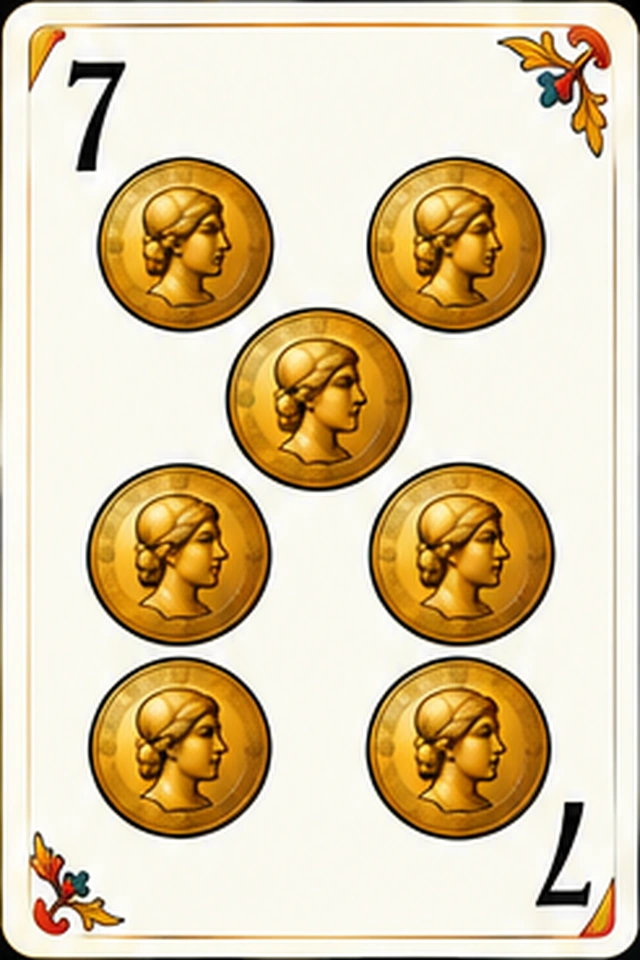
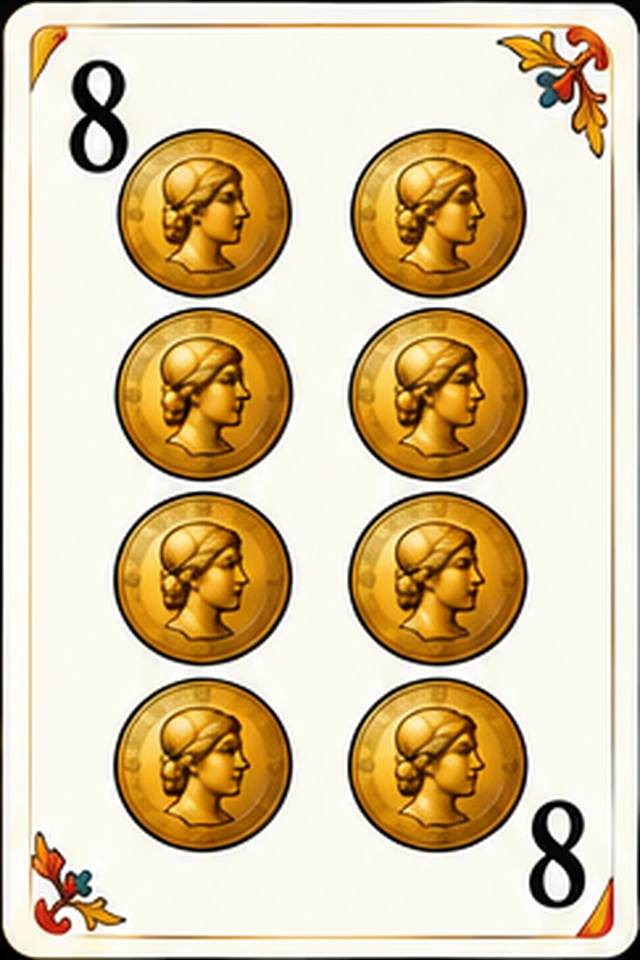
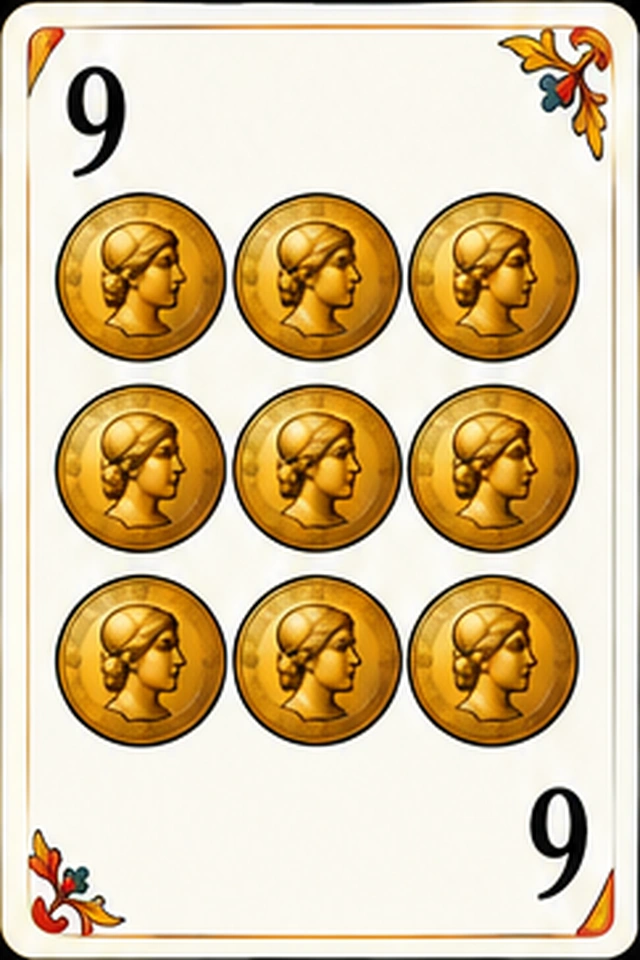
The difference between the 40-card and 48-card Spanish decks is the eight and nine of each suit: the 48-card deck includes them, while the 40-card deck leaves them out. Most traditional games, including Tute, Brisca, Mus and classic Chinchón, use 40 cards; the 48-card deck suits games and variants that need more cards.
What cards are in each deck
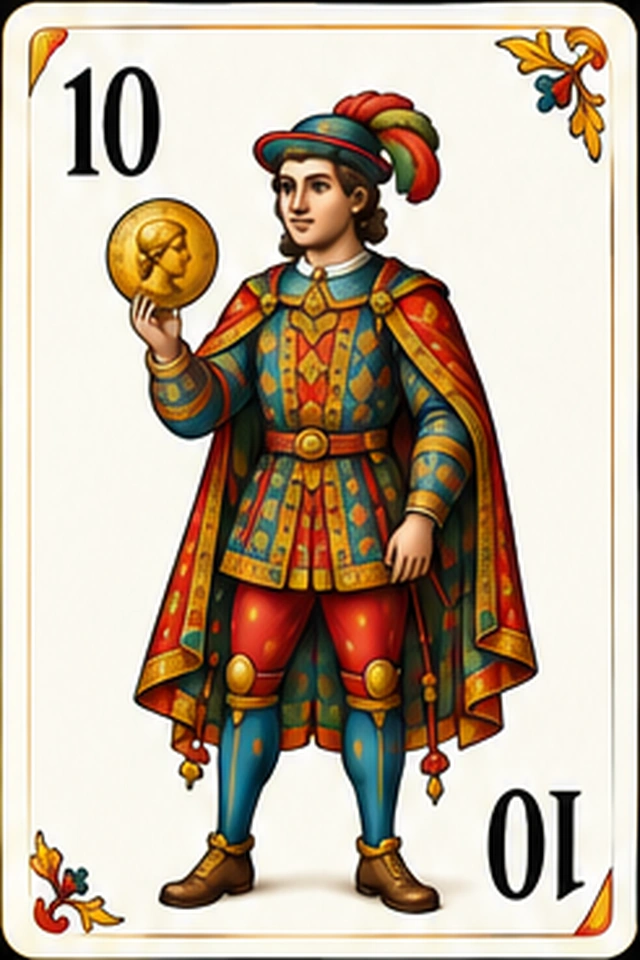
In the full version, each suit (Oros (coins) [coins], Copas (cups) [cups], Espadas (swords) [swords], and Bastos (clubs) [clubs]) has twelve cards: from 1 to 9, plus the Sota (10) [jack], the Caballo (11) [knight], and the Rey (12) [king]. This totals 48 cards. If you remove the 8 and 9 from each suit, you are left with ten per suit, and 40 in total. Some decks also include two jokers.
Why were the 8 and 9 removed?
It is a long story related to the game of El Hombre and how cards were ranked centuries ago. We explain it in detail in why the Spanish deck does not have an 8 or 9.
Which games use each version
- 40 cards: Brisca, Tute, Guiñote, Mus, Escoba, and the most common version of Chinchón.
- 48 cards: variants of Chinchón with 8s and 9s, Pumba, and some regional games like Manilla or Butifarra.
At Lascuarenta, you can choose, for example, between 40 or 48-card Chinchón in matches against bots and in custom rooms.
Which one should I buy?
Buy the 48-card deck. If a game requires 40, you simply remove the eights and nines; you cannot do it the other way around. This is what almost all families who play various games do.
Frequently asked questions
Is the 40-card deck incomplete?
No, it is a traditional version designed for specific games. It simply does not include the 8s or 9s.
Which one is used to play Mus?
Mus (a popular bluffing card game) is played with the 40-card deck.