

Spanish history and leisure
Why did Spanish bars always have a deck of cards?
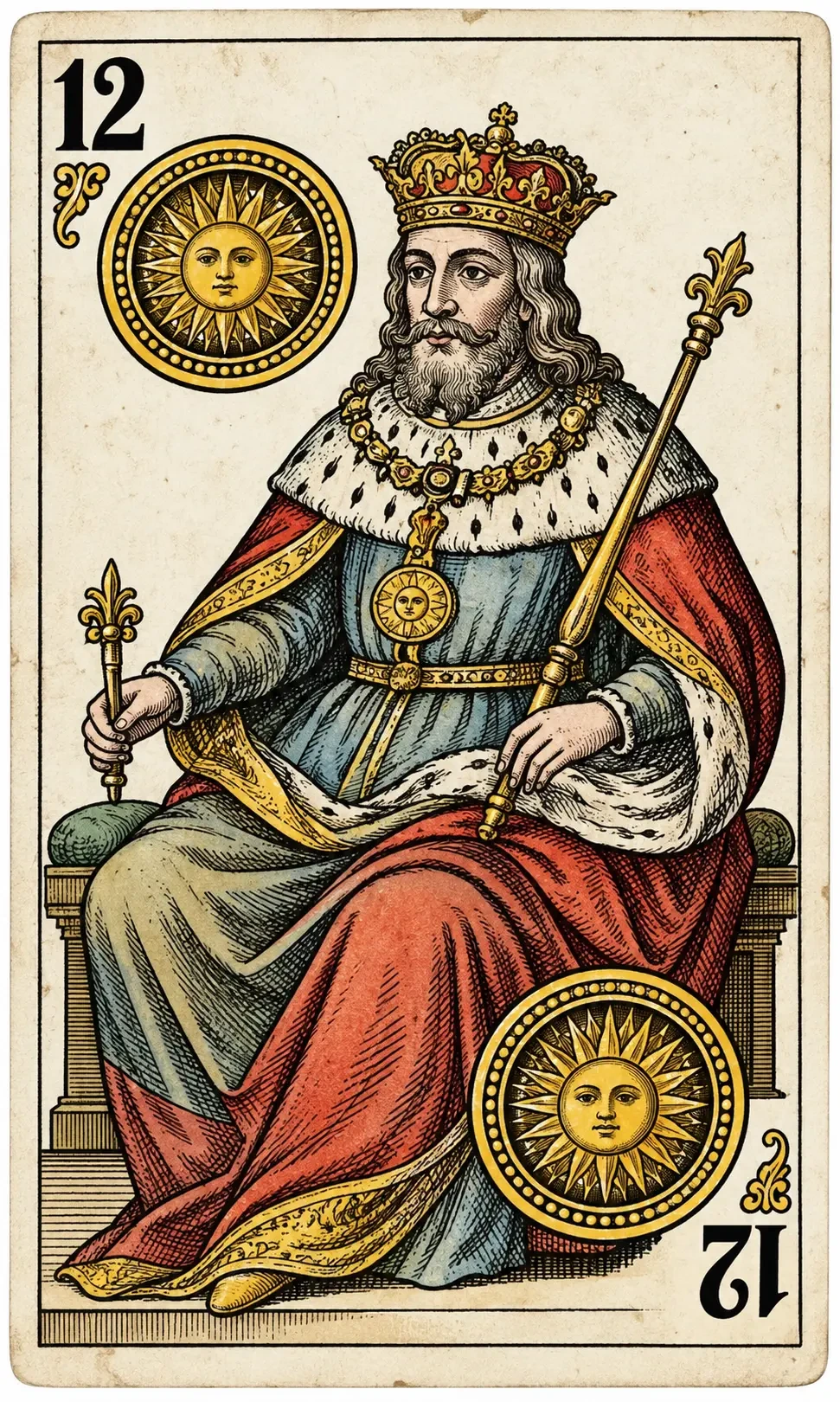
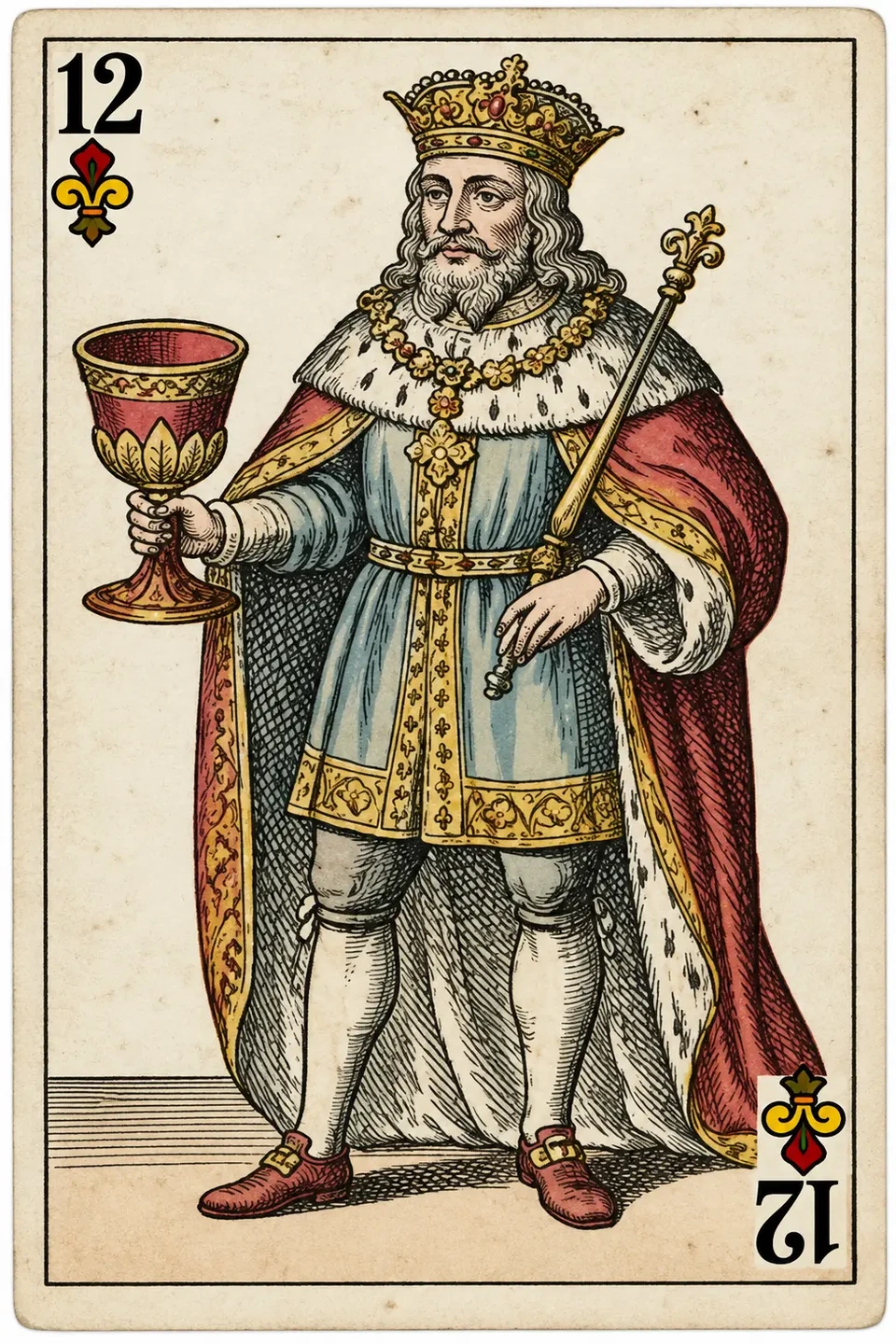
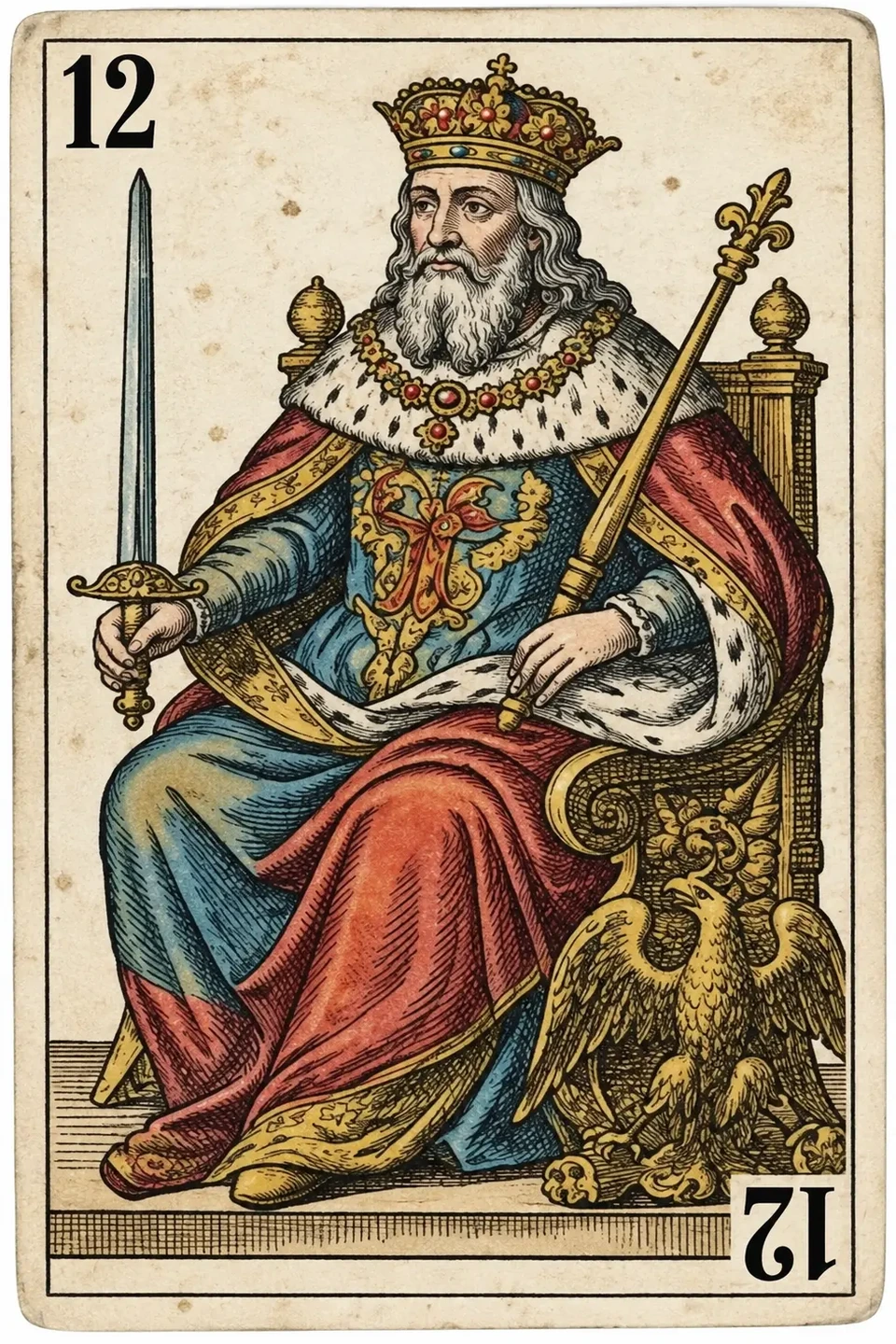
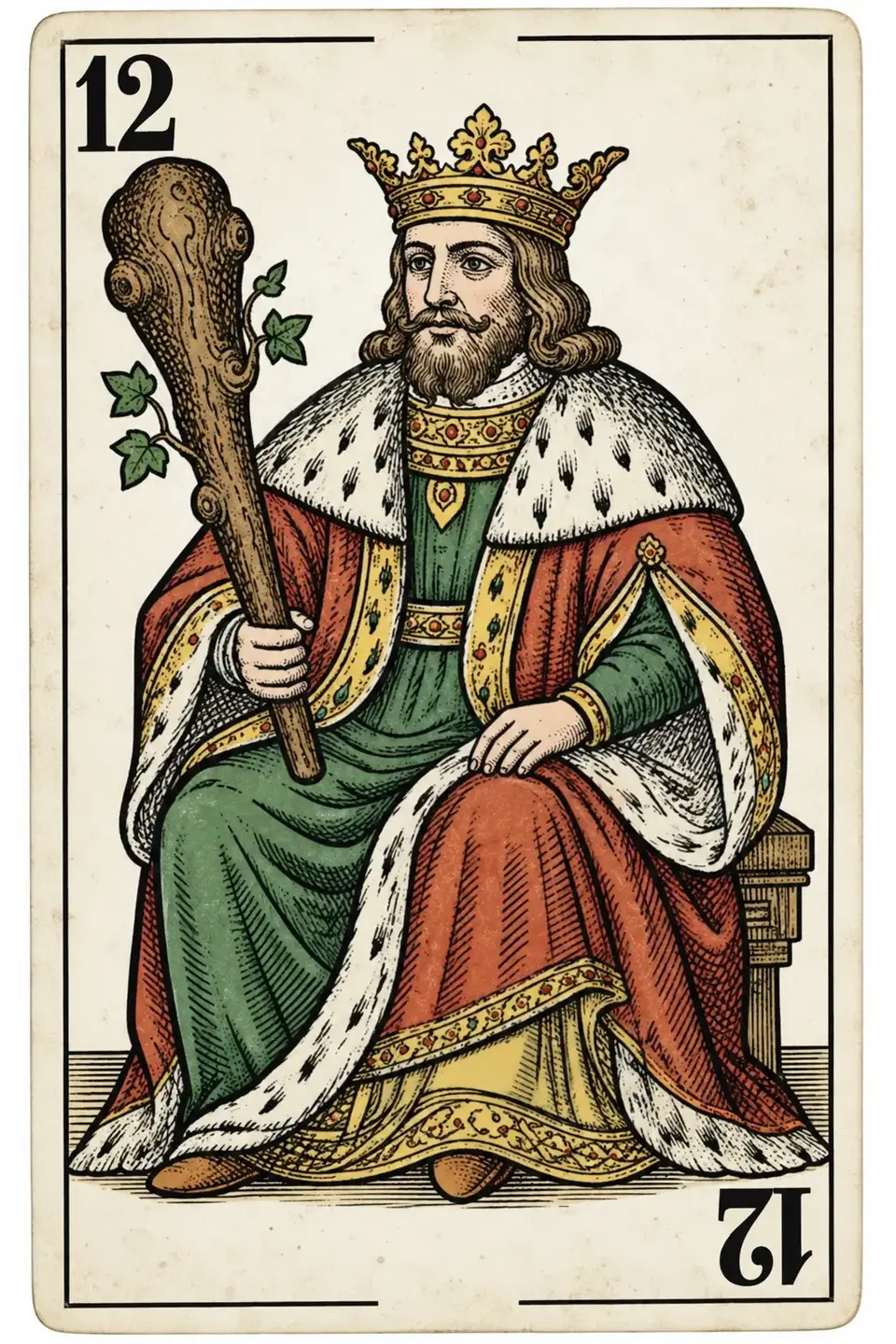
Spanish bars kept a deck of cards because they were the social hub of the neighbourhood or village, and cards offered cheap entertainment that everyone could share and that took up hardly any space. With a deck, a felt mat and a few chickpeas to keep score, four people had everything they needed for an afternoon together.
The bar as everyone’s living room
For a good part of the 20th century, many Spanish homes were small and lacked even a television. The bar, the tavern, or the village "casino" (social club) served as a communal living room. People talked about the harvest, football, or whatever was relevant, and there was almost always a table occupied by four focused players.
The owner knew it: the game attracted regular customers. Those who played would have their coffee, their wine, or their carajillo (coffee with a splash of brandy), and return the next day for a rematch. Keeping the deck behind the bar was practically an investment.
Games heard at every table
Depending on the region, different names would ring out. Mus [a popular bluffing game] in the north, Guiñote [a trick-taking game] in Aragón, Cuatrola in Castilla y León, Chinchón [a rummy-style game] almost everywhere, and Brisca for those wanting something fast. They all had one thing in common: they are played with the Spanish deck and require conversation, friendly rivalry, and the occasional "you don't lead with that!"
More than just passing the time
The bar game had its own unwritten rules: who shuffles, who pays for the round, when you can speak to your partner. It was an informal school where the elders taught the youth, and where one learned to lose with elegance (or at least try to). Many expressions we use today, such as cantar las cuarenta (meaning to tell someone off, literally "to sing the forty"), originated there.
And now?
The deck remains in many bars, though no longer in all of them. Some of those games have moved to screens, which is exactly what we try to preserve here: being able to play with friends online without losing the flavour of the traditional table.
Frequently asked questions
Which games were played most often in bars?
It depended on the region: Mus, Tute, Guiñote, Cuatrola, Chinchón, and Brisca were among the most common.
Why were chickpeas used for scoring?
Because they were cheap, readily available, and served as perfect tokens to keep score without needing paper.