

Spanish history and leisure
Forgotten Traditional Spanish Games
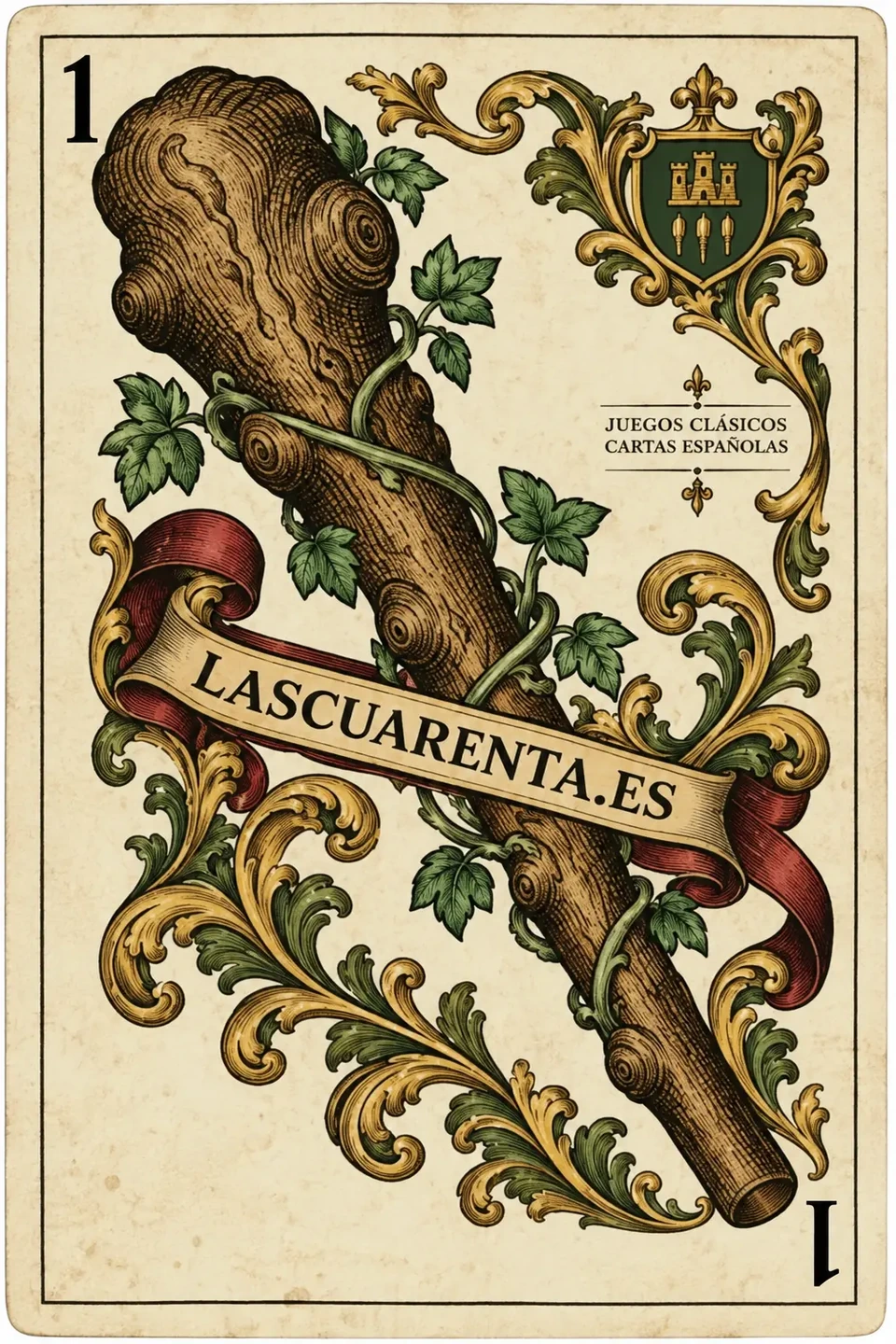
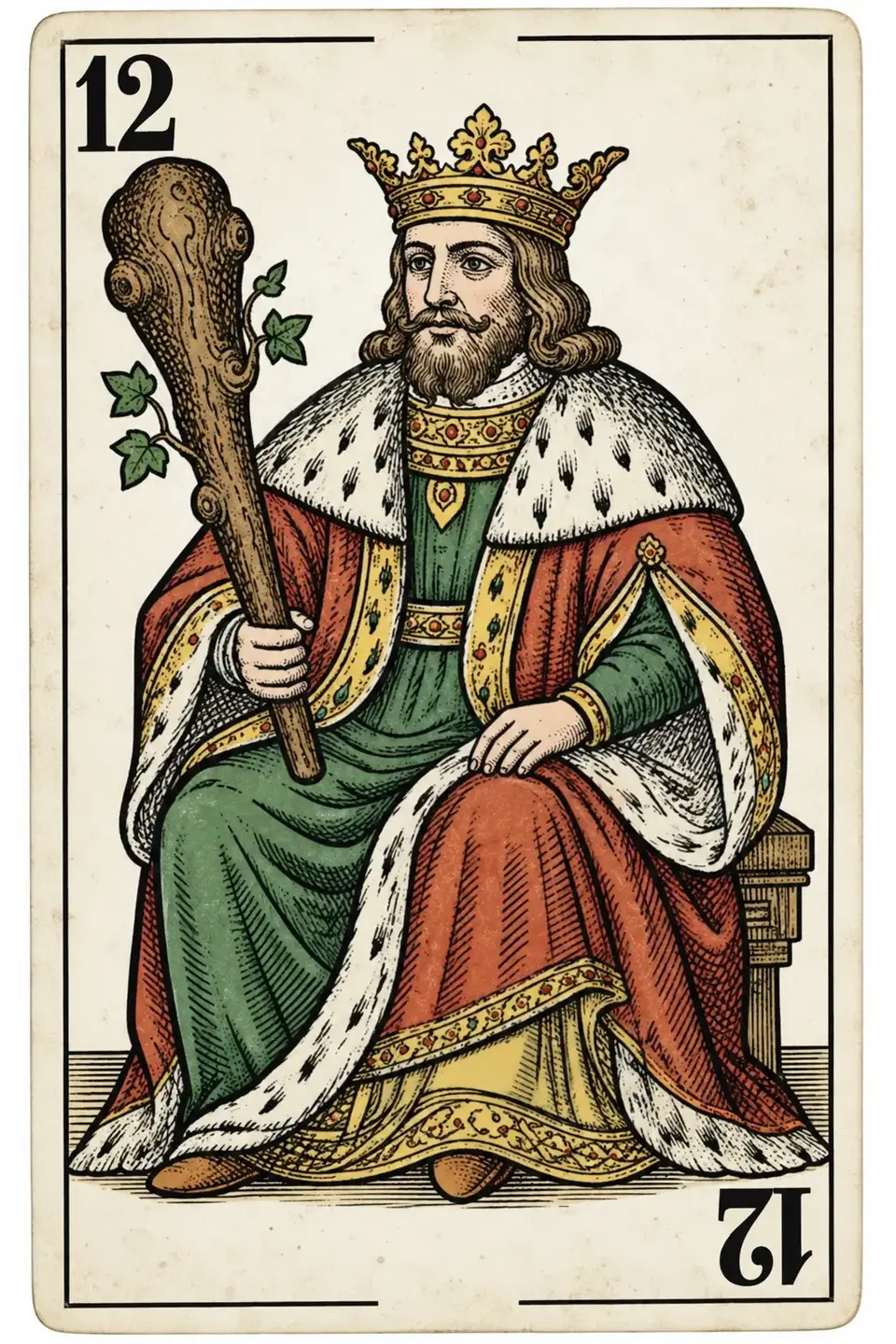
Traditional Spanish games such as la taba, la rayuela, el aro, las chapas and la peonza have nearly disappeared in many regions, alongside card games including el Hombre, la Manilla, el Truque and el Cinquillo. Some still survive in particular villages, so they are not entirely forgotten.
Street games
Until a few decades ago, the street was the playground. People played la taba (knucklebones) with a lamb bone, la rayuela (hopscotch) with chalk and a stone, el aro (hoop rolling) with an iron rod, and las chapas (toss-up) with bottle caps and plenty of skill. The peonza, or spinning top, had its own neighbourhood champions.
Card games that were lost
El Hombre was the great game of the Spanish deck in the 17th and 18th centuries, so significant that it is the reason the 40-card deck became so common. Today, almost no one plays it. La Manilla and la Butifarra endure in Catalonia and Valencia, and el Truque survives in parts of the Levante region.
Others, by contrast, have remained very much alive: Mus, Guiñote, Brisca or Chinchón continue to be played throughout Spain.
Why games are forgotten
Games live on as long as someone teaches them. When lifestyles changed, with less time on the street and more time in front of screens, many were left without a new generation to take over. The good thing is that screens can also help prevent them from being lost, which is essentially what we are trying to do here.
Do you remember any others?
Every village has its own. If your grandfather played something unusual with the Spanish deck, we would love to hear about it: you can write to us via our contacto page.
Frequently asked questions
What was the game of Hombre?
A highly popular card game in Spain during the 17th and 18th centuries, it is the ancestor of many modern trick-taking games.
Is La Taba still played today?
Yes, it is still played in certain villages and during traditional local festivals.