

Spanish history and leisure
How our grandparents used to entertain themselves
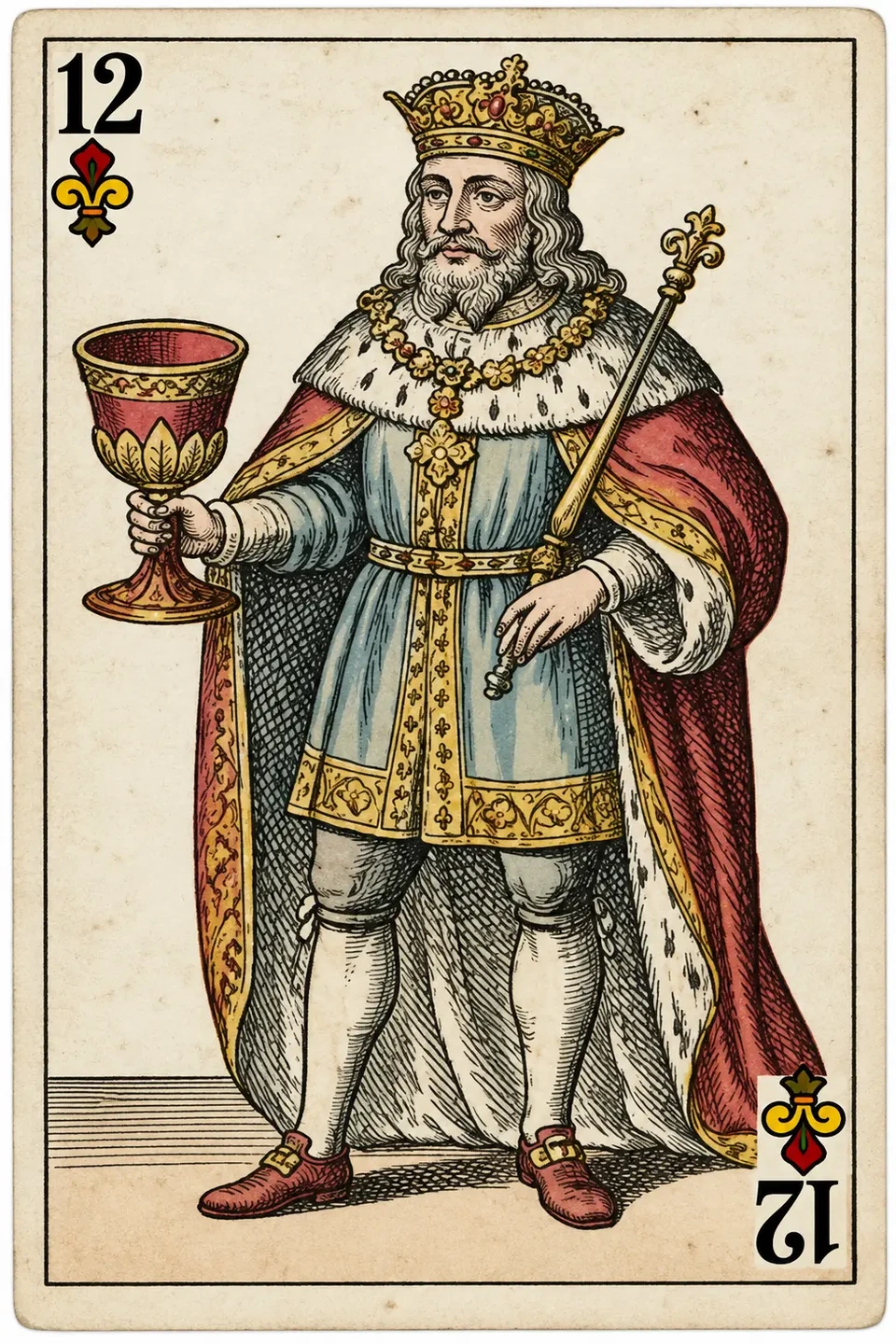
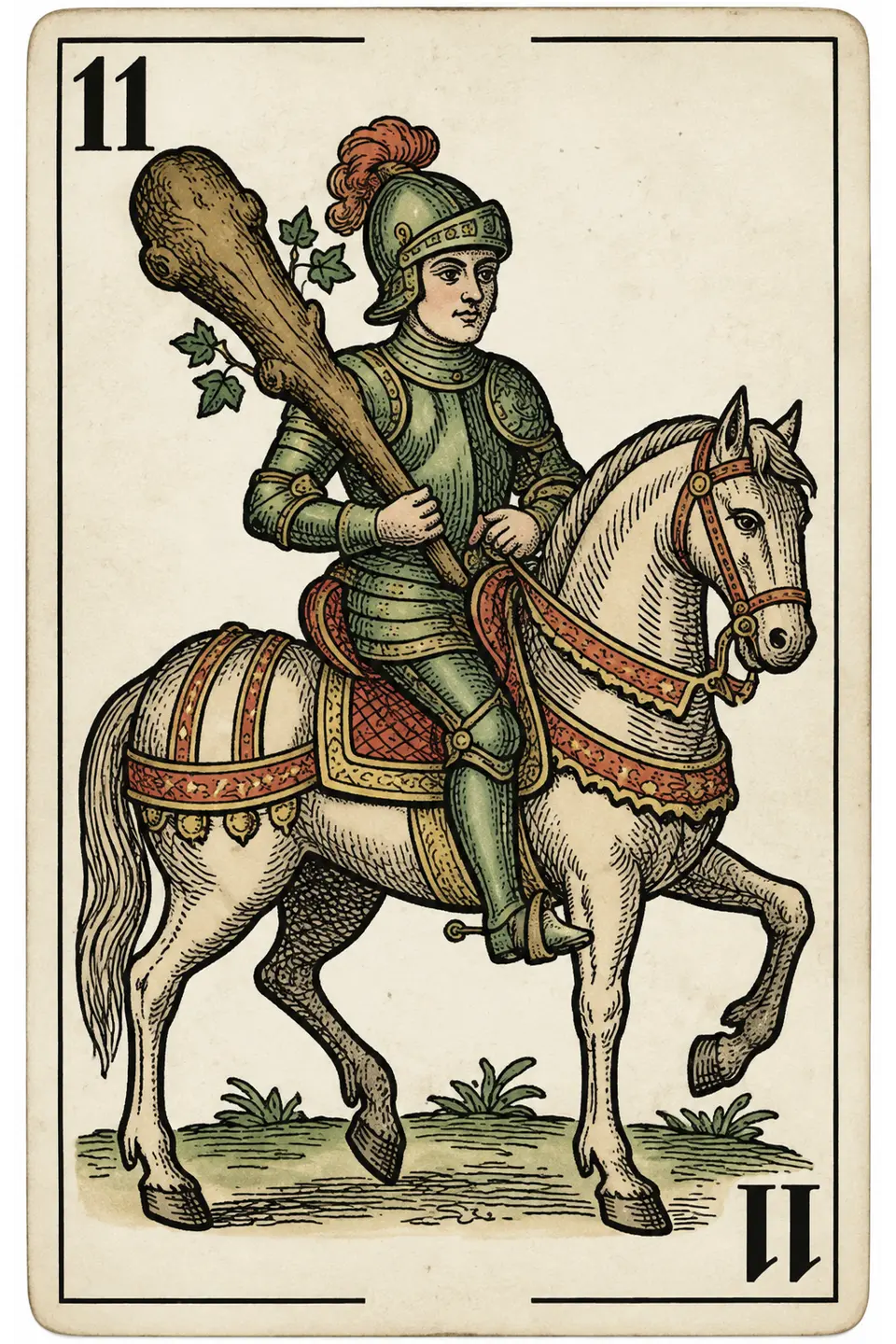
Our grandparents entertained themselves with whatever was to hand, from a deck of cards, dominoes and the radio to a stroll, dancing in the square or a trip to the local cinema. Long conversations on the doorstep were part of this simple, inexpensive and sociable way of spending free time.
The radio at the heart of the home
For decades, the radio was king: soap operas, traditional songs, matches and quiz shows. Families would sit around the set just as we do today for a series.
Sitting out in the cool air
In summer, chairs were brought out onto the street. People chatted with neighbours until late, children played and someone would bring out the cards. Many games of Chinchón (a Rummy-style game) or Brisca (a trick-taking game) began this way, spontaneously.
The bar and the social club
For men, especially, the bar was the meeting point. That is where they played Mus (a popular bluffing game), Tute (a classic trick-taking game) or dominoes. We tell you more in why Spanish bars always had a deck of cards.
Festivals, street parties and the cinema
The village fiesta was the big event of the year, and the double-feature cinema—sandwich included—was the Sunday getaway. Today they sound like a bygone era, but they left behind a way of understanding leisure: together and without hurry.
What remains
Many of those games are still alive. In our blog, we also look back at some forgotten traditional Spanish games.