

Rules and concepts
What is drawing out trumps?
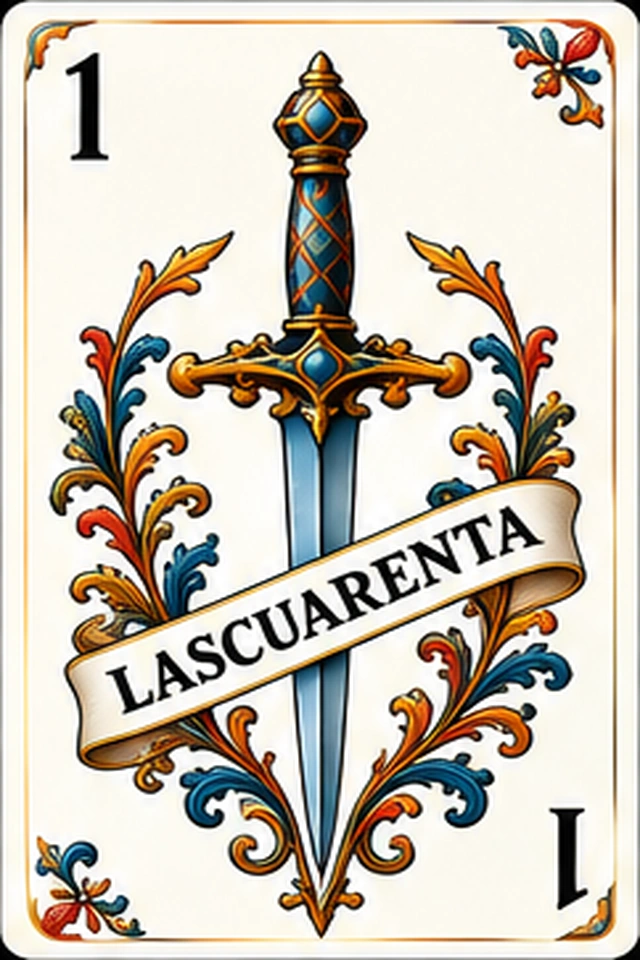
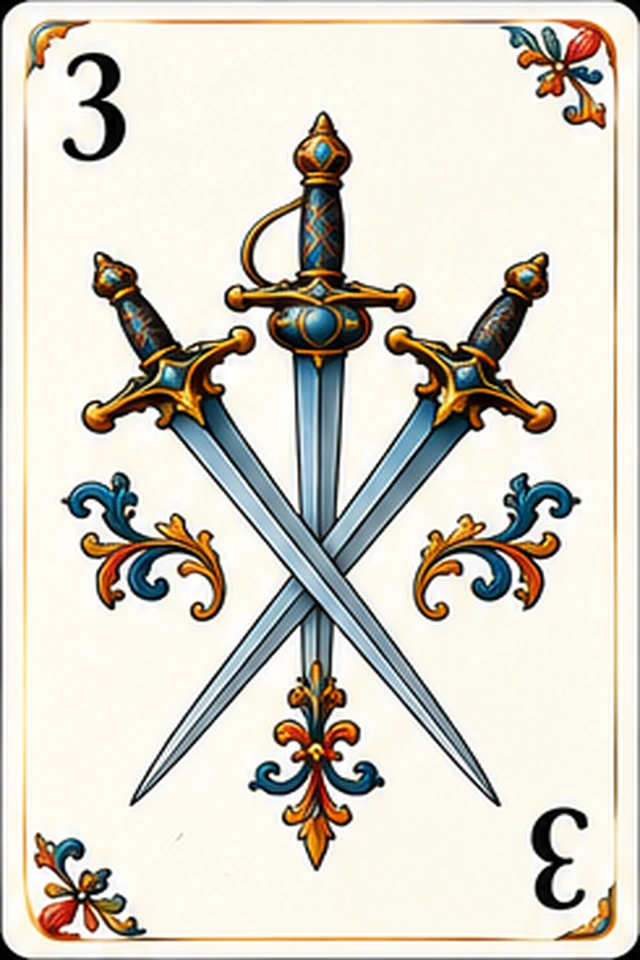
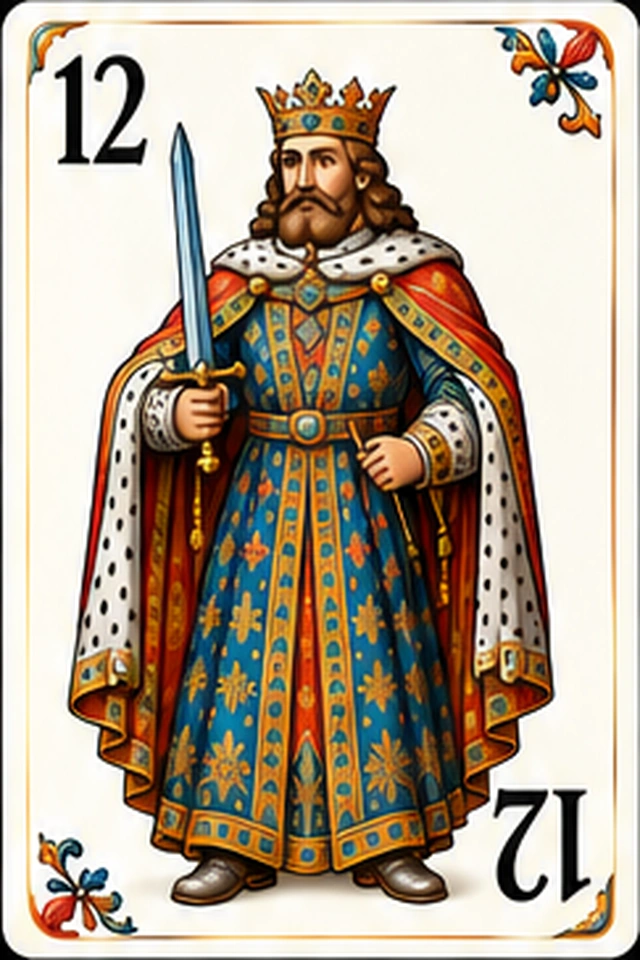
Arrastrar (literally ‘to drag’) means leading trumps to force your opponents to play theirs, with the aim of leaving them with none. Arrastre also names the final phase of games such as Guiñote, a trick-taking game for pairs, or Tute, one of Spain’s most popular trick-taking games: once there are no cards left to draw, players must follow suit and try to beat the highest card on the table.
Arrastrar as a strategic move
If you hold many high trumps, leading with them "clears" the table: your rivals must play their trumps, and later your cards from other suits can win without the fear of them being trumped. It is a power play. If you have few trumps, arrastrar is usually a bad idea, as it leaves you without a defence.
The arrastre phase
In Guiñote, when the deck is exhausted, the arrastre begins. From that point on, you can no longer play whatever you like: you must follow the suit that was led, beat the current card if you can, and if you do not have the suit, play a triunfo (trump). This is where many hands are decided. We explain this in more detail in what a renounce is.
A tip for the table
Before you arrastrar, count the cards. If you know how many trumps are still out there (there are ten per suit in the 40-card deck), you can calculate how many rounds you need to leave the others dry. If you don't know what the triunfo is, start with this guide.
Frequently asked questions
Is drawing out trumps mandatory?
Leading with a trump is not mandatory, but during the 'arrastre' (drawing) phase, players are obliged to follow suit and attempt to win the trick.
Which games feature an 'arrastre' phase?
It is found in Guiñote [a trick-taking game from Aragon], Tute [one of Spain's most popular card games], certain variants of Brisca, and Cuatrola, among others.