

Rules and concepts
What does it mean to be the 'mano' in card games?
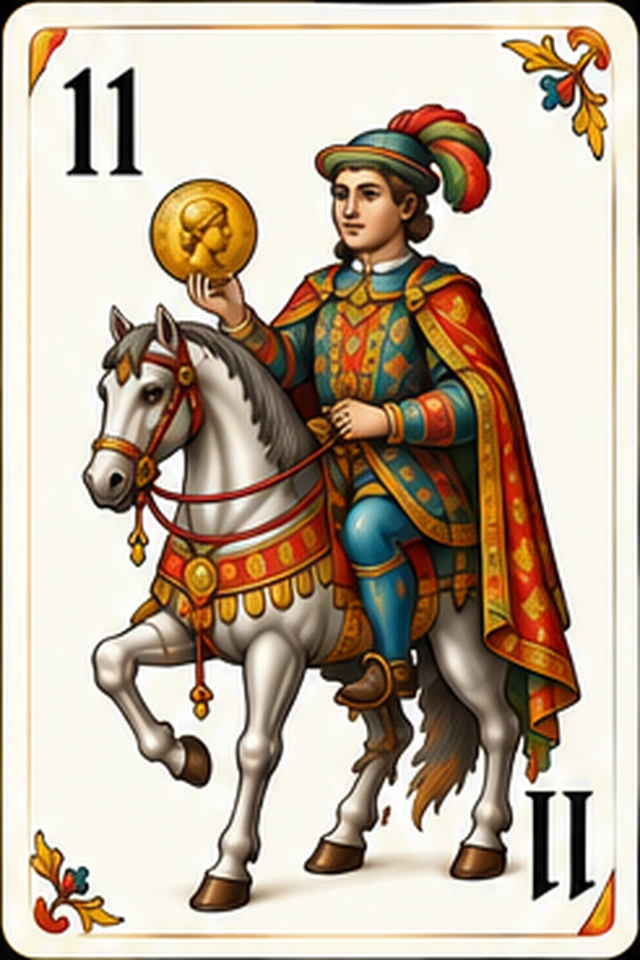
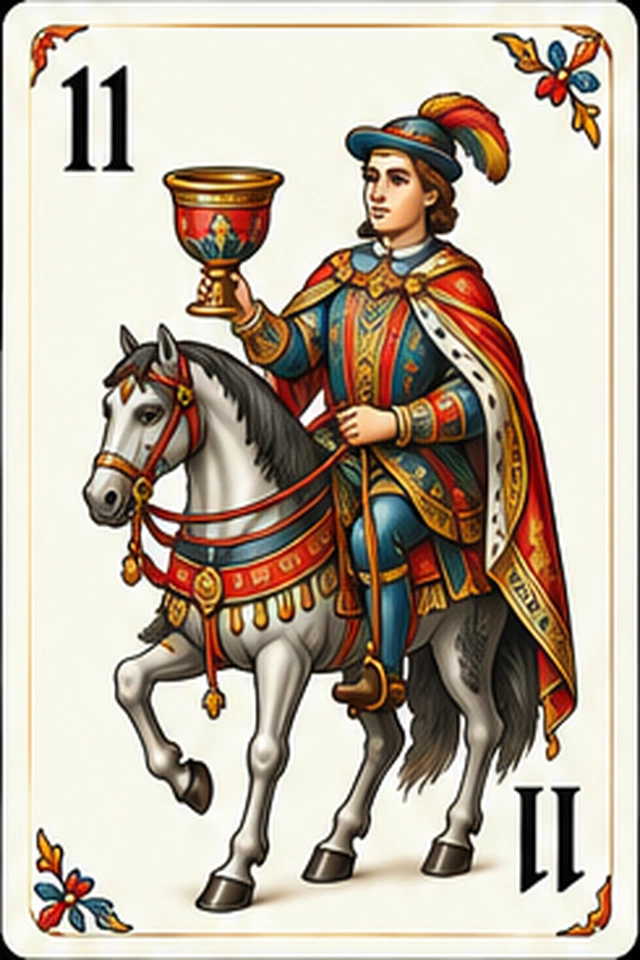
To “ir de mano” or “ser mano” (be the “hand”) is to be the player who goes first, whether receiving cards, speaking or leading a trick. The mano is usually seated to the dealer’s right and, in some games, has the advantage when breaking a tie.
How it is decided
With the Spanish deck, cards are dealt and played in a counter-clockwise direction, so the "mano" is the player seated to the right of the dealer. In each new round, the deal passes to the next person, and the "mano" role rotates accordingly.
In Mus, it is pure gold
In Mus (a popular Spanish bluffing game), being "mano" is vital: if two players have a tie in a round, the one closest to the "mano" wins. This is why a 31 held by the "mano" is worth more than the same 31 held by the "postre" (the last player). If you are interested, we have a complete guide to Mus.
In trick-taking games
In Tute, Brisca, or Guiñote, the "mano" leads the first trick. After that, whoever wins the trick leads the next one. Leading first has its downside: you reveal your card before anyone else.
Common expressions
This is where phrases like "ganar por la mano" (to beat someone to the punch) or "ser el mano" (being the one in charge) in a discussion come from.
Frequently asked questions
Who is the 'postre'?
In Mus, the 'postre' [dessert] is the last player to speak, seated to the left of the 'mano', and is the person who deals the cards.