

Spanish history and leisure
Spain’s tahurerías: the gambling houses of old
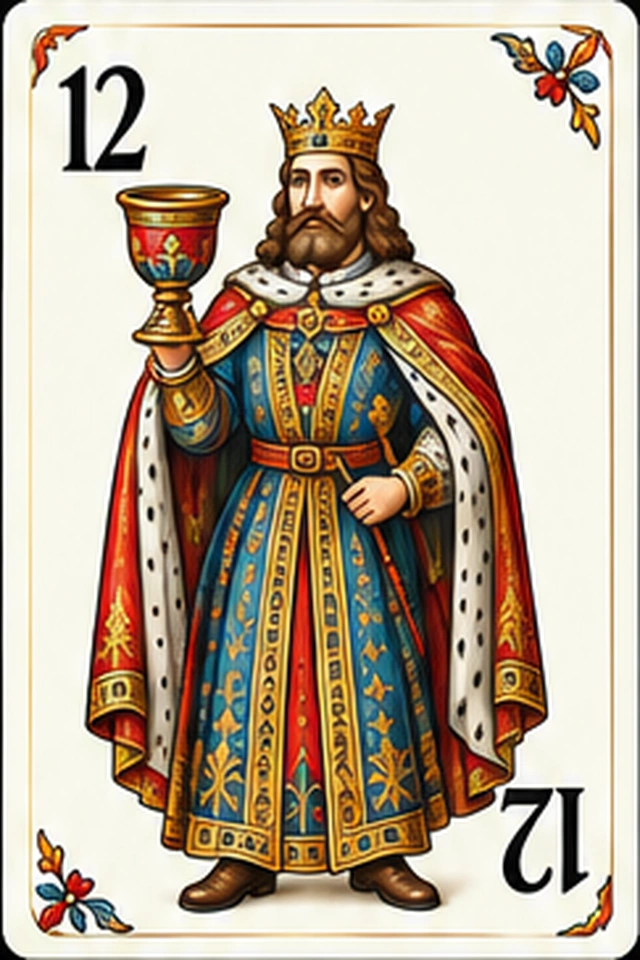
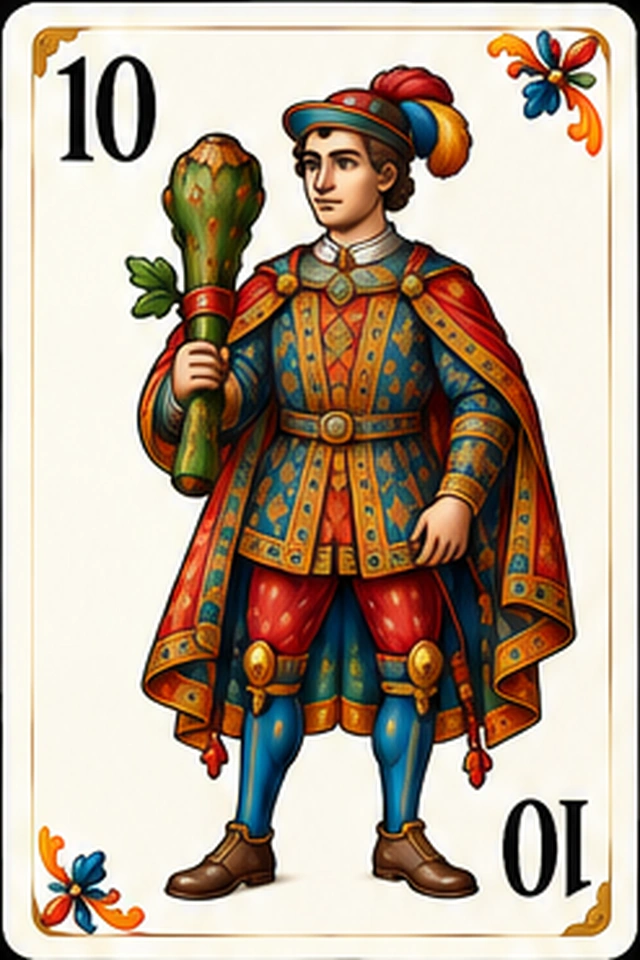
Tahurerías were gambling houses that, in medieval Castile, came to be regulated by the Crown, which collected fees from them. Although they were eventually banned, they continued operating in secret for centuries under other names, such as garitos.
Gambling with rules
In the Middle Ages, there were even written rules for tahurerías: which games could be played, at what times, and what punishments awaited anyone who cheated or blasphemed. At first, dice games predominated; playing cards came later. Take a look at the games of medieval Spain.
From legal to clandestine
Over time, the authorities began banning these houses because of the problems they caused. But people carried on gambling, now in gambling dens hidden in inns or private homes, run by a keeper known as a garitero.
A setting fit for a novel
Tahurerías and gambling dens inspired many pages of picaresque fiction, with their gamblers and their cheating tricks. A far cry from games in bars or village social clubs, where people played for the pleasure of playing.
Frequently asked questions
Were tahurerías legal?
During the Middle Ages, some tahurerías were authorised and regulated by the Crown; over time, many were banned.
What was a garitero?
The owner or keeper of a gambling house, known as a garito.