

Spanish history and leisure
Games in medieval Spain: ajedrez (chess), tablas (tables) and dados (dice)
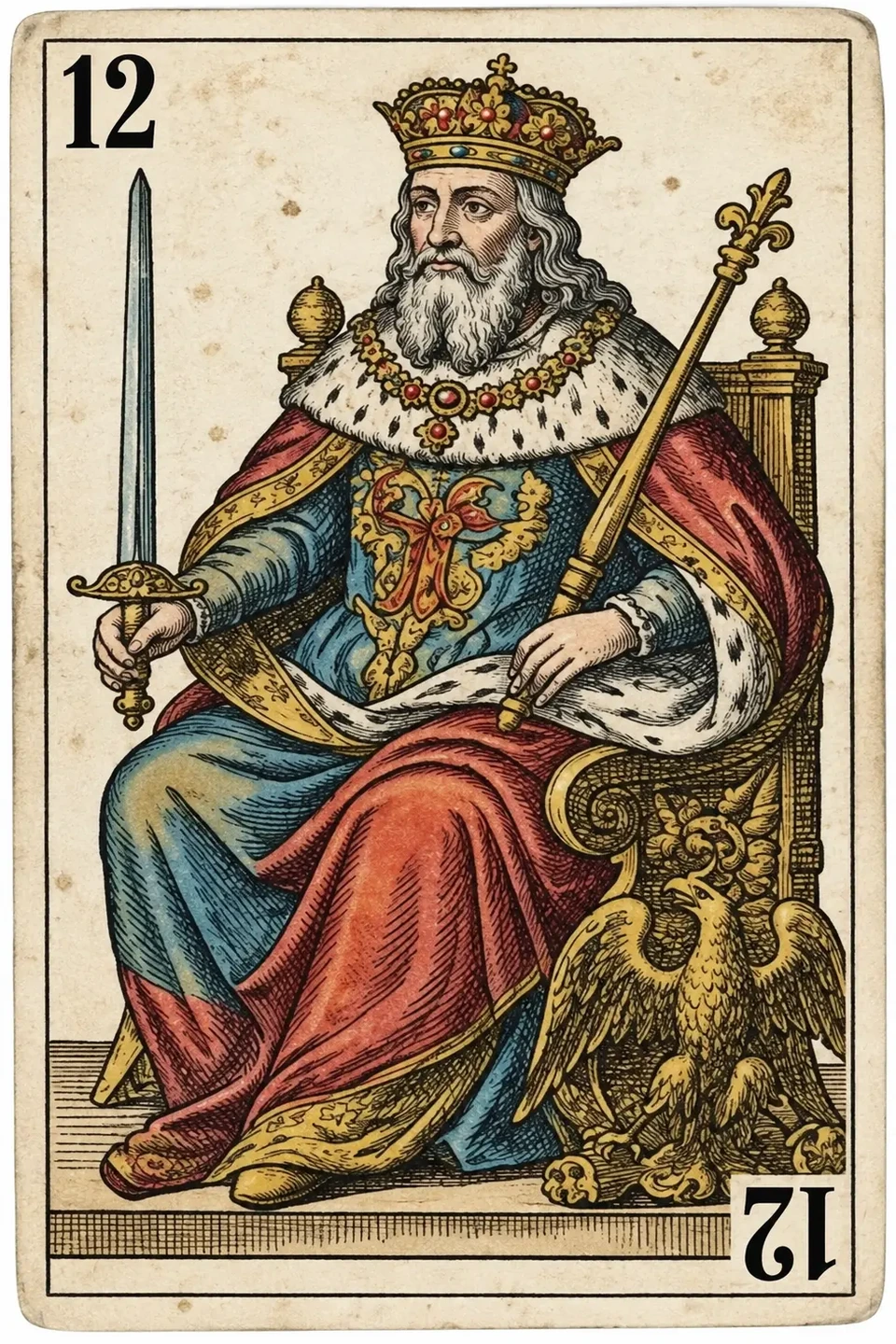
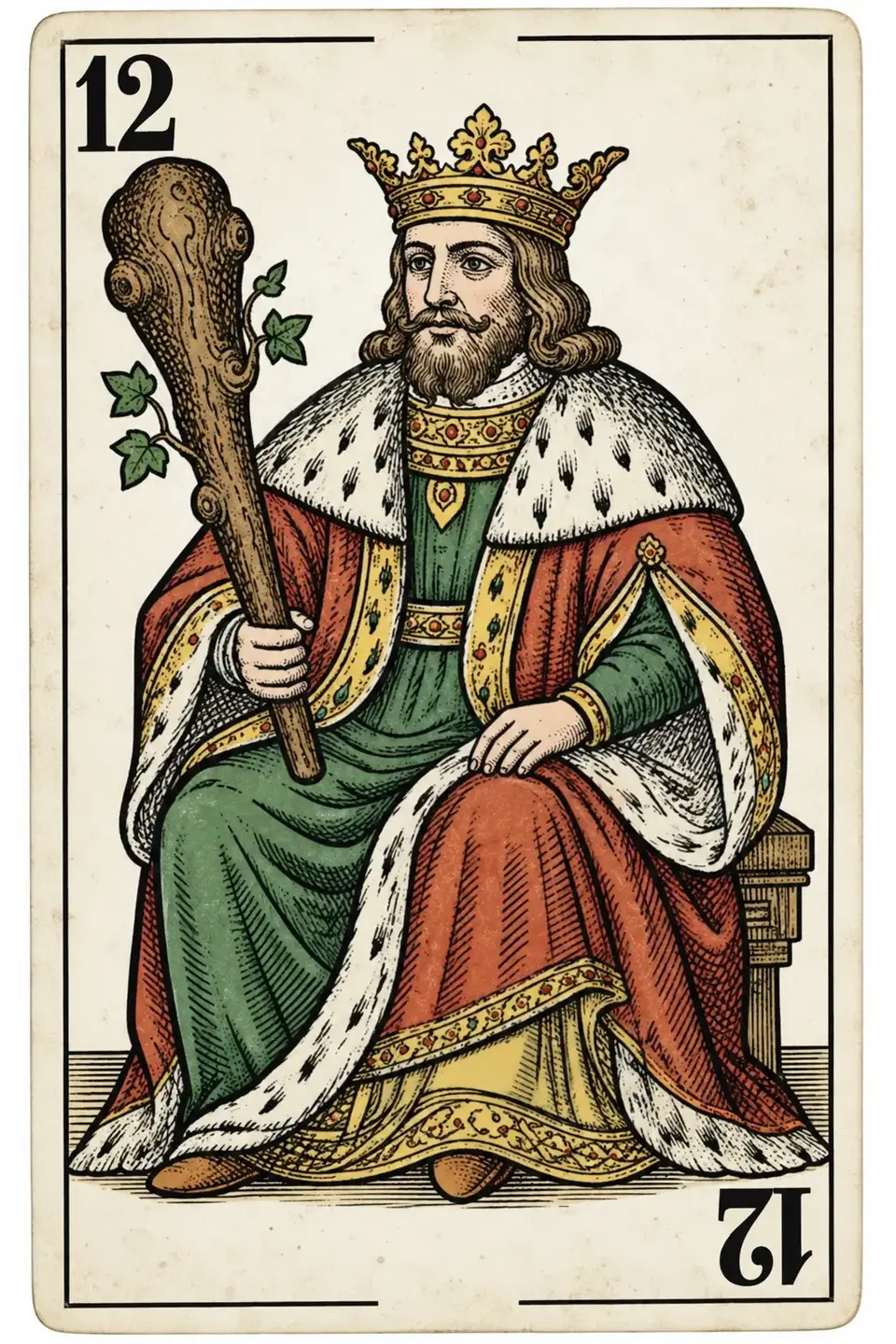
In medieval Spain, popular games included ajedrez (chess), tablas (tables) — predecessors of backgammon — dados (dice) and capture games such as alquerque (an early draughts game). Playing cards arrived later, in the 14th century. The main source for learning about these games is the Libro de los juegos (Book of Games), which Alfonso X commissioned in 1283.
A game-loving king’s book
Alfonso X the Wise commissioned a manuscript explaining and illustrating dozens of games: chess problems, variants of tables and dice games. Its miniatures show Christians, Muslims and Jews playing together, women and men, nobles and ordinary people. We explore it in our history of chess.
Chess and tables
Chess was a prestigious game, associated with strategy and the education of the nobility. Tables combined dice rolls with decision-making and were very popular. Alquerque, a precursor to damas (draughts), was widely played in al-Andalus.
Dice and gambling houses
Dice was the most widespread game and also the most closely monitored. Alfonso X even regulated the tafurerías, the gambling houses where people played, with rules on cheating, debts and blasphemy. If something needed regulating, it was clearly happening a lot.
The arrival of playing cards
Playing cards appear in Iberian documents in the late 14th century and soon rival dice. We tell that story in playing cards in the Middle Ages. This is where the story begins for the deck we use today to play Brisca (a card game) or Mus (a card game).
Frequently asked questions
What is the Libro de los juegos (Book of Games)?
A manuscript commissioned by Alfonso X in 1283 that describes chess, dice and tables, with numerous illustrations.
What were tafurerías?
Medieval gambling houses regulated by Alfonso X.