

Table games
History of Chess: From India to Alfonso X
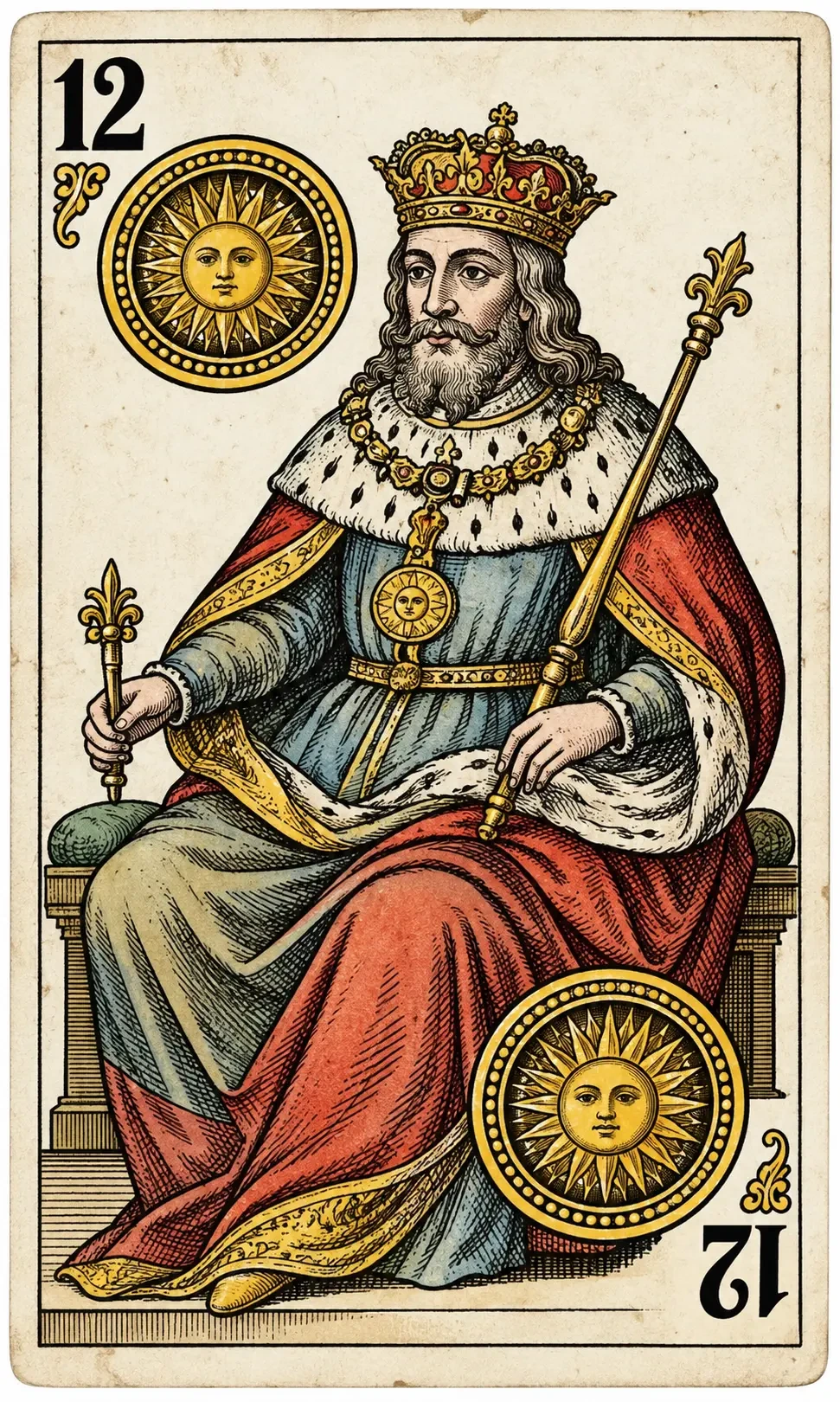
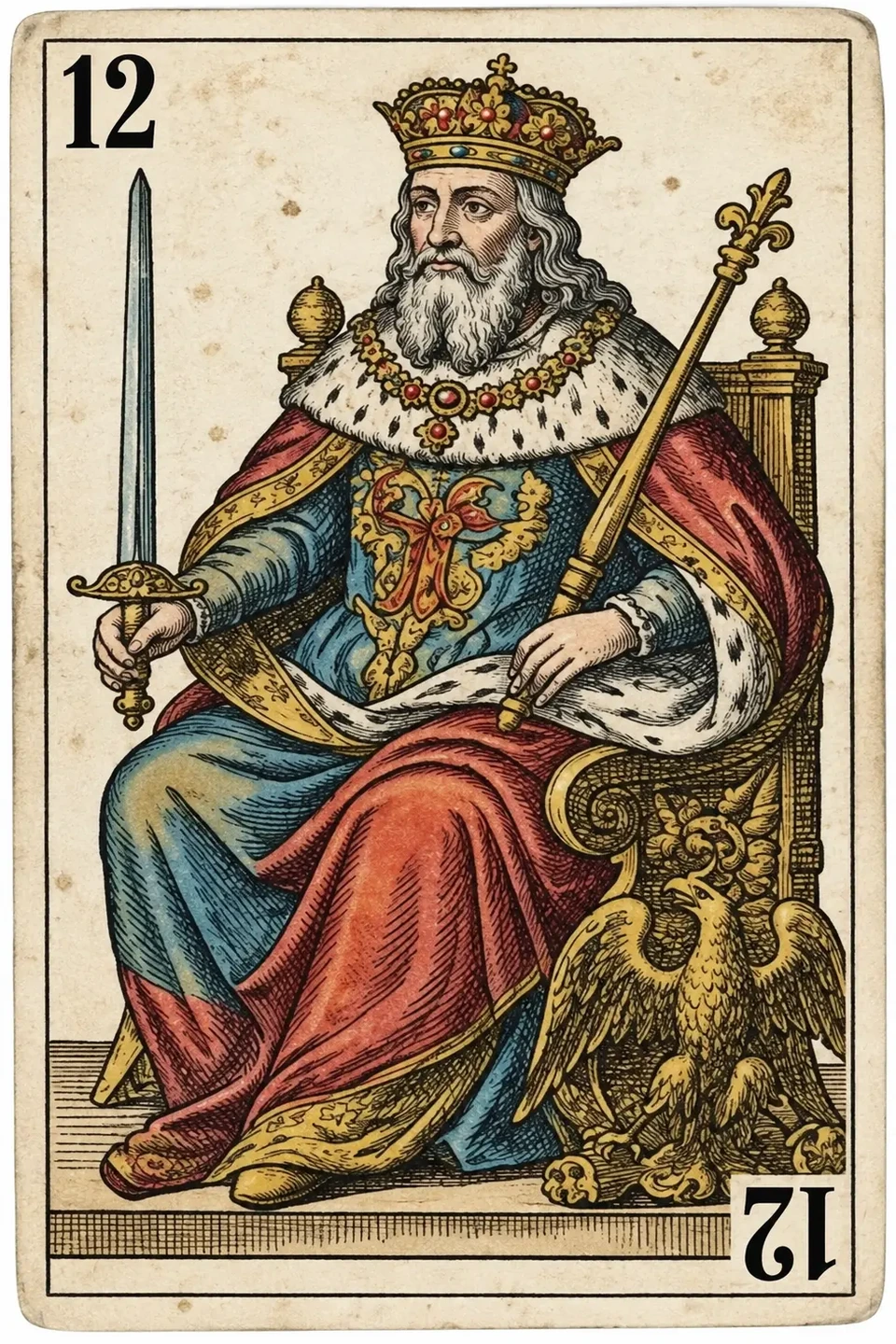
Chess developed from chaturanga, a 6th-century Indian game, and travelled through Persia and the Arab world before reaching the Iberian Peninsula around the 10th century. The modern Queen, the game's most powerful piece, originated in Spain at the end of the 15th century.
Chaturanga
The name means something like "four parts", referring to the divisions of the Indian army: infantry, cavalry, elephants, and chariots. This is where pawns, knights, bishops, and rooks come from.
Persia and the Arab world
The Persians called it shatranj, and the term "checkmate" comes from their vocabulary, specifically shah mat, meaning "the king is helpless". The Arabs spread it throughout their territory, including al-Andalus. The Spanish word for chess, "ajedrez", comes from the Arabic ash-shatranj.
Alfonso X and his Book of Games
In 1283, King Alfonso X "the Wise" commissioned the Libro de ajedrez, dados y tablas (Book of Chess, Dice and Boards), a manuscript full of illustrations preserved in El Escorial. It is a masterpiece for understanding how people enjoyed themselves in the Middle Ages.
The Queen, a Spanish invention
Until the late 15th century, the Queen was a weak piece. Around 1495, Valencian treatises began featuring the "dama" (Queen) with her current movements. The game became much faster, and modern chess was born there. Interestingly, the Spanish deck, by contrast, does not have a Queen (as it uses the Rey [King], Caballo [Knight/Horse], and Sota [Page/Jack] instead).
Sources
Frequently asked questions
Where did chess originate?
In India, around the 6th century, evolving from the game of chaturanga.
What does checkmate mean?
It comes from the Persian phrase 'shah mat', which is usually translated as 'the king is defenceless' or 'the king is dead'.