

Culture
Why does the Spanish deck have a Knight and not a Queen?
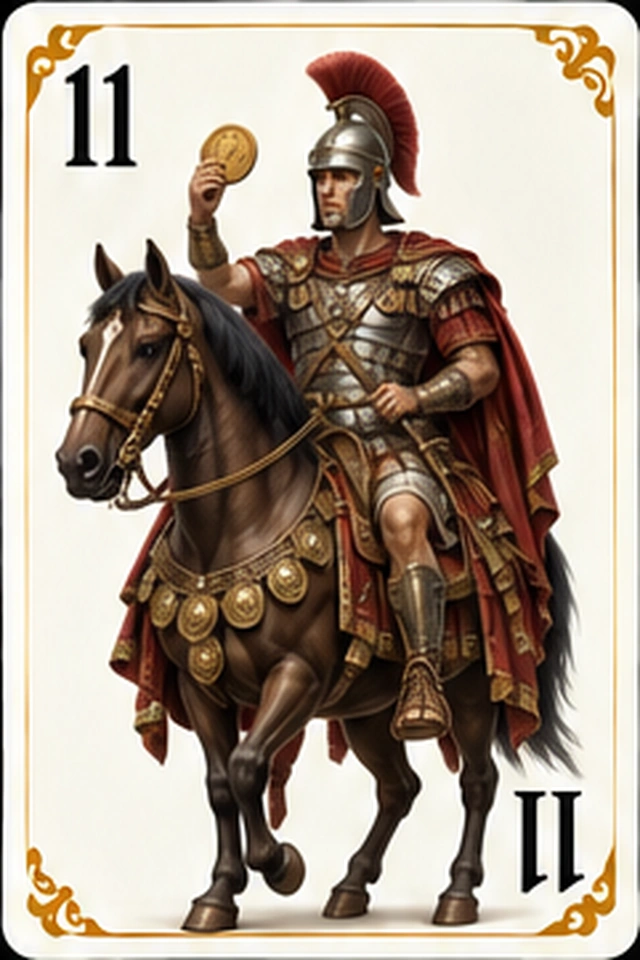
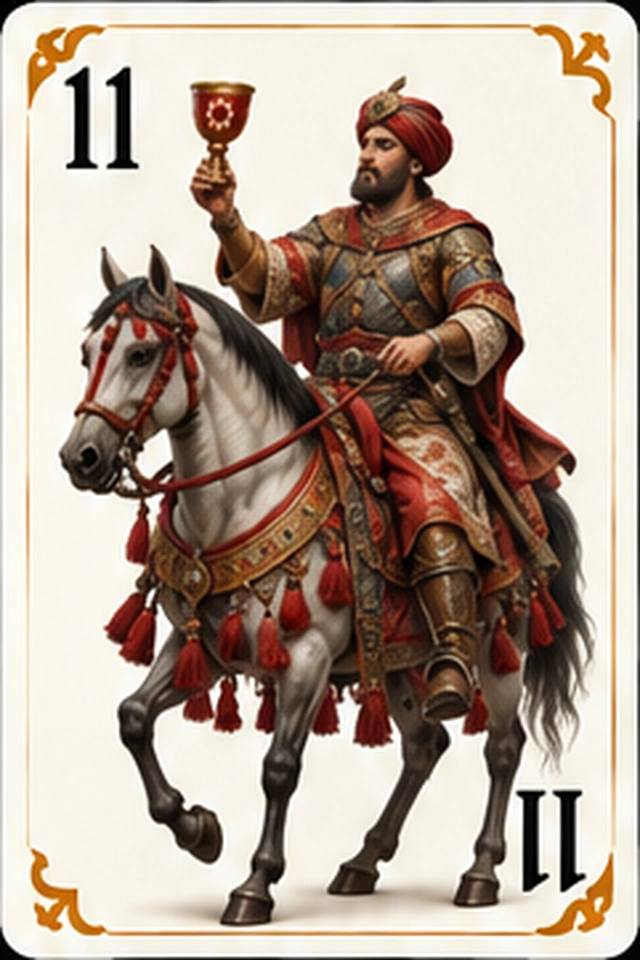
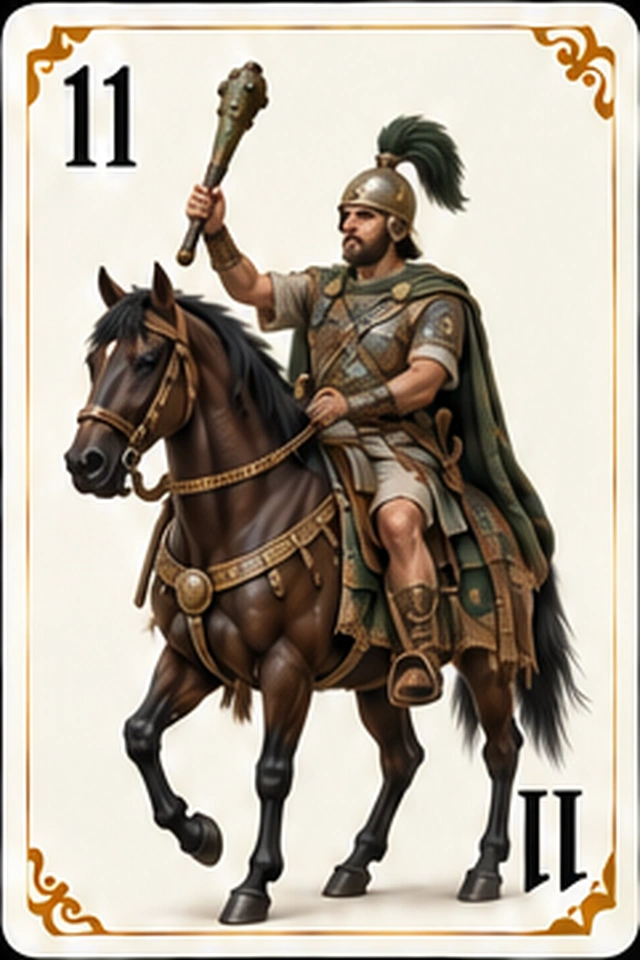
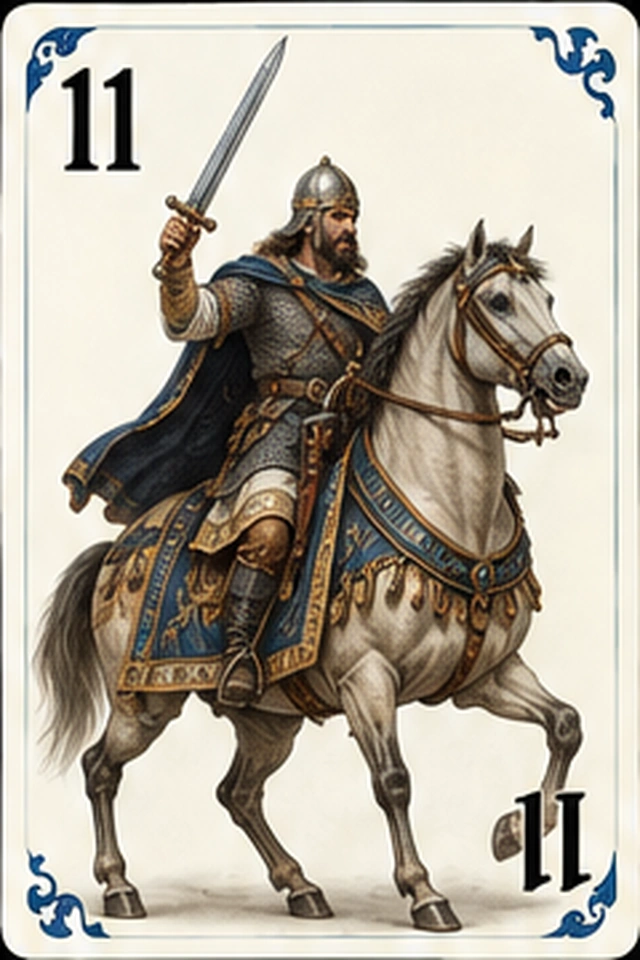
The Spanish deck has a caballo rather than a queen because it retains the traditional Latin-suited court cards: sota, caballo and rey. The caballo depicts a knight, an important figure in medieval society. Spain and Italy kept this older tradition, while France established a pattern featuring a queen.
While French cards have a sota, queen and rey, the Spanish deck uses a sota, caballo and rey. It is a familiar difference, though few people have stopped to think about it.
Sooner or later, the question arises: why does a mounted knight appear where other decks have a queen?
The answer has nothing to do with a modern decision or a uniquely Spanish quirk. It takes us back several centuries, to the origins of what are known as Latin-suited decks and a time when knights held a very special place in European society.
Did the Spanish deck invent the caballo court card?
A fairly widespread belief is that the caballo court card is an oddity created in Spain. In fact, the opposite is true.
The mounted knight already appeared in some of the earliest European decks. Indeed, the Spanish deck shares this feature with many Italian decks, which also retain an equivalent court card between the sota and the rey.
If we look at a Neapolitan, Sicilian or Bergamasque deck, we will see that the knight's presence is just as normal as it is in Spain. This is because both traditions belong to the same historical family: Latin-suited decks.
As we explain in How Playing Cards Traveled from the East to Spain, playing cards reached Europe via the Mediterranean and evolved differently in each region.
What are the three court cards in Latin-suited decks?
Traditional Latin-suited decks generally have three court cards in each suit, arranged in a hierarchy:
- The sota.
- The caballo.
- The rey.
The sota represents a servant, attendant or person of lower rank.
The caballo represents a knight: a warrior belonging to the lesser nobility or the military class.
The rey holds the highest position in the hierarchy.
From a medieval perspective, the sequence made perfect sense: servant, knight and king.
It was a visual representation that anyone at the time could easily understand.
And where was the queen?
Interestingly, the absence of a queen was not unusual in early European decks.
For centuries, many different patterns coexisted. Some decks had exclusively male court cards, while others included female figures or added extra court cards.
There was no international standard.
Each region adapted its cards to its own artistic and cultural traditions.
The queen eventually became established chiefly in the French family of decks, which would go on to become the most widespread in the world.
Why did France replace the caballo with the queen?
French decks began simplifying many elements of earlier patterns.
As well as replacing the Latin suits with hearts, diamonds, clubs and spades, they changed the court cards.
The French structure eventually settled on:
- sota (Jack or Valet).
- Queen (Queen or Dame).
- rey (King or Roi).
The queen's presence allowed the full royal family to be represented more directly and provided a clearly identifiable female figure within the deck.
Over time, this pattern spread across much of Europe and later the Americas.
Spain and Italy, however, retained the older tradition.
How does the caballo reflect medieval society?
To understand why the knight was so important, we need to recall the historical context in which the first European decks emerged.
During the Middle Ages, knights were much more than simply mounted soldiers.
They represented a social ideal associated with honor, warfare, service to the king and nobility.
They were a constant presence in medieval imagery, appearing in manuscripts, coats of arms, frescoes, epic tales and public ceremonies.
It is hardly surprising that they also came to occupy a prominent place in playing cards.
Why did the caballo survive in Spain?
As other countries modified their decks, Spain retained much of the structure inherited from Latin-suited patterns.
The same happened with the suits of oros (coins), copas (cups), espadas (swords) and bastos (clubs), which survived while other places adopted different symbols.
That continuity allowed the caballo to remain part of the Spanish deck to this day.
In fact, for many Spanish players, the presence of a queen would seem just as strange as seeing a caballo in a poker deck.
Is the caballo an important card in games?
Although it stands out visually, the caballo is not usually the most powerful card.
Its value depends on the rules of each game.
In games such as Brisca or Tute, for example, it usually scores fewer points than the rey and considerably fewer than the ace or the three.
Nevertheless, it remains one of the most recognizable court cards in the entire Spanish deck and features in well-known everyday expressions.
The most famous is probably “sota, caballo y rey”, a phrase that eventually made its way from the card table into everyday language.
What story does this small difference tell?
The presence of the caballo instead of the queen may seem like a minor detail, but it is actually a window onto several centuries of history.
It reminds us that the Spanish deck is not an adaptation of the French one, but the heir to a distinct tradition shared with other Latin-suited decks.
Whenever a caballo of oros, copas, espadas or bastos appears, we are seeing something that has survived political, technological and cultural changes for hundreds of years.
And perhaps that is why it remains so distinctive: few cards preserve a piece of the Middle Ages as visibly as the caballo in the Spanish deck.