

Culture
What does "Sota, Caballo y Rey" mean? Origin and meaning of the expression
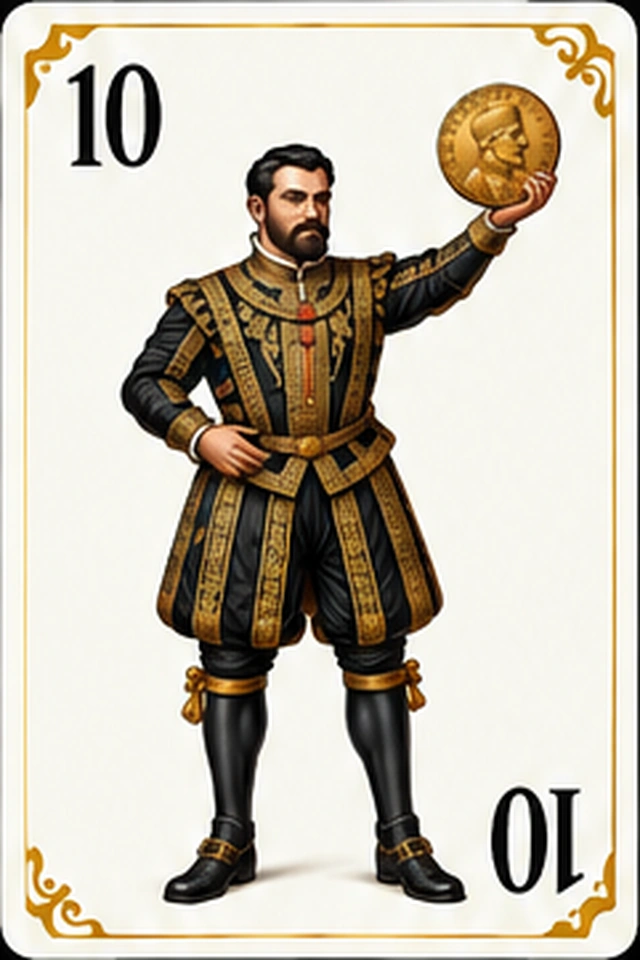
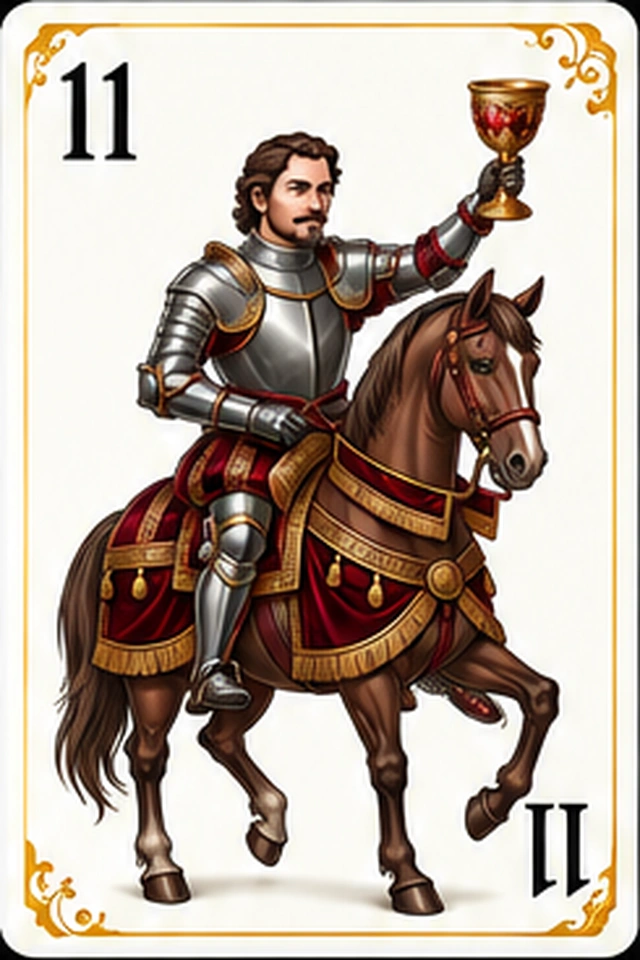
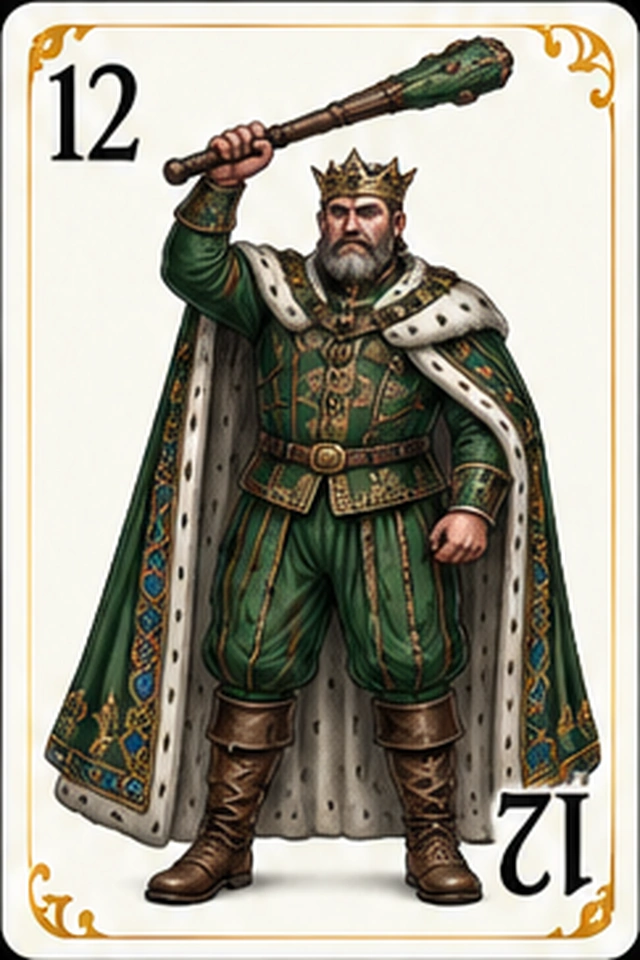
“Sota, caballo y rey” describes something predictable or repetitive, where the same things happen in the same order. It comes from the Spanish deck’s three face cards, ranked from sota to caballo to rey, and has passed into everyday language as a way of saying there are no surprises.
“Sota, caballo y rey” is used to describe something predictable, repetitive or that always follows the same pattern. If someone says that a film, a meeting or even an election campaign is “sota, caballo y rey”, they mean there are no surprises: everything happens exactly as expected.
Most people know the expression, but not everyone knows that it originated quite literally in the Spanish deck. For centuries, these three face cards have been among the most recognisable cards in the deck, and they eventually made their way from card games into everyday language.
What does the expression mean today?
Today, saying that something is “sota, caballo y rey” means that it always happens the same way.
It can be used neutrally or critically. For example:
- “Every summer is sota, caballo y rey: the beach, the beach bar and back home.”
- “The series is still sota, caballo y rey; it doesn't dare change anything.”
- “The meeting was sota, caballo y rey: the same old topics.”
The common thread is a lack of variation. The outcome seems clear before things even begin.
Where does the expression come from?
Its origins lie in the three face cards of the Spanish deck: the sota, the caballo and the rey.
For centuries, the vast majority of Spaniards learned to play with decks containing these three face cards in each suit. They were easy to recognise and appeared constantly in popular games such as Tute, Brisca, Guiñote and Mus.
The sota-caballo-rey sequence also had something very easy to remember: it represented an ascending hierarchy. First came the lowest-ranking figure, then the mounted knight and finally the rey.
Over time, the expression began to be used outside card games to describe any situation in which the same elements always appeared in the same order.
Who are the sota, the caballo and the rey?
The traditional Spanish deck has three face cards in each suit.
- The sota, the lowest-ranking face card.
- The caballo, depicted as a rider on horseback.
- The rey, the highest-ranking figure in terms of imagery.
These three cards appear in all four suits: oros (coins), copas (cups), espadas (swords) and bastos (clubs). In total, a Spanish deck contains twelve face cards.
If you are interested in the meaning of each suit, you can also read What do the suits of the Spanish deck mean?.
Are the sota, the caballo and the rey the strongest cards?
Not necessarily.
This is one of the most striking quirks of the Spanish deck. Although the face cards look important, many traditional games give other cards a higher value.
In Brisca, for example, the ace and the three are usually worth more than the rey, the caballo or the sota. In other games, their importance varies according to the rules.
So the expression survived for cultural and visual reasons rather than because of the cards' actual strength in play.
Why did it become so popular?
For centuries, the Spanish deck was a familiar sight in taverns, homes, casinos, cafés and family gatherings. At certain times in history, few people could read, but practically anyone could recognise a sota, a caballo and a rey.
This made playing cards a constant source of popular expressions. The same happened with phrases such as “cantar las cuarenta” (give someone a telling-off), “have an ace up your sleeve” and “put your cards on the table”.
In fact, you can read the full story of another well-known expression in Cantar las cuarenta: where the expression comes from.
Is there anything similar in other countries?
Expressions born from card games exist in many languages, but “sota, caballo y rey” is distinctly Spanish because it depends on a unique feature of the Spanish deck.
The French deck uses a sota, a queen and a rey, while the Spanish deck retains the caballo. That detail makes the sequence instantly recognisable to any player familiar with Spanish playing cards.
Italian decks, which share their origins with the Spanish deck, also retain a very similar structure. You can learn more about that connection in The Italian cousins of Tute, Brisca and Escoba.
Why does this expression born around a card table live on?
The strength of “sota, caballo y rey” lies in its simplicity. Three face cards that any player instantly recognises ended up becoming a quick way to describe routine, predictability and a lack of change.
More than a century after it became popular, the expression lives on even among people who have never played a game of cards. It is a good example of just how deeply the Spanish deck is woven into popular culture and everyday language.