

Spanish deck
How the Spanish Deck Evolved Over the Centuries
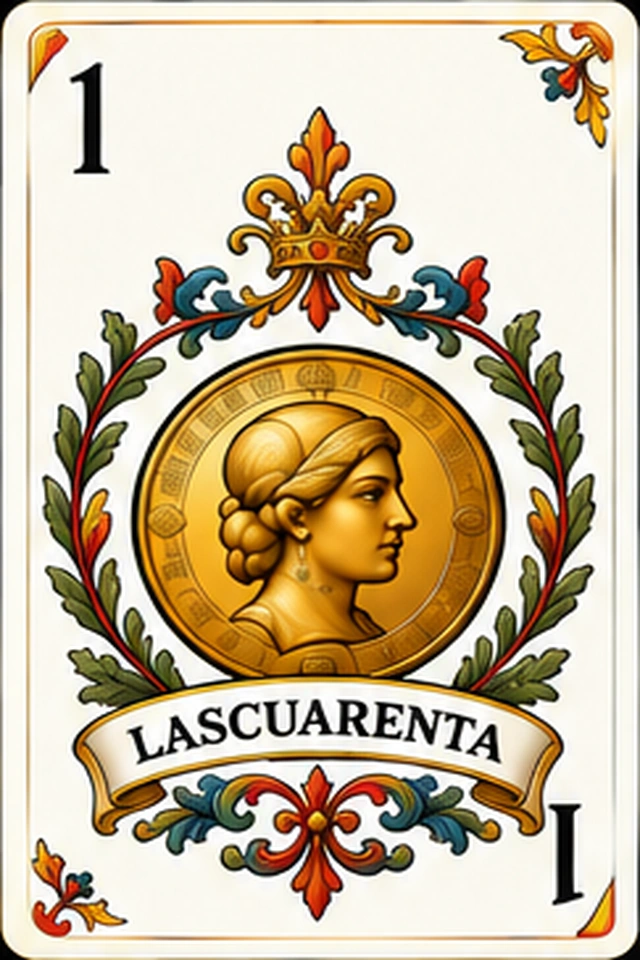
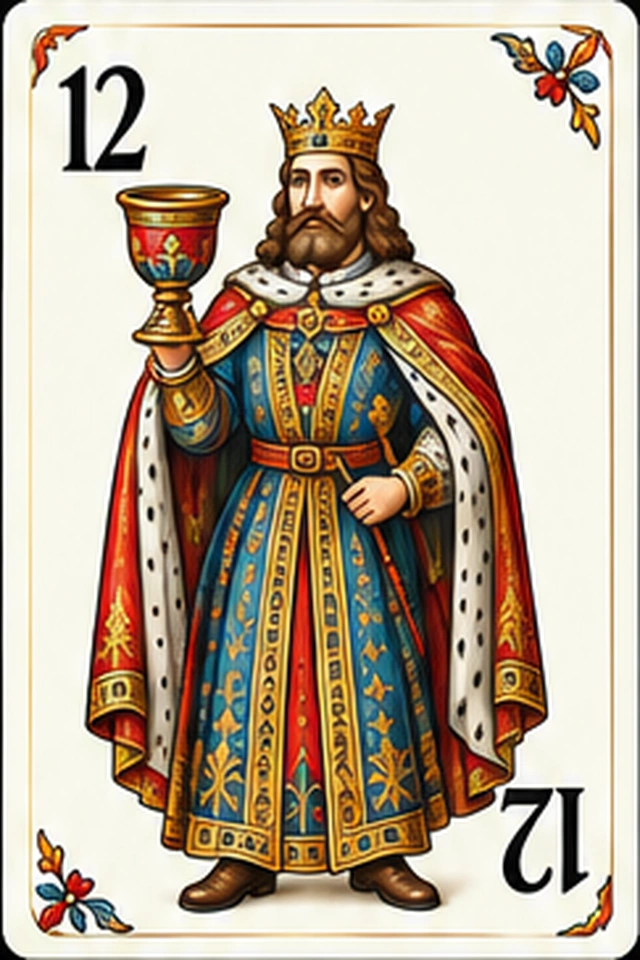
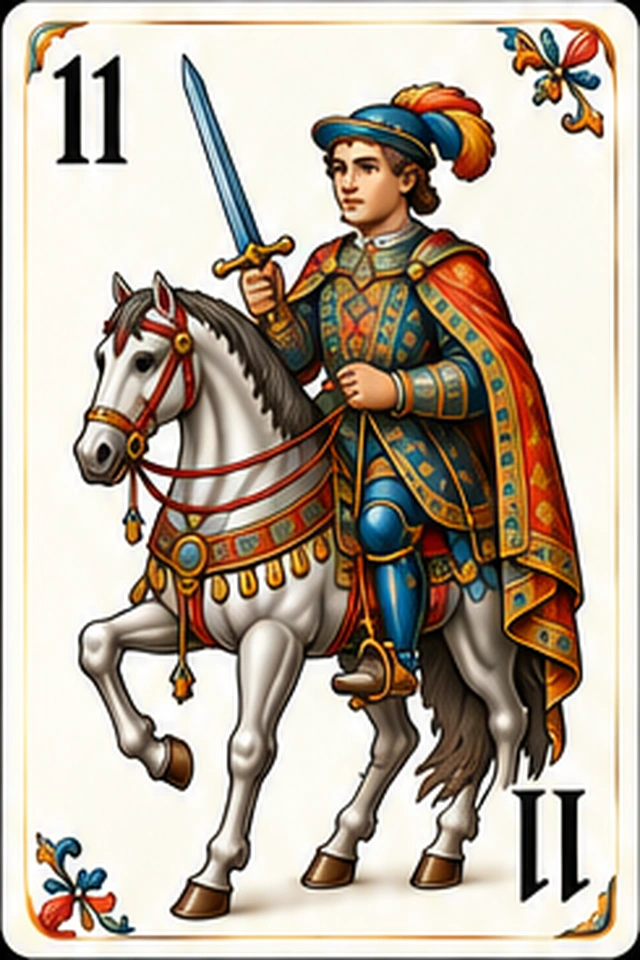
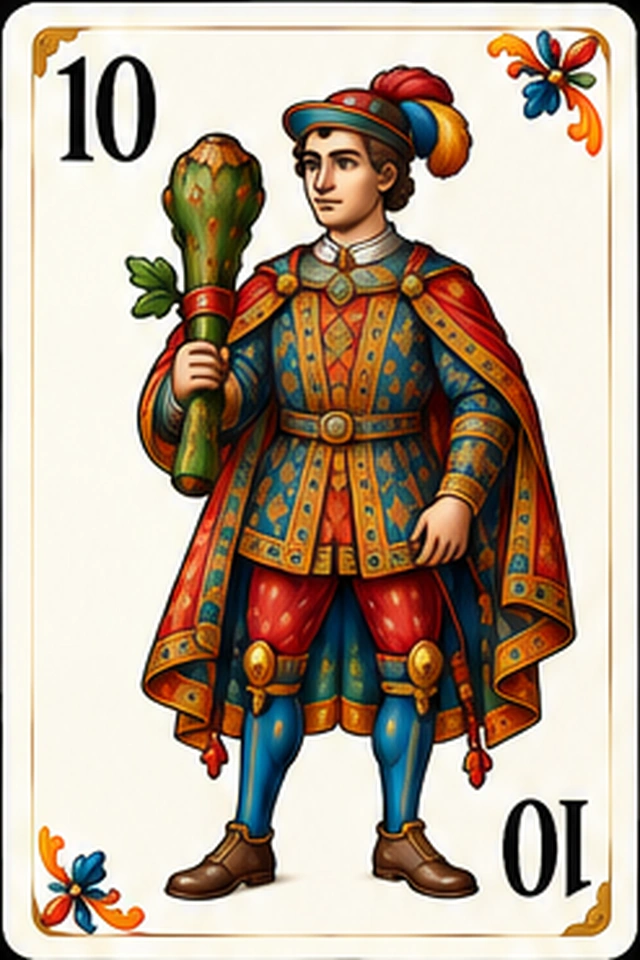
The Spanish deck arrived on the Iberian Peninsula in the late 14th century, with woodblock printing following from the 15th century onwards. Over time, many games dropped the 8s and 9s, and the court cards settled into the familiar sota, caballo and rey. In the 19th century, printers such as Heraclio Fournier helped establish the design most of us recognise today.
14th century: were cards for both luxury and tavern life?
The earliest records of playing cards in the Spanish kingdoms date from the late 14th century. These cards were hand-painted or printed using very basic methods, and they already had the four suits we still use: oros (coins), copas (cups), espadas (swords) and bastos (clubs). If you are curious about their arrival, we tell the story in how playing cards made their way to Spain.
15th and 16th centuries: how did printing change the rules?
Woodblock printing made decks much cheaper. They went from being a luxury to something anyone could have at home, which also prompted the first bans. Much of what we cover in how the earliest cards were made dates from this period.
17th and 18th centuries: why were there fewer cards and more games?
The most popular games dropped the 8s and 9s, establishing the 40-card deck. The 48-card version remained, but was reserved for specific games. We explain this in why the deck has no 8s or 9s.
19th century: when did the design we know today emerge?
Lithography made crisp colors and identical illustrations across all copies possible. In Vitoria, Heraclio Fournier popularized a design that would become almost the official standard. Rounded corners and numbers in the corners also date from this modern era.
20th and 21st centuries: how did plastic, jokers and screens arrive?
Plastic-coated cards arrived, followed by jokers for Chinchón and, finally, digital decks. Today, the same familiar deck is used at the bar, at home and in online games.
If you are more interested in the artwork than the history, do not miss the artistic evolution of Spanish playing cards.
Frequently asked questions
How long has the Spanish deck existed?
There are records of playing cards in the Spanish kingdoms dating back to the late 14th century.
Who designed the modern Spanish deck?
The most widespread design was popularized in the 19th century by Heraclio Fournier in Vitoria.