

Spanish deck
What are the "pintas" on a Spanish deck of cards?
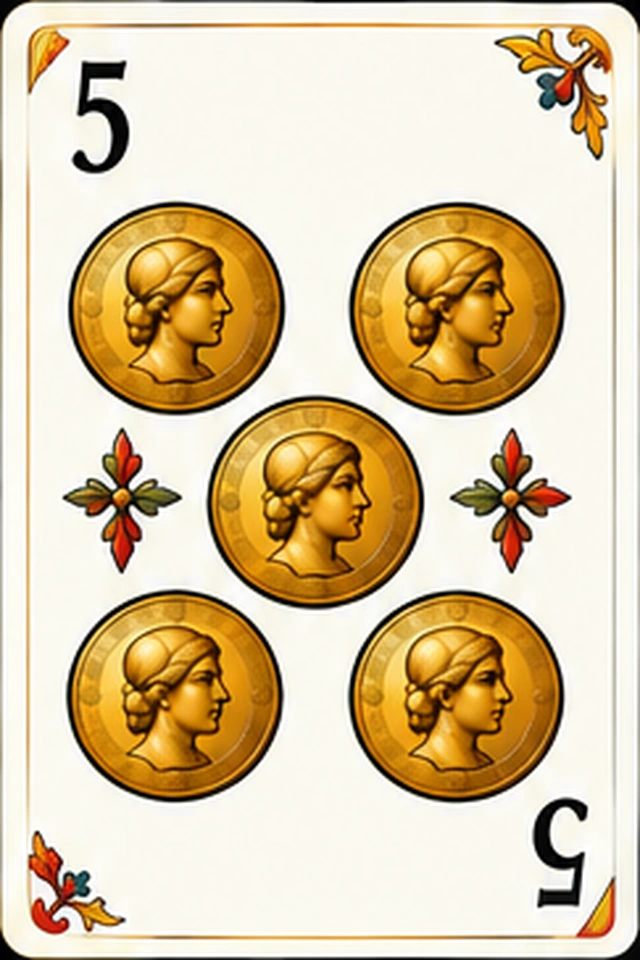
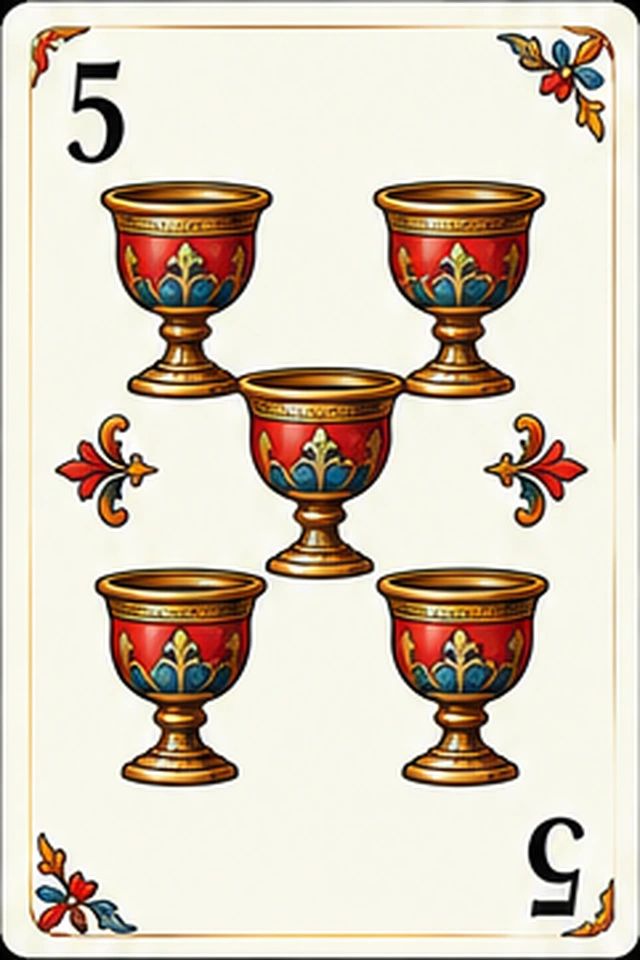
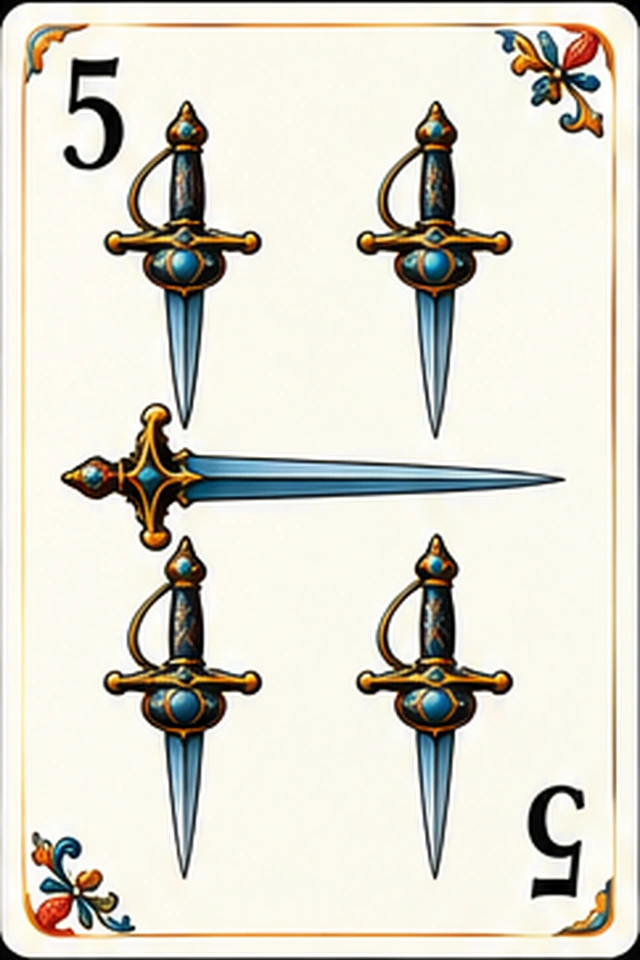
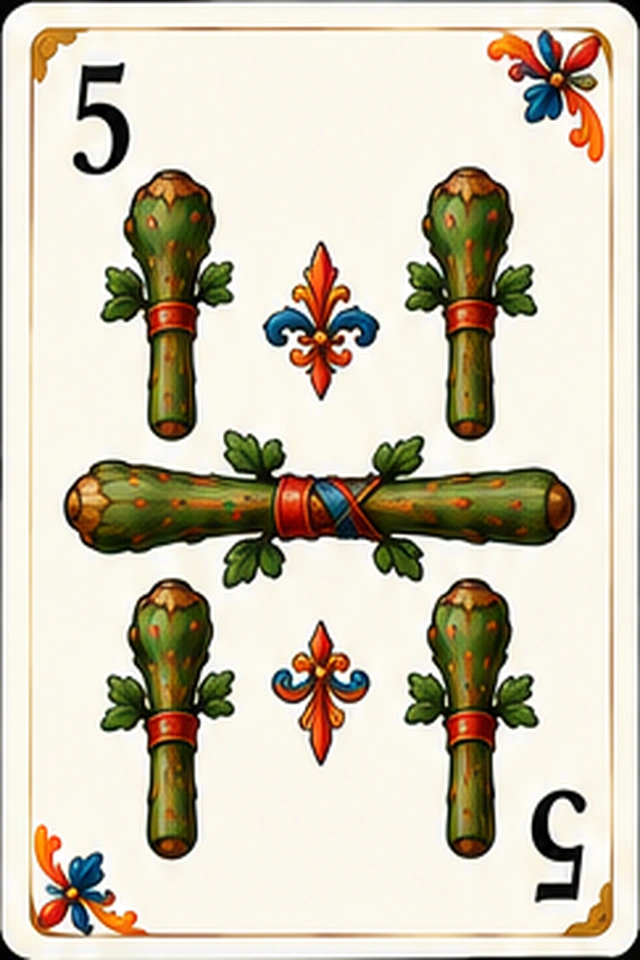
The pintas are small gaps or notches in the border of cards in the baraja española (Spanish deck), letting you recognise a suit from just a corner. Oros (gold coins) have no gaps, Copas (cups) have one, Espadas (swords) have two and Bastos (clubs) have three.
How to read them
- Oros (coins): Continuous line, no gaps.
- Copas (cups): One gap.
- Espadas (swords): Two gaps.
- Bastos (clubs): Three gaps.
To remember them, think of the order in which the suits are usually named: Oros, Copas, Espadas, Bastos. Zero, one, two, three.
What are they for?
They allow you to play with your hand almost closed. When you fan your cards out, you only see the corners; thanks to the pintas and the number, you know what you have without showing anything to the players next to you. It is a practical invention that the French deck, for example, does not have. You can find tricks to read them quickly in how to know the suit of a card without seeing it all.
A hallmark of identity
Neither the Italian nor the Portuguese decks use this system, so the pintas are one of the most recognisable features of ours. We compare them in Spanish, Italian and Portuguese decks. And if you are curious, we also explain why the numbers are in the corners.
Frequently asked questions
Which suit has no breaks in the border?
Oros (Gold coins): its border is a continuous, solid line.
Do all Spanish decks have pintas?
Most modern decks do, although some collector or designer decks may omit them.