

Spanish deck
How to tell a card's suit without seeing it fully
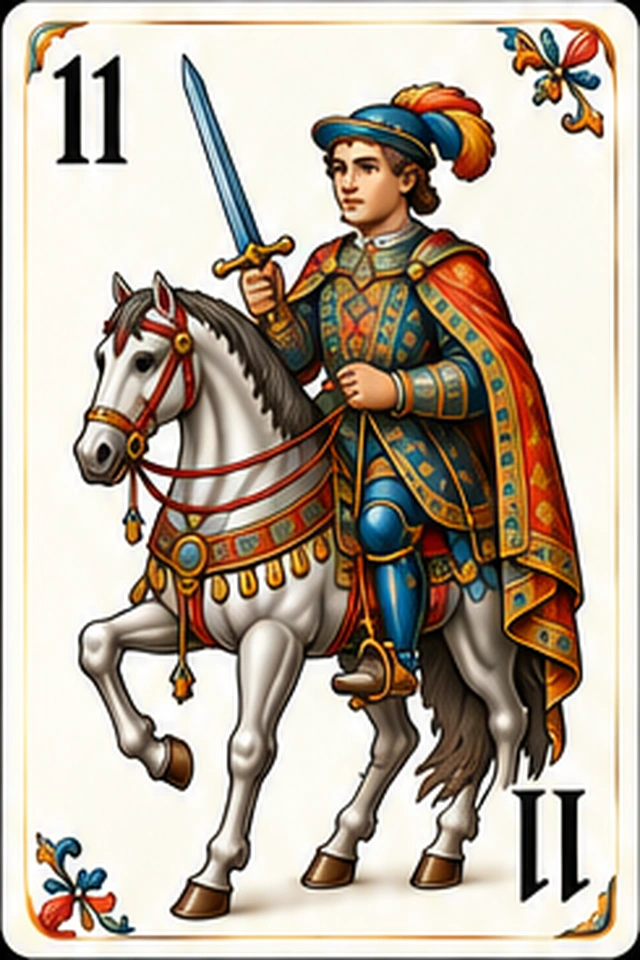
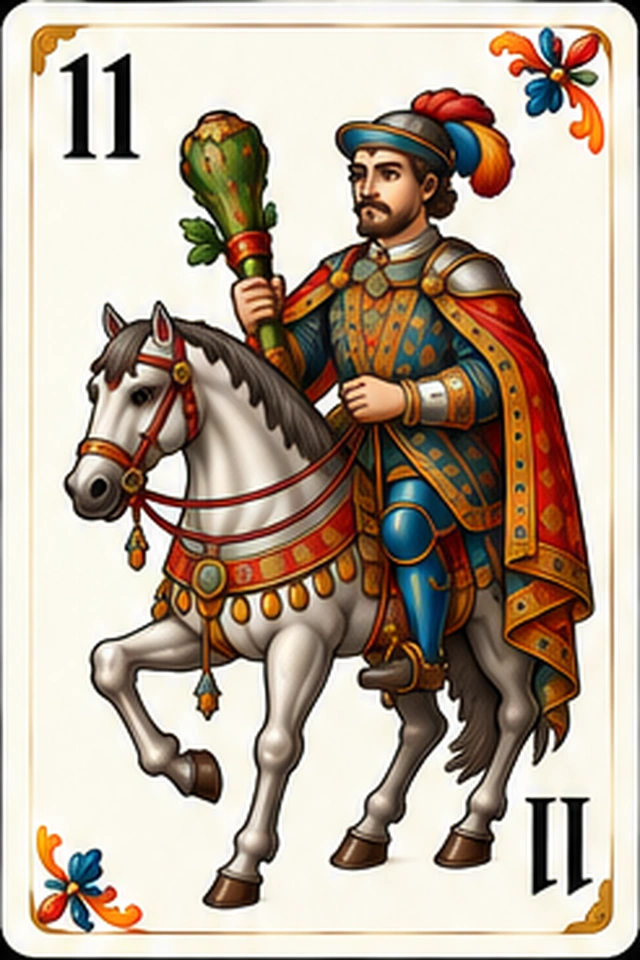
You can tell a card’s suit from its border: a continuous line means Oros (Gold coins), one break means Copas (Cups), two mean Espadas (Swords) and three mean Bastos (Clubs). Combine that with the number in the corner to identify the card without fully fanning out your hand.
Trick 1: las pintas
This is the classic system of the Spanish deck. We explain it in detail in what are las pintas. At first, it is difficult to count the breaks, but in a couple of games you will do it without thinking.
Trick 2: the colour
In many decks, each suit has a tone that is noticeable even on the edge: the yellow of the Oros (coins), the red of the Copas (cups), the blue of the Espadas (swords) and the green or brown of the Bastos (clubs). It almost never fails.
Trick 3: organise your hand well
Group the cards by suit and, within each suit, from highest to lowest. This way, even if you only see one corner, you will know by heart what lies behind. Guiñote (a popular trick-taking game) players always do this.
Trick 4: fan to the left
Most decks have the number in the top-left corner. If you open the cards from left to right, all the corners remain visible. This is the reason the numbers are in the corners.
Frequently asked questions
What is the fastest way to identify the suit?
Count the breaks in the border (known as 'pintas'): none for Oros (gold coins), one for Copas (cups), two for Espadas (swords), and three for Bastos (clubs).
What if the deck doesn't have borders?
Look at the small suit icon that many decks include next to the number in the corner.