

Spanish deck
How many types of Spanish decks exist?
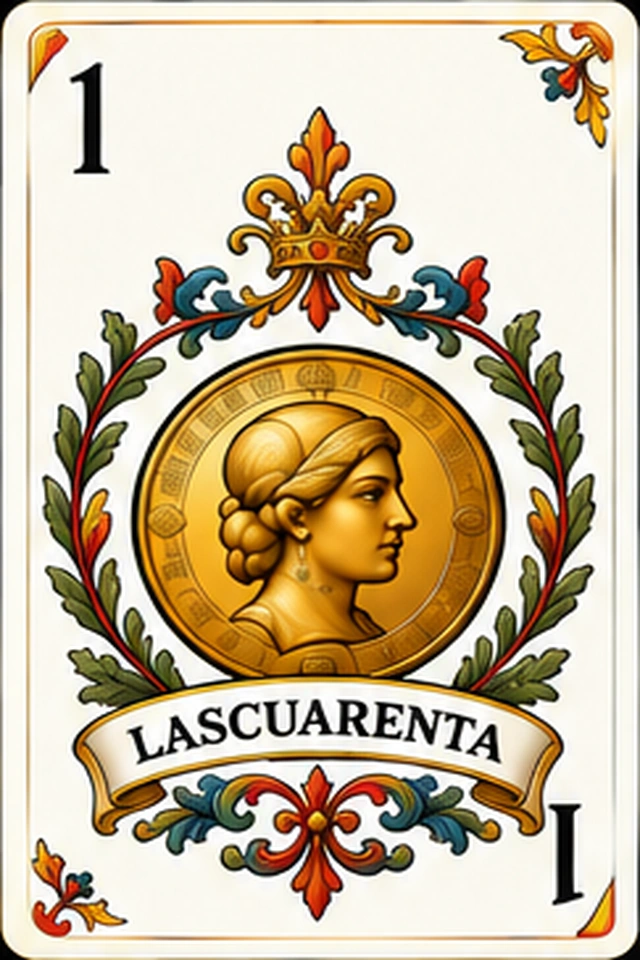
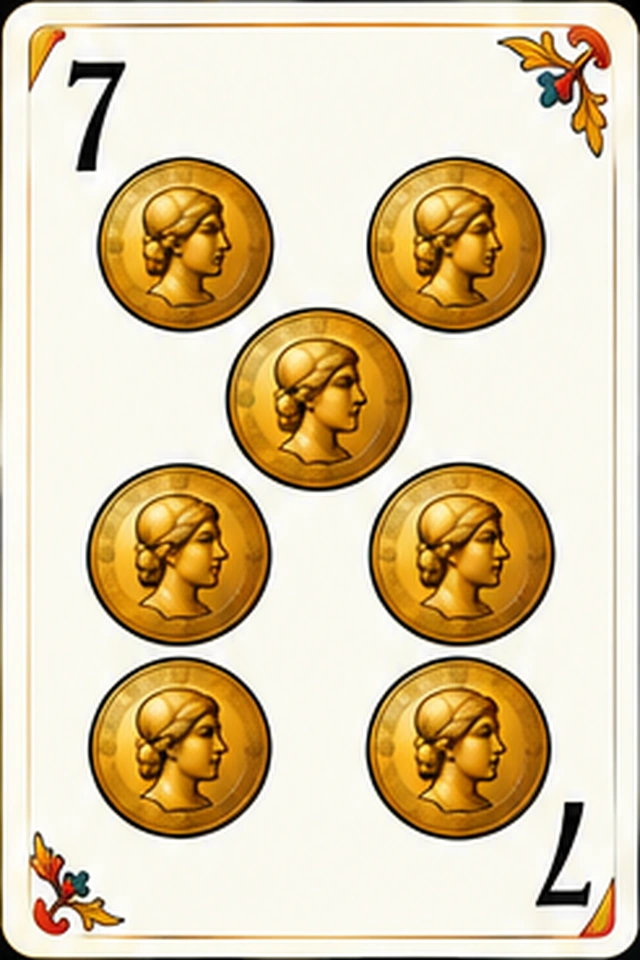
Spanish decks come in four main formats: the widely used 40-card deck, without eights or nines; the 48-card deck, which includes them; the 52-card deck, which adds a numerical ten to each suit; and reduced decks, such as the 36-card version, for regional games. Many decks also include one or two jokers.
The 40-card deck
This is the traditional choice for Mus, Tute, Guiñote, Brisca, or Escoba (a popular trick-taking and capture game). It has ten cards per suit: from 1 to 7, Sota [Jack], Caballo [Knight], and Rey [King].
The 48-card deck
This is the full deck. It is used in Butifarra, some versions of Chinchón, and various solitaire games. We explain the differences in 40 and 48-card decks.
The 52-card deck
Uncommon, but it exists. It adds a numbered ten before the Sota and is used for specific niche games.
Reduced decks
Some regional games remove cards to create shorter decks, as is often the case in matches of Truc.
And furthermore, the designs
The number of cards is one thing, but the artwork is another: there are historical patterns, such as the Castilian or Catalan styles, and thousands of editions. At Lascuarenta, we have several decks to choose from. We review the full details in how many cards are in a Spanish deck.
Frequently asked questions
Which is the most common Spanish deck?
The 40-card deck, which excludes the eights and nines.
What is the 48-card deck used for?
For games such as Butifarra, Chinchón [a matching game similar to Rummy] in some households, or certain types of solitaire.