

Rules and concepts
How to play Truc valenciano (Valencian Truc): rules, cards and scoring
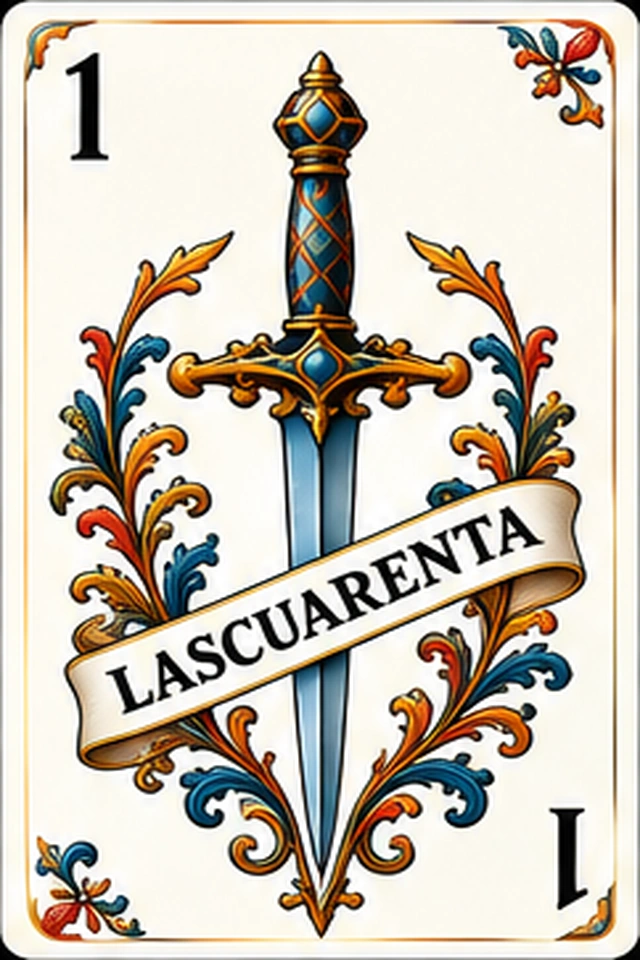
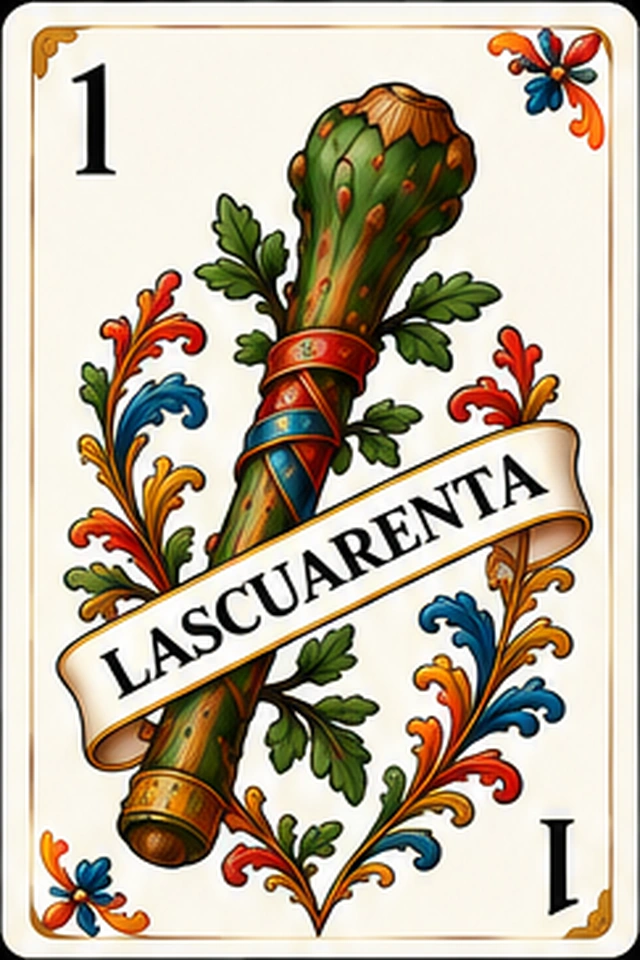
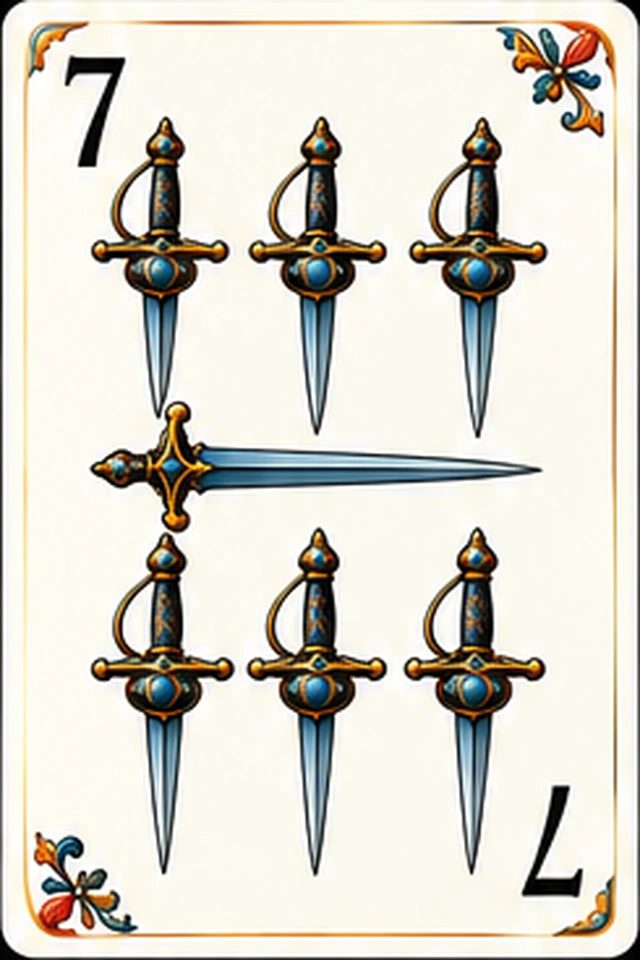
Truc valenciano (Valencian Truc) is usually played in pairs with a reduced deck. Each hand is split into an envit (points betting) phase, where players compare points, and a truc (trick betting) phase, where they compete over three tricks. Cunning is key: bluffing is allowed, and partners use traditional signals to tell each other the value of their cards.
A game with plenty of character
In local clubhouses, social clubs and Fallas associations, Truc is something of an institution. It’s fast, noisy and full of cunning. The beauty of it is that the player with the best cards doesn’t always win — sometimes it’s the best bluffer.
The cards that count
The ranking isn’t like that of other games. At the top are the as de espadas (ace of swords), as de bastos (ace of clubs), siete de espadas (seven of swords) and siete de oros (seven of coins). Next come the threes, the twos and the rest. Many areas use a reduced deck (you’ll often hear people mention 22 cards), although each district has its own customs.
How a hand works
- Each player is dealt three cards.
- Envit: players can bet on who has the most points by adding together two cards of the same suit.
- Truc: three tricks are played. At any point, someone can call ‘truc’ to raise the value of the hand; the opponent accepts, raises or folds.
The signals
A wink, a bitten lip or raised eyebrows: each gesture tells your partner which card you hold. It’s a tradition similar to the signals used in Mus (a Spanish card game). If you’d like to know how it differs from its cousins in the Americas, we explain in Truco argentino (Argentinian Truco) vs Truc valenciano.
Frequently asked questions
Can you talk during Truc?
You can make points bets and call for raises aloud, while partners use facial signals to communicate.
What is the highest card in Truc?
The as de espadas (ace of swords), followed by the as de bastos (ace of clubs).