

Rules and concepts
Truco argentino (Argentinian Truco) vs Truc valenciano (Valencian Truc): the differences
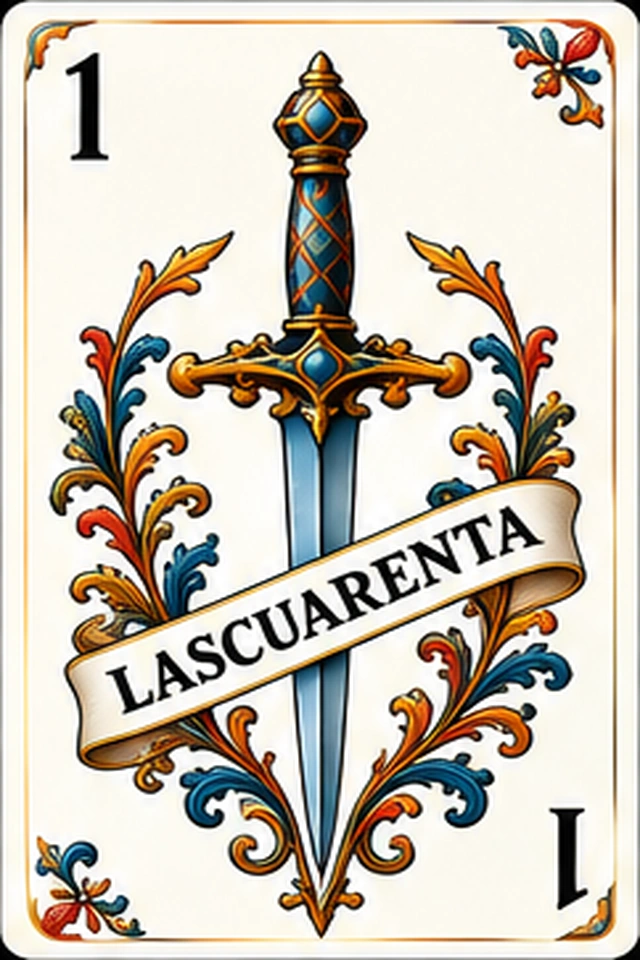
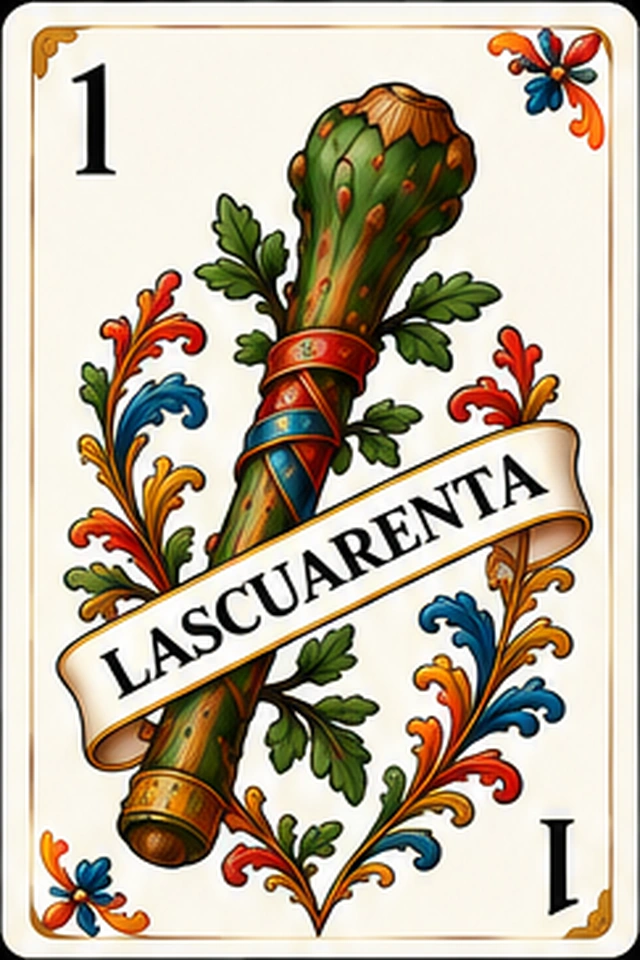
Truco argentino (Argentinian Truco) and Truc valenciano (Valencian Truc) belong to the same family and share the same top-ranking cards, envido (point bidding) and bluffing. The differences lie in the deck, flor (a three-card same-suit hand) and scoring: the Valencian game is usually played with a reduced deck, without flor and over two «camas» (sets), while the Argentinian game uses all 40 cards, includes flor and is played to 30 points.
What they have in common
- Three cards per player and three tricks.
- The as de espadas (ace of swords) ranks highest, followed by the as de bastos (ace of clubs) and the sietes de espadas (swords) y oros (sevens of swords and coins).
- One part compares points (envido or envit, both point-bidding phases), while the other is about tricks (truco or truc, both trick-bidding phases).
- Plenty of bluffing and signals between partners.
How they differ
- The deck: in Argentina, all 40 cards are used; across much of the Valencian Community, people play with fewer.
- Flor: in Argentina, it is part of the game; in Valencia, it generally is not.
- Scoring: 30 points (malas and buenas, the lower and upper scoring stages) versus Valencian camas.
- The atmosphere: in Argentina, Truco calls come with verses and rhyming jokes; in Valencia, the game features very pronounced gestures.
Which came first?
Most likely, the game crossed the Atlantic with emigrants, and each side gradually adapted it to their tastes. We explore this in more detail in Truc and Truco: are they the same game? and trace the cards’ journey in how playing cards travelled to the Americas.
Frequently asked questions
Can someone who knows Truc valenciano (Valencian Truc) play Truco argentino (Argentinian Truco)?
Yes, with little effort: the card rankings and the idea of bluffing are almost identical.
Which version includes flor?
The Argentinian version. Most games of Valencian Truc are played without flor.