

Probability and chance
Which card are you most likely to be dealt?
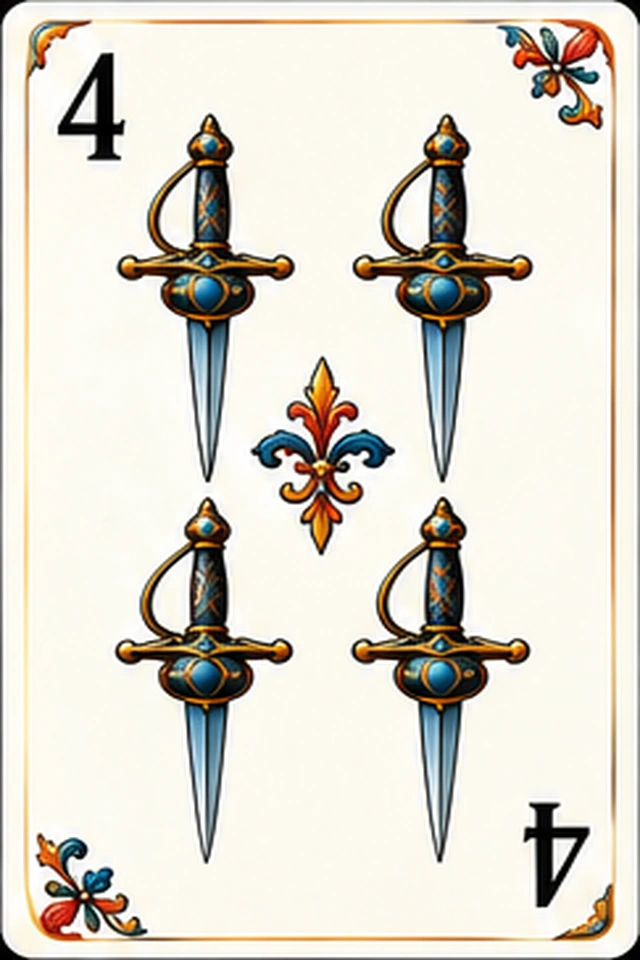
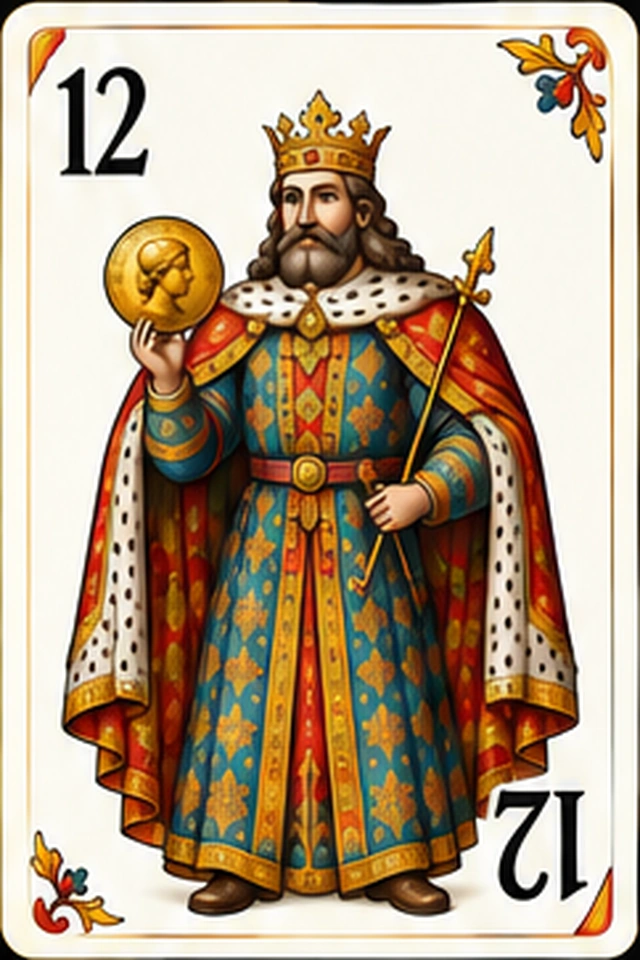
Strictly speaking, no single card is more likely to appear than another: each of the 40 cards has a 1 in 40 chance of turning up in a well-shuffled deck. However, you are more likely to receive cards from certain groups, such as court cards in games where they share the same value, simply because there are more cards of that type in the deck.
Equal chances for cards, different chances for groups
In Mus (a Spanish card game), 16 cards are worth 10: reyes (kings), caballos (knights), sotas (jacks) and treses (threes). So, although each individual card is equally likely, it’s quite normal to have three or four cards worth 10 in your hand. It feels as though ‘court cards always turn up’, but there are simply lots of them.
The chance of being dealt at least one
- At least one as (ace) in 4 cards: just over 35%.
- At least one king in 4 cards: the same, just over 35%.
- At least one card worth 10 (in Mus) in 4 cards: almost 90%.
Why do we think some cards are ‘jinxed’?
Because we’re more likely to remember the times we don’t get what we want. It’s a very human bias. We explain it in how the brain tricks our intuition and do lucky streaks exist?. For a specific example, take a look at the probability of being dealt four aces.
Frequently asked questions
Does any card turn up more often than others?
No. In a well-shuffled deck, every card has the same chance of turning up.
Why does it feel like so many cards worth 10 turn up in Mus?
Because 16 cards are worth 10 — almost half the deck.