

Culture
Card games in Spanish painting
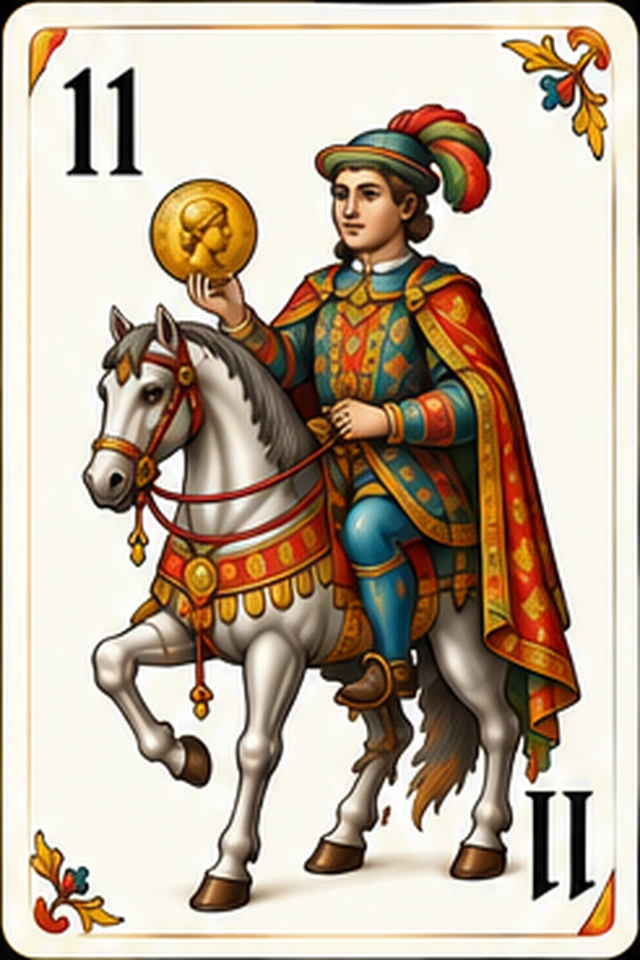
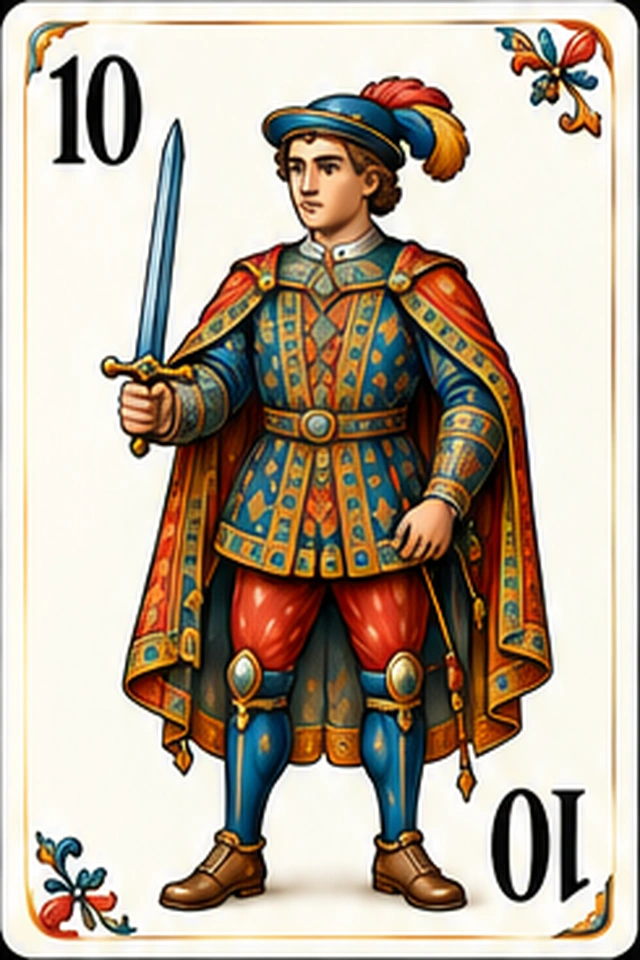
Card games are a classic subject in Spanish genre painting and a way of capturing street life. Cards appear among the young rogues of Seville’s Baroque paintings, the fashionable young men painted by Goya and the tavern characters in 19th-century paintings of everyday customs.
The Baroque and its young rogues
In the 17th century, painters such as Murillo depicted Seville’s street children eating, playing or counting coins. Games appeared as a natural part of daily life, very much in keeping with the picaresque novels of the time. Take a look at the gamblers of the Spanish Golden Age.
Goya and the tapestry cartoons
In the late 18th century, Goya painted cheerful scenes for royal tapestries, including a card game in the countryside. It is probably Spain’s most famous painting of a card game.
Painting everyday customs
In the 19th century, many painters depicted card games in taverns, cafés and courtyards. These scenes are full of detail: gestures, bottles, smoke and someone peering over a shoulder. They fit neatly with what we explore in leisure in Spanish taverns and cafés where card games went on forever.
A way of telling history
These paintings show us how people sat, which cards they used and what it was like to take part in a game. They are almost documentaries in paint.
Frequently asked questions
Which Spanish painters depicted card games?
Goya is the best known, but the subject also appears in Baroque painting and in 19th-century paintings of everyday customs.
Why was this subject so popular?
Because it allowed painters to capture everyday life, gestures and even cheating with plenty of humour.