

Spanish history and leisure
The cafés where games went on forever
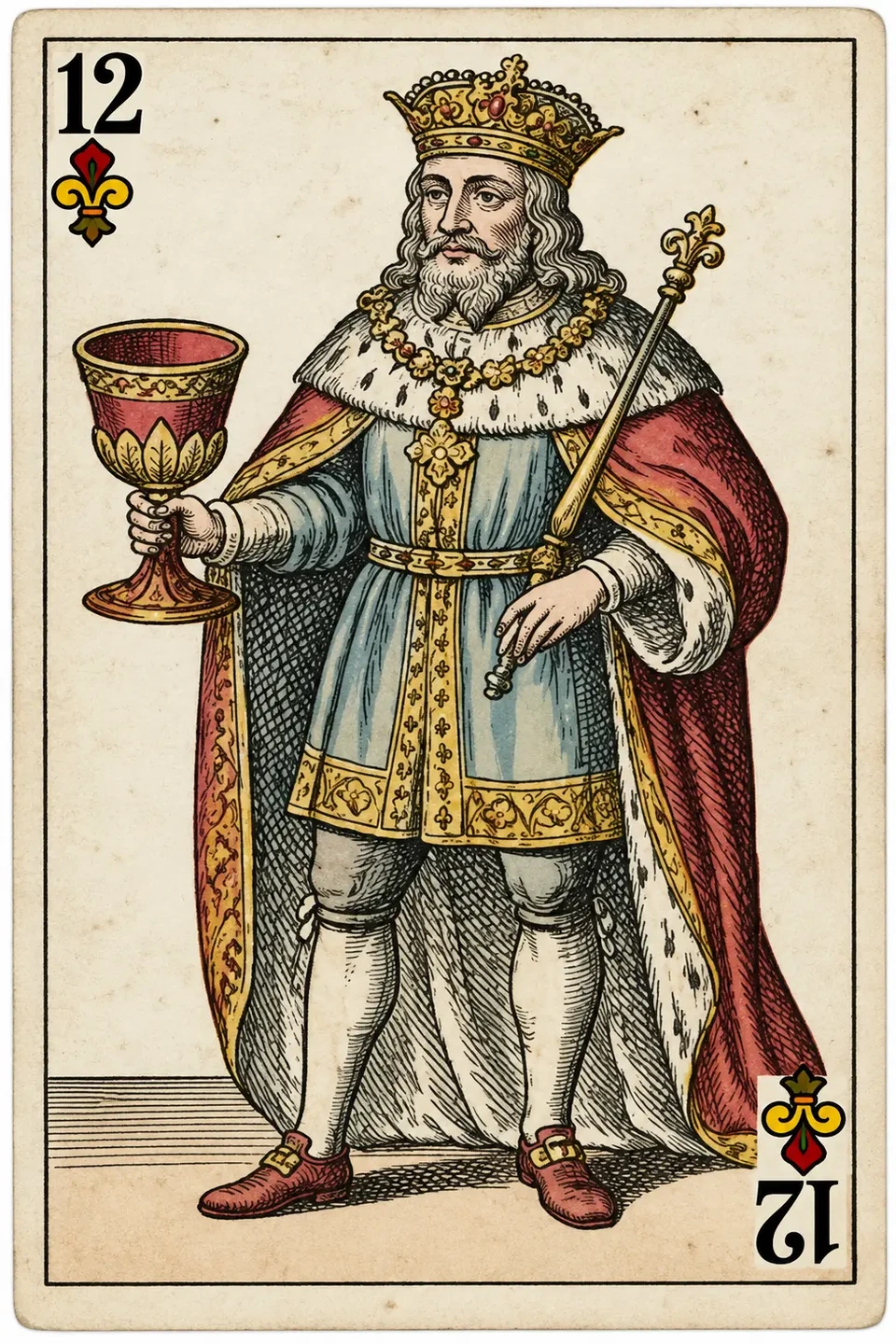
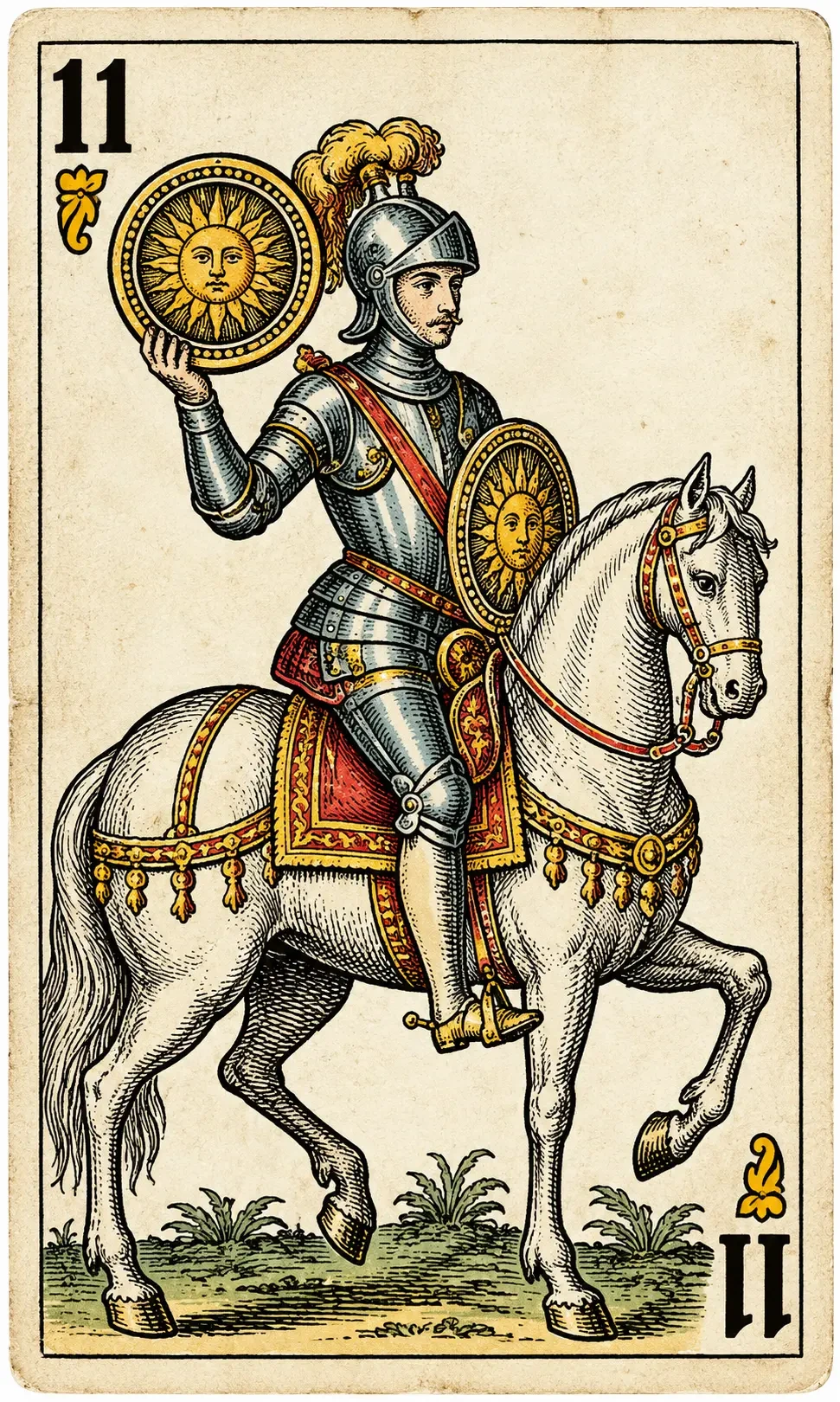
From the 19th century onwards, Spanish cafés became established meeting places for conversation, where endless games of cards, dominoes or billiards were a familiar sight alongside their classic marble tables. Patient waiters and the low cost of buying just one drink allowed afternoons to stretch out over cards and conversation.
The café as a second home
In Madrid, Barcelona, Seville and Valencia, cafés were meeting places for writers, students, pensioners and shopkeepers. Each group had its own table and regular time. You could spend the afternoon over a single coffee, and nobody would ask you to leave.
The clatter of dominoes
The clack of tiles against marble was the soundtrack to many cafés. Dominoes shared tables with cards, chess and draughts. We explore the first of these in our history of dominoes.
Games that never ended
Games of Mus (a Spanish partnership card game) and Tute (a Spanish trick-taking card game) stretched on through rematches and rematches of rematches. Whoever lost paid for the coffees, while onlookers had an opinion on everything, even though they were not playing. The onlooker, offering commentary and sometimes getting on people's nerves, was as familiar a figure as the players themselves.
What remains today?
Many historic cafés have closed, but the custom lives on in neighbourhood bars and pensioners' social clubs. It is the same story we tell in why Spanish bars kept a pack of cards.
Frequently asked questions
What games were played in Spanish cafés?
Dominoes, chess, draughts, billiards and card games such as Mus (a Spanish partnership card game) or Tute (a Spanish trick-taking card game).
What is an onlooker?
Someone who watches a game without playing, often commenting on the moves.