

Expressions
What does it mean to put your cards on the table?
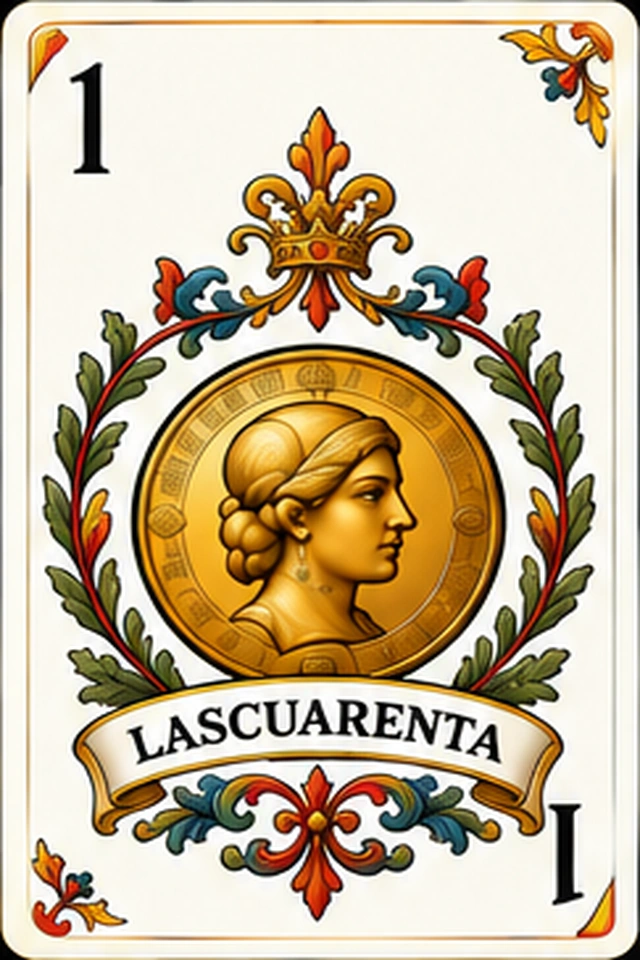
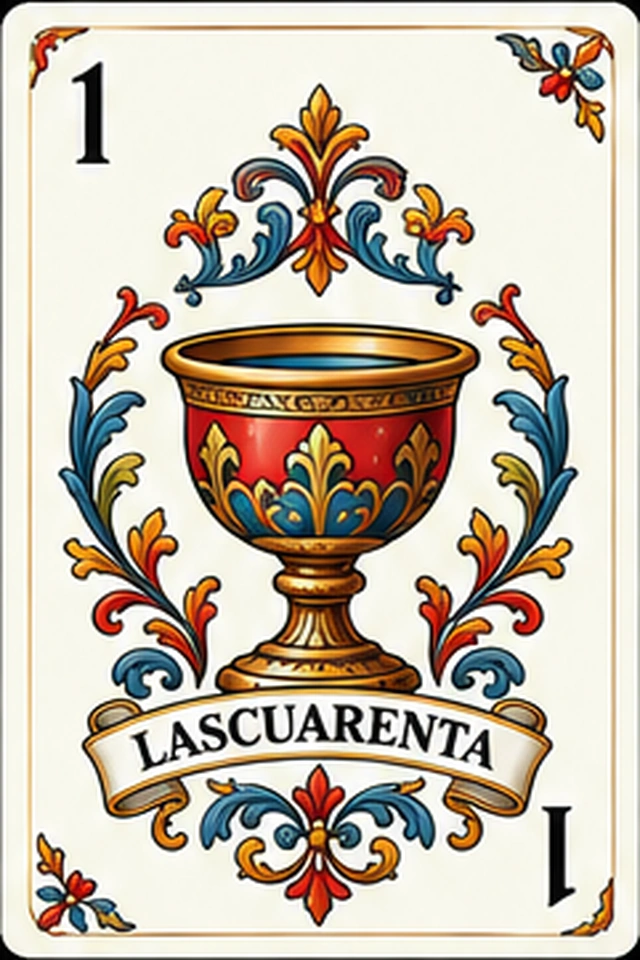
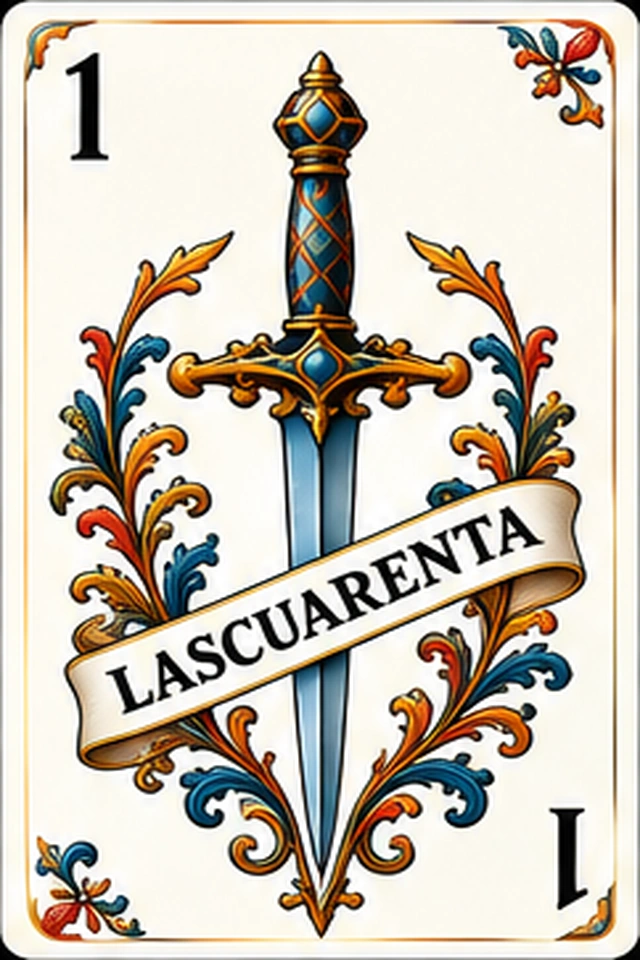
Putting your cards on the table means speaking clearly and openly about what you think, want or have, without hiding anything. The expression comes from the moment when players reveal their cards at the end of a hand and stop concealing what they held.
The moment of truth
In many games, there comes a point when you have to show your hand: in Mus (a Spanish bluffing card game), when the phases in which bets have been accepted are revealed; in Chinchón (a rummy-style card game), when someone goes out and everyone counts their points. That’s when the bluffing ends and everyone sees who had what.
From the card table to everyday life
The expression entered everyday language with that same sense of complete honesty. It’s used in negotiations, family discussions and at work: ‘Let’s put our cards on the table and speak openly.’ The Spanish expression also has equivalents in other languages, including the English to put one's cards on the table.
- ‘Before we sign, let’s put our cards on the table.’
- ‘They put their cards on the table and said they weren’t carrying on.’
The opposite
The opposite would be bluffing or having an ace up your sleeve: keeping something back or pretending things are other than they are. Funny how so many phrases about honesty and deception come from the same card table.
Frequently asked questions
What does it mean to lay your cards face up?
It’s a variation with the same meaning: openly revealing your intentions.
Where does the expression come from?
From card games in which players reveal their hands at the end.