

Expressions
What does ‘ir de farol’ mean?
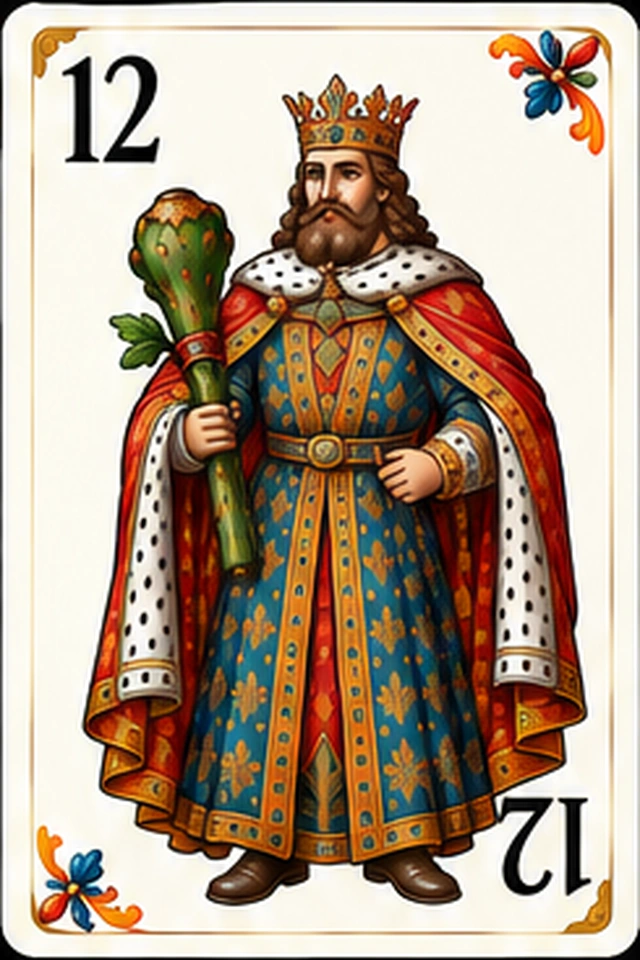
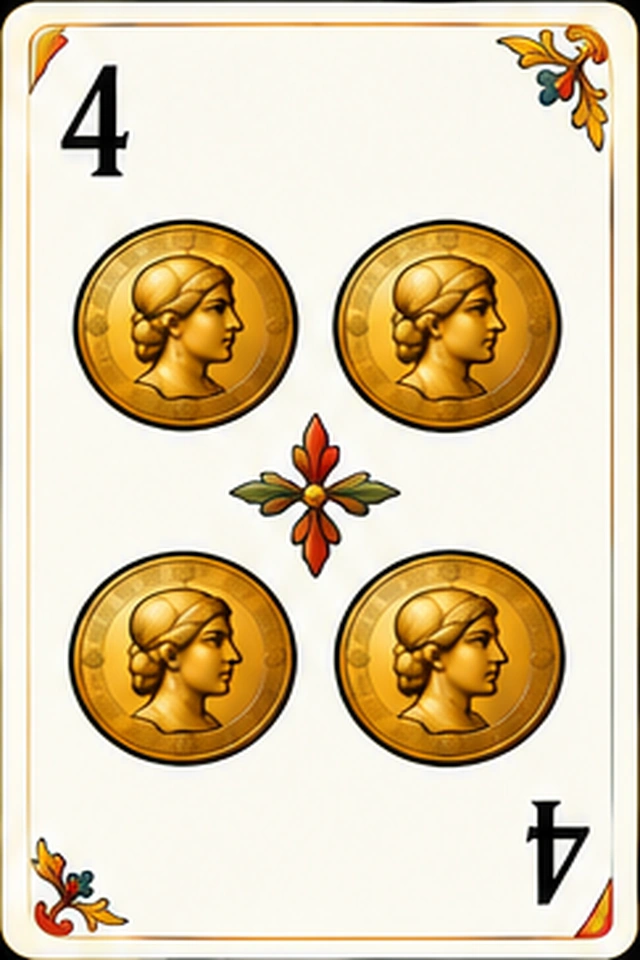
‘Ir de farol’ means bluffing: pretending to have strength you do not possess to impress someone or make them back down. The expression comes from betting card games, where a player can bet heavily with poor cards to persuade their opponents not to take up the bet.
From a lantern that shines to a bluff that deceives
The word farol (lantern) has long been used figuratively for someone who boasts and makes a fuss, like a bright light that draws attention. The Royal Spanish Academy’s dictionary records both this usage and its meaning in games: a deceptive play or bet intended to mislead.
Bluffing at the card table
In Mus (a Spanish betting card game), bluffing is part of the game. Betting on grande (the highest-card contest) with mediocre cards, or declaring an órdago (an all-or-nothing bet) with nothing in your hand, can make the opposing pair decline the bet, leaving you to collect the points. That is why people say Mus is as much about playing the faces as playing the cards. We explore the most extreme case in what ‘de órdago’ means.
There is bluffing in Mentiroso (Cheat), too, where you win outright if nobody catches you out.
How it is used today
- ‘Don’t pay any attention to him — he’s bluffing.’
- ‘She said she had another offer, but it was a bluff.’
Someone who does this habitually is called a farolero (a bluffer or braggart). In everyday life, it carries a hint of cockiness; at the card table, it is simply strategy.
Sources
Frequently asked questions
What is a ‘farolero’?
Someone who boasts or pretends to have more than they really do, often out of habit.
Which games played with Spanish cards involve bluffing?
Mainly betting games such as Mus (a Spanish betting card game), and games of deception such as Mentiroso (Cheat).