

Culture
What does the expression "de órdago" mean? Origin, history and relationship with Mus
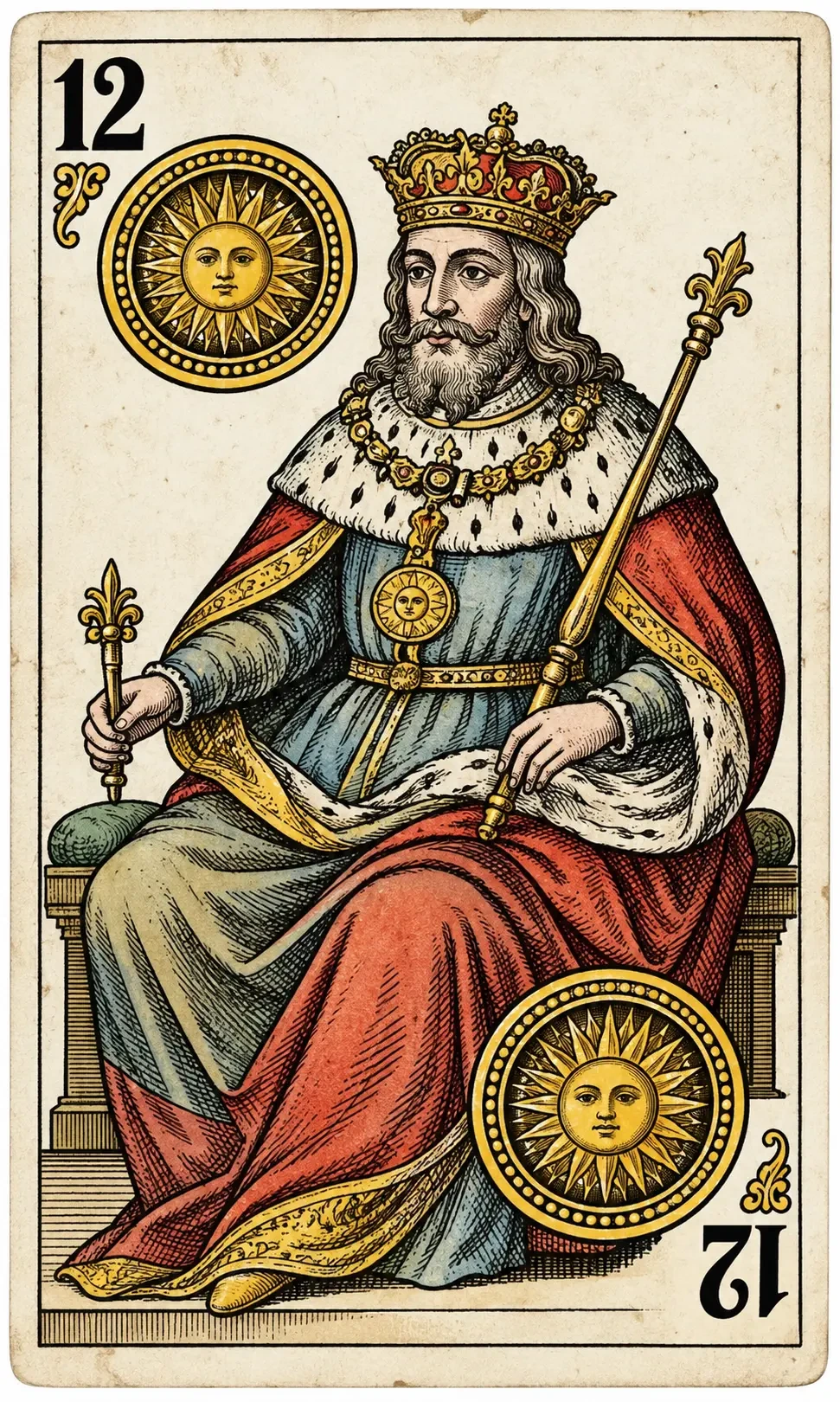
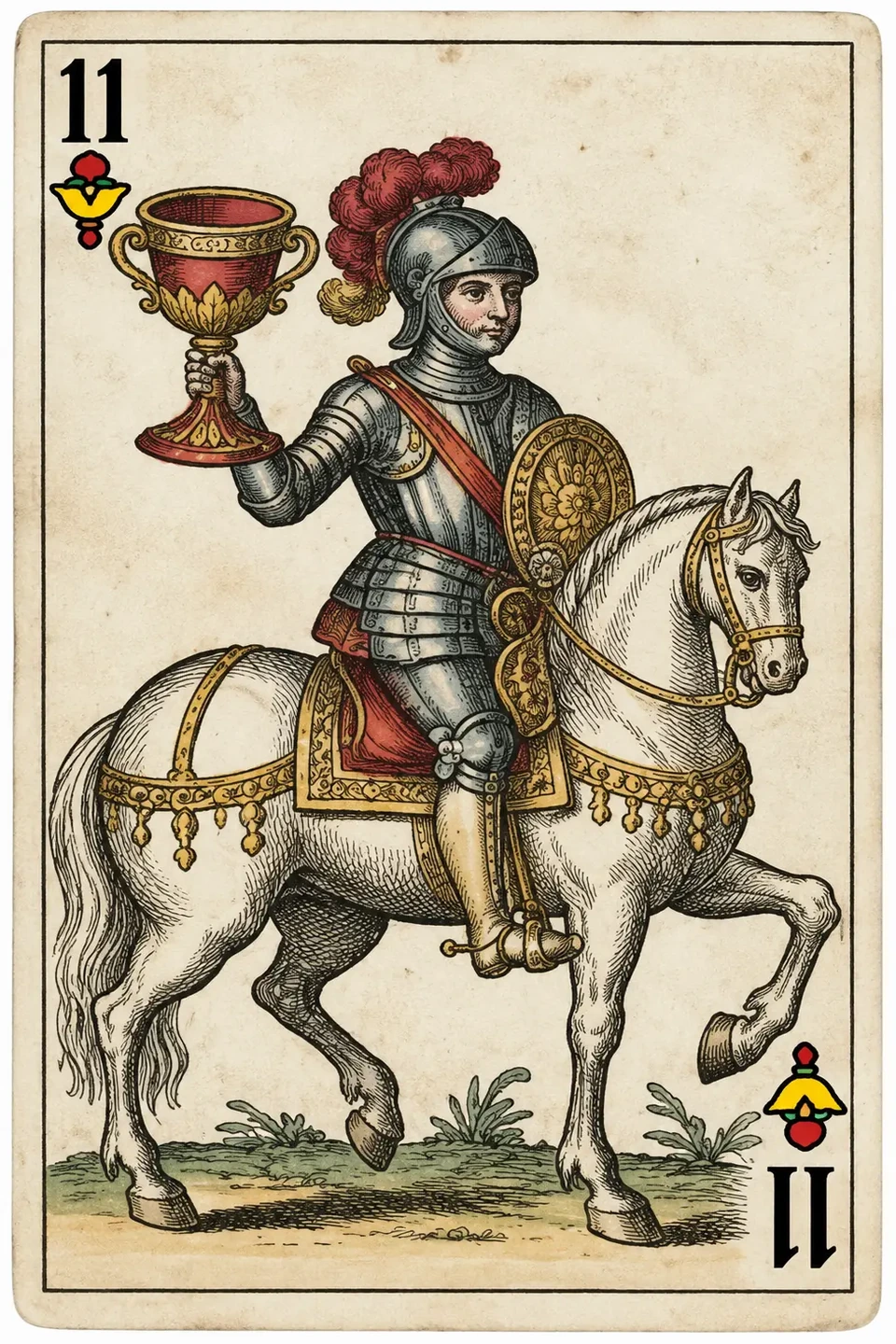
The expression “de órdago” usually means enormous, extraordinary or out of the ordinary: a “traffic jam de órdago” is monumental, while an “argument de órdago” is tremendous. Although it is used to describe everyday situations, the expression comes directly from Mus.
In that game, an órdago is the maximum bet. Whoever makes it proposes to play for the entire game at once. That idea of taking a situation to its extreme left the card tables and became an expression used even by those of us who have never dealt a hand of Mus.
What does "de órdago" mean today?
In everyday speech, "de órdago" functions as a very Spanish way of saying that something reaches exceptional intensity or magnitude. One can speak of a "traffic jam de órdago", an "argument de órdago", a "price increase de órdago" or a "storm de órdago". In all cases, the expression adds the idea that it is out of the ordinary.
It doesn't always have a negative meaning. A victory, a party, or a performance can also be "de órdago" if they are extraordinary. The important thing is not whether something is good or bad, but that it is enormous, emphatic, or hard to forget.
The Dictionary of the Spanish Language precisely records this colloquial use of "de órdago" with the meaning of extraordinary. The modern definition is brief, but behind it lies a very specific scene: that of a player putting the entire game on the table.
What is an órdago in Mus?
In Mus, an órdago is the maximum stake. Instead of betting one, two, or more points, the player proposes to decide the entire game at once. The opponent can refuse it, with the consequences dictated by the hand, or accept it and face an all-or-nothing decision.
If the órdago is accepted, it no longer matters how many points were left to finish or the accumulated advantage up to that point: the pair that wins that hand takes the game. Hence its dramatic force. It is not a large bet within the usual count, but a move that can erase everything that came before in one fell swoop.
The competitive rules retain the órdago as an essential part of the game, just like family and group games. In Learn to play Mus, the hands, bets, and the moment when this decisive bet can be made are explained.
Where the word "órdago" comes from
The most accepted explanation, and the one recorded by the Royal Spanish Academy, relates "órdago" to the Basque expression "hor dago", which can be roughly translated as "there it is" or "there you have it". The phrase fits the gesture of the player who poses the ultimate challenge and leaves the decision before the opponent.
It's advisable to be cautious when recounting an etymology that has travelled through oral language for centuries. The Basque origin is well established, but word-for-word translations and stories about the first table where someone uttered it tend to be embellished more than necessary. We don't know of an inaugural game for the órdago.
What is undeniable is the close relationship between Basque vocabulary and Mus. The game itself retains words and phrases born in that cultural environment, and the órdago is the one that has travelled furthest outside the table.
How it passed from Mus to everyday language
First came the play. Mus spread through taverns, clubs, barracks, social groups, and after-dinner gatherings, and with it, the word "órdago" became recognisable. Even if not everyone could explain every hand, almost anyone understood that making it meant risking everything.
From there, the word began to serve as a comparison. A huge challenge could seem like an órdago; later, any excessive event ended up being "de órdago". The card table disappeared from the phrase, but the feeling of facing something extreme remained.
This is not a strange journey in Castilian Spanish. Cantar las cuarenta (literally, 'to sing the forty', meaning to give someone a piece of your mind) also originated as a specific play before meaning to tell someone a few home truths. "Ir de farol" (to bluff), "tener un as en la manga" (to have an ace up one's sleeve), or "jugarse el resto" (to risk everything) followed similar paths: first, they described game actions and then found a second life in conversations where no cards were in sight.
Why does "de órdago" mean something enormous?
The relationship is understood when imagining what an órdago entails in a game. Until that moment, players can measure their bets and concede a hand to protect what they've won. The órdago breaks that scale: it turns a decision into the definitive decision.
That's why a "storm de órdago" is not simply strong, but exceptional; and a "victory de órdago" is not just any victory, but one that seems to resolve everything. Everyday use retains the intensity of the game even though it has lost its technical meaning.
"De órdago" and "echar un órdago" are related, but do not mean exactly the same thing. The first expression qualifies something extraordinary. The second describes a total challenge: someone forces a decision, takes an enormous risk, or puts another person before a difficult choice.
Other expressions that originated in card games
The card deck has left a small dictionary hidden in daily life. "Cantar las cuarenta" (to tell someone off) comes from the king and the knight (Caballo) of the trump suit in games like Tute. "Tener un as en la manga" (to have an ace up one's sleeve) speaks of keeping an unexpected advantage. "Jugarse el resto" (to risk the rest) takes a bet to what remains, and "ir de farol" (to bluff) consists of pretending a strength that one may not possess.
We use them because they summarise complex situations in an easy-to-understand image: saving a surprise, risking everything, feigning confidence, or speaking plainly. These are card expressions that survived the specific game that gave them birth.
They also show how much space playing cards occupied in popular culture. In the games section, many of these words can be recognised in their original context, before they jumped from the table to common language.
Is the word "órdago" still used within Mus?
Yes. The órdago is not a linguistic relic or a forgotten rule: it remains one of the best-known plays in Mus and forms part of its essential vocabulary. It can appear in any of the hands where betting is allowed and retains its full capacity to decide the game.
That doesn't mean it should be launched lightly. An órdago can be a response to an extraordinary hand, the score, reading the signals, or a bluff. Precisely because the opponent knows what's at stake, the decision to accept or not accept concentrates much of the tension of Mus.
Outside the table, the word has become more frequent than the play, but both are still alive. Every time someone accepts an órdago in a game of Mus, the original meaning that the language later adopted is repeated: this is as far as we've come; now everything is decided.
If you want to know the game in depth, read everything you need to know about Mus.
From the felt to an expression for all
Few Spanish expressions have travelled as far from their origin as "de órdago". What began as a decisive bet at a Mus table ended up becoming a way to describe any extraordinary situation.
Millions of people use it without thinking about "grande" (largest card group), "chica" (smallest card group), "pares" (pairs), or "juego" (game). Unknowingly, they continue to speak the language of playing cards: a language made of after-dinner gatherings, challenges, bluffs, and games in which, suddenly, someone decides to put everything on the line.
Frequently asked questions about "de órdago"
What does "de órdago" mean? It means that something is extraordinary, enormous, or out of the ordinary due to its intensity or magnitude.
What is an órdago in Mus? It is the maximum stake: a proposal to play for the entire game in a single hand.
Where does the word órdago come from? Traditionally, it is considered to come from the Basque "hor dago", approximately "there it is" or "there you have it"; this is also the etymology recorded by the RAE.
What does "echar un órdago" mean? It means to pose a total challenge or to force an all-or-nothing decision, by extension of the Mus play.