

Spanish history and leisure
The culture of village card games
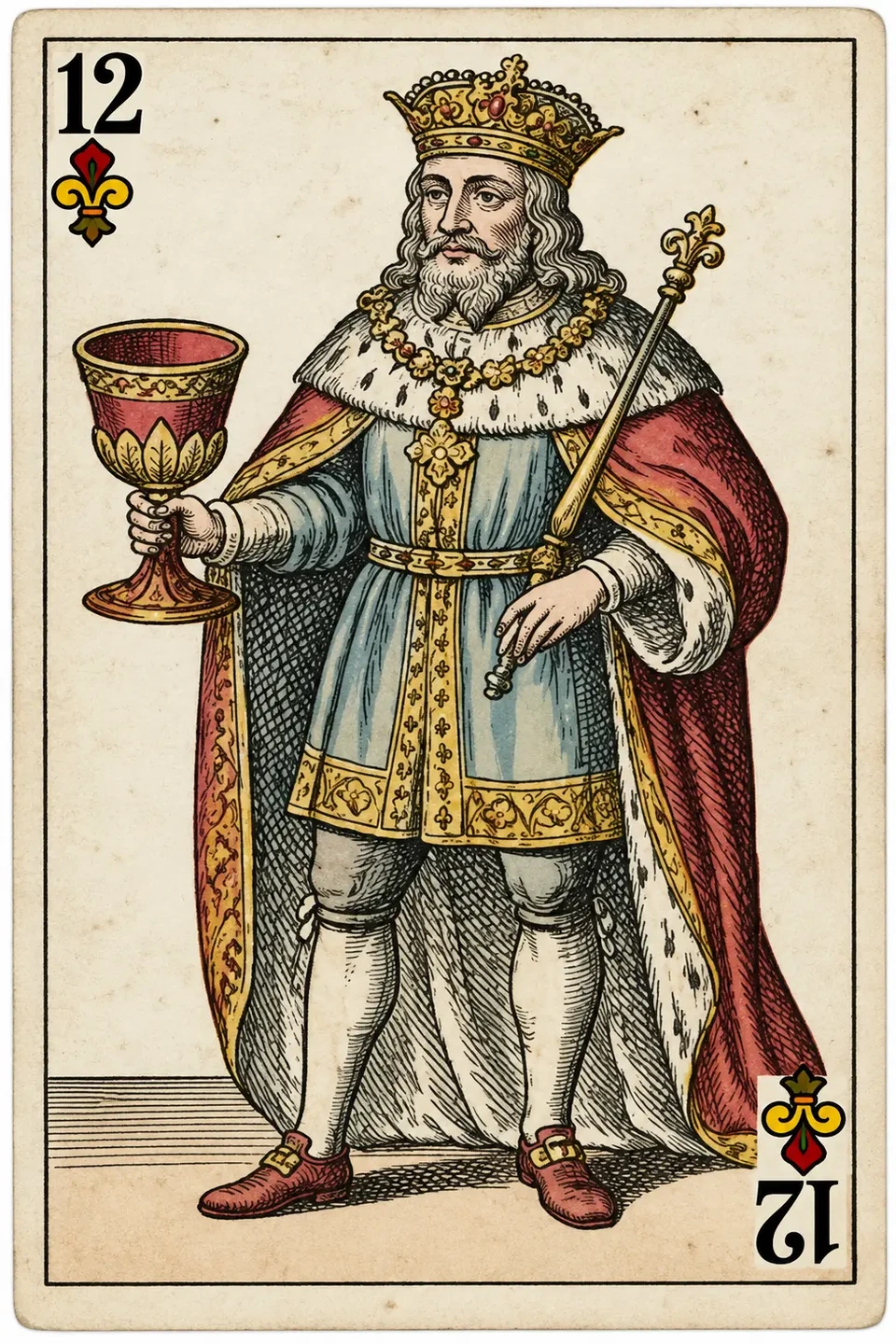
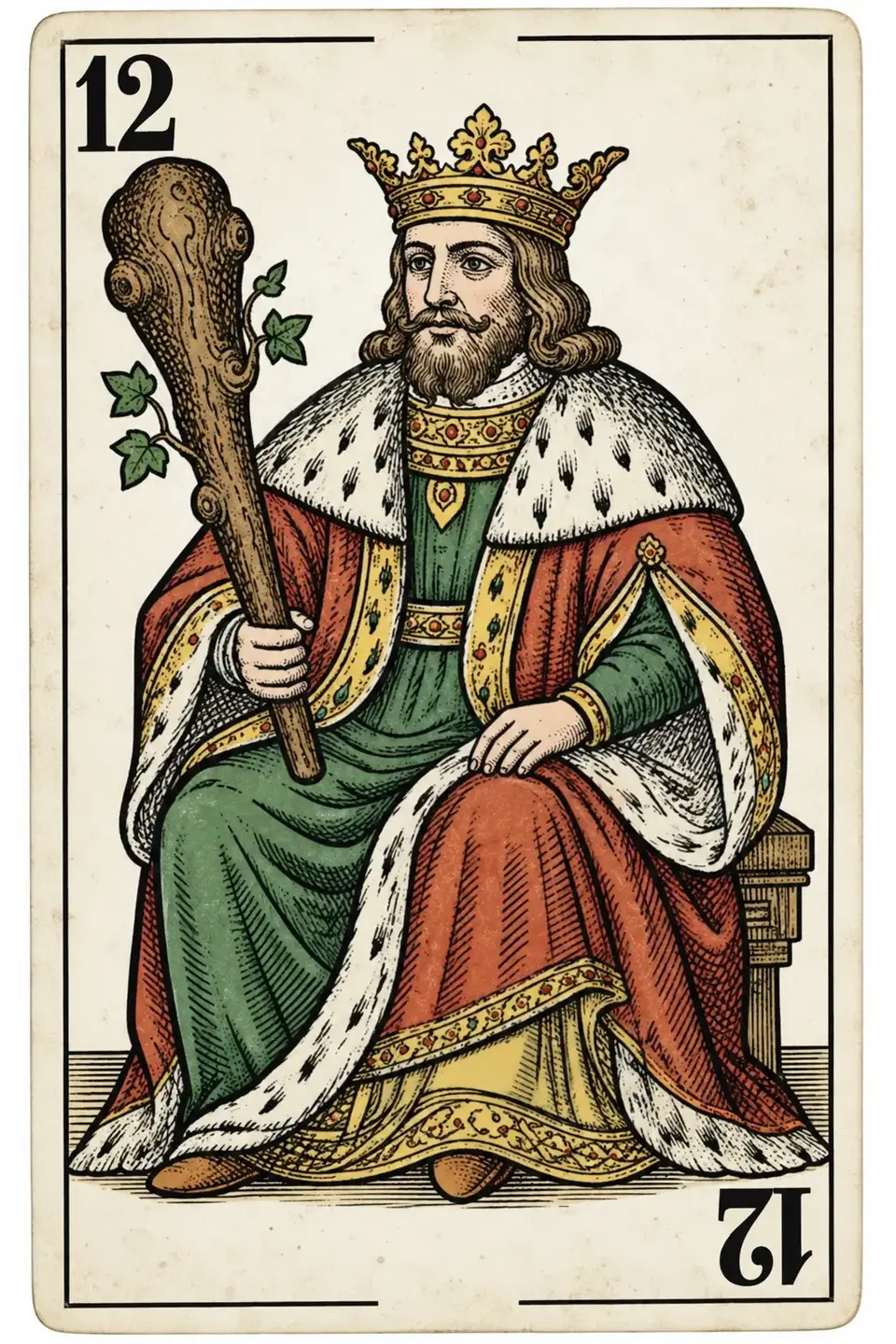
Card games set the daily rhythm in many Spanish villages, after lunch or as evening fell, in the bar, the social club or the pensioners’ centre. The same partners might meet for years, and tournaments of Mus (a Spanish partnership card game), Guiñote (a Spanish trick-taking game), Tute (a Spanish trick-taking game) or Cuatrola (a Spanish partnership card game) became real highlights of local festivities.
Time for a game
The game had its appointed time: after the summer siesta, after church on Sundays, or after coming back from the fields in winter. Latecomers had to watch until a place became free.
Lifelong playing partners
In partnership games, pairs formed that lasted for decades. They knew each other so well that they could tell what the other was holding without looking. In Mus, that has a name: señas, or signals. But something similar happens in every game.
Every village has its game
Guiñote in Aragon, Cuatrola in Castilian and Leonese lands, Mus in the north, and Brisca (a Spanish trick-taking game) and Tute across almost all of Spain. And each game came with its own little local rules. We explore them in popular games by region.
Tournaments during local festivities
A sign-up sheet stuck up in the bar, a modest trophy or a cured ham for the winning pair, and whole nights of knockout rounds. If you fancy organising one, read how to organise a tournament with friends.
What remains today?
A lot, though fewer people take part. And some who now live far from their village keep their regular game going with the same old friends around an online table.
Frequently asked questions
Which card games were played in villages?
It depends on the area: Mus, Guiñote, Cuatrola, Tute, Brisca and Chinchón (Spanish rummy), among others.
Where did people play?
In bars, social clubs, pensioners’ centres and people’s homes, especially while lingering at the table after a meal.