

Spanish deck
Why are the court cards in Spanish decks shown full-length?
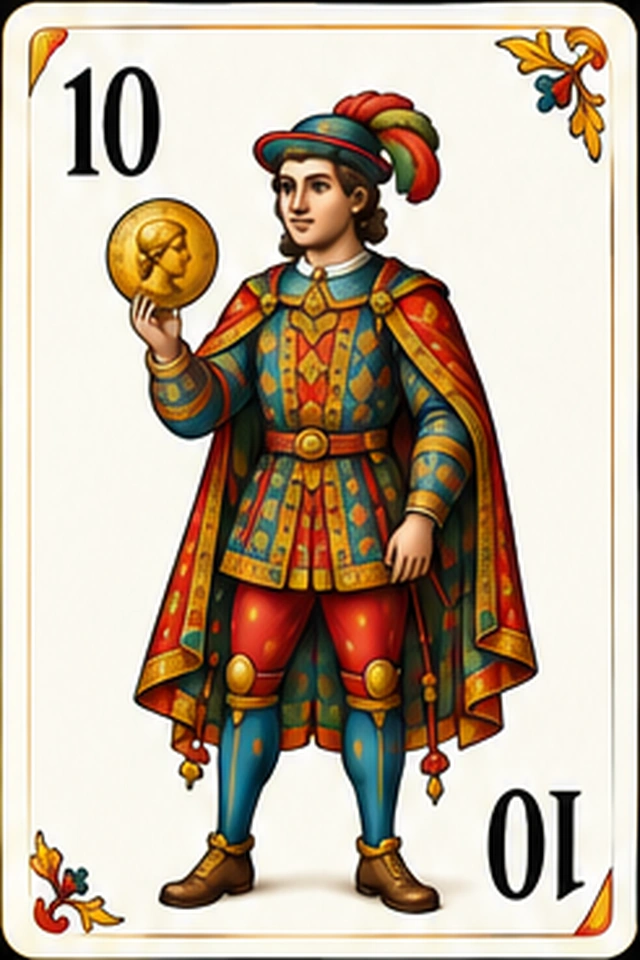
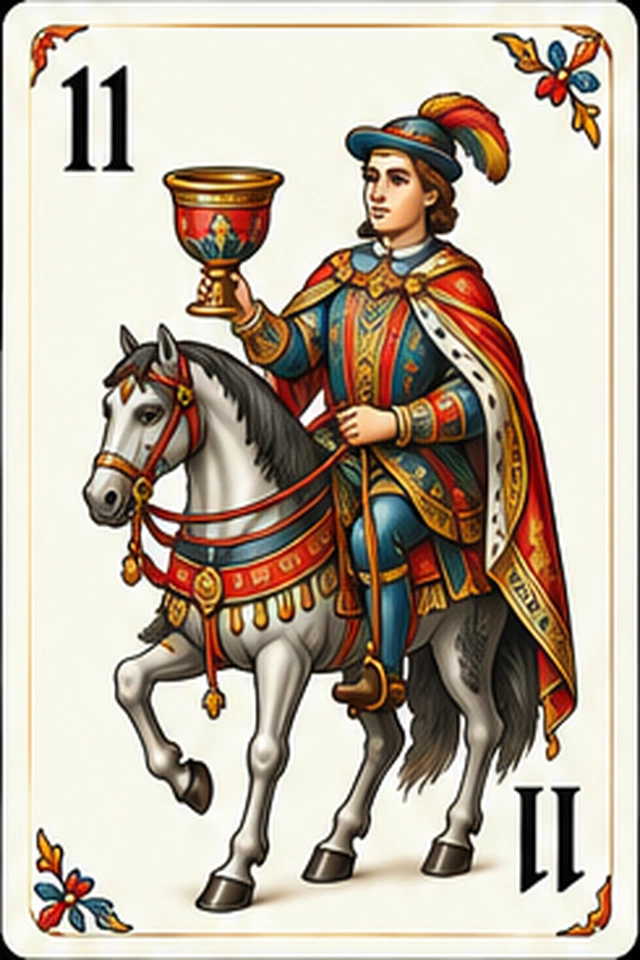
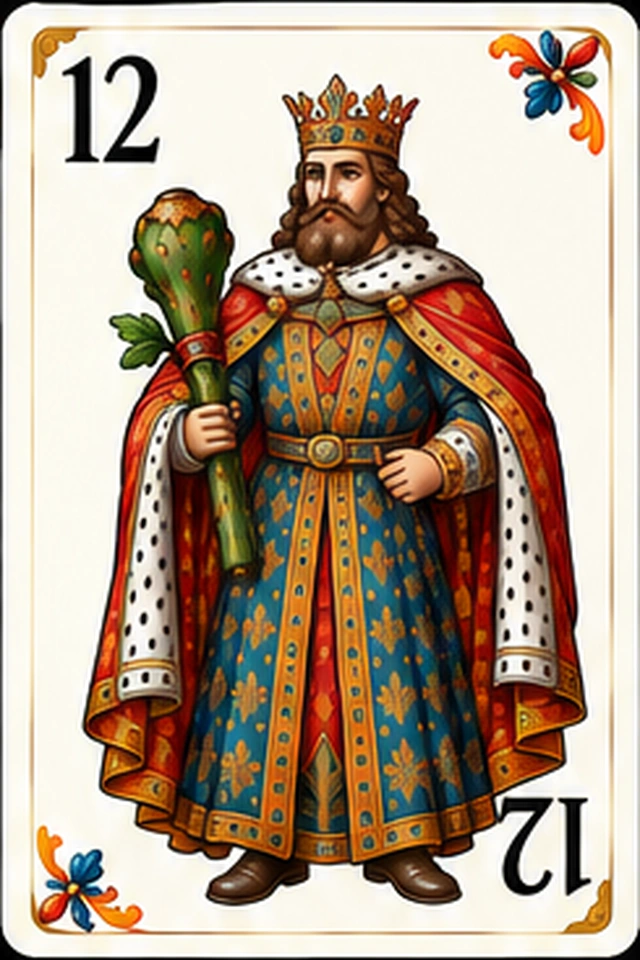
The court cards in Spanish decks show full-length figures because they have kept the traditional design of sotas (jacks), caballos (knights) and reyes (kings), as they had been drawn for centuries. French decks, by contrast, adopted ‘double-headed’ court cards in the 19th century, making them recognisable either way up without turning the card.
You can’t split a horse in half
There’s a very practical reason: the horse on the caballo card. Drawing half a horse at the top and half at the bottom looks rather odd. With upright figures, each card is a complete little illustration, and that’s part of the Spanish deck’s charm. We explain more in why Spanish decks have a caballo rather than a queen.
So how do players know which card it is?
From the number in the corner and the pintas (suit markings) on the border. With those clues, it doesn’t matter whether the card is the right way up or upside down.
A tradition with deep roots
The court figures in Spanish decks recall the pages, knights and kings of the Middle Ages. If you’d like to see how they’ve changed over time, take a look at our overview of the artistic evolution of Spanish playing cards.
Frequently asked questions
What is a double-headed court card?
A court figure drawn twice, once upright and once upside down, so it is easy to recognise either way up.
Are there double-headed Spanish decks?
Some editions exist, but the traditional design uses full-length figures.